



Cultural Calendars: Navigating Diverse Holiday Traditions in Global E-Commerce
- Revealing strategic insights for cross-border market engagement and cultural sensitivity

























概览
Cross-cultural market understanding emerges as a critical imperative for international e-commerce sellers, with religious and calendrical diversity presenting both challenges and opportunities. The analysis of Orthodox Christmas celebrations reveals a complex landscape of cultural nuances that demand sophisticated market entry strategies.
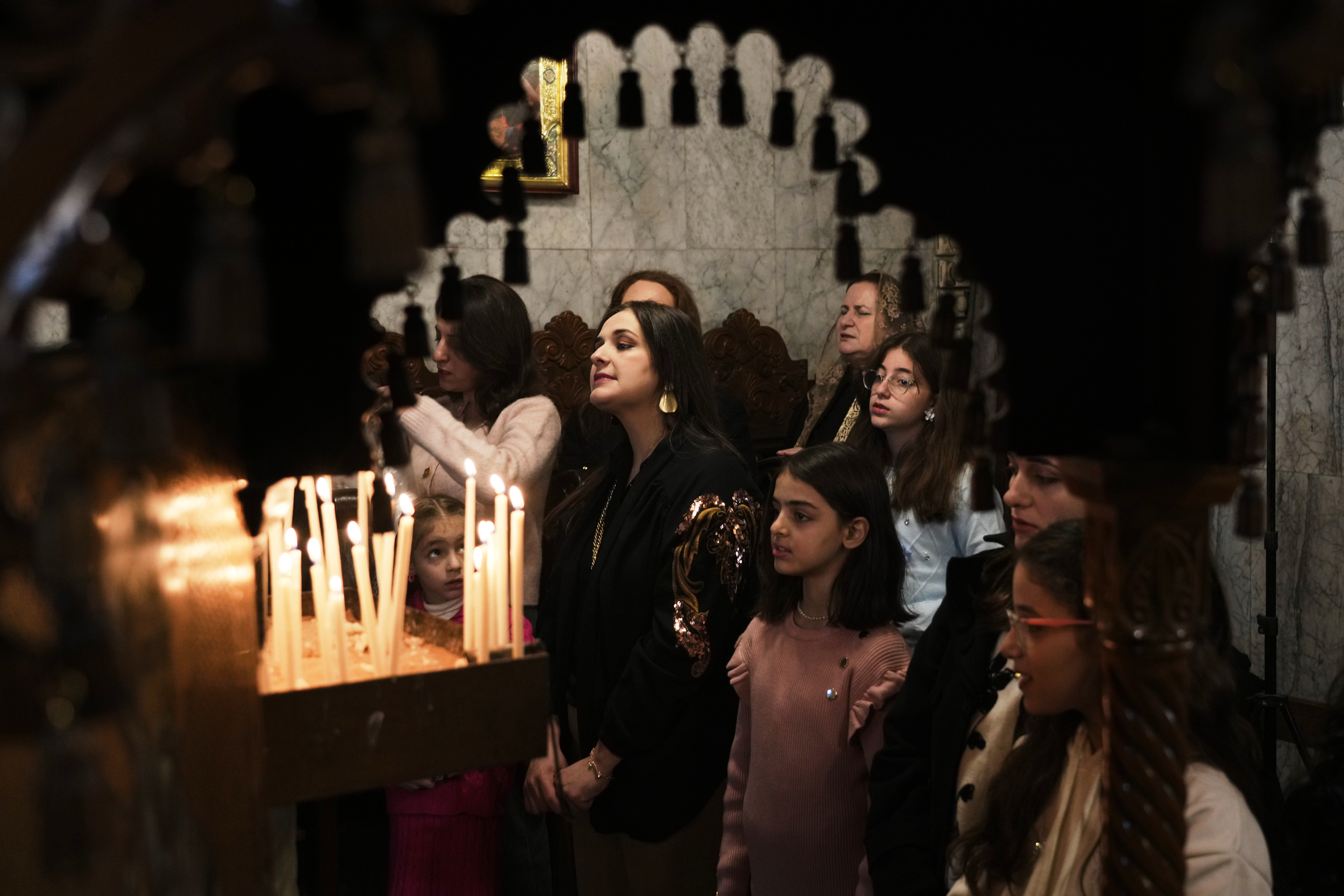
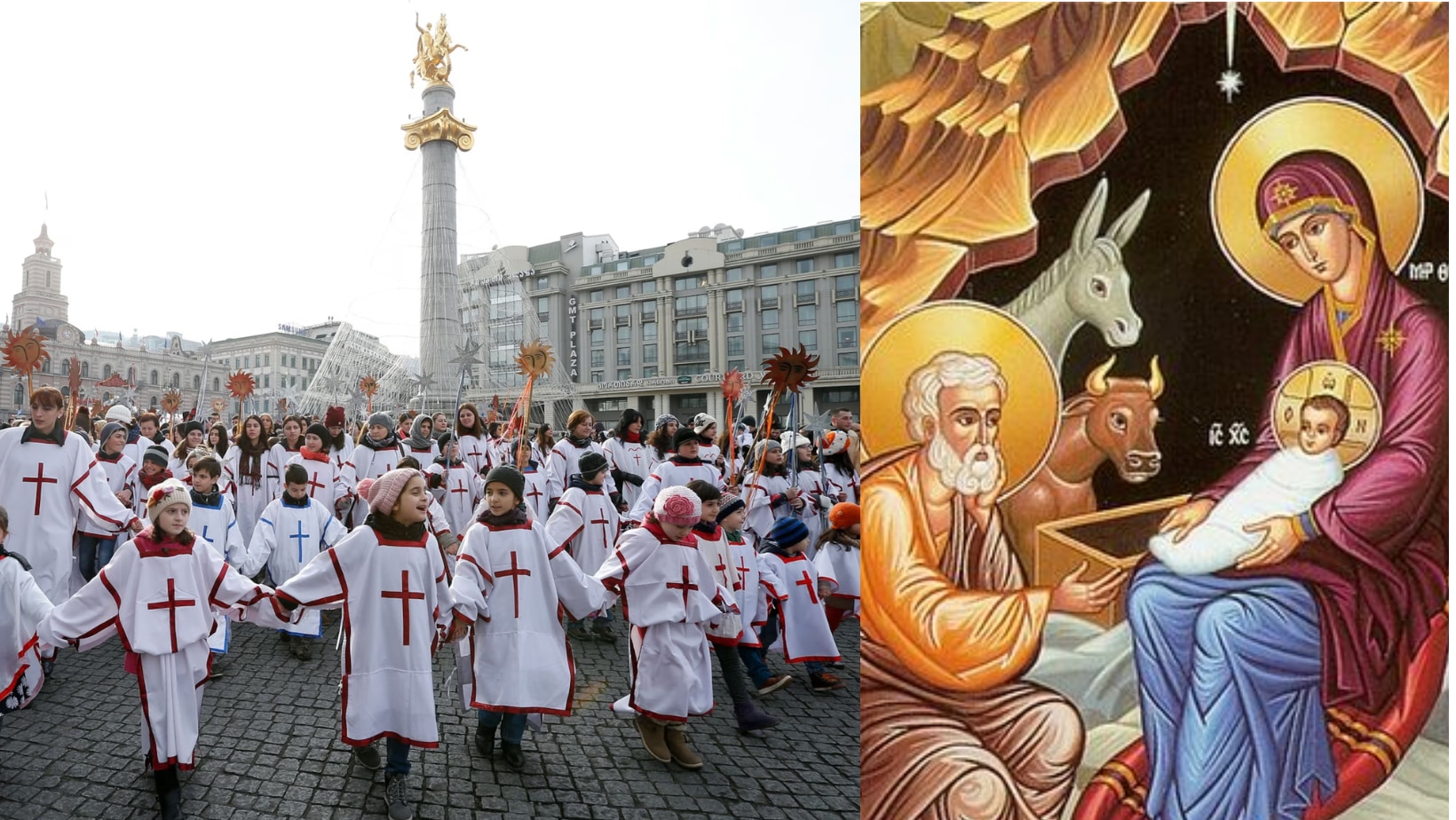
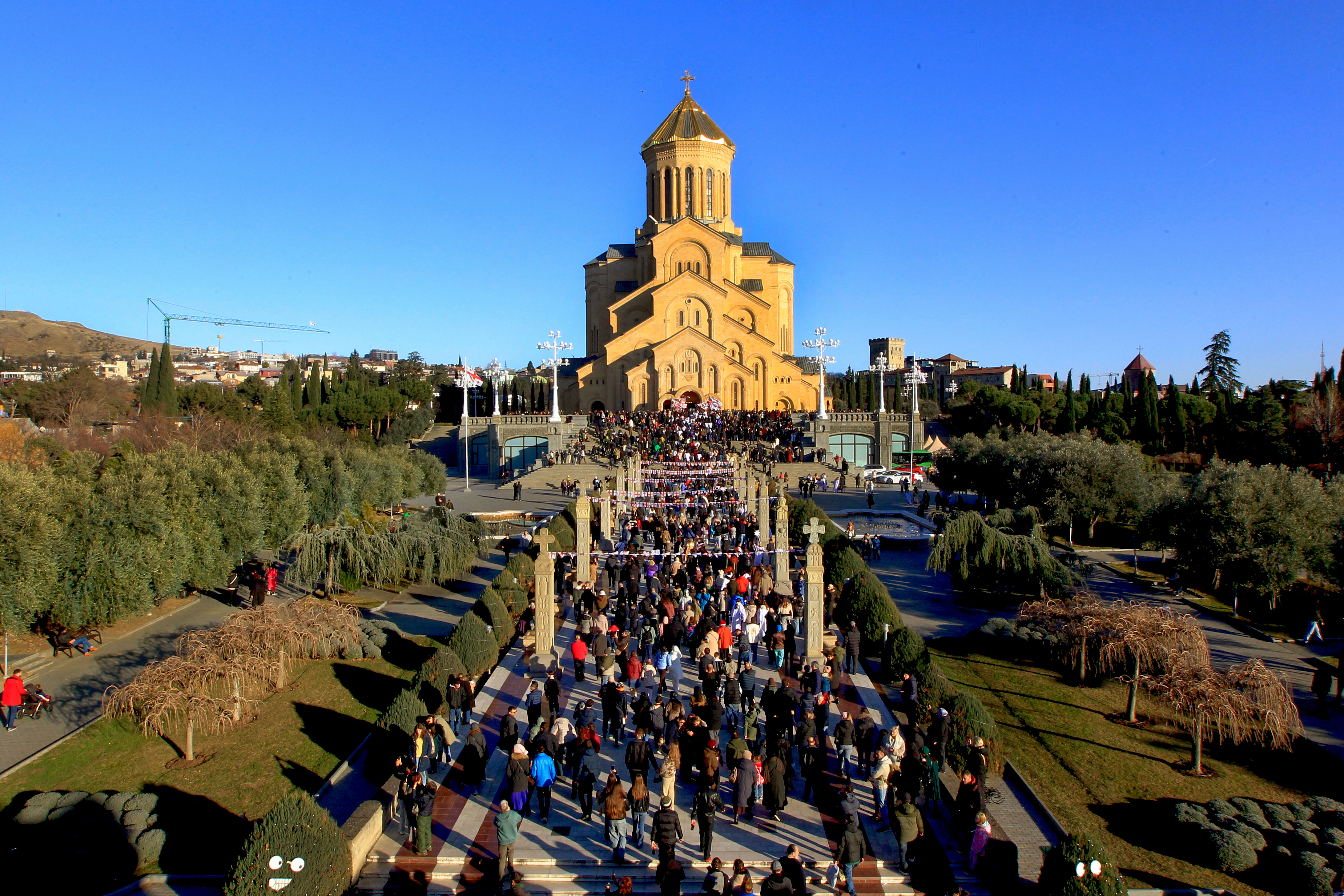
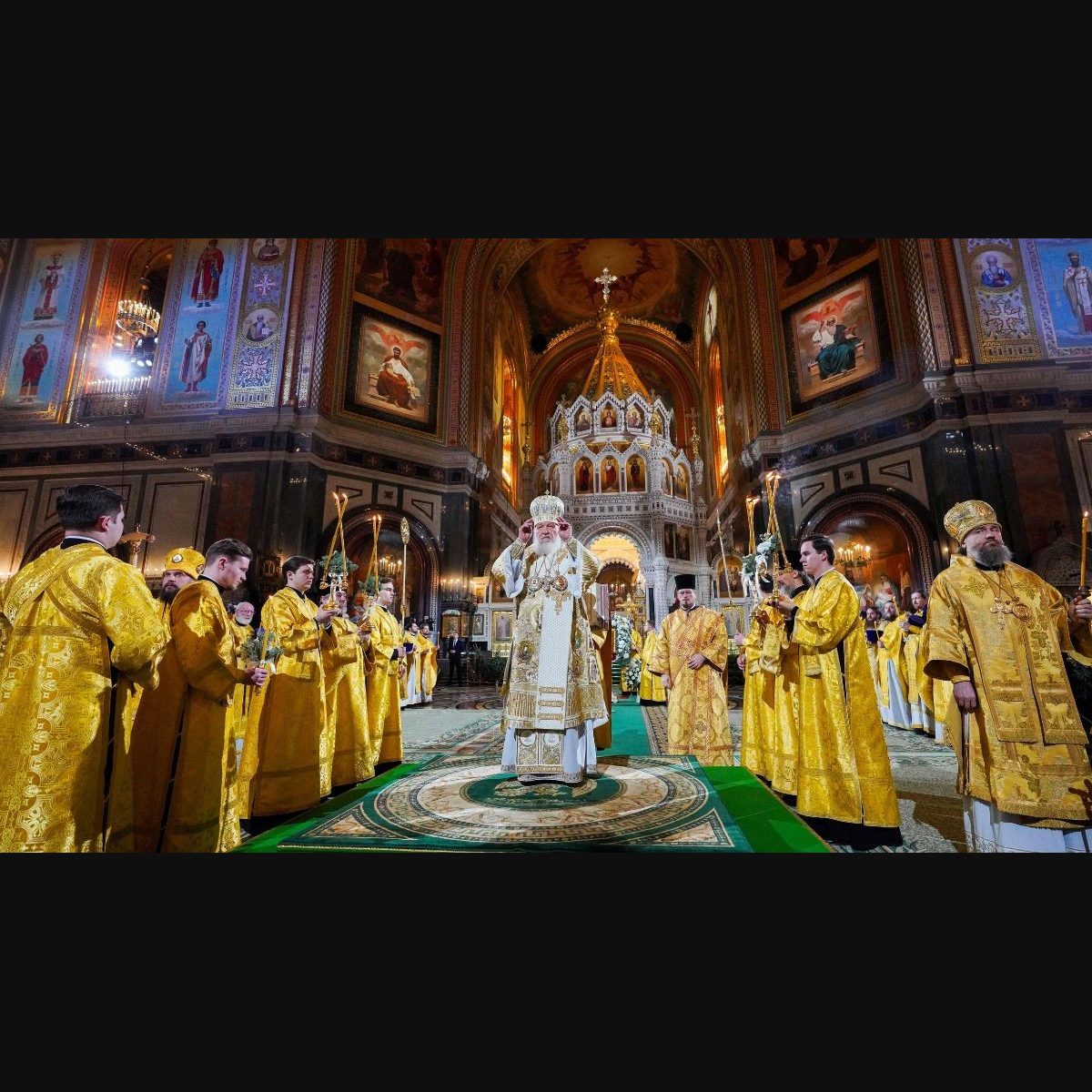
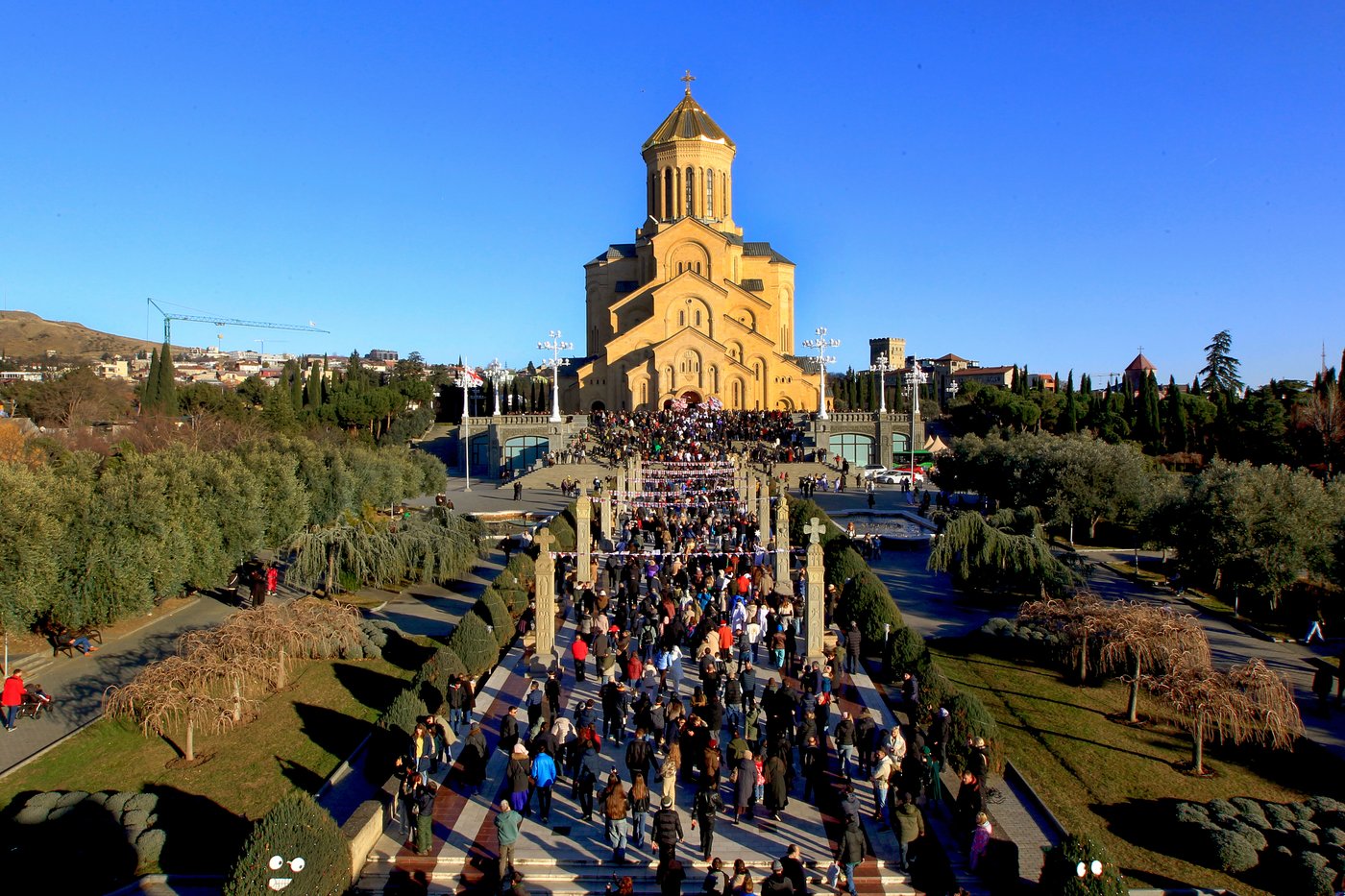
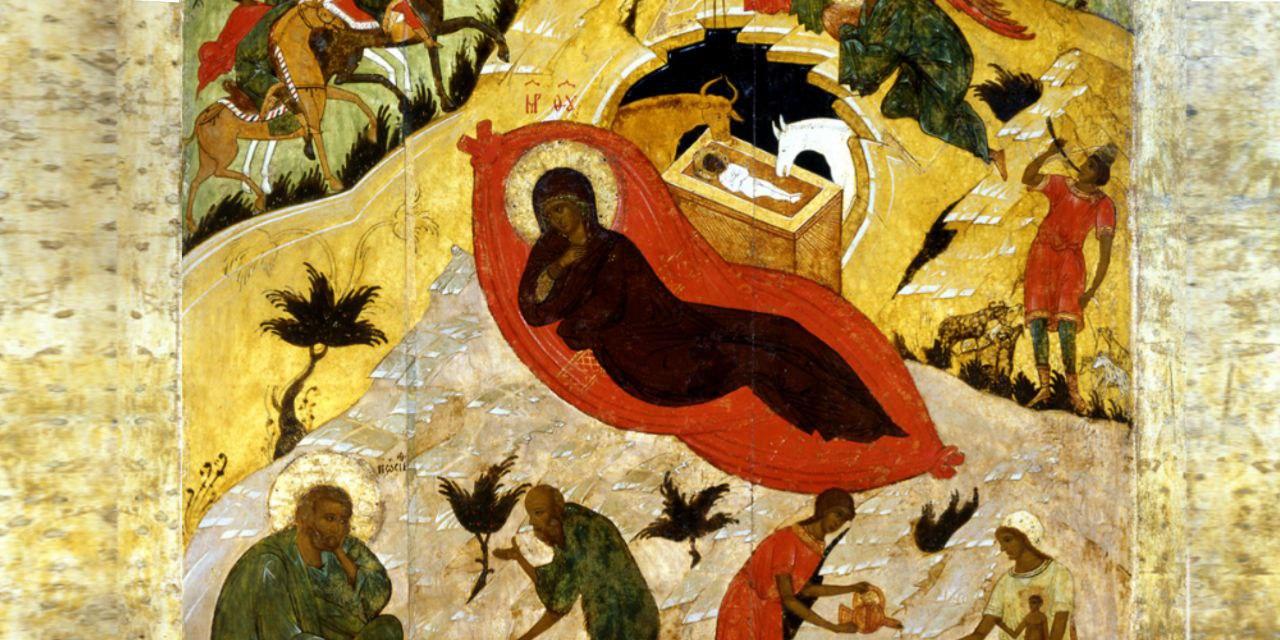
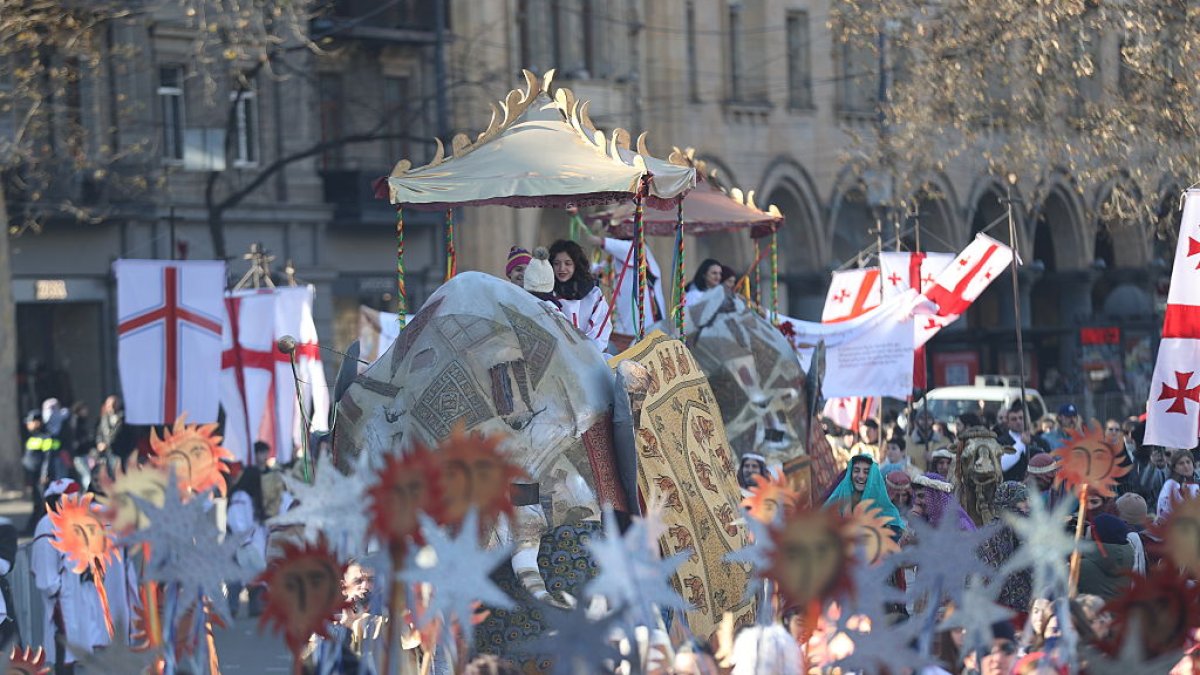
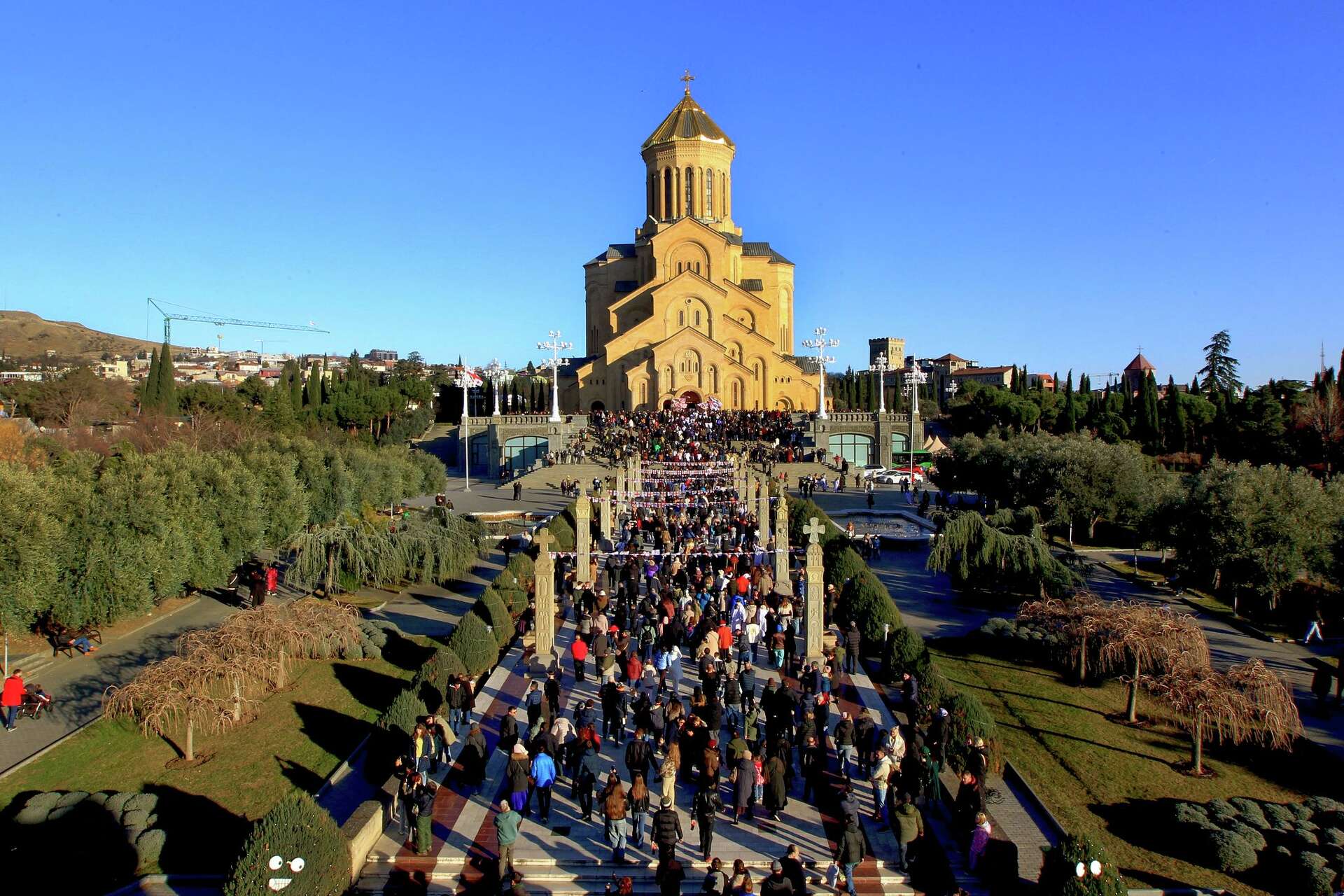
Calendar diversity represents more than a temporal difference - it's a profound expression of cultural identity. Approximately 250 million Christians celebrate Christmas on January 7th, following the Julian calendar, which highlights the intricate ways traditional practices persist across different geographies. This calendrical variation spans regions including Eastern Europe, Russia, and parts of the Middle East, creating unique market segmentation opportunities for savvy international sellers.
Localization strategies must go beyond surface-level adaptations, requiring deep cultural understanding and respect for community traditions. The Serbian Orthodox community in Denver and Ukrainian Orthodox Christians in Youngstown demonstrate how immigrant communities maintain cultural continuity through carefully preserved religious practices. For e-commerce platforms, this means developing hyper-localized marketing approaches that recognize and celebrate these nuanced cultural expressions.
The strategic implications are profound: successful cross-border e-commerce demands more than translation or basic market research. It requires a nuanced approach to cultural sensitivity that acknowledges the deep-rooted traditions of diverse communities. International sellers must develop flexible strategies that can adapt to varied cultural calendars, celebration patterns, and community-specific marketing windows.
Monitor and adapt to these cultural complexities by:
- Developing flexible marketing calendars that account for diverse celebration dates
- Creating culturally resonant messaging that goes beyond generic holiday campaigns
- Investing in local market insights that reveal deeper cultural context
- Recognizing that cultural preservation is a powerful driver of consumer behavior
问题 5
How can e-commerce sellers adapt to diverse cultural calendars?
Successful cross-border sellers must develop flexible marketing strategies that recognize regional holiday variations. This includes creating culturally sensitive campaigns, understanding local traditions, and developing marketing calendars that accommodate different celebration dates and cultural nuances.
Why do some Christians celebrate Christmas on January 7th instead of December 25th?
Approximately 250 million Christians follow the Julian calendar, which differs from the Gregorian calendar introduced in 1582. Orthodox Churches like the Russian, Serbian, and Coptic Orthodox Churches maintain this traditional calendar, resulting in a different Christmas date that reflects historical astronomical calculations and cultural preservation.