


Canada-Ukraine Diplomatic Shift | Cross-Border Policy Impact
- Strategic Transition Signals New International Economic Engagement Model
















概览
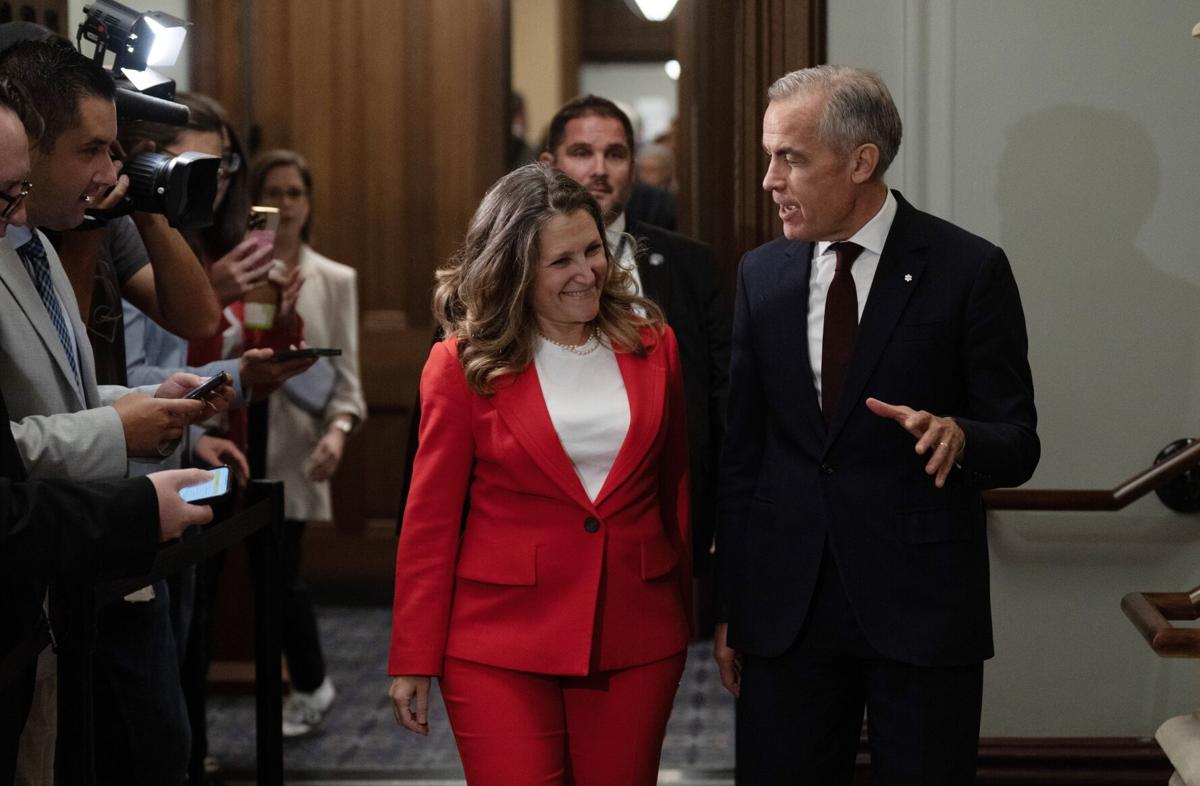
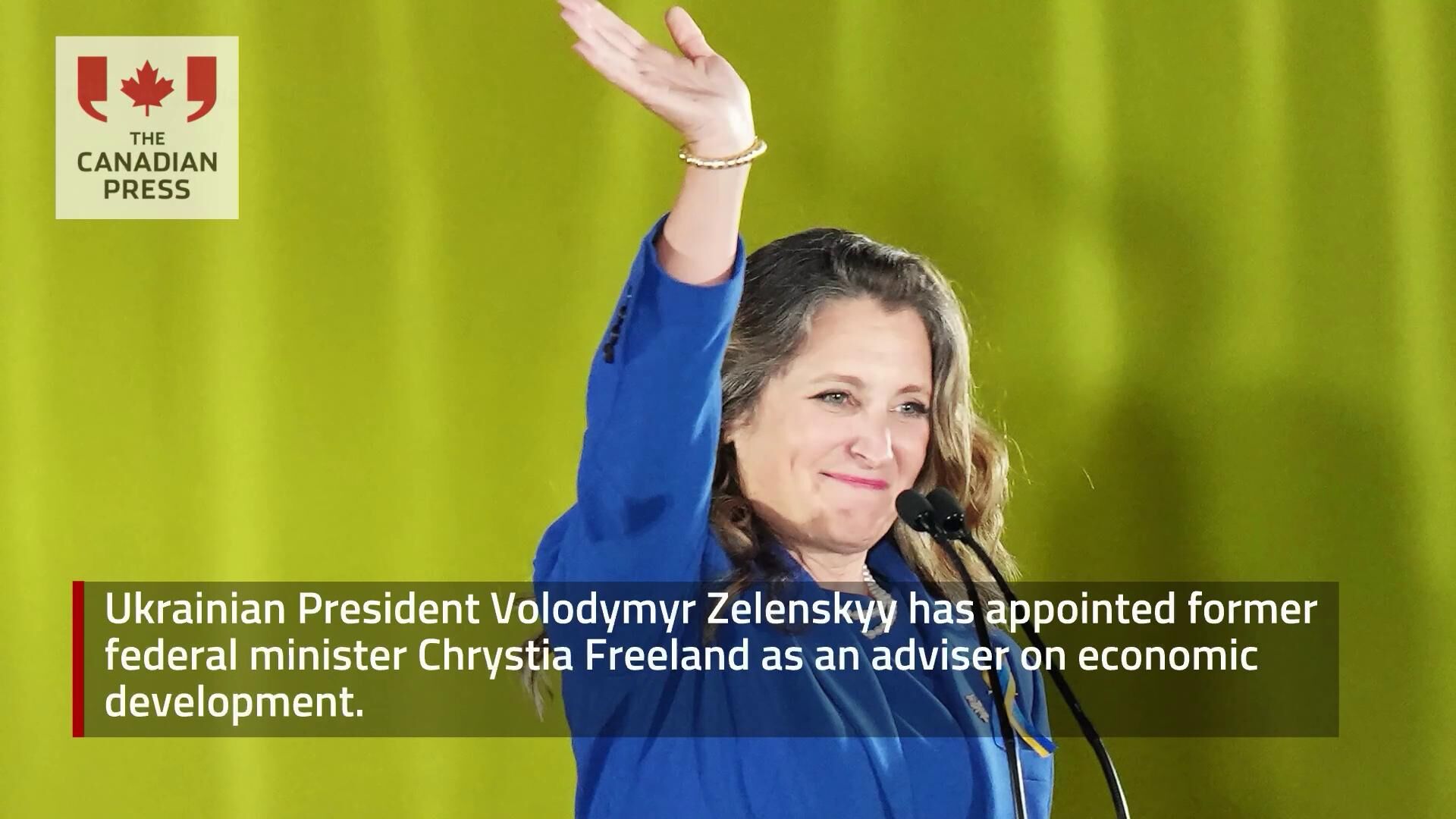
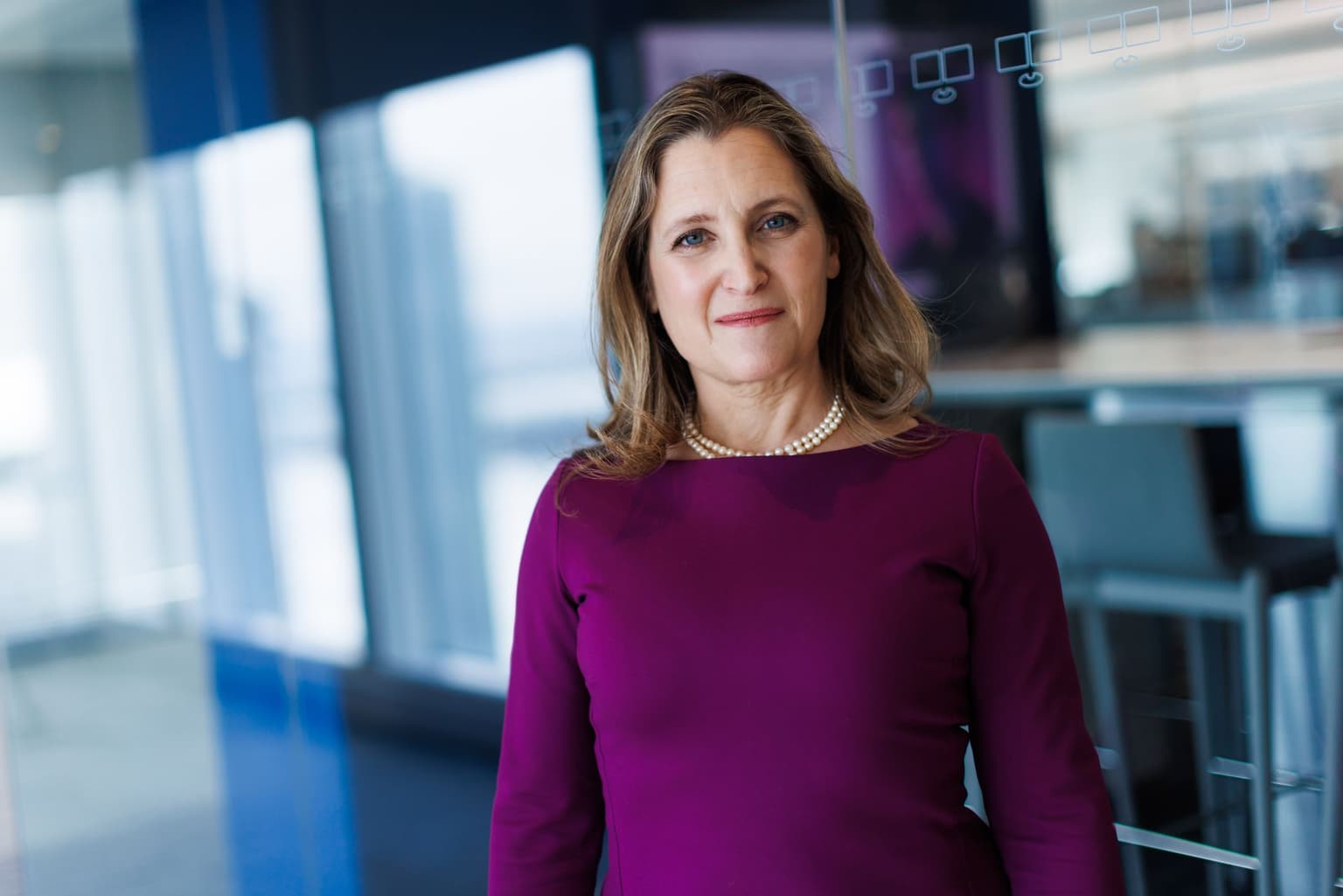
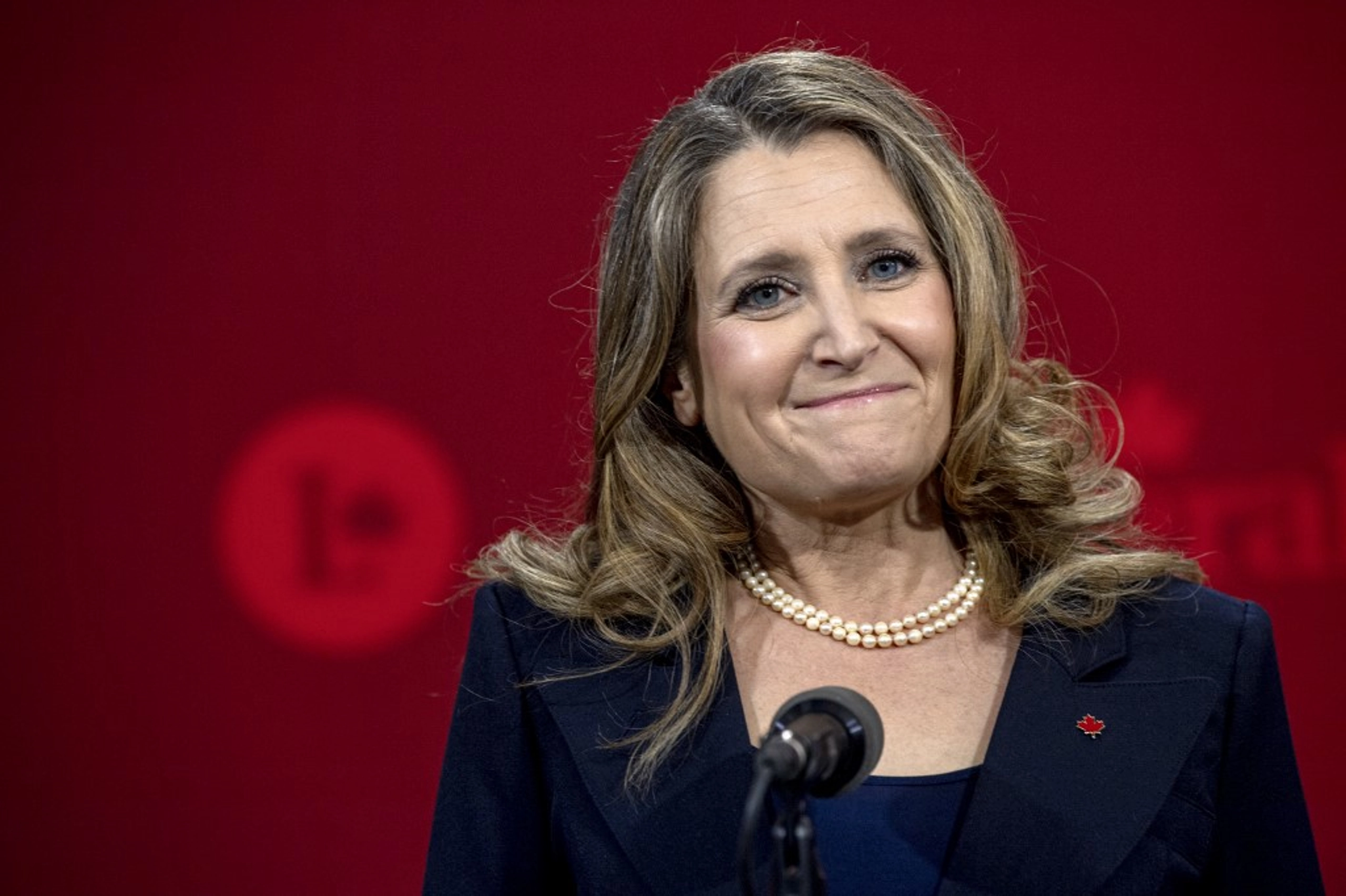
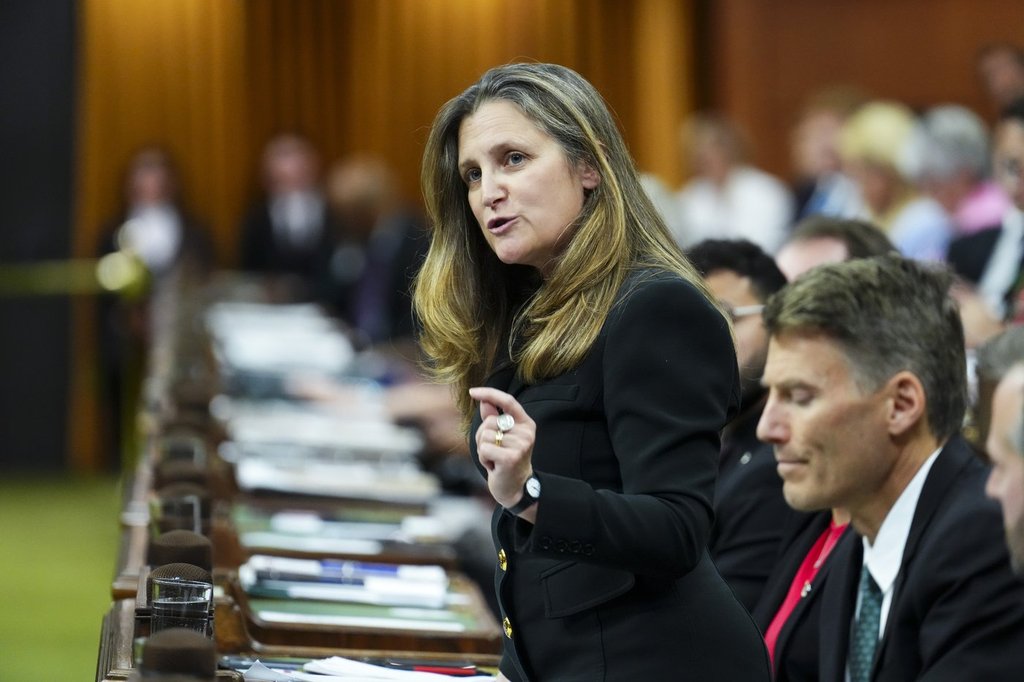
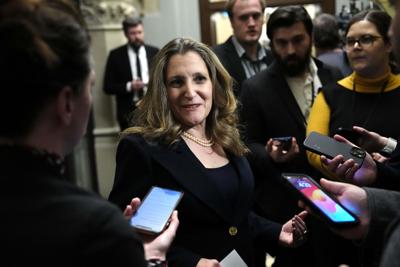
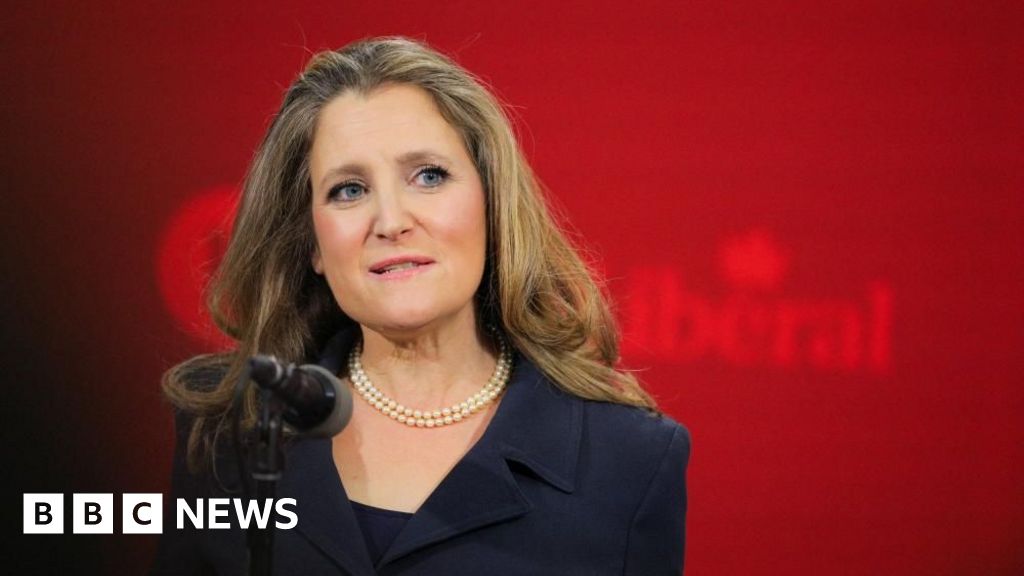
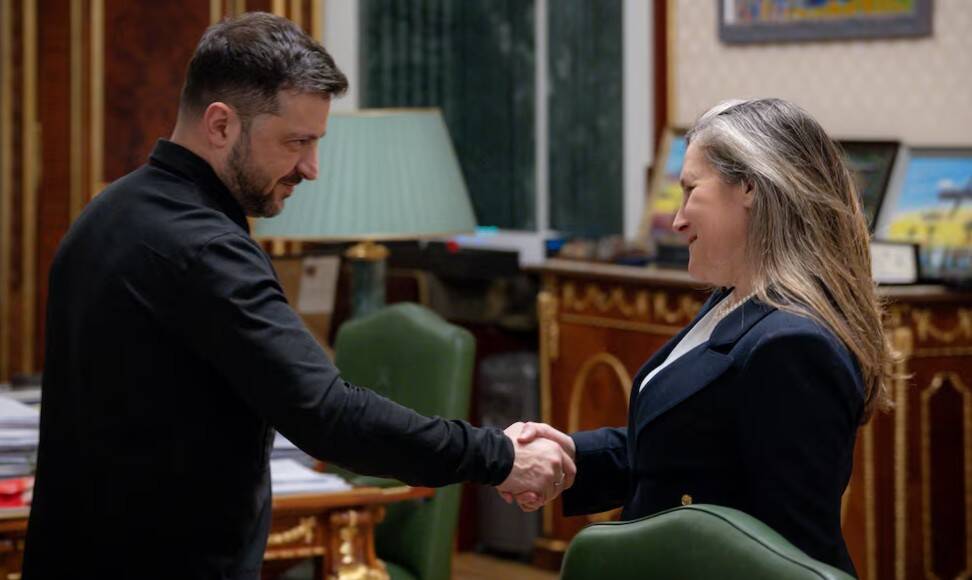
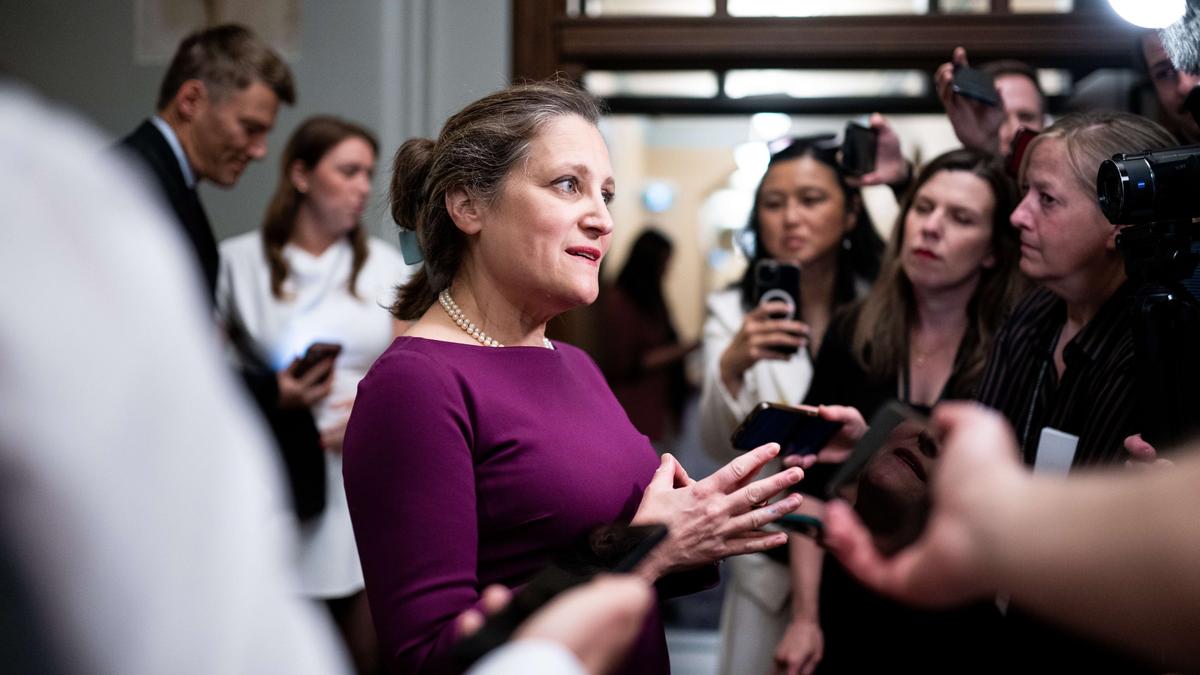
The recent transition of Chrystia Freeland from Canadian Member of Parliament to an unpaid economic adviser for Ukraine represents a pivotal moment in international diplomatic and economic engagement. This move signals a sophisticated approach to cross-border economic development and geopolitical support.
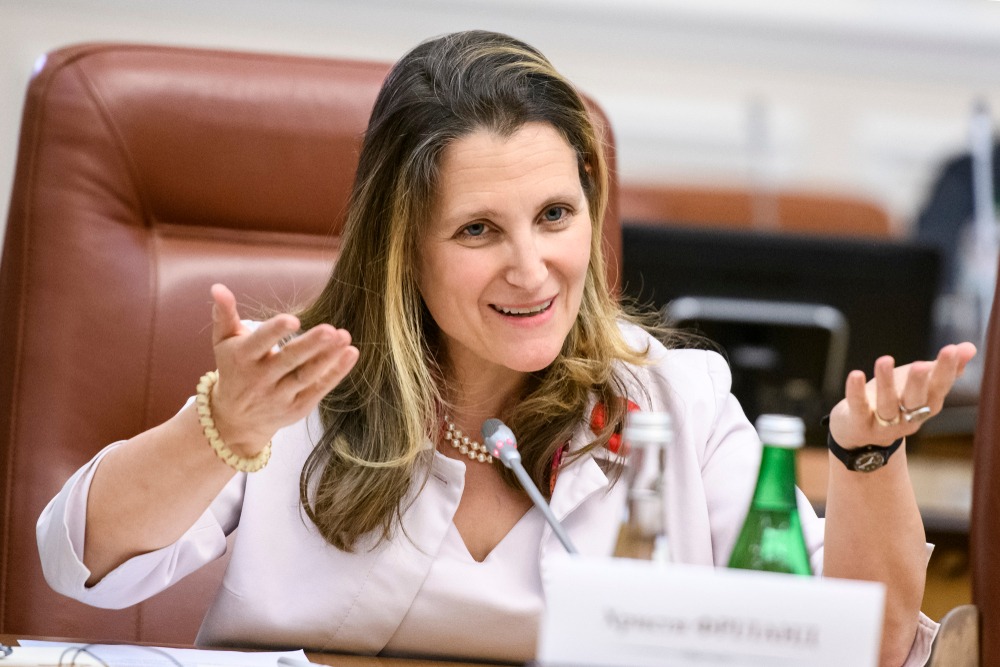
Freeland's appointment comes at a critical juncture for Ukraine's economic reconstruction, leveraging her extensive international trade expertise gained through key roles in Canadian government, including her instrumental work on the USMCA trade agreement. Her Ukrainian heritage and deep understanding of international economic policy position her uniquely to attract investment and implement transformative economic strategies for a nation navigating complex geopolitical challenges.
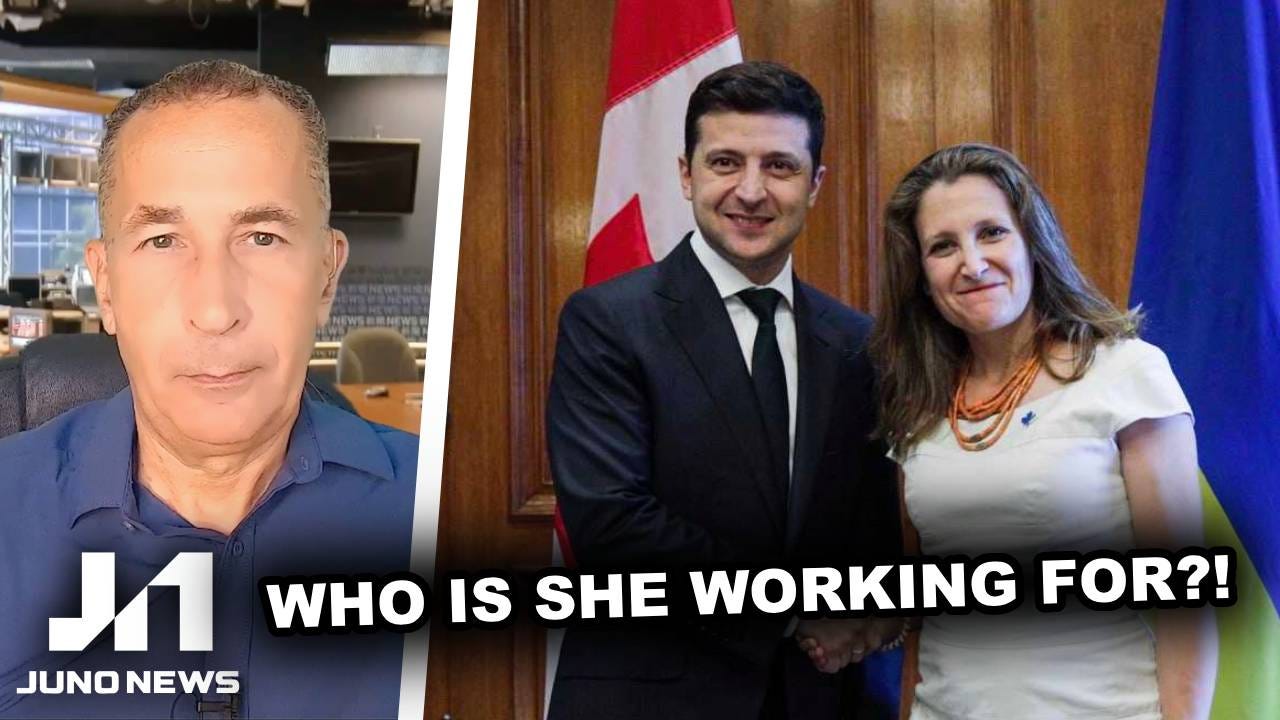
The strategic implications extend beyond traditional diplomatic roles, highlighting a new model of professional engagement where experienced policymakers can provide targeted economic advisory services. Her transition includes multiple professional shifts - becoming an unpaid adviser to President Zelensky and future CEO of the Rhodes Trust - which demonstrates a flexible approach to international public service. The move has sparked political debate in Canada, with opposition parties raising concerns about potential conflicts of interest and information access.
For cross-border sellers and international business strategists, this transition underscores the increasing importance of adaptive, expertise-driven approaches to international economic development. It signals a trend toward more fluid professional boundaries and the growing value of specialized economic advisory roles in navigating complex global market landscapes.
问题 5
Why did Chrystia Freeland resign from Canadian Parliament?
Freeland resigned to become an unpaid economic adviser to Ukrainian President Volodymyr Zelensky, leveraging her extensive international trade and economic development expertise to support Ukraine's reconstruction efforts.
How might this transition impact international economic strategies?
Her role demonstrates a new model of cross-border expertise sharing, where experienced policymakers can provide targeted economic advisory services beyond traditional diplomatic channels.