
Strategic Talent Development Revolutionizes Quick Commerce Supply Chain Ecosystem
- Instamart-YISU Partnership Transforms Retail Talent Pipeline in Emerging Markets
概览
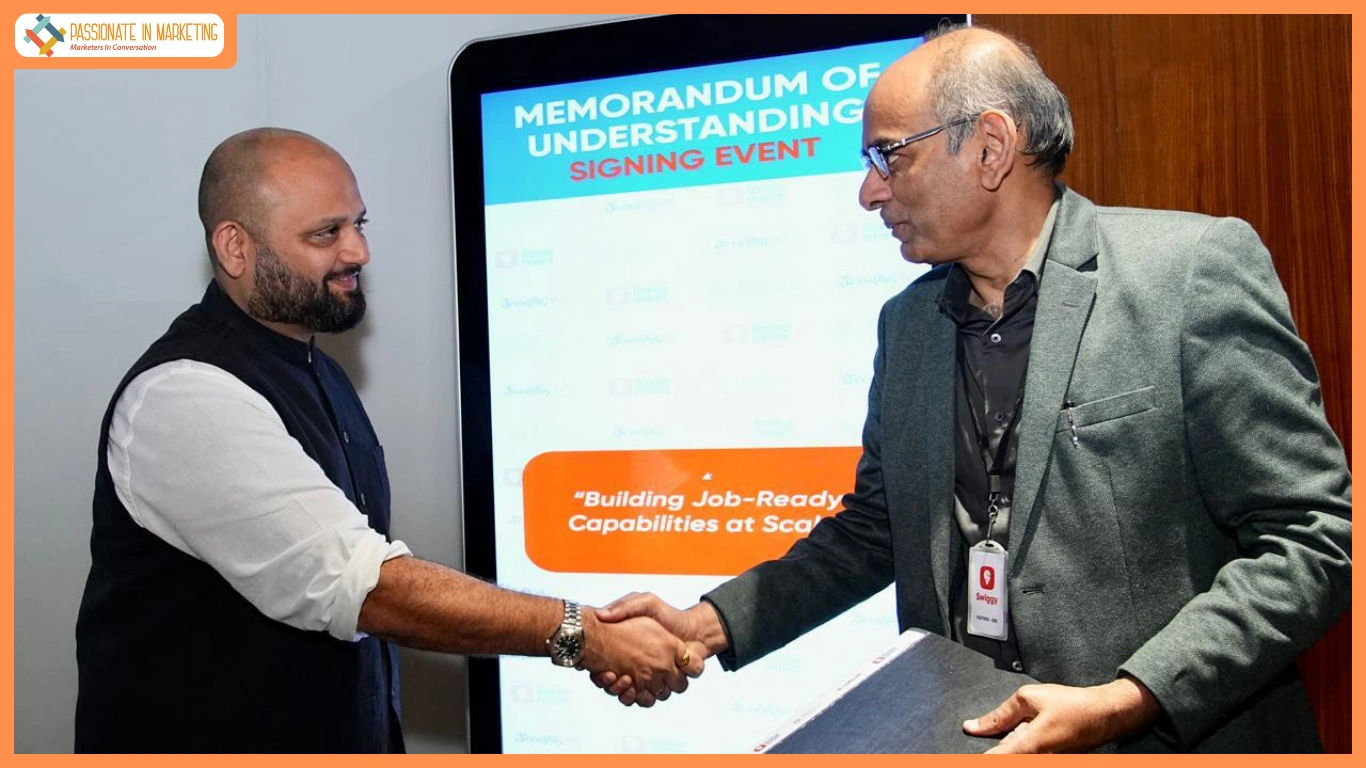
Quick commerce is undergoing a critical talent transformation through strategic workforce development initiatives that directly address the supply chain talent gap in emerging markets. The Instamart and Young India Skills University (YISU) collaboration represents a pivotal moment in addressing the growing demand for specialized logistics and retail operations professionals.
The partnership targets a systematic approach to talent creation in quick commerce, with a multi-year commitment to train over 5,000 youth in Telangana's retail technology sector. The specialized three-month learning program, announced on January 6, 2026, goes beyond traditional academic training by providing practical, systems-level understanding of critical supply chain operations. Participants will gain hands-on expertise in dark store operations, last-mile coordination, and performance metrics that are essential to modern quick commerce environments.
The initiative strategically addresses the talent pipeline challenges in expanding retail markets, particularly as quick commerce expands beyond metropolitan areas into Tier II markets. By establishing an Instamart-supported Training Lab and Centre of Excellence at YISU's Hyderabad campus, the program creates a direct pathway for operations-ready supervisors and entry-level managers. The fast-track approach to Store Manager Trainee roles demonstrates a innovative model of workforce development that directly connects education with industry needs.
The long-term implications for supply chain talent development are significant, with Girish Menon, Chief Human Resources Officer at Swiggy Ltd, positioning this as a critical investment in India's skilling ecosystem. Companies should monitor this model as a potential blueprint for addressing talent shortages in rapidly evolving logistics and retail operations. Organizations must consider similar collaborative approaches to bridge the gap between academic learning and industry-specific skill requirements.
问题 5
What is the primary goal of the Instamart-YISU partnership?
The partnership aims to train over 5,000 youth in quick commerce and supply chain operations, creating a specialized three-month program that bridges academic learning with practical industry skills, focusing on dark store operations and last-mile coordination in Telangana's retail technology sector.
How does this training program address talent gaps in quick commerce?
The program provides participants with practical, systems-level understanding of store execution and performance metrics, fast-tracking successful candidates into Store Manager Trainee roles. It directly responds to the growing demand for skilled professionals in logistics and retail operations.