


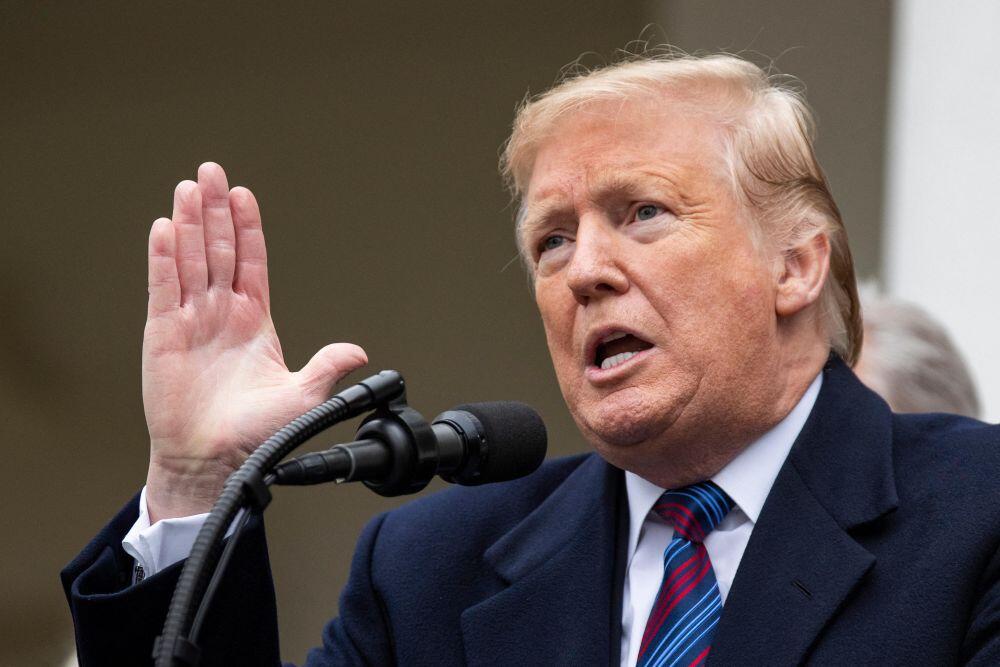
Defense Sector Transformation | $1.5T Budget Impact
- Disrupting $50B Government Contracts for 10,000+ Defense Suppliers
























概览
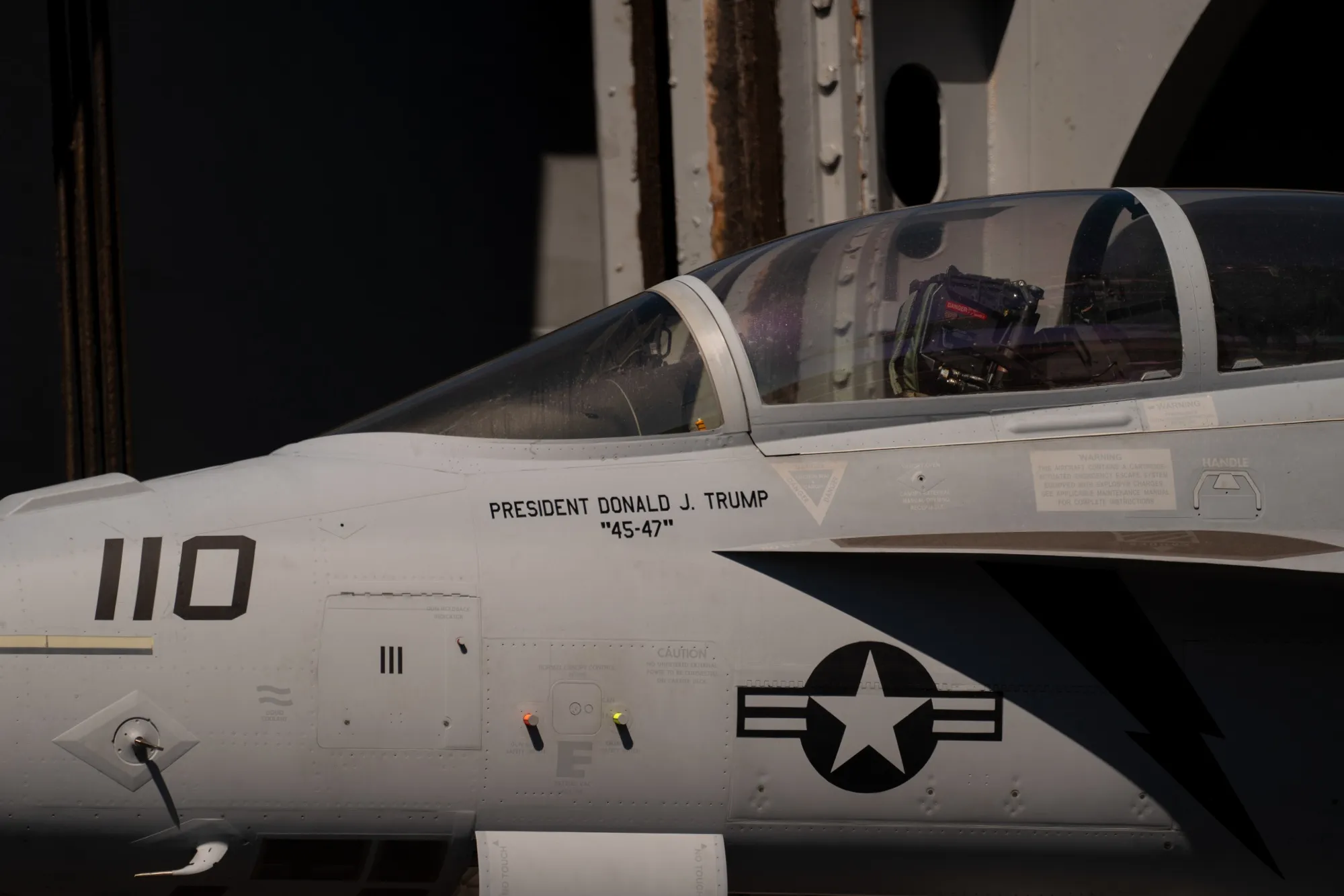
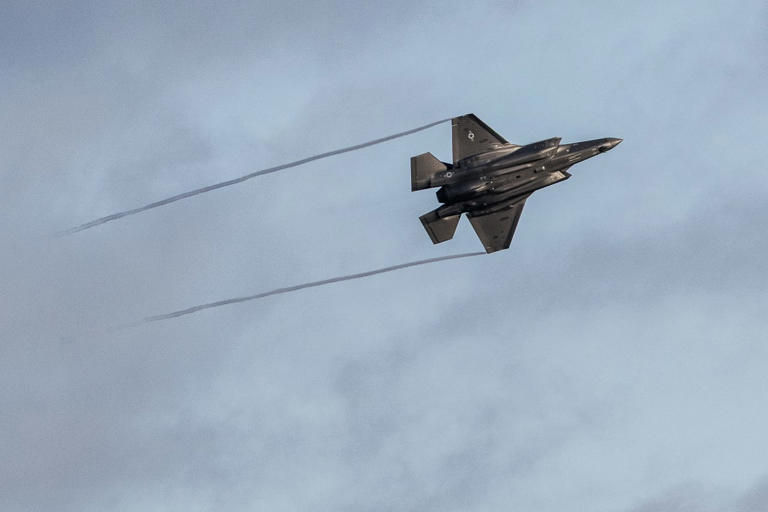
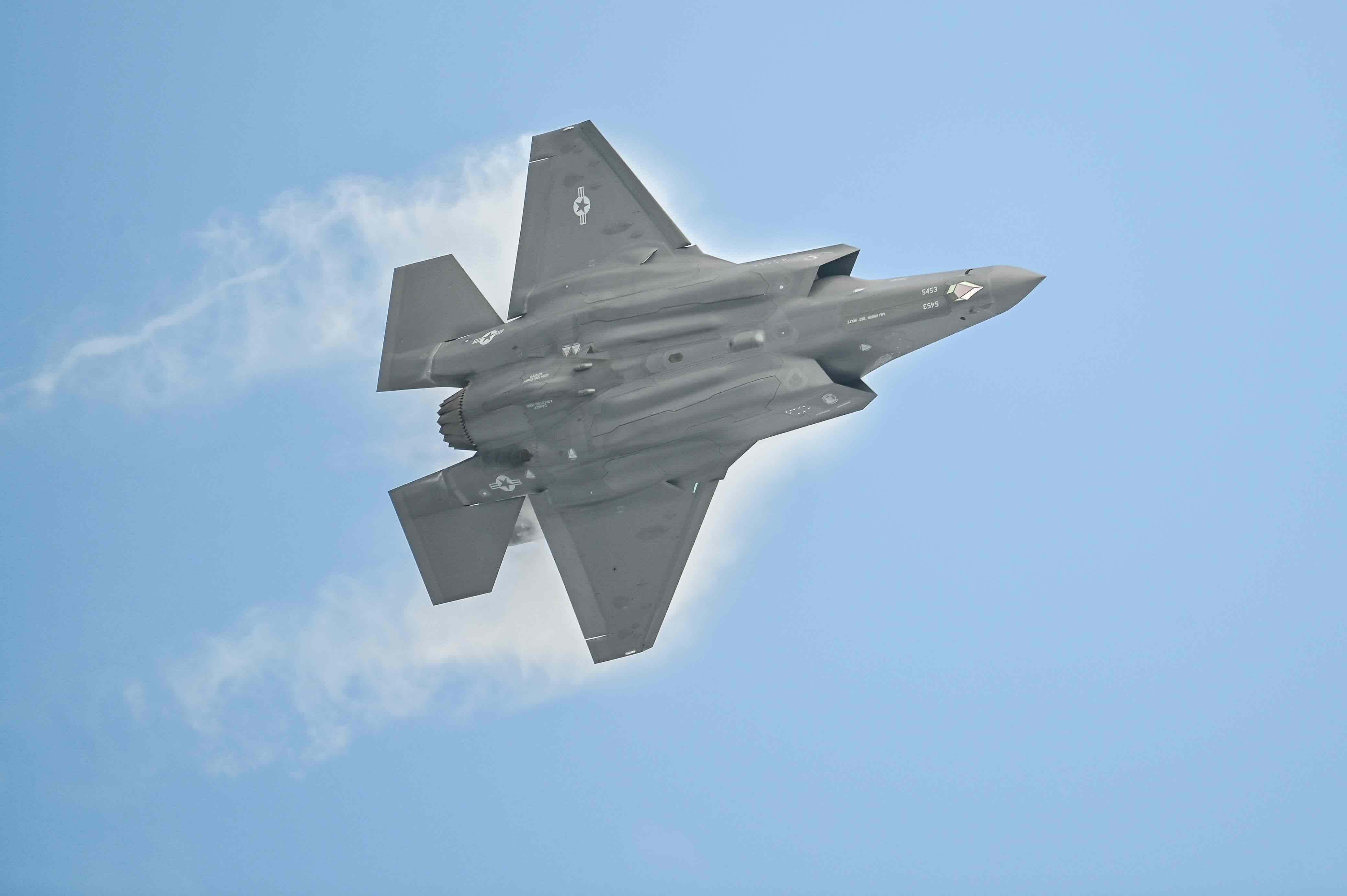
The U.S. defense sector is experiencing a radical restructuring under potential Trump 2.0 policies, with unprecedented government intervention targeting defense contractors' financial practices and production strategies. The proposed $1.5 trillion military budget represents a 50% increase that comes with stringent performance requirements, fundamentally reshaping how defense companies operate.
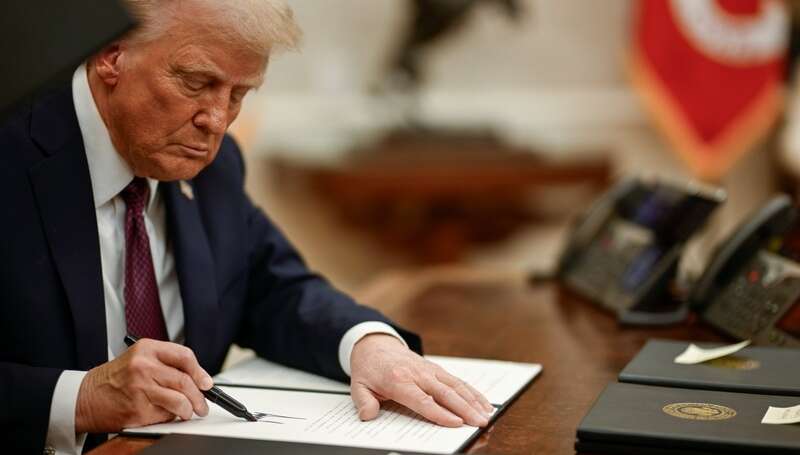
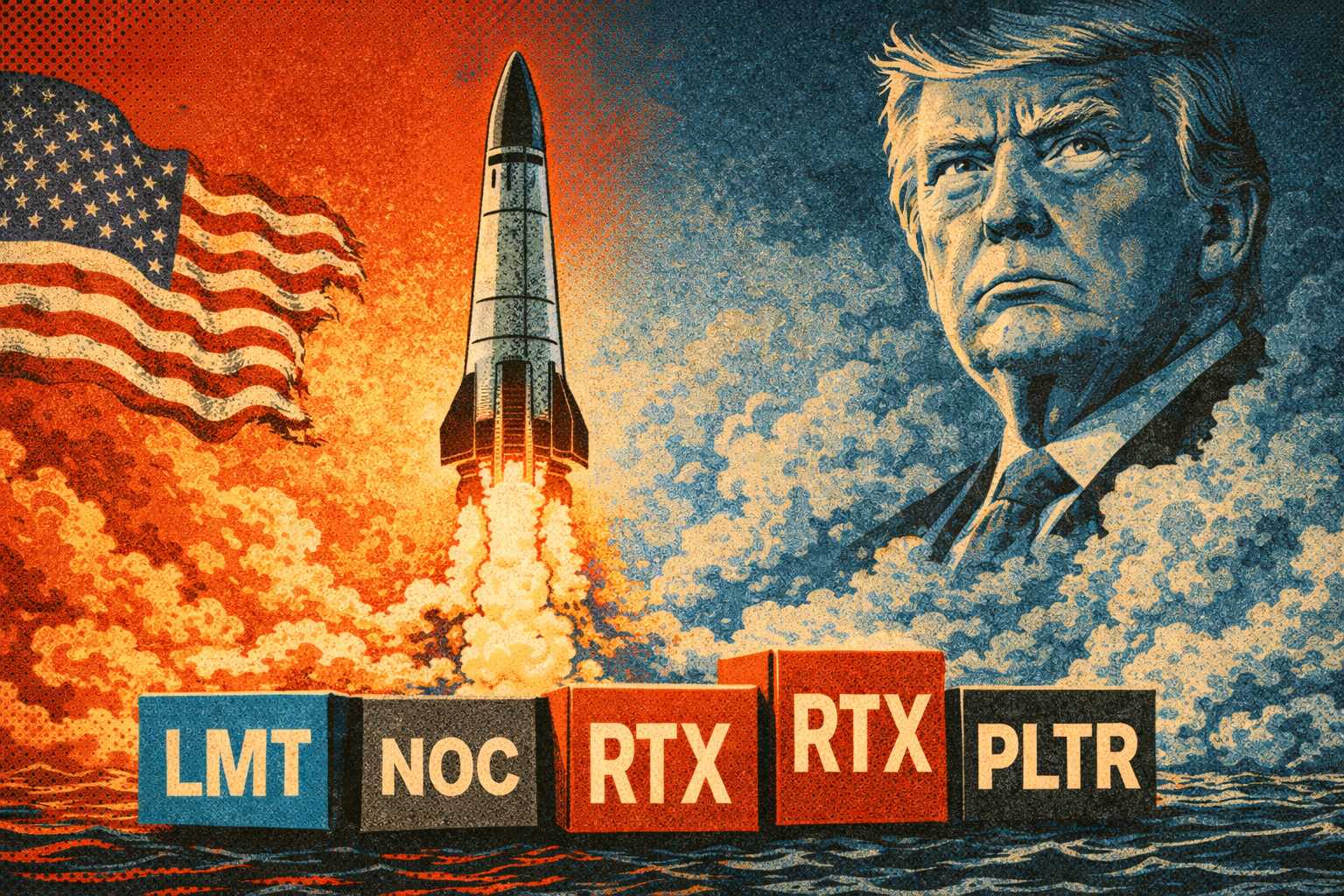
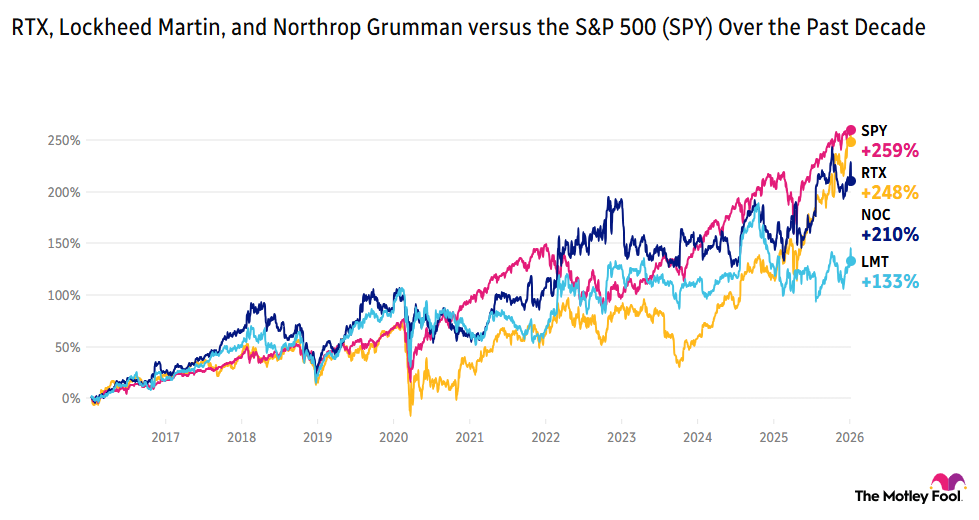
Key Strategic Shifts for Defense Contractors: The executive order "Prioritizing the Warfighter in Defense Contracting" introduces revolutionary constraints, directly linking executive compensation to weapons delivery performance. Major defense firms like Lockheed Martin, RTX, General Dynamics, and Northrop Grumman face immediate challenges:
- Executive pay capped at $5 million
- Mandatory reinvestment in manufacturing facilities
- Performance-based contract renewals
- Reduced stock buybacks and dividend distributions
Market Implications: The policy signals a transformative approach to government-contractor relationships, moving from traditional financial metrics to national security-driven performance evaluations. The $50 billion RTX contract and proposed budget demonstrate a "carrot and stick" strategy that prioritizes military readiness over short-term financial gains.
Investor and Operational Impact:
- Defense stocks experienced immediate volatility
- Potential shift from value to growth-oriented investment segment
- Increased scrutiny on production efficiency
- Mandatory 15-day remediation plans for underperforming contractors
This unprecedented intervention reflects a broader strategy of direct government management in critical national security industries, creating a high-stakes environment where compliance and national priority alignment become paramount for survival.
问题 5
What are the key enforcement mechanisms in the new policy?
The policy introduces strict enforcement, including mandatory 15-day remediation plans, potential contract terminations, and a requirement for companies to submit board-approved performance improvement strategies within 30 days of assessment.
Which defense companies are most impacted by these new regulations?
Major defense contractors like Lockheed Martin, RTX (Raytheon), General Dynamics, and Northrop Grumman are facing the most significant scrutiny. These companies will need to dramatically adjust their investment, production, and compensation strategies.