




Student Loan Crisis: The Unraveling of Financial Mobility for a Generation
- Mounting Debt Pressures Reshape Economic Opportunities for Millions of Borrowers




概览
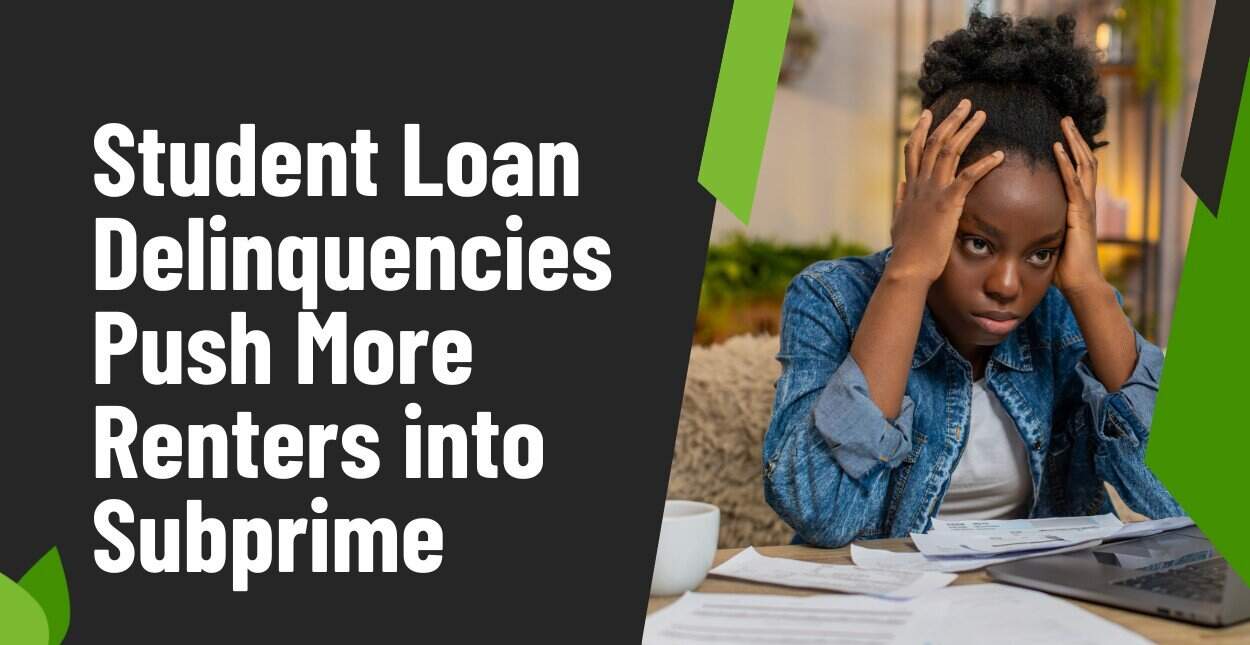
The student loan ecosystem is experiencing a profound structural transformation that threatens financial stability for millions of Americans. With approximately 44 million borrowers facing increasingly complex repayment landscapes, the system is revealing deep systemic vulnerabilities that extend far beyond simple debt obligations.
Default rates have become a critical economic indicator, with one in five borrowers missing payments in 2025—a stark escalation from pre-pandemic levels. The Financial Stability Oversight Council's data reveals student loan defaults have doubled, creating a potential $270 billion economic pressure point that could significantly impact consumer spending and economic mobility.
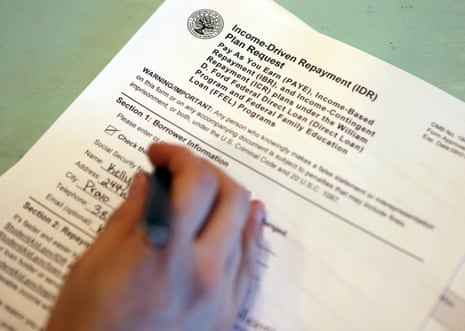
The current repayment environment is characterized by unprecedented complexity. The Biden administration's SAVE plan has been blocked, leaving borrowers with limited relief options. The Income-Based Repayment (IBR) plan remains the primary affordable pathway, allowing borrowers to pay 10-15% of discretionary income. However, this still represents a substantial financial burden, especially for younger professionals navigating high-cost urban environments.
Critically, the borrower landscape is not monolithic. PYMNTS Intelligence research reveals four distinct borrower personas: payoff believers (40%), education loyalists (23%), education regretters (25%), and dissatisfied earners (12%). This segmentation highlights the nuanced economic and psychological impacts of student debt.
Despite financial challenges, a remarkable 63% of borrowers would make the same educational decisions again—suggesting an underlying belief in education's long-term value. Yet, the immediate economic constraints are undeniable: 71% of Americans with education debt live paycheck-to-paycheck, with nearly 20% citing education expenses as a primary budget constraint.
The implications extend beyond individual financial stress. Student loan dynamics are reshaping broader economic behaviors, from holiday spending to retirement planning. Over 52% report their debt affects retirement savings, while 45% see impacts on housing plans—creating a cascading effect of deferred economic milestones.
Proactive navigation has never been more critical. Borrowers must thoroughly understand available relief programs, from Public Service Loan Forgiveness to emerging Repayment Assistance Plans, to mitigate potential financial strain.
问题 3
What repayment options remain available for student loan borrowers?
The Income-Based Repayment (IBR) plan is currently the primary option, allowing borrowers to pay 10-15% of discretionary income. After July 1, 2026, a new Repayment Assistance Plan (RAP) will offer payments ranging from 1-10% of earnings.
What are the primary challenges facing student loan borrowers in 2025?
Borrowers face multiple challenges including high default rates (1 in 5 missed payments), complex repayment systems, blocked relief programs like SAVE, and significant financial constraints that impact retirement, housing, and discretionary spending.