




Terror at Bondi Beach: The Unraveling of Community Safety and Antisemitic Violence
- A Tragic Turning Point in Australian Societal Resilience and Security Paradigms






















概览
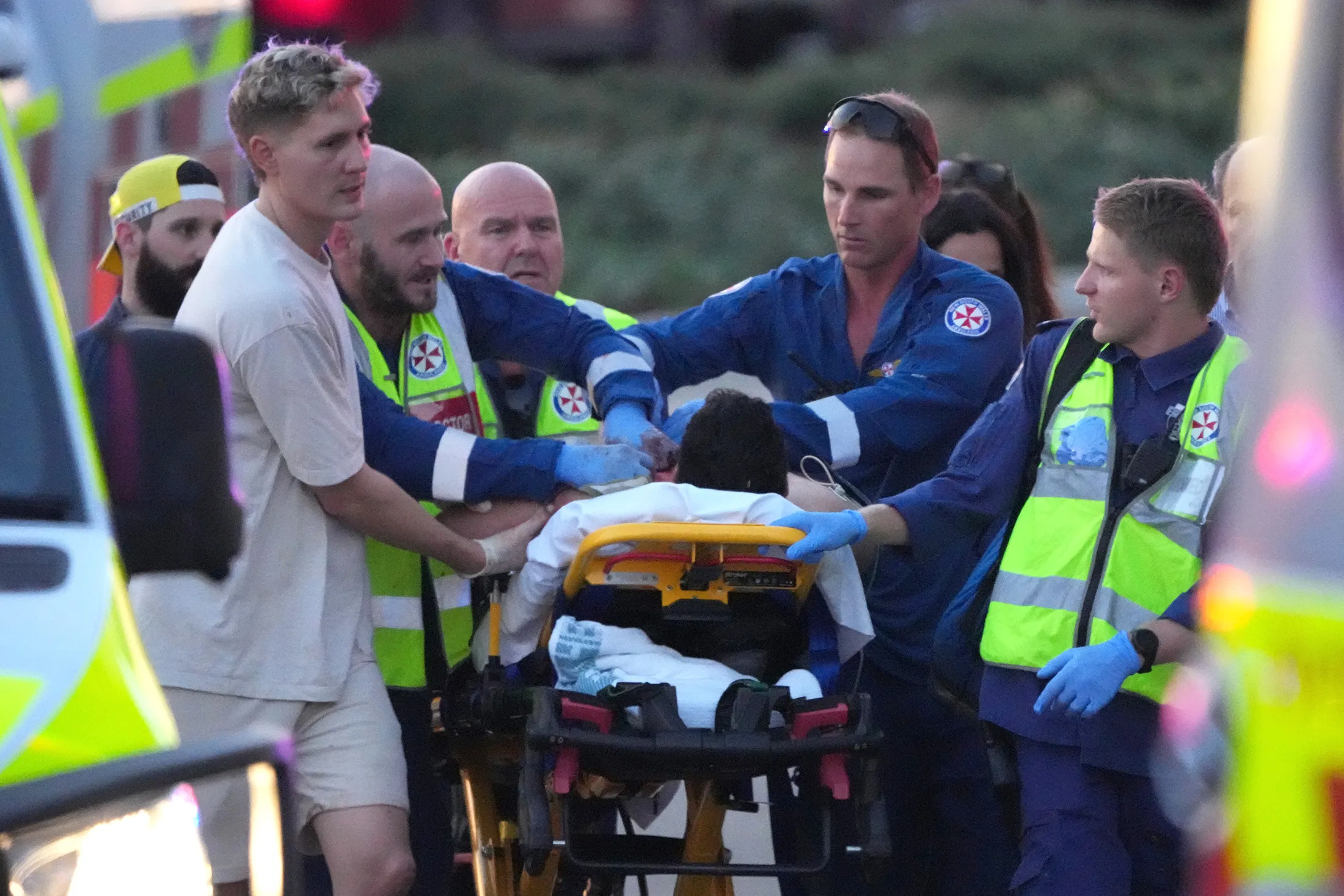
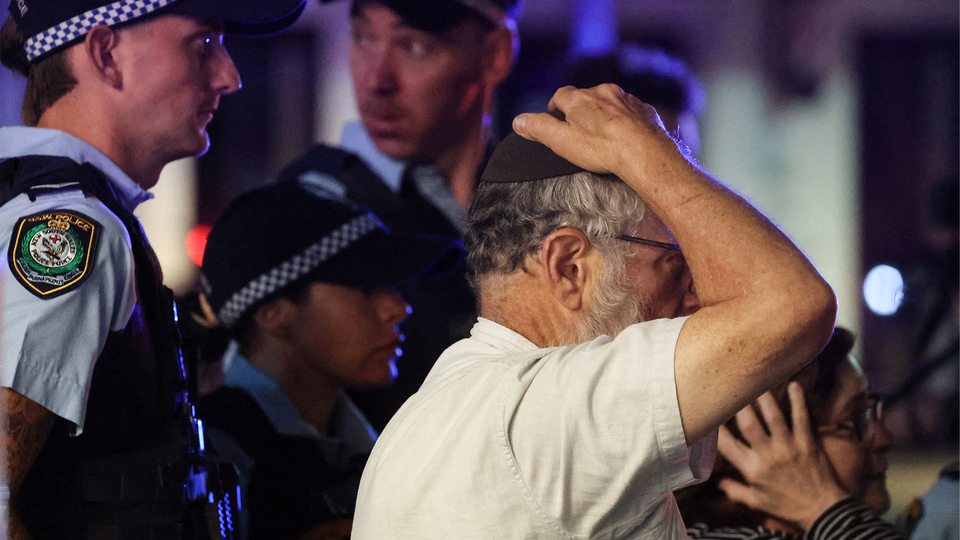
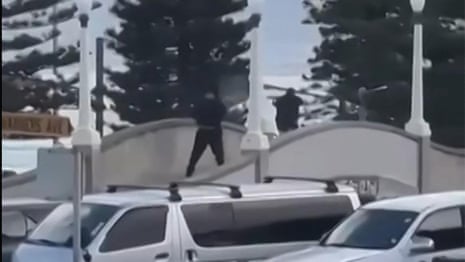
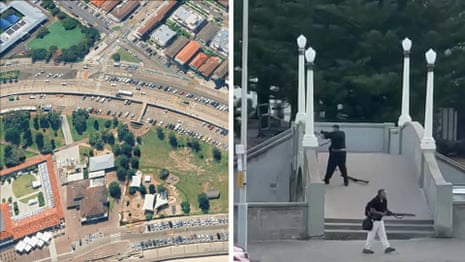
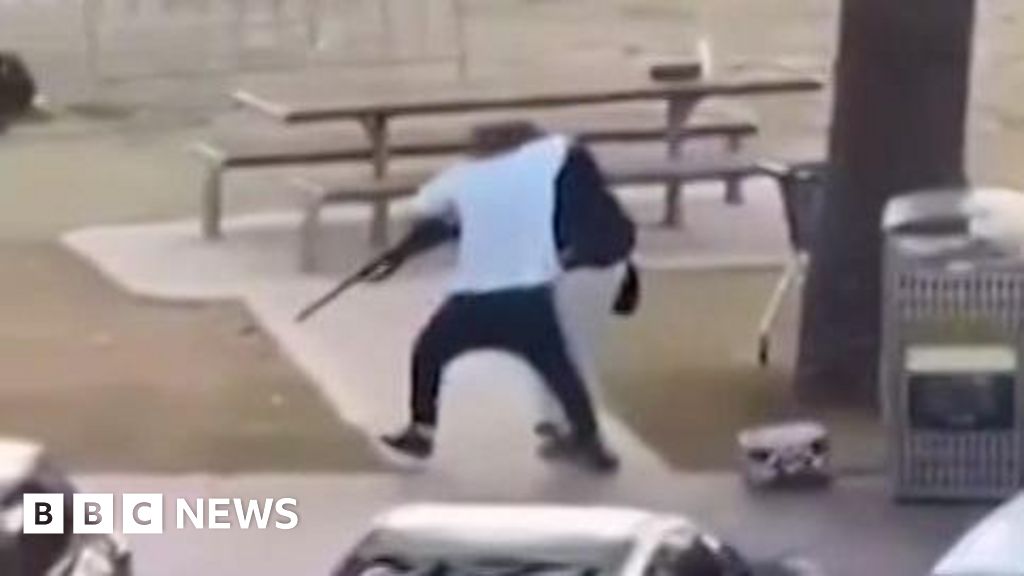
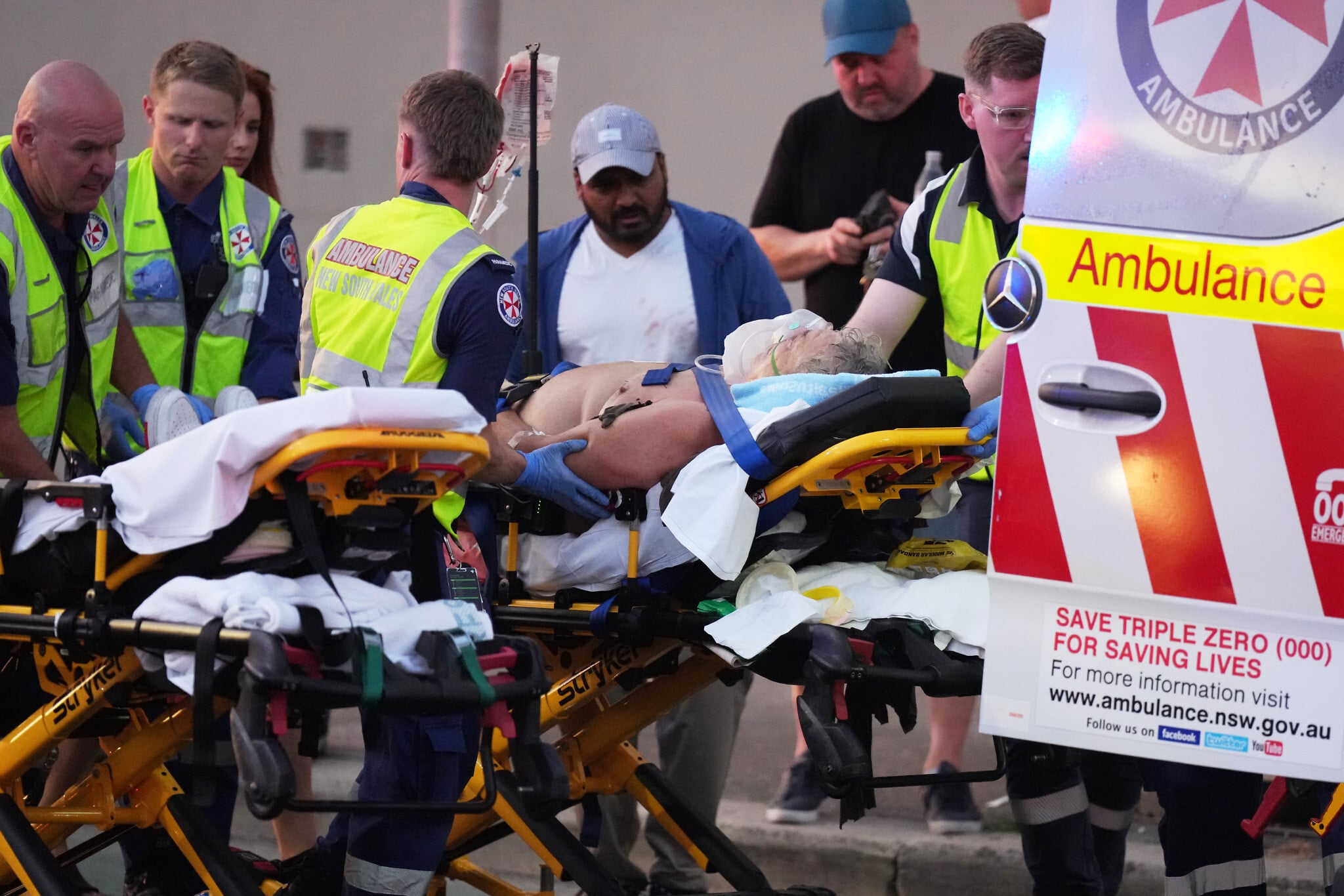
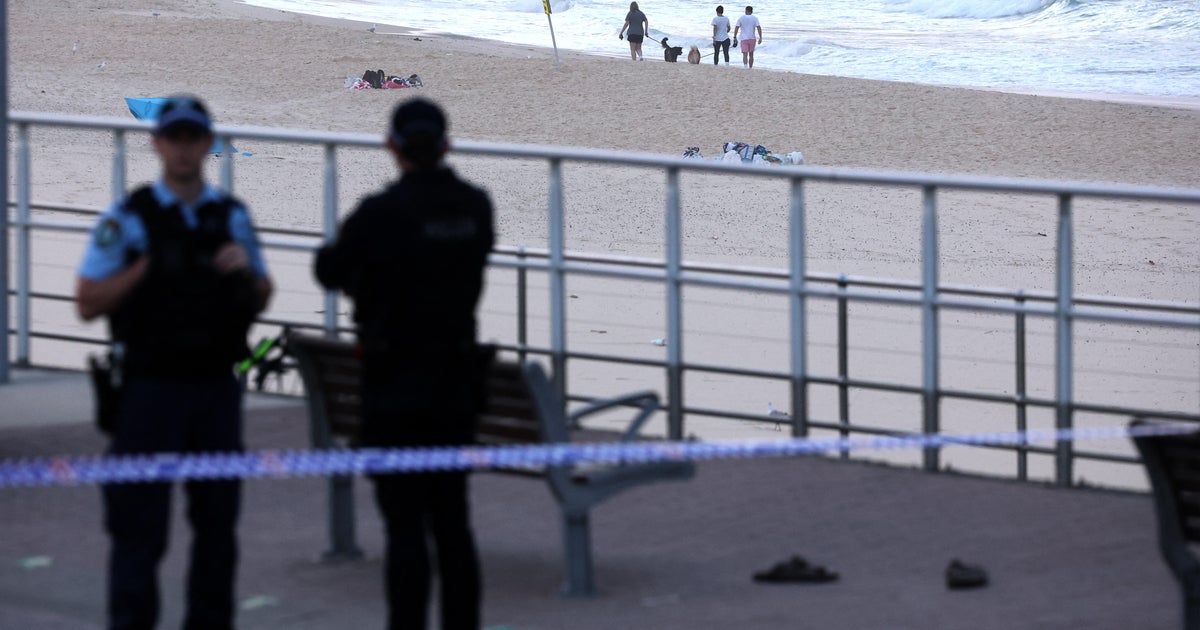
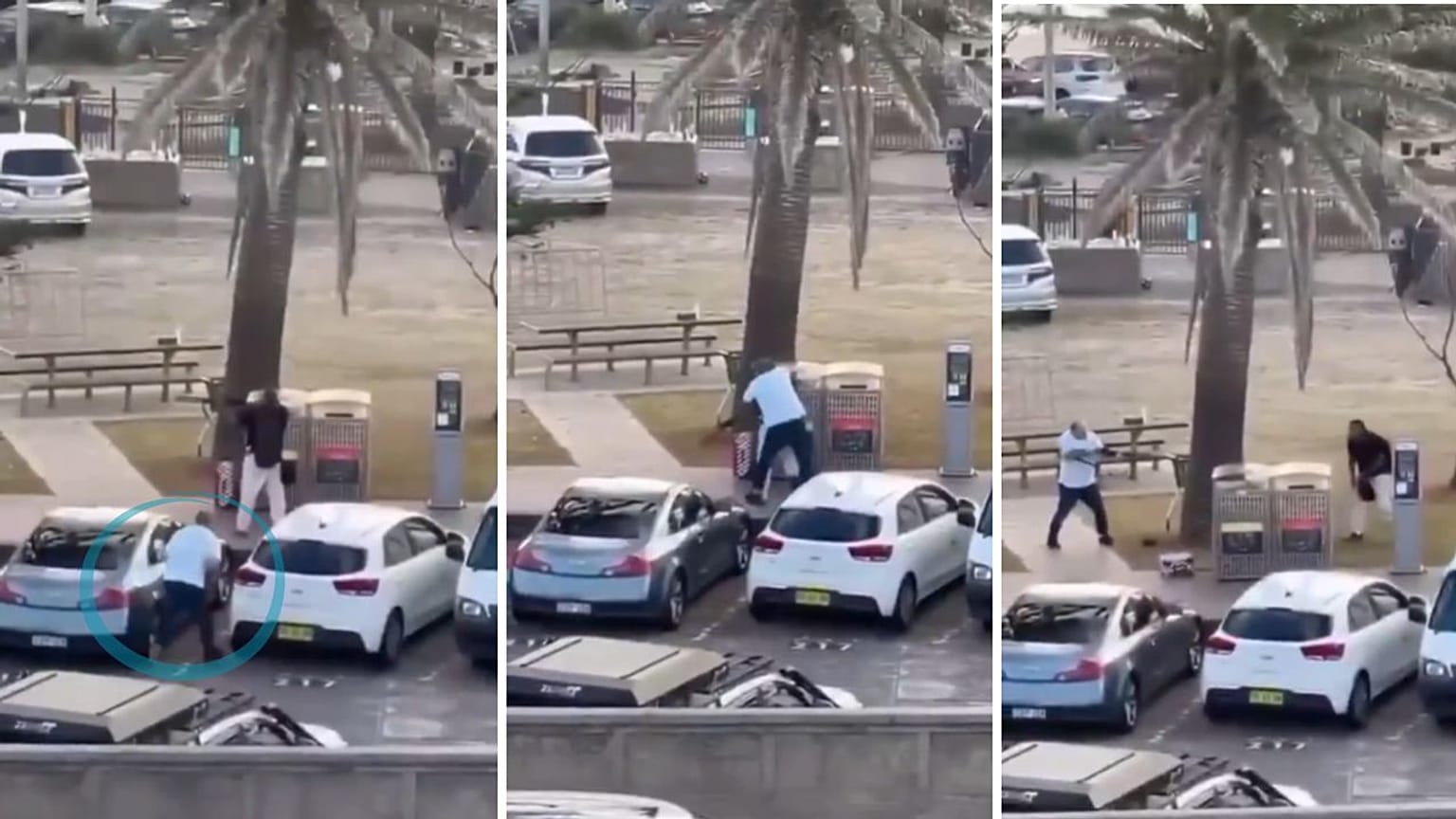
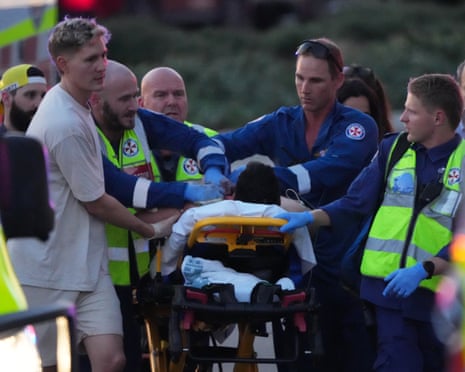
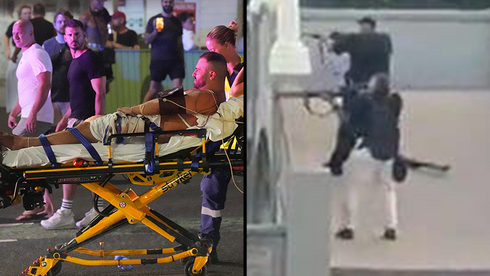
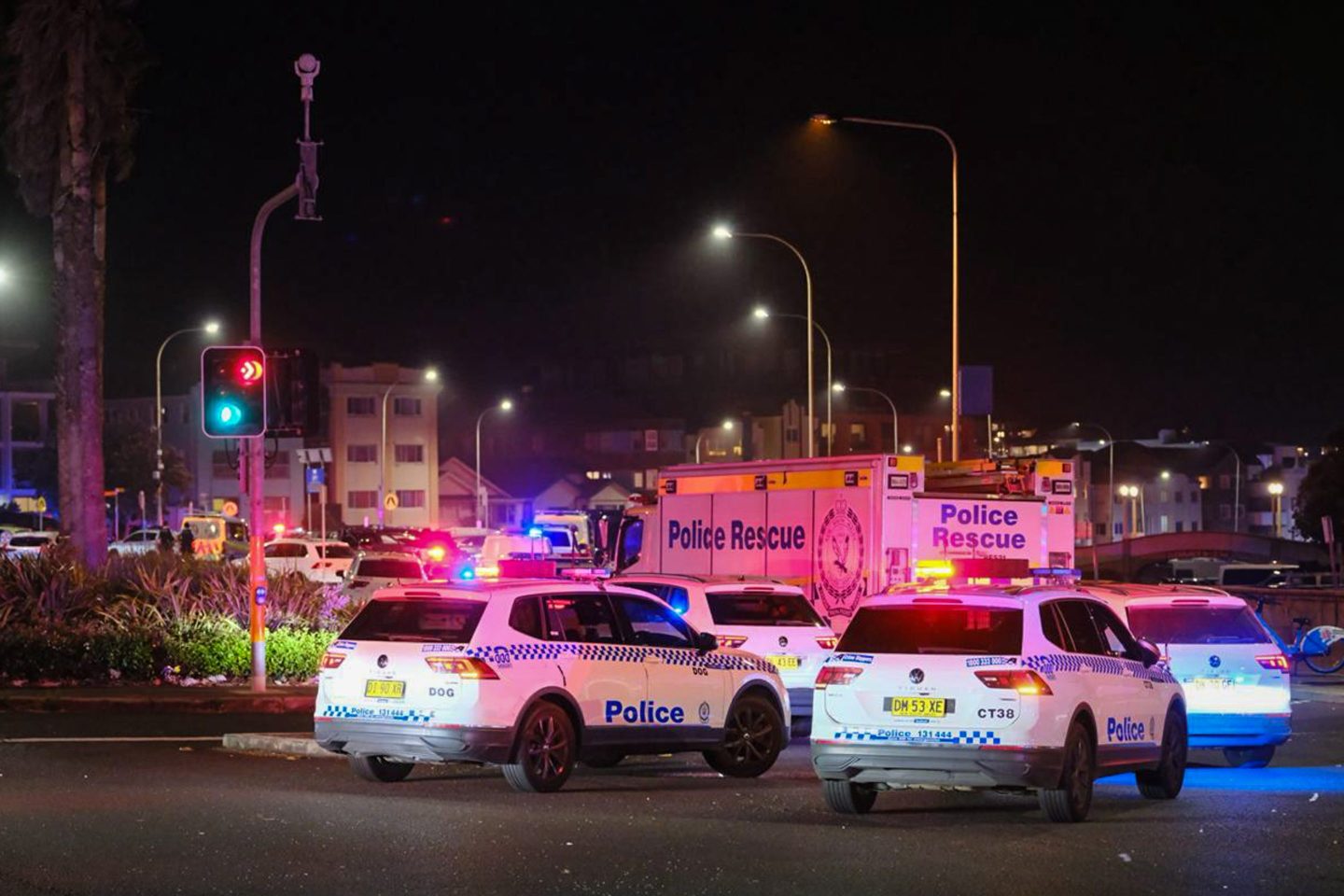
The Bondi Beach terror attack represents a catastrophic moment that exposes deep-seated vulnerabilities in Australia's social fabric and security infrastructure. On December 14, 2025, a father-son duo unleashed unprecedented violence during a Jewish Hanukkah celebration, killing 16 people and hospitalizing 40, fundamentally shattering the perception of community safety.
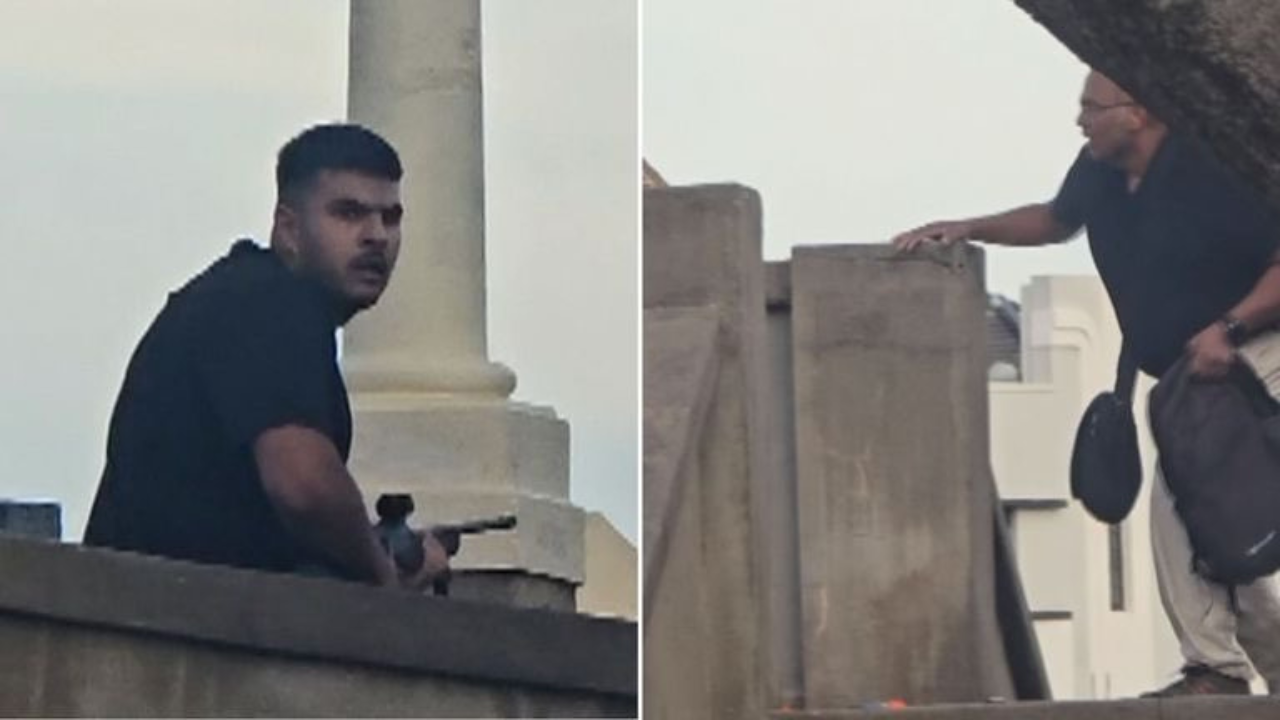
Strategic Implications of the Attack: The incident reveals multiple critical systemic failures. Naveed Akram (24) and his father Sajid Akram (50) exploited legal firearm licensing mechanisms, highlighting profound intelligence and regulatory gaps. Despite Naveed's previous investigation by Australian Security Intelligence Organisation (ASIO) in 2019, he was deemed non-threatening—a catastrophic misjudgment that enabled this tragedy.
Geopolitical and Social Tension Indicators: The attack transcends a singular violent event, signaling a broader pattern of rising antisemitic violence with international reverberations. Rabbi Schmaya Krinsky's strong condemnation of Australia's perceived 'inaction' underscores growing global tensions within Jewish communities. The targeted nature of the attack—specifically killing Jewish community leaders like Rabbis Eli Schlanger and Yaakov Levitan—suggests a calculated assault on cultural identity.
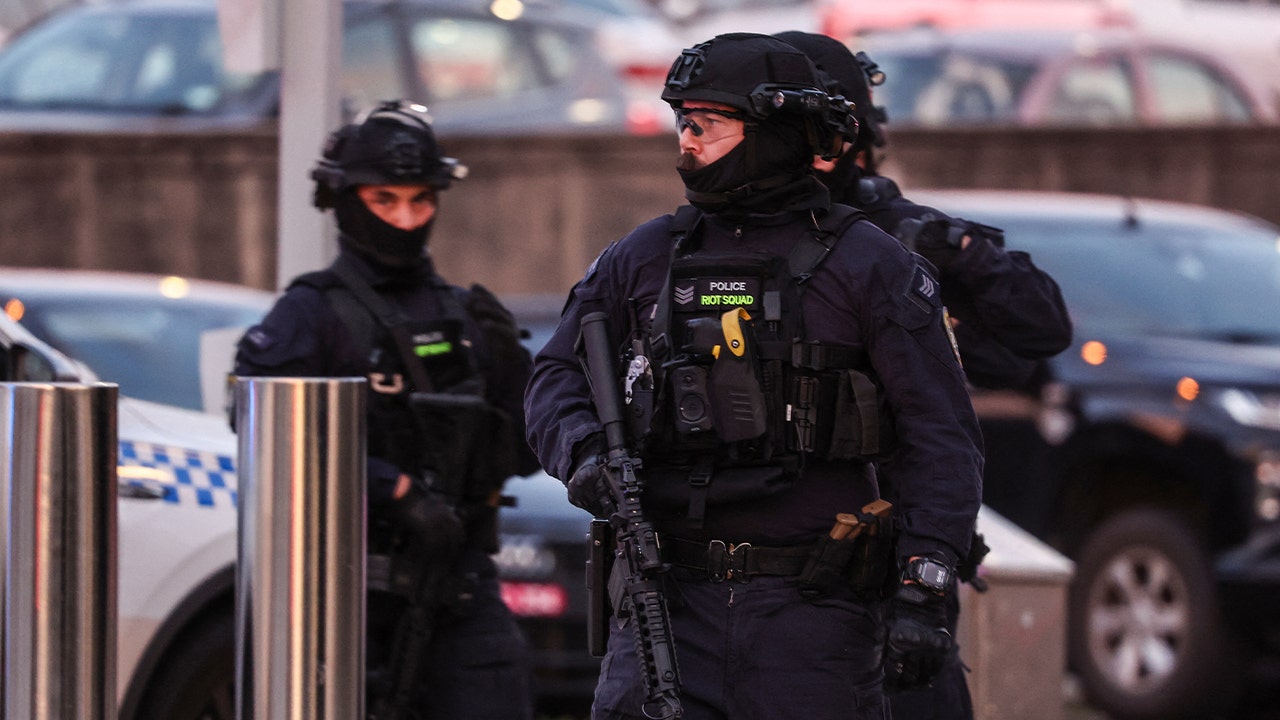
Institutional Response and Future Trajectory: Immediate political reactions, including Shadow Attorney-General Andrew Wallace's call for firearms control and NSW Premier Chris Minns' indication of imminent legislative modifications, demonstrate a recognition of systemic vulnerabilities. The incident has transformed public discourse, compelling urgent discussions about community resilience, interfaith solidarity, and comprehensive counterterrorism strategies.
Long-term Societal Impact: This tragedy represents more than a security breach—it's a profound psychological inflection point for Australian society. The shock waves will likely trigger comprehensive reviews of intelligence protocols, firearms licensing, and community integration strategies. Religious leaders like Sheikh Adam Ismail's strong condemnation signals a potential path toward collective healing and rejection of extremist ideologies.
The Bondi Beach attack is not just an isolated incident but a critical moment revealing the complex intersections of community safety, cultural tensions, and the ongoing global challenge of combating antisemitism and radicalization.
问题 4
What broader implications does this attack have for community safety?
The attack exposes significant intelligence and security gaps, highlighting the need for more robust screening processes, improved community integration strategies, and a comprehensive approach to identifying and mitigating potential radicalization risks.
What are the immediate political and legislative responses to the attack?
NSW Premier Chris Minns has indicated that legislative modifications to gun laws are almost certain. Shadow Attorney-General Andrew Wallace called for leadership on firearms control and antisemitism, drawing parallels to historical gun law reforms like those following the Port Arthur massacre.