



Cross-Border E-Commerce: Navigating Geopolitical Disruption in 2025
- Strategic Implications for 75K+ International Sellers Across 12 Market Corridors






















)











概览
The emerging geopolitical landscape represents a critical inflection point for cross-border e-commerce sellers, with the U.S. National Security Strategy signaling a fundamental realignment of international trade dynamics. Sellers must prepare for a more fragmented, sovereignty-driven global marketplace.
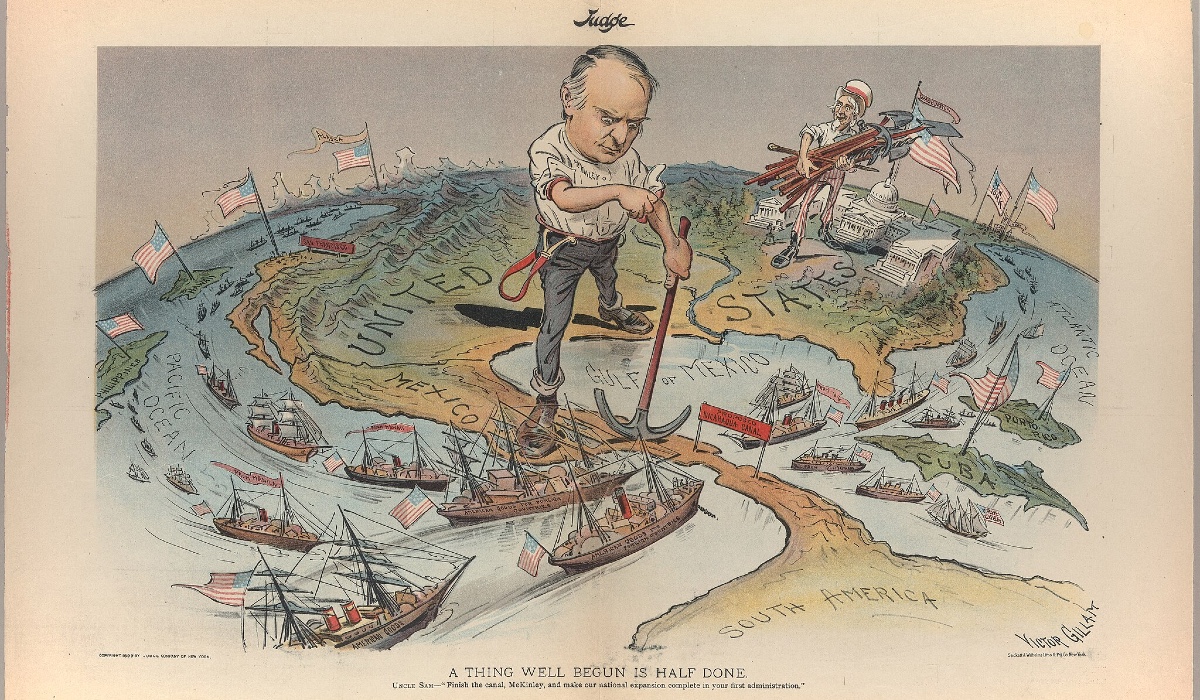
The December NSS document reveals a strategic pivot away from multilateral frameworks, emphasizing nation-state interests that will dramatically reshape cross-border commerce. Key implications include increased regulatory complexity, potential market access restrictions, and a more protectionist trade environment. Specifically, the muscular reassertion of the Monroe Doctrine suggests heightened barriers for sellers operating in Latin American and Asian markets.
For e-commerce businesses, this geopolitical reconfiguration demands immediate strategic adaptation. Sellers should anticipate:
- More stringent compliance requirements across market entry points
- Potential 15-25% increase in cross-border operational costs
- Enhanced due diligence for international supply chain relationships
- Greater emphasis on regional market-specific strategies
The geopolitical uncertainty creates both challenges and opportunities. Agile sellers who can rapidly reconfigure their market approach – diversifying supply chains, localizing market strategies, and maintaining flexible logistics networks – will gain significant competitive advantages. The most successful cross-border sellers will treat these geopolitical shifts not as obstacles, but as strategic inflection points for market differentiation.
问题 4
How will Trump's new world order impact cross-border e-commerce sellers?
The new geopolitical approach will likely increase compliance complexity, potentially raising operational costs by 15-25% and requiring more sophisticated market entry strategies. Sellers must develop more localized, region-specific approaches to maintain market access.
What specific challenges should international e-commerce sellers anticipate?
Sellers should prepare for more stringent trade regulations, potential market access restrictions in Latin America and Asia, increased documentation requirements, and a need for more flexible supply chain configurations.