




Cross-Border Sellers: Asia Geopolitical Shifts Impact Market Dynamics
- Diplomatic Tensions Create 12-18% Supply Chain Recalibration Opportunities
















概览
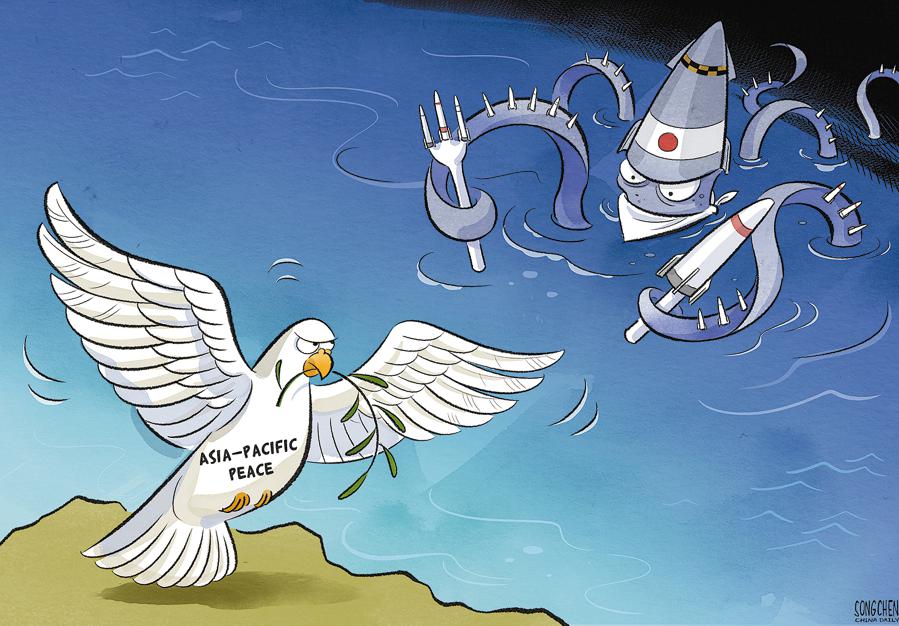
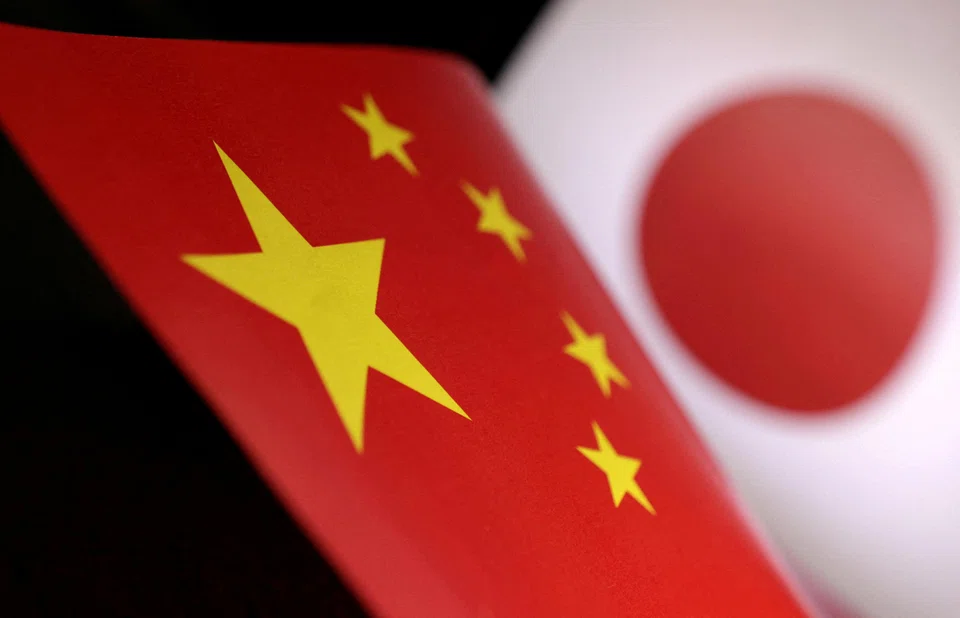
Geopolitical Tensions Between China and Japan Reveal Critical E-Commerce Transformation Signals
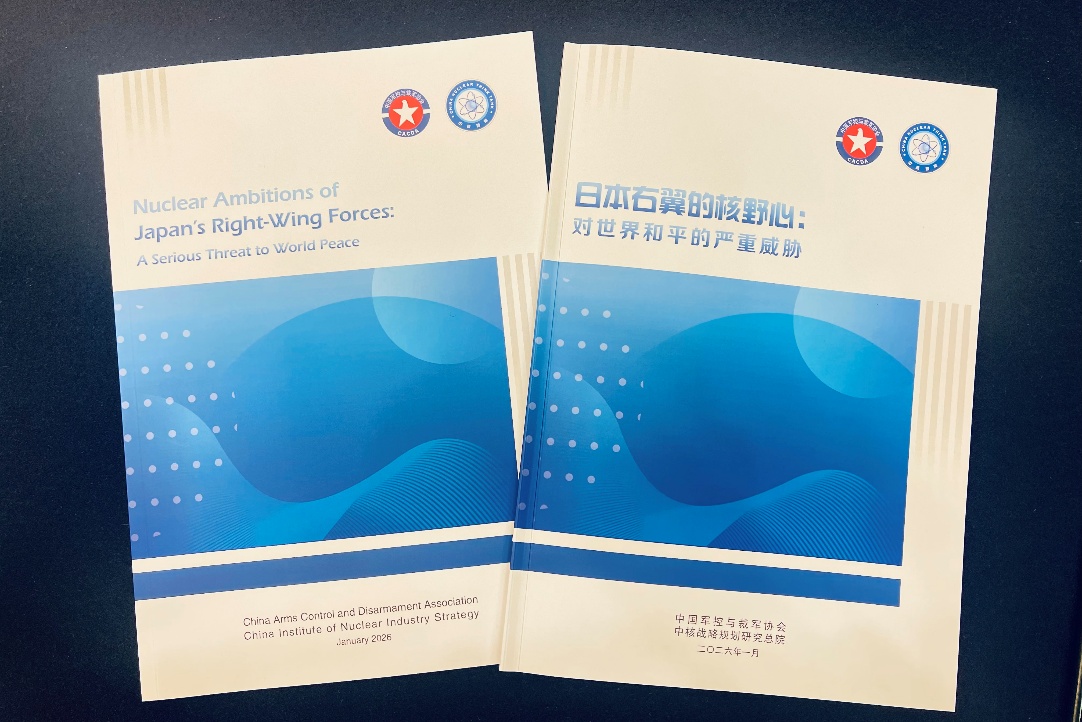
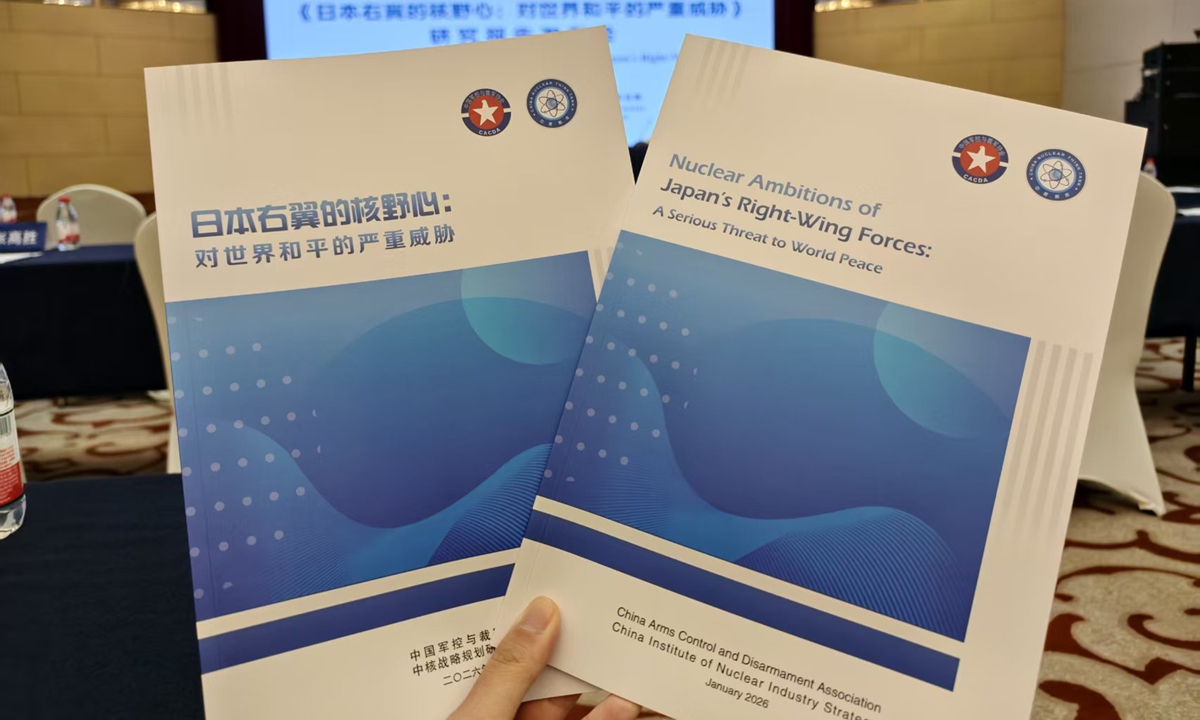
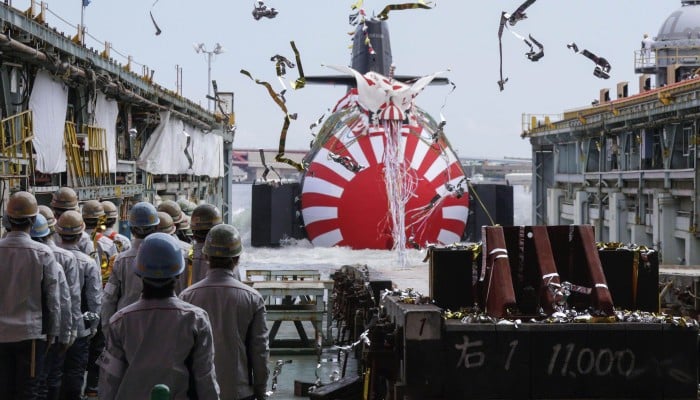
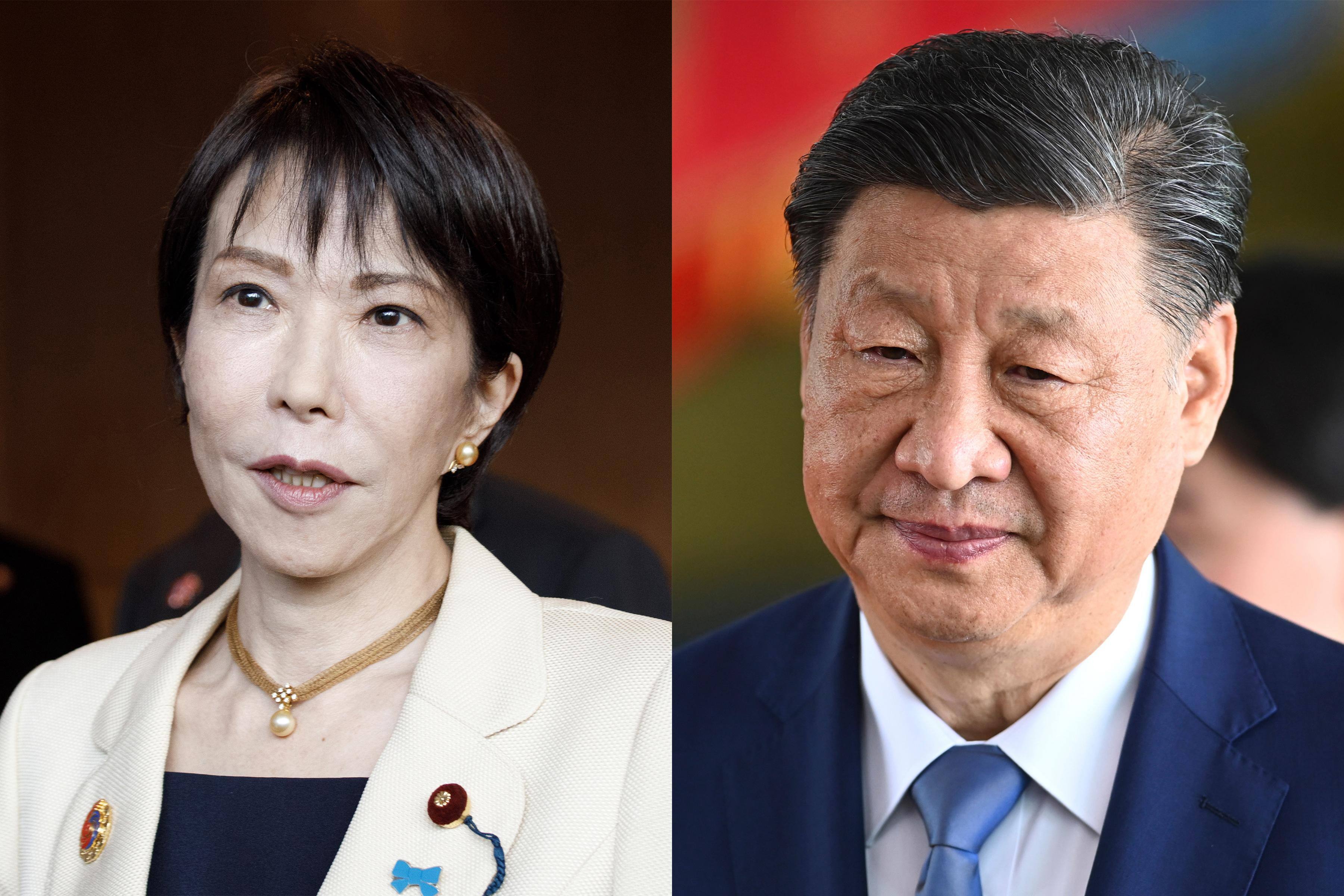
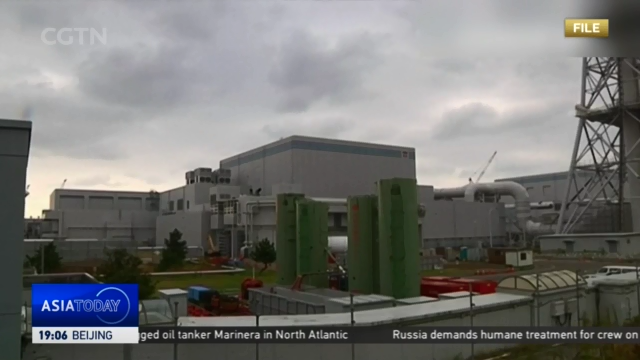
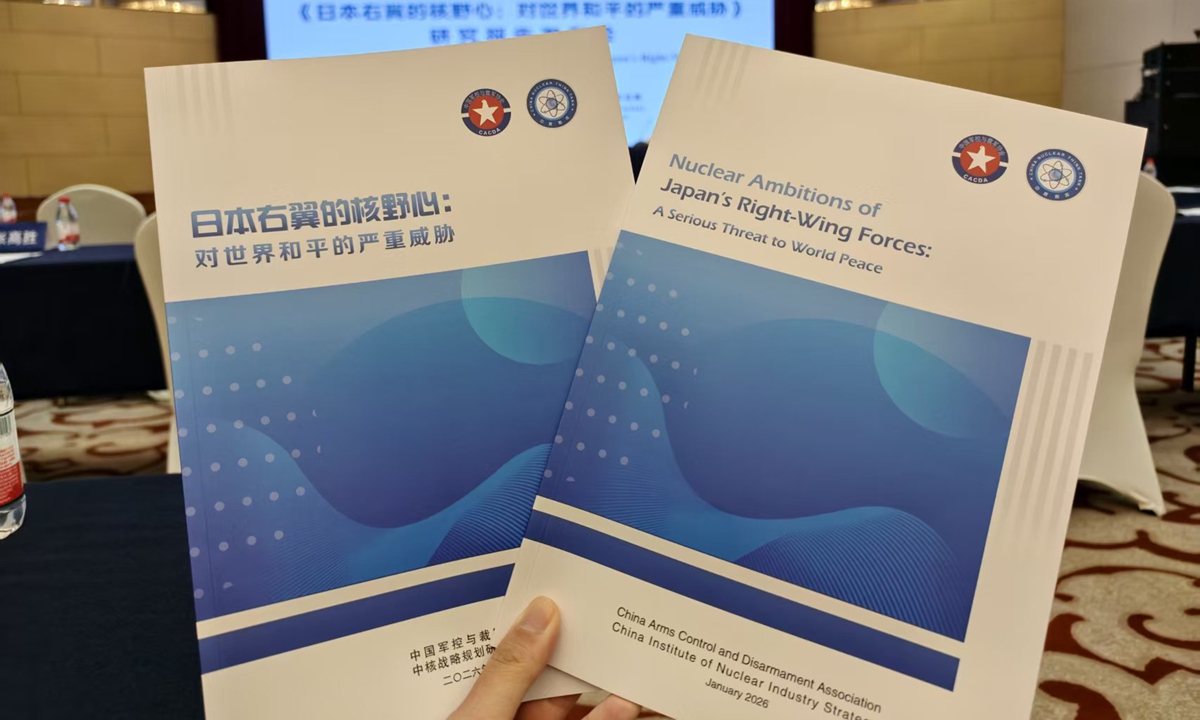
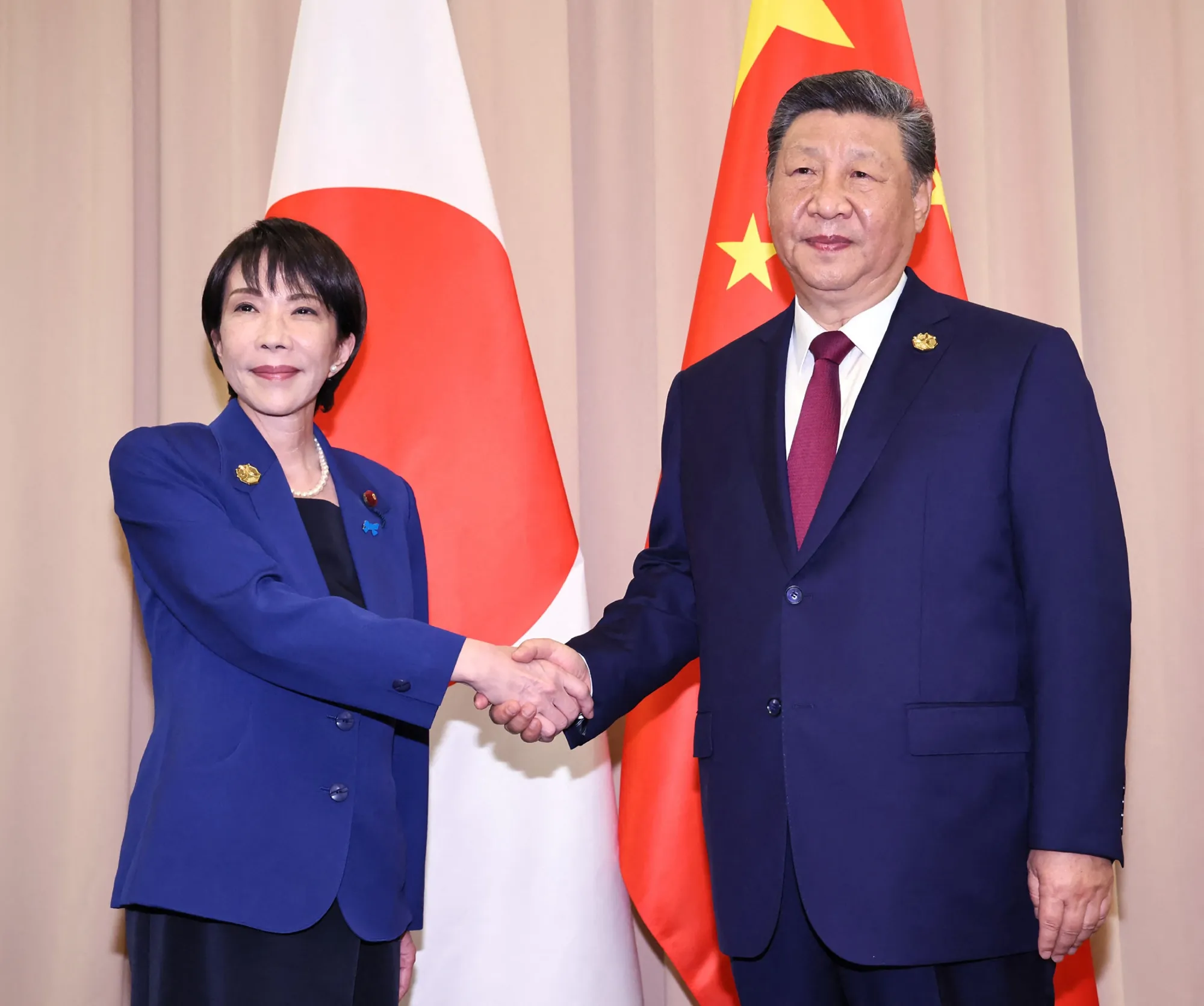
The escalating diplomatic friction between China and Japan represents more than a political narrative—it signals profound cross-border e-commerce recalibration opportunities. President Biden's reported statement about Japan's potential "overnight" nuclear capabilities has unveiled complex technological infrastructure implications that directly impact international sellers.
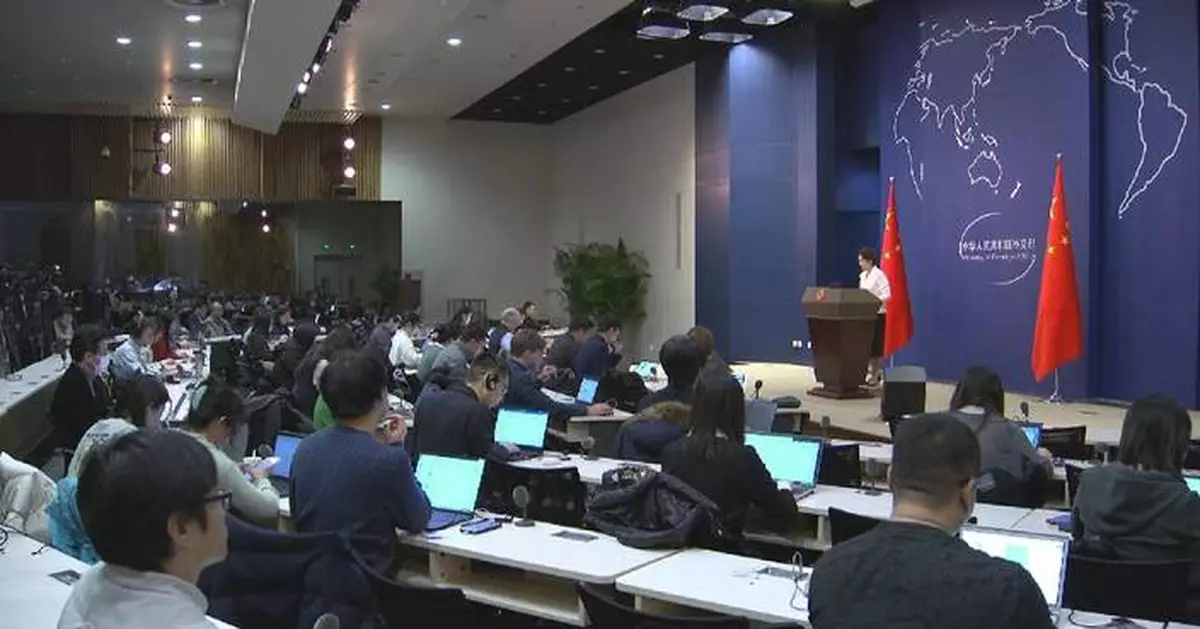
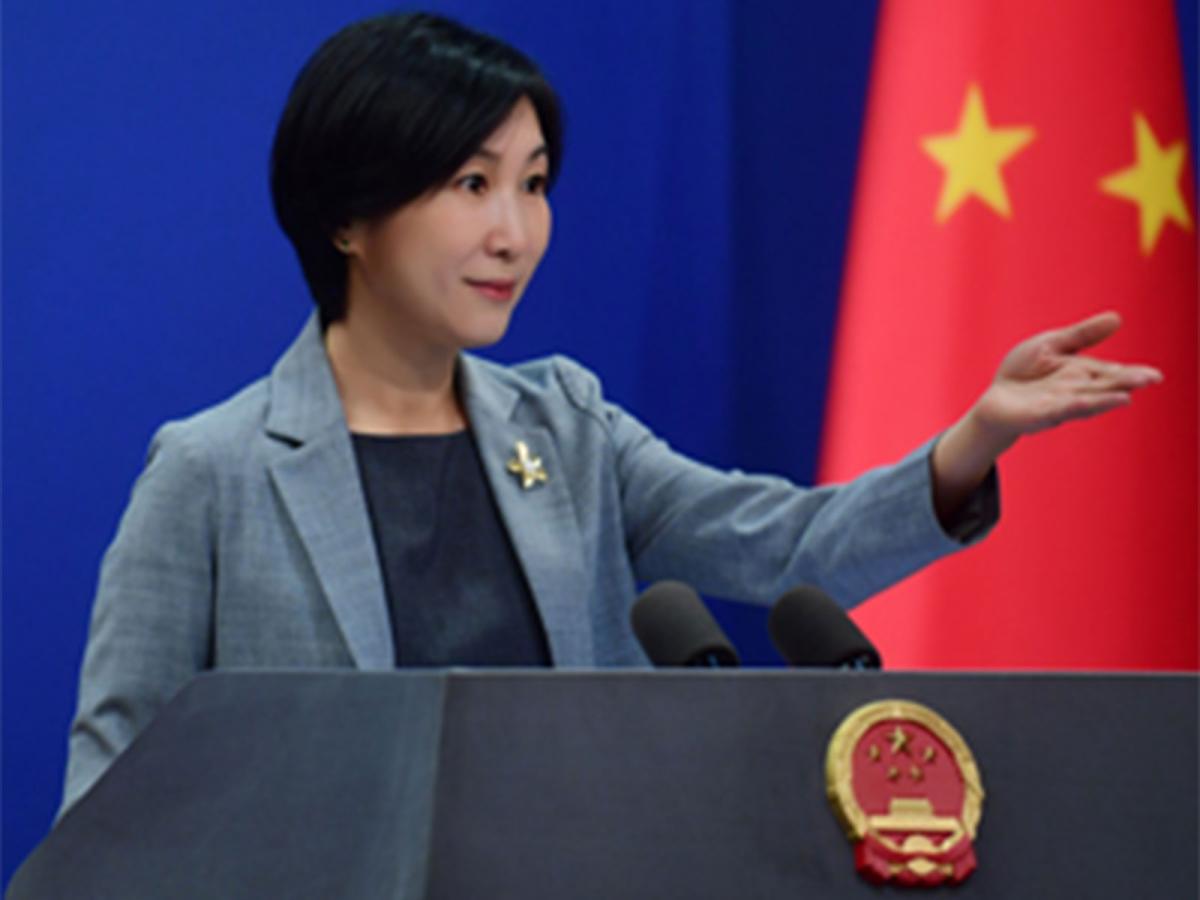
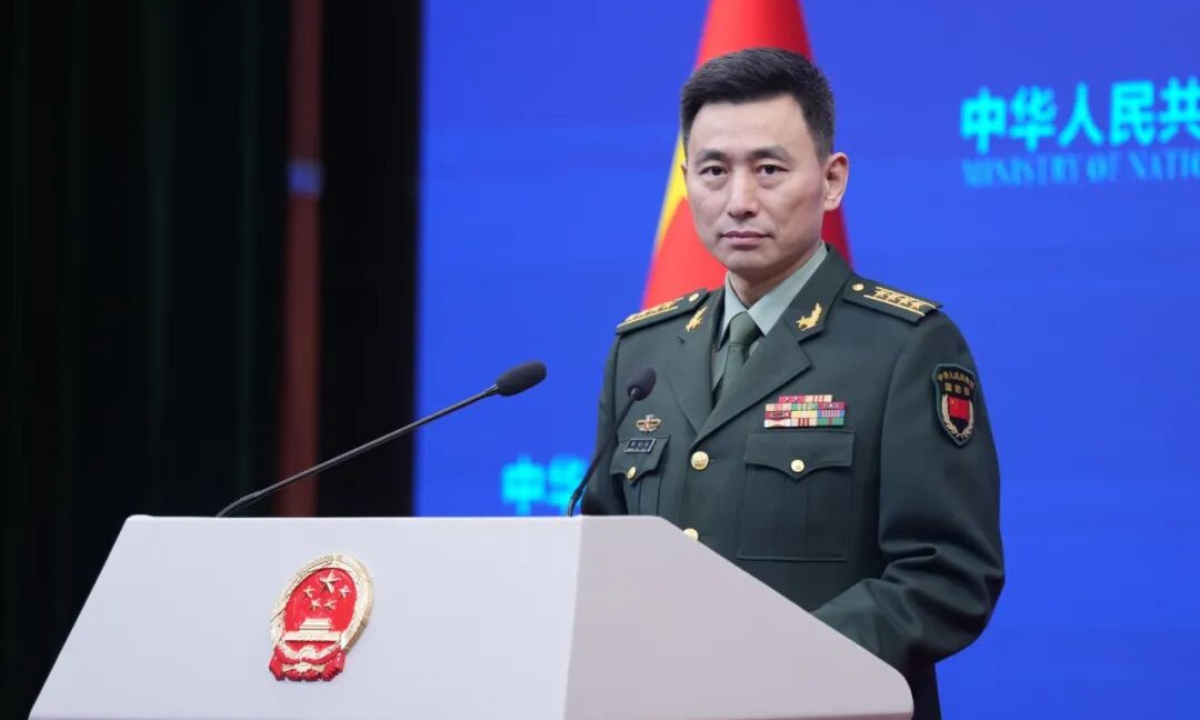
Strategic Market Repositioning Emerges The synchronized statements from Chinese foreign and defense ministries on January 9, 2026, indicate a deliberate geopolitical messaging strategy with significant market implications. For cross-border sellers, this translates into potential supply chain disruptions and strategic sourcing recalibrations. Specifically, technology, electronics, and advanced manufacturing categories will experience the most immediate impact.
Seller Adaptation Strategies Multinational e-commerce platforms must proactively monitor these diplomatic developments. Key focus areas include:
- Diversifying manufacturing sources beyond single-country dependencies
- Developing flexible supply chain architectures
- Monitoring regional technology transfer restrictions
- Reassessing inventory allocation strategies across Asian markets
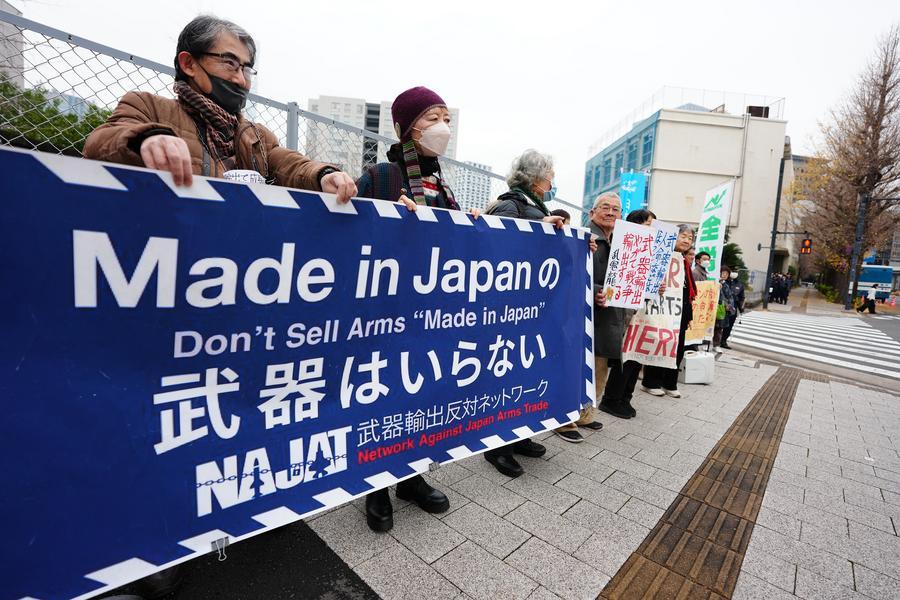
The Hiroshima and Nagasaki assemblies' resistance to nuclear policy changes further underscores the deep cultural sensitivities that can rapidly transform market dynamics. E-commerce sellers must view these geopolitical tensions not as barriers, but as strategic inflection points for market entry and product positioning.
Emerging opportunities exist for sellers who can rapidly adapt their sourcing, compliance, and market engagement strategies in response to these complex regional dynamics.
问题 4
How do China-Japan tensions impact cross-border e-commerce sellers?
These tensions create supply chain recalibration opportunities, particularly in technology and manufacturing sectors. Sellers should diversify sourcing, monitor compliance changes, and develop flexible market entry strategies.
What specific market segments are most affected by these geopolitical shifts?
Technology, electronics, advanced manufacturing, and high-tech components are most vulnerable. Sellers in these categories should prioritize multi-country sourcing and compliance monitoring.