


India's Agricultural Pollution Puzzle: How Farmers Are Outsmarting Satellite Monitoring
- Technological cat-and-mouse game reveals complex environmental policy challenges in northern India
















概览
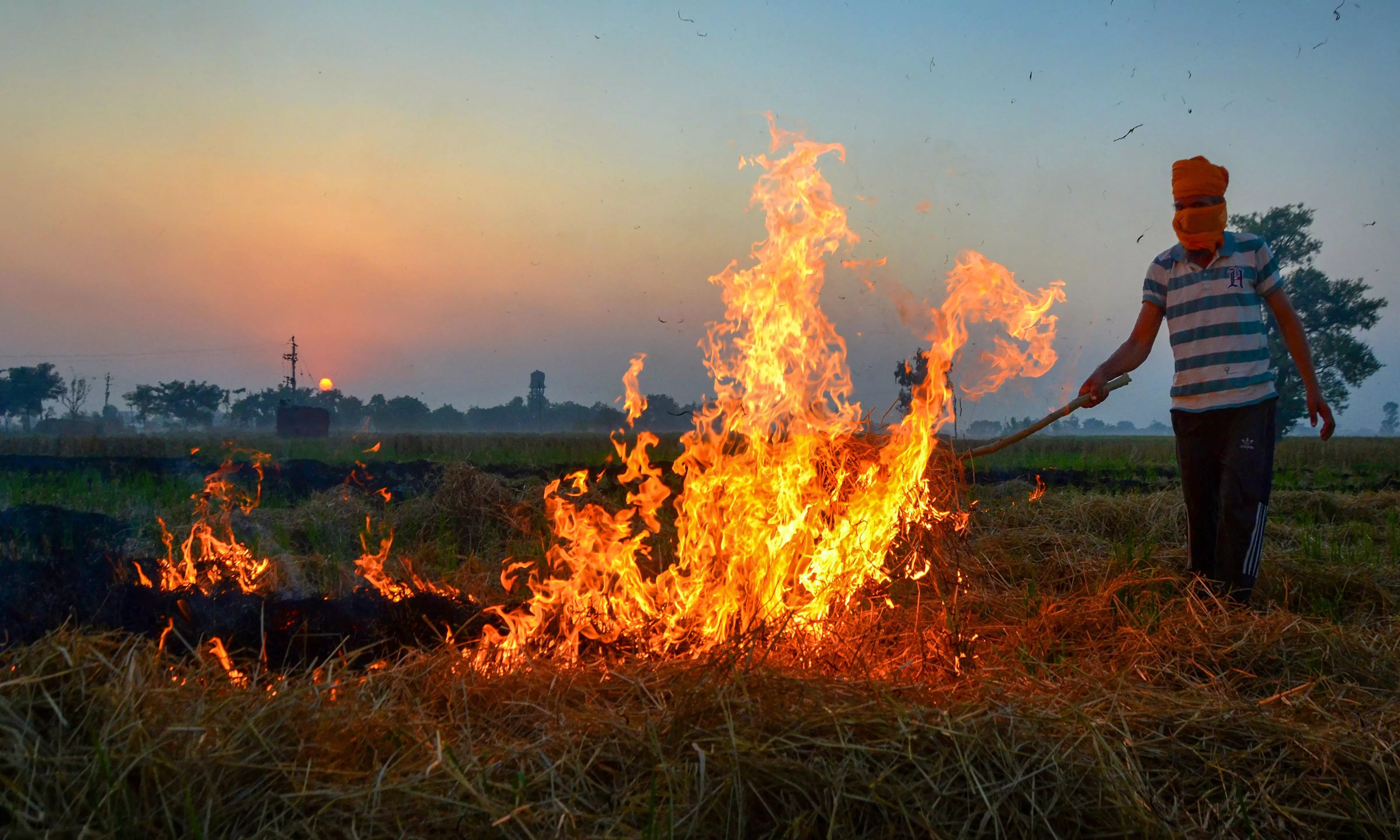
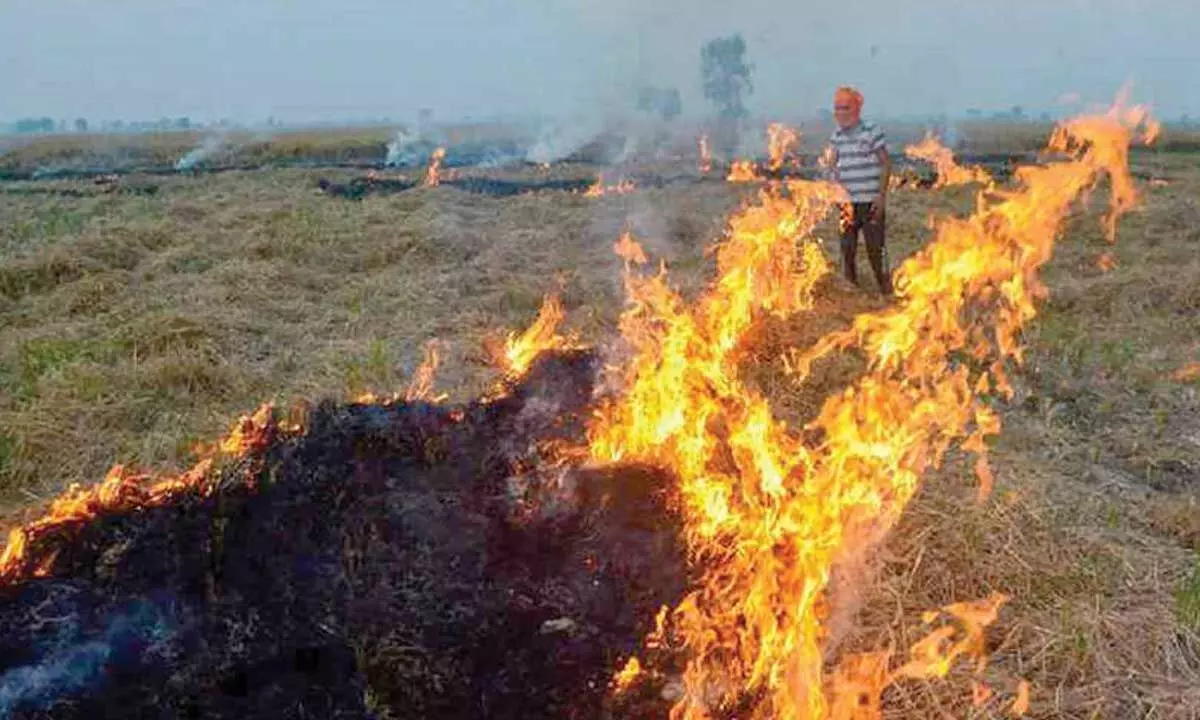
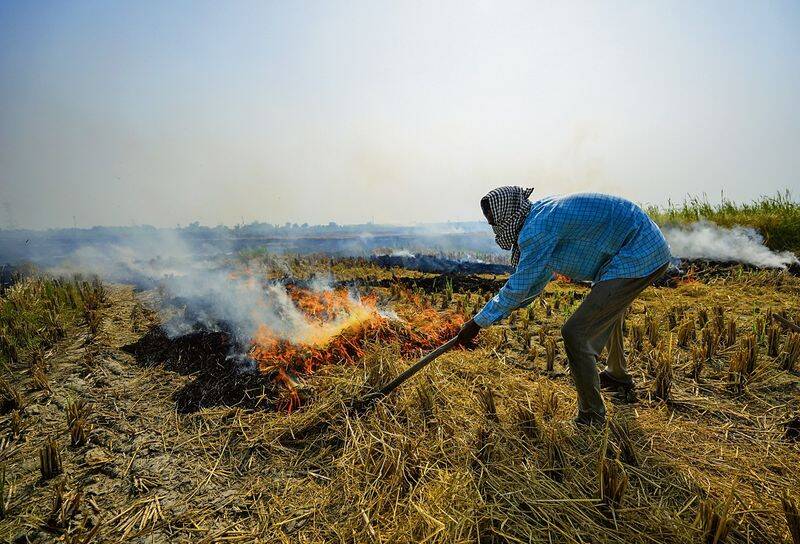
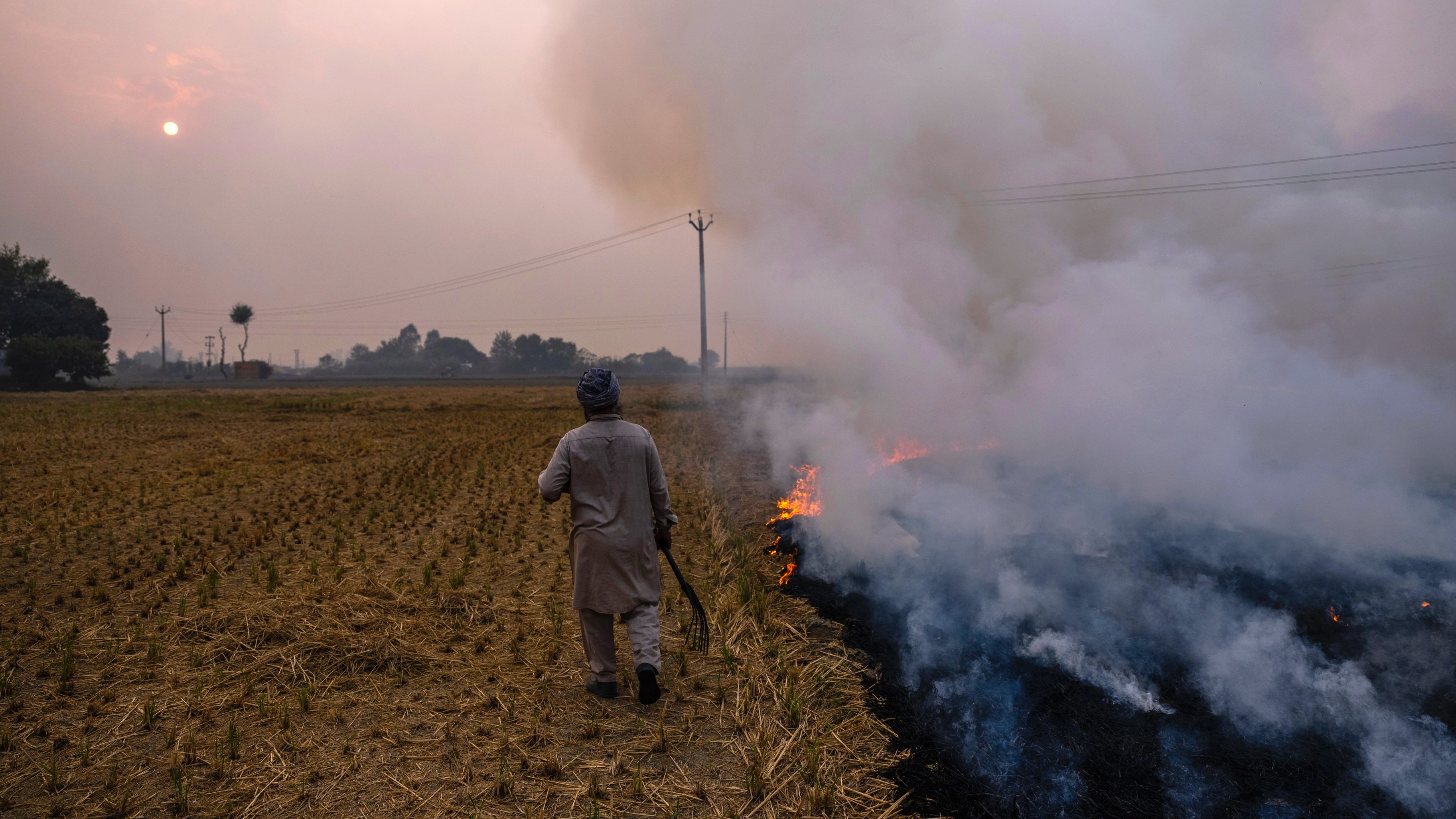
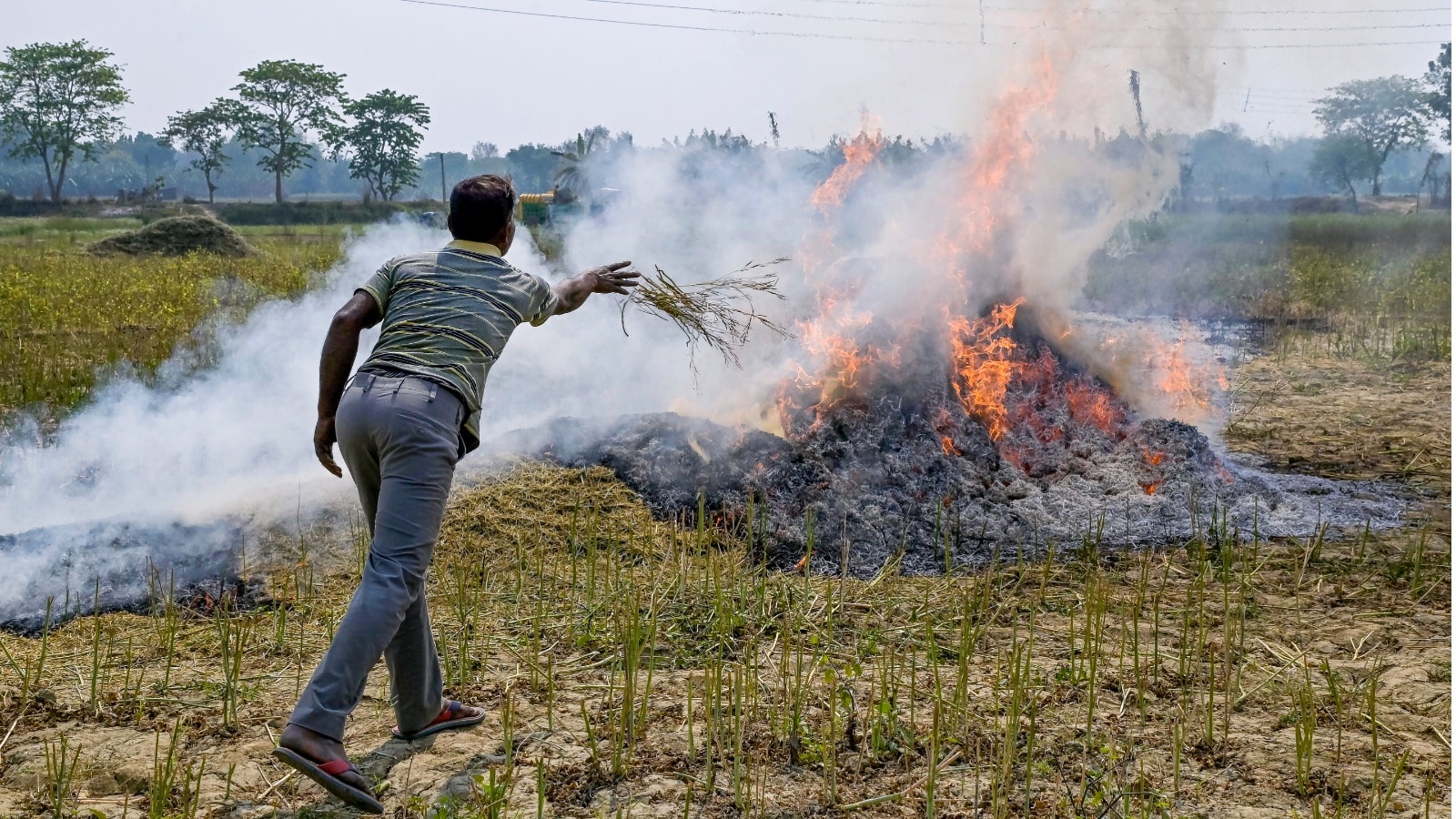
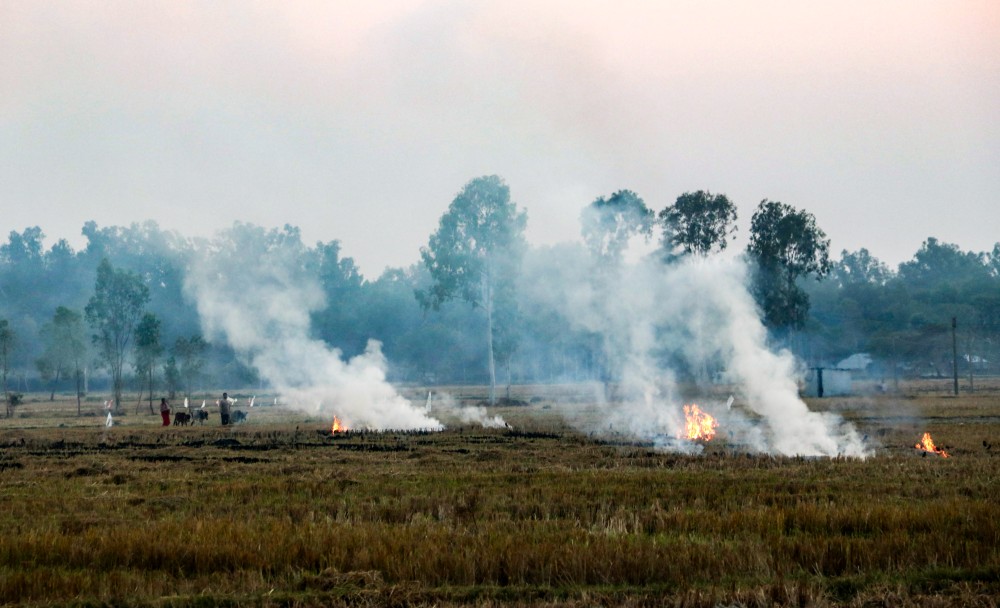
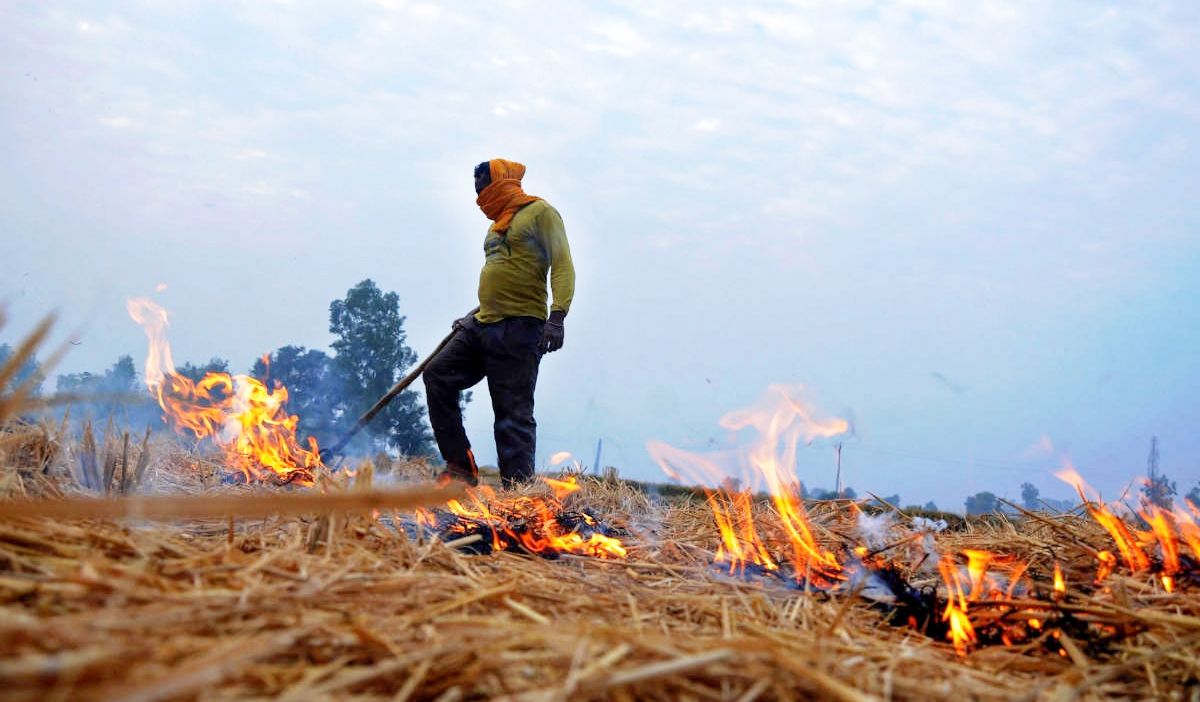
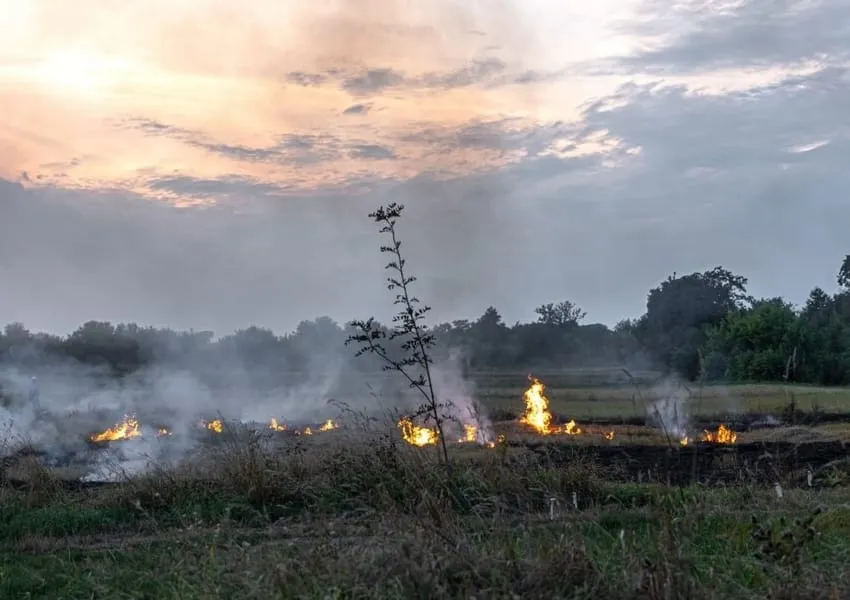
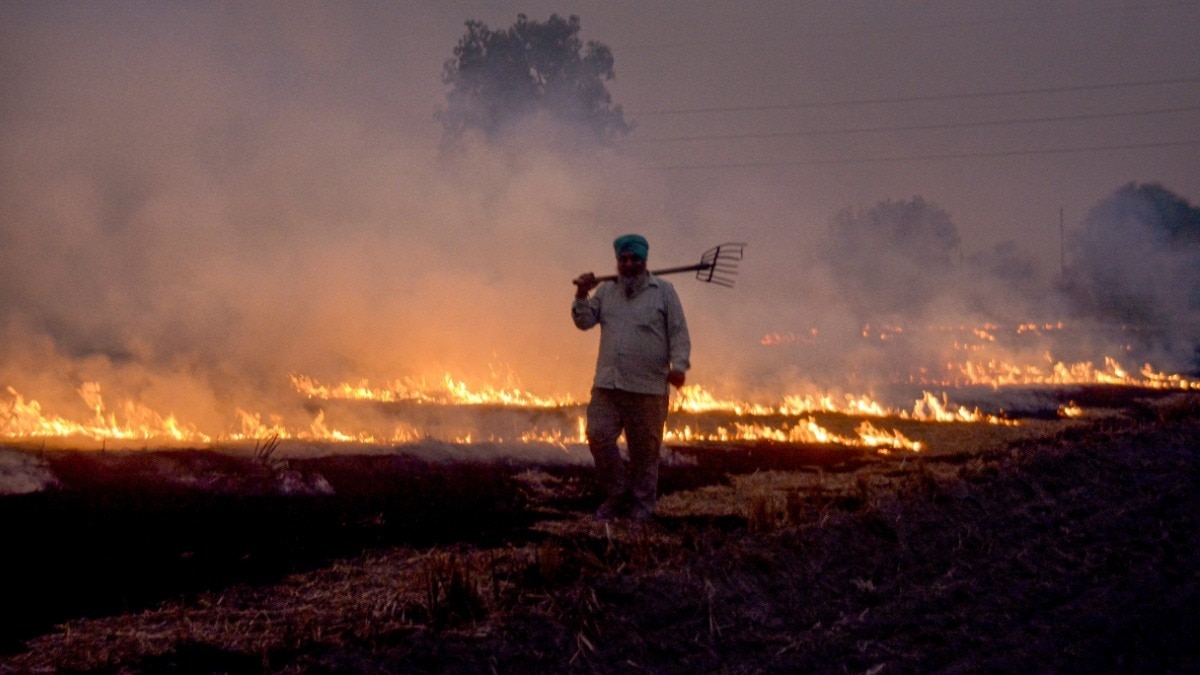
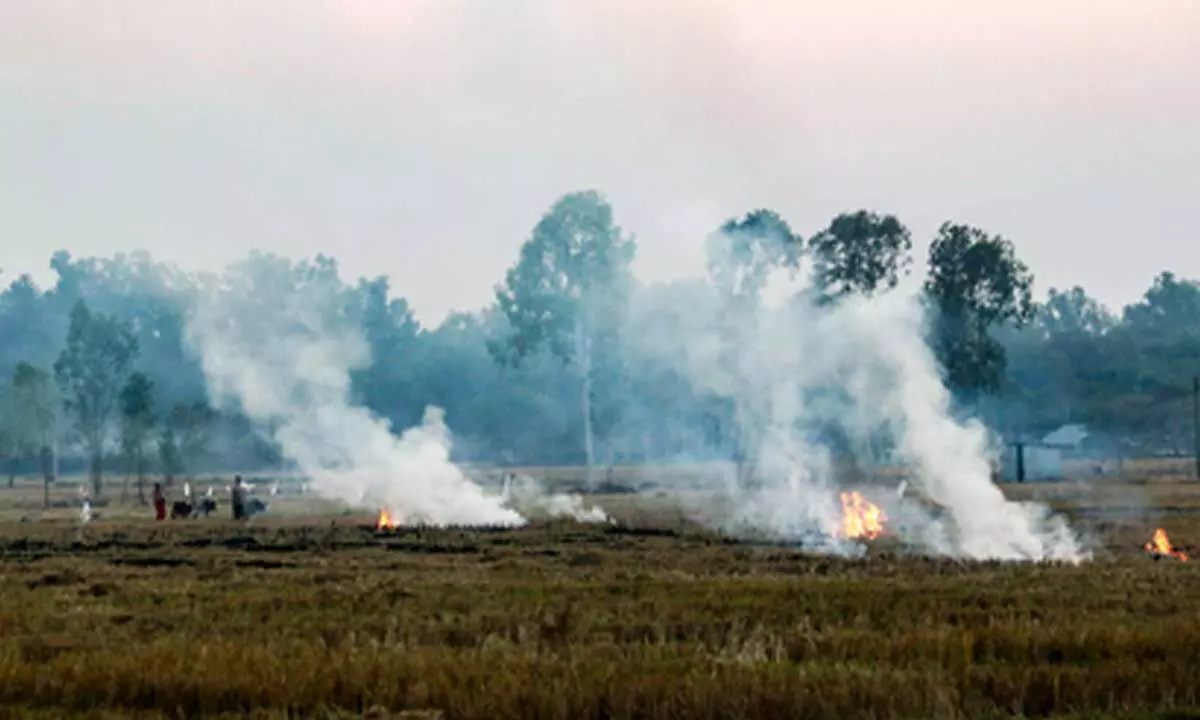
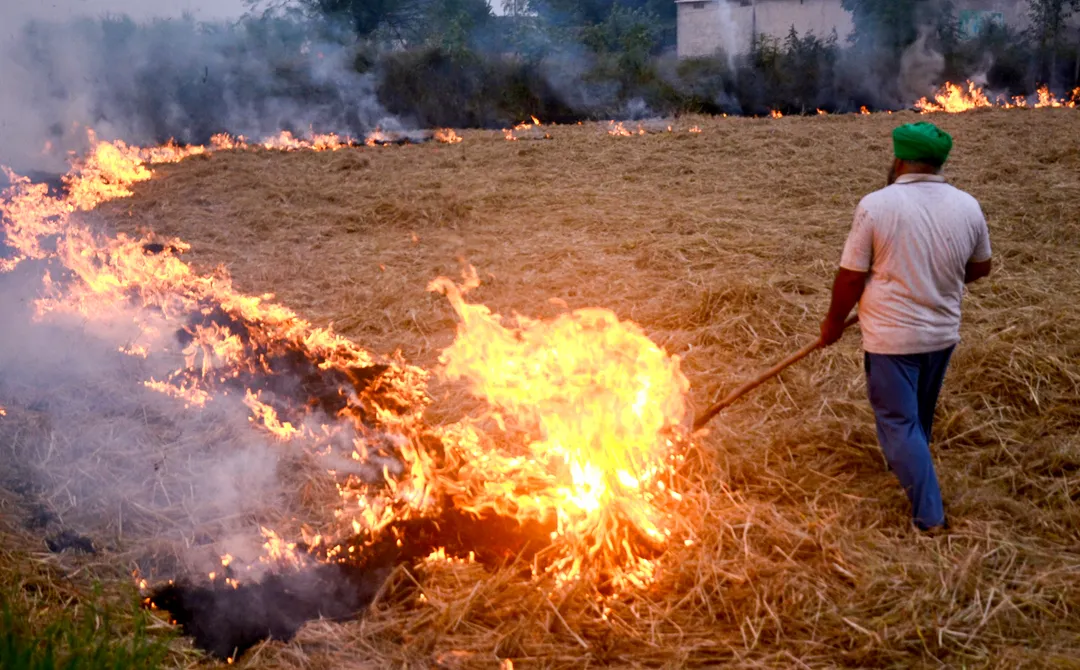
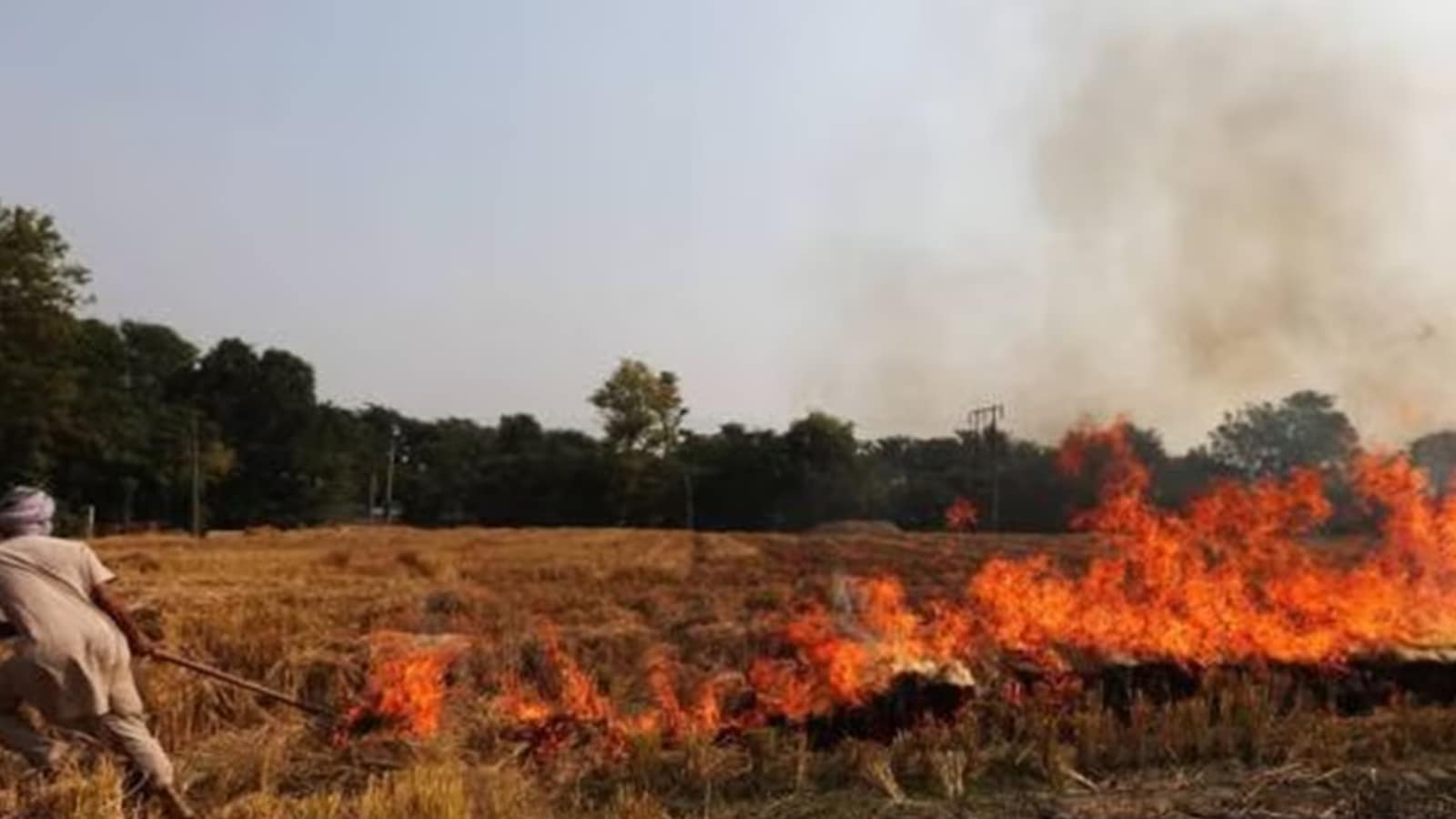
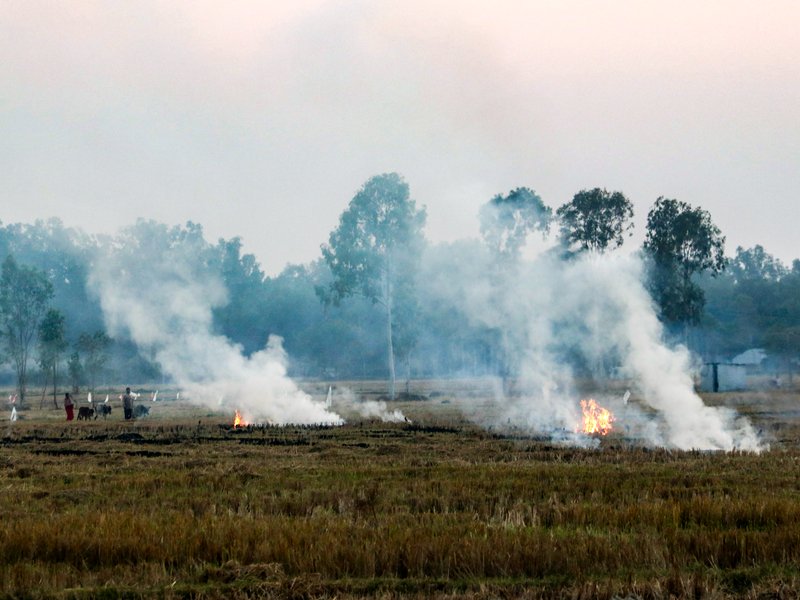
The landscape of agricultural environmental monitoring in India is undergoing a profound transformation, driven by an unexpected technological arms race between farmers and satellite tracking systems. At the heart of this complex narrative lies a critical shift in stubble burning practices across the Indo-Gangetic Plain, where farmers are strategically manipulating the timing of crop residue fires to evade detection.
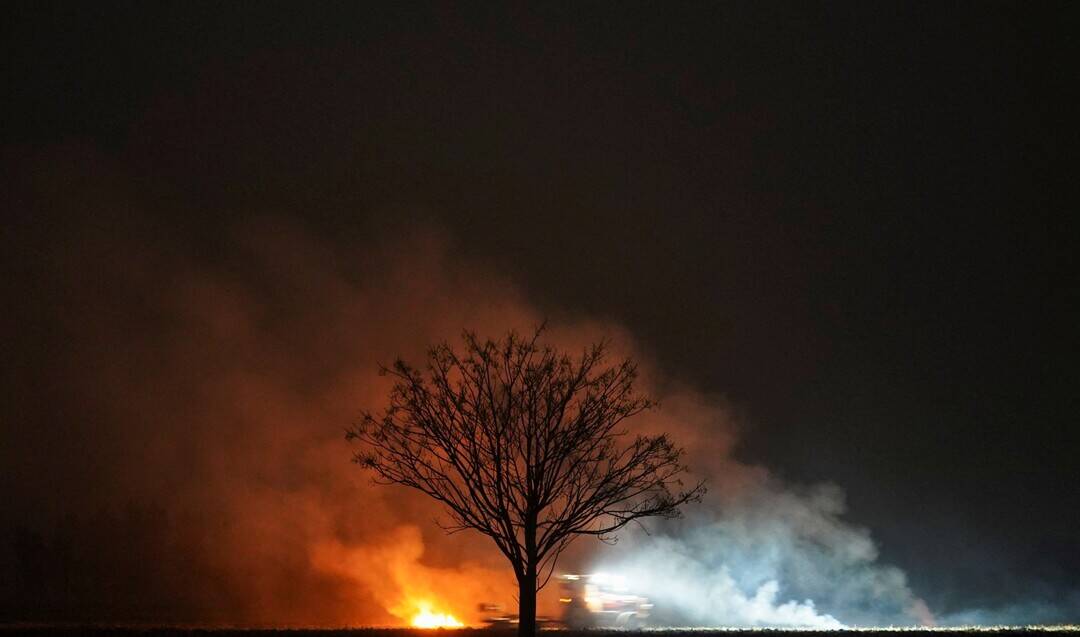
NASA researchers, led by Dr. Hiren Jethva, have uncovered a significant behavioral change: crop fires are now occurring later in the day, moving from the traditional 1-2 PM window to a more strategic 4-6 PM timeframe. This seemingly minor adjustment has substantial implications for environmental monitoring and air quality management. Traditional satellite systems like MODIS and VIIRS, which typically pass over locations once or twice daily, are now missing a substantial number of these fires, creating a critical data blind spot.
The scale of this monitoring challenge is staggering. While the Indian government claims a 90% reduction in farm fires, Dr. Jethva's research suggests the actual number of incidents could be 10-11 times higher than official reports. This discrepancy exposes fundamental weaknesses in current environmental tracking mechanisms. The Indian Space Research Organisation (ISRO) captures farm images daily at 1:30 PM, but farmers have learned to strategically time their burns outside these monitoring windows.
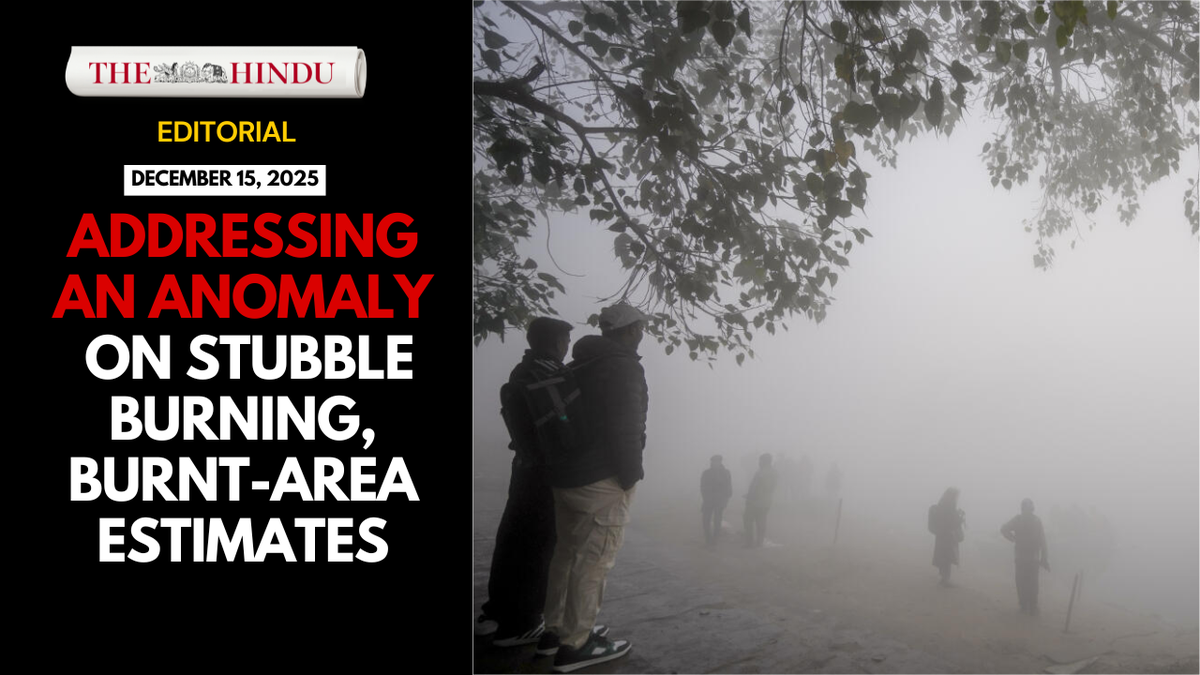
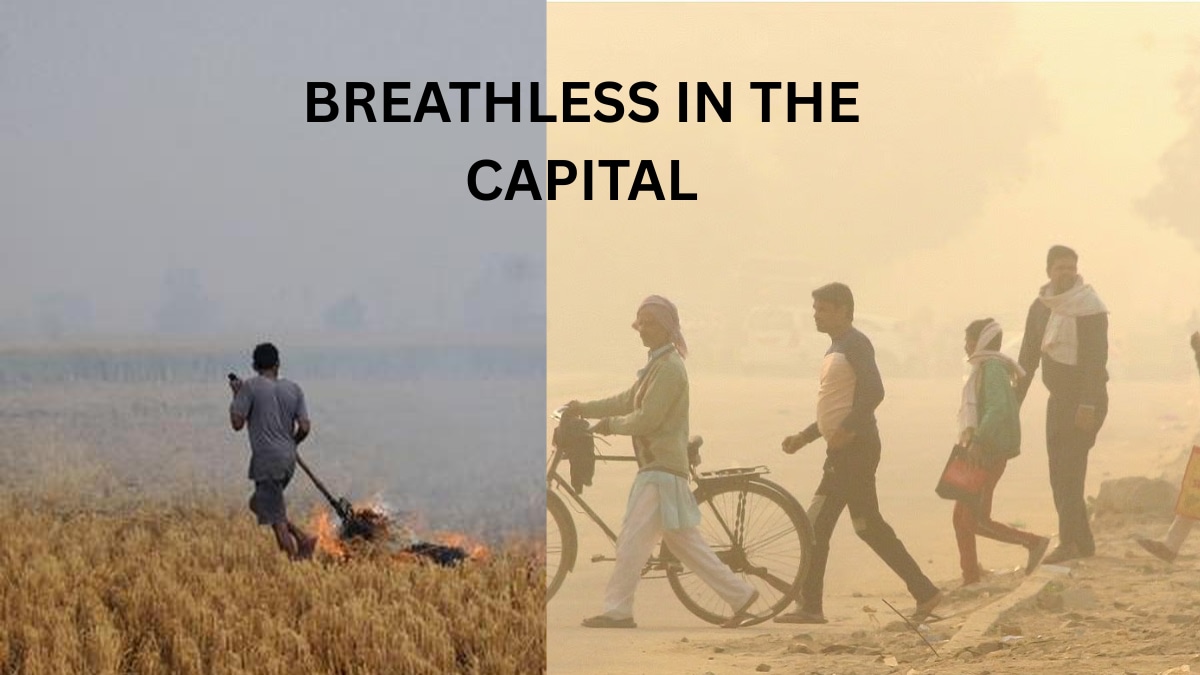
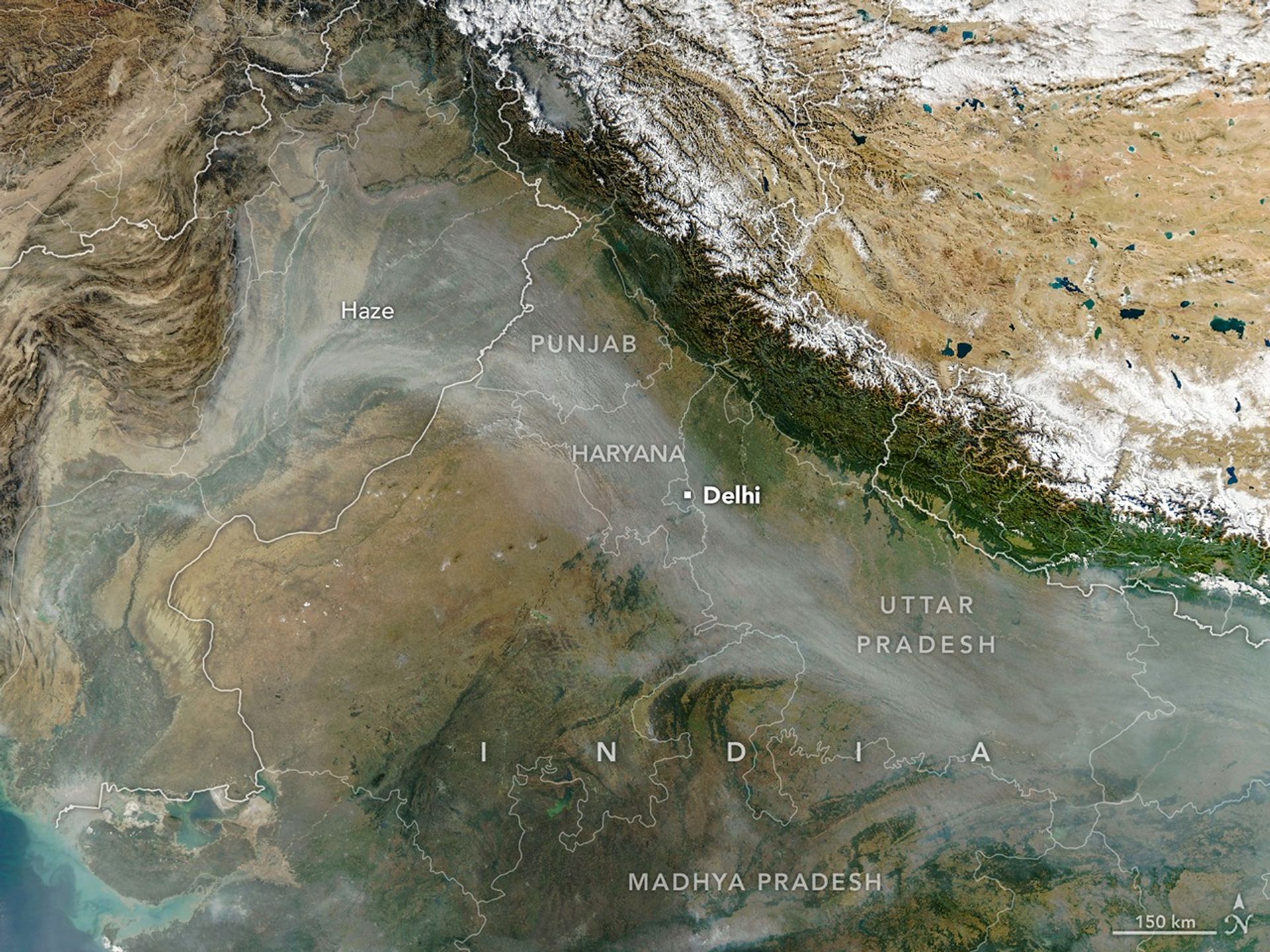
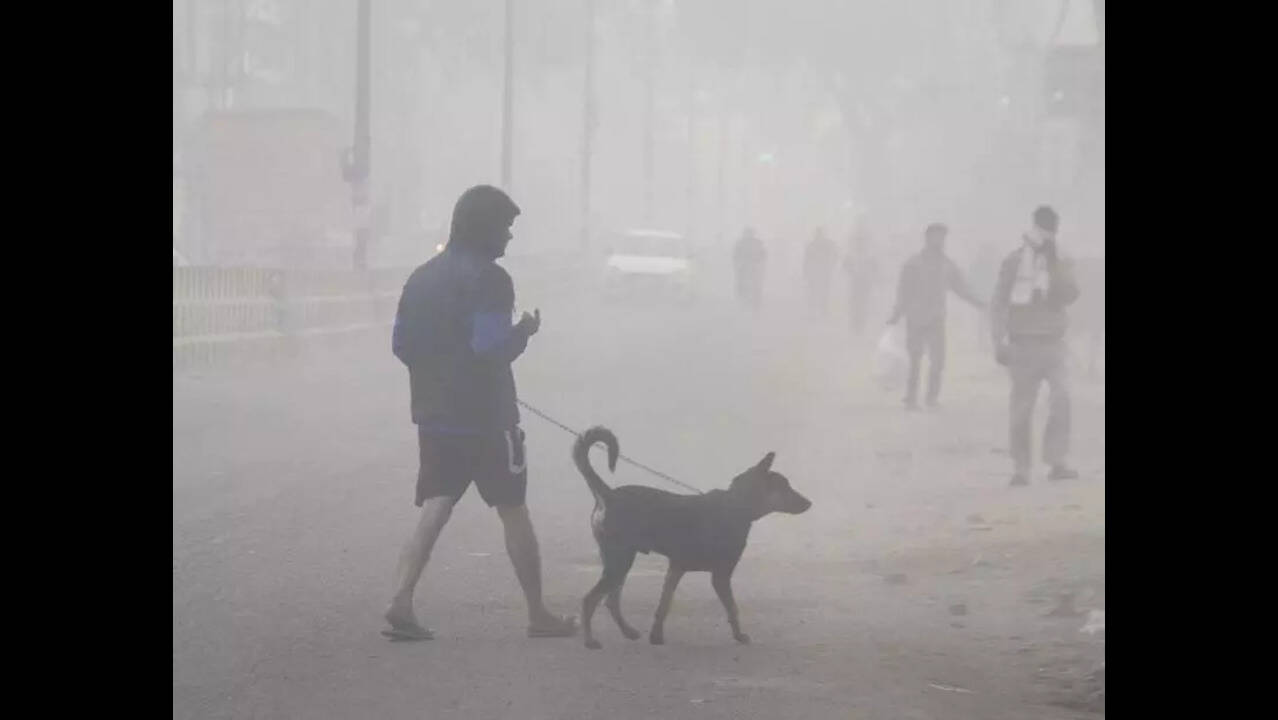
The environmental consequences are profound. Evening burns, coinciding with weaker winds and shallower atmospheric boundary layers, potentially allow pollutants to accumulate more efficiently. On November 11, 2025, pollution levels exceeded 400 on India's air quality index, prompting school closures and stricter construction controls. Estimates suggest stubble burning contributes between 40-70% of pollution during peak episodes, dropping to under 10% when averaged annually.
Encouragingly, collaborative efforts are emerging. The Indian government has invested Rs 4,000 crore in Punjab and Haryana for stubble management, deploying over 150,000 crop residue management machines. Corporate initiatives like decentralized biomass-to-energy plants are converting agricultural residue into electricity, creating alternative economic opportunities.
The broader implication is clear: addressing environmental challenges requires adaptive, technologically sophisticated tracking and mitigation strategies that can keep pace with evolving agricultural practices.
问题 3
What innovative solutions are emerging to address stubble burning?
Corporate initiatives like decentralized biomass-to-energy plants are converting agricultural residue into electricity, creating alternative economic opportunities. The government has also invested Rs 4,000 crore in Punjab and Haryana, deploying over 150,000 crop residue management machines to provide farmers with alternatives to burning.
How significant is the pollution impact of stubble burning?
Stubble burning can contribute between 40-70% of pollution during peak episodes, though this drops to under 10% when averaged annually. On November 11, 2025, pollution levels exceeded 400 on India's air quality index, leading to school closures and stricter construction controls.