
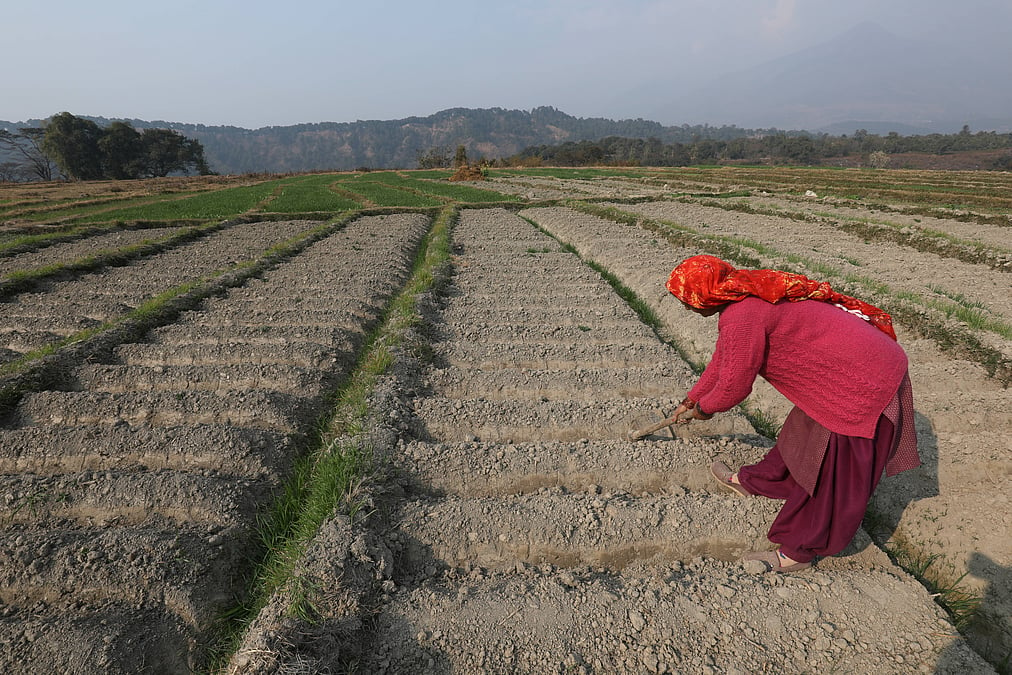




Climate Shifts Reshape Seller Logistics & Product Strategies
- 86% Rainfall Decline Triggers Supply Chain Transformation for E-Commerce Sellers



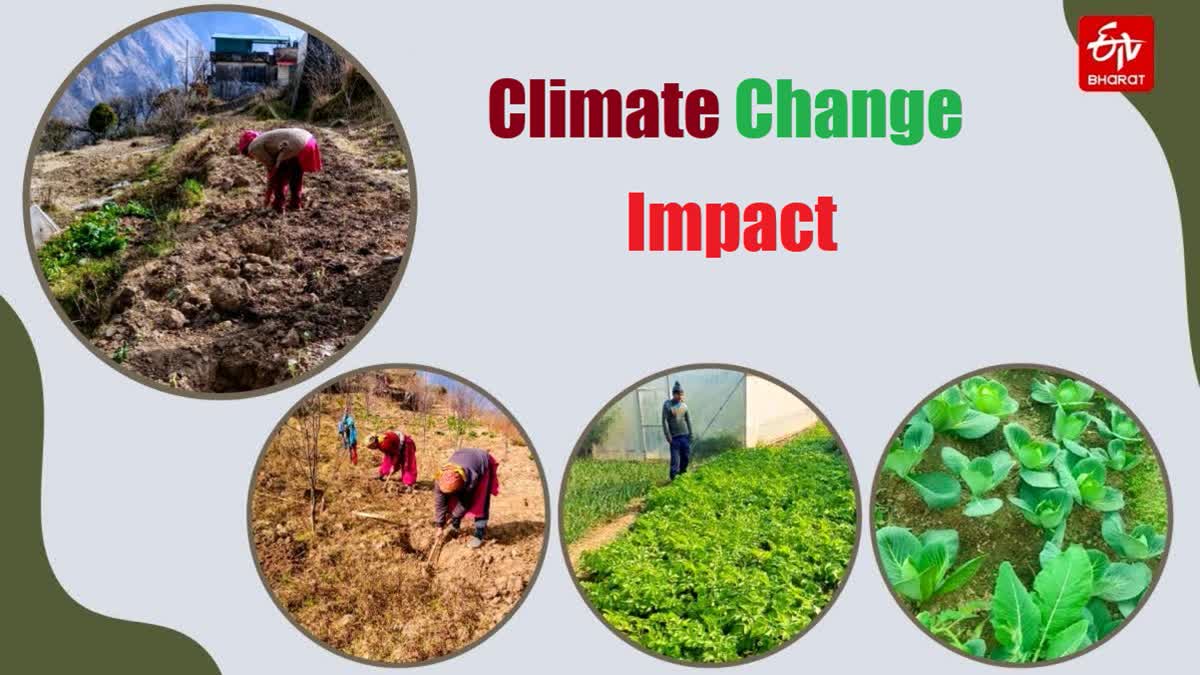




概览
The Himalayan region's unprecedented climate transformation is creating critical challenges and opportunities for cross-border e-commerce sellers, with far-reaching implications across agricultural, logistics, and product sourcing ecosystems.
Logistics and Supply Chain Disruption emerges as the most immediate concern for sellers operating in or through India's mountain regions. The Indian Meteorological Department's projection of 86% below-average precipitation signals potential shipping challenges, with five Uttarakhand districts experiencing temperatures plummeting to -22°C. Cross-border sellers must develop robust contingency plans, potentially including:
- Diversifying shipping routes
- Investing in temperature-resistant packaging
- Developing alternative sourcing strategies for mountain-origin products
Agricultural Product Innovation represents a significant market opportunity. The apple growers' adaptive strategy of using foggers to create artificial ice coverage demonstrates the innovative spirit emerging from climate challenges. For e-commerce sellers, this translates into potential product categories such as:
- Advanced agricultural preservation technologies
- Climate-resilient farming equipment
- Specialized packaging for temperature-sensitive goods
Strategic Implications extend beyond immediate operational concerns. The reduced snowfall between 3,000-6,000 meters elevation potentially impacts water supplies for nearly two billion people, creating downstream effects on manufacturing, agriculture, and regional economic stability. Sellers should monitor these developments as they could reshape entire product ecosystems and supply chain dynamics.
Proactive sellers will view these climate shifts not as obstacles, but as opportunities to develop more resilient, adaptive cross-border commerce strategies that anticipate and mitigate environmental uncertainties.
问题 4
How do Himalayan climate changes impact cross-border e-commerce sellers?
Climate shifts are disrupting traditional shipping routes, agricultural production, and product sourcing. Sellers must adapt by developing temperature-resistant packaging, diversifying supply chains, and exploring innovative product categories that address environmental challenges.
What specific logistics challenges do sellers face in mountain regions?
Extreme temperatures (-22°C in Uttarakhand) create shipping disruptions, potential infrastructure damage, and increased transportation costs. Sellers need robust contingency plans, alternative routing, and specialized packaging solutions.