




AI Investment Bubble Bursts: Korean Tech Stocks Unravel Under Global Pressure
- Emerging market tech sectors face unprecedented volatility as foreign investors retreat












概览
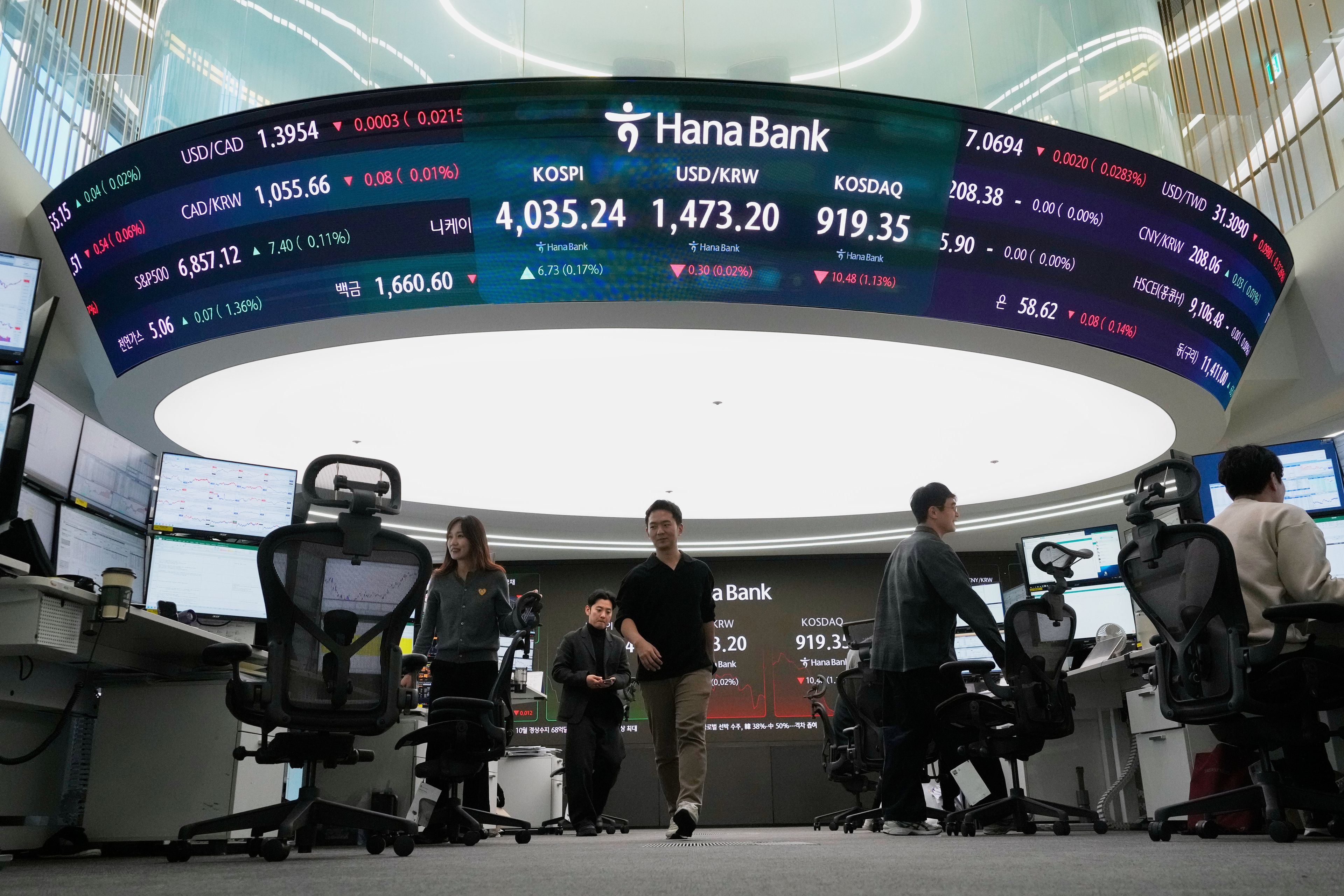
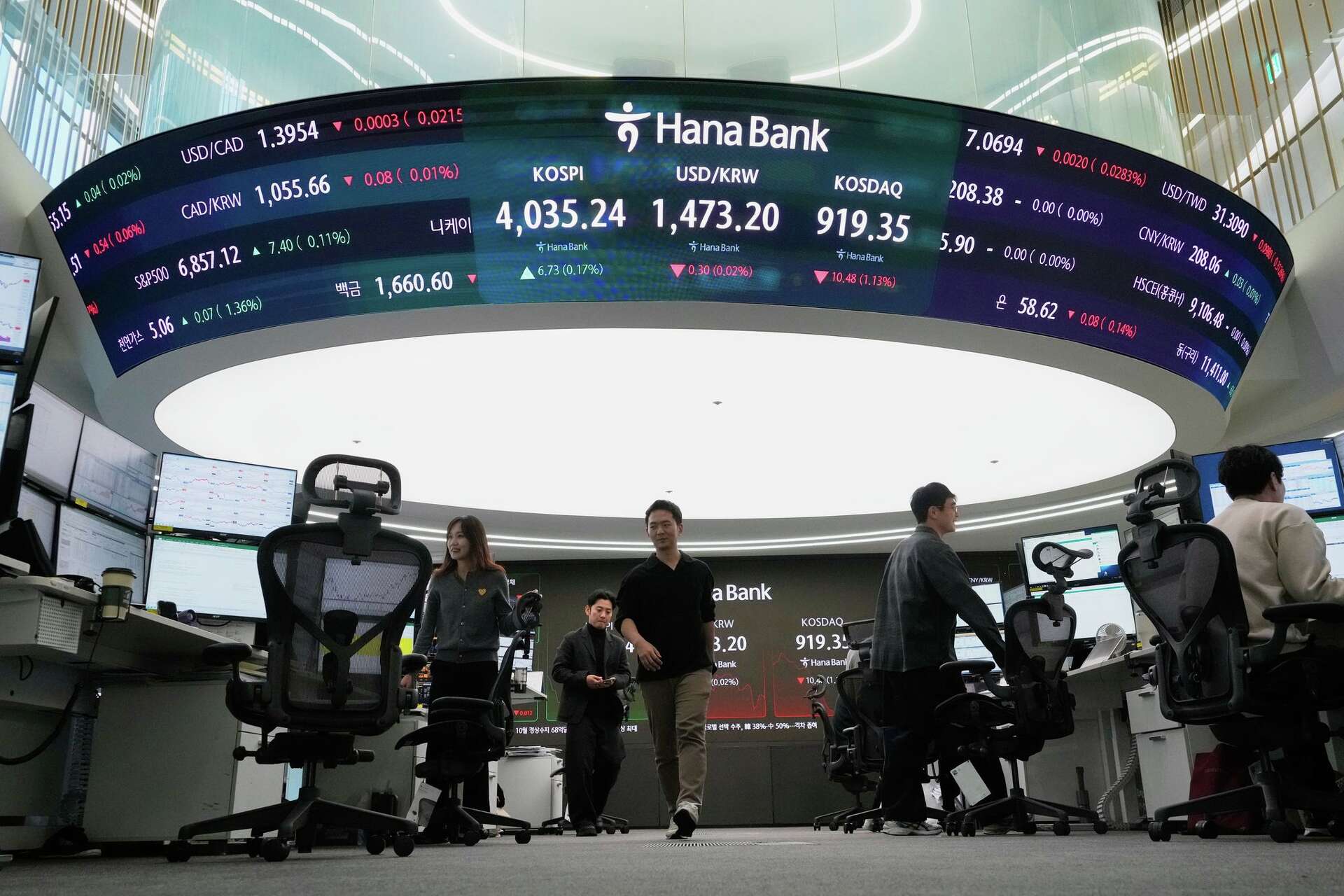
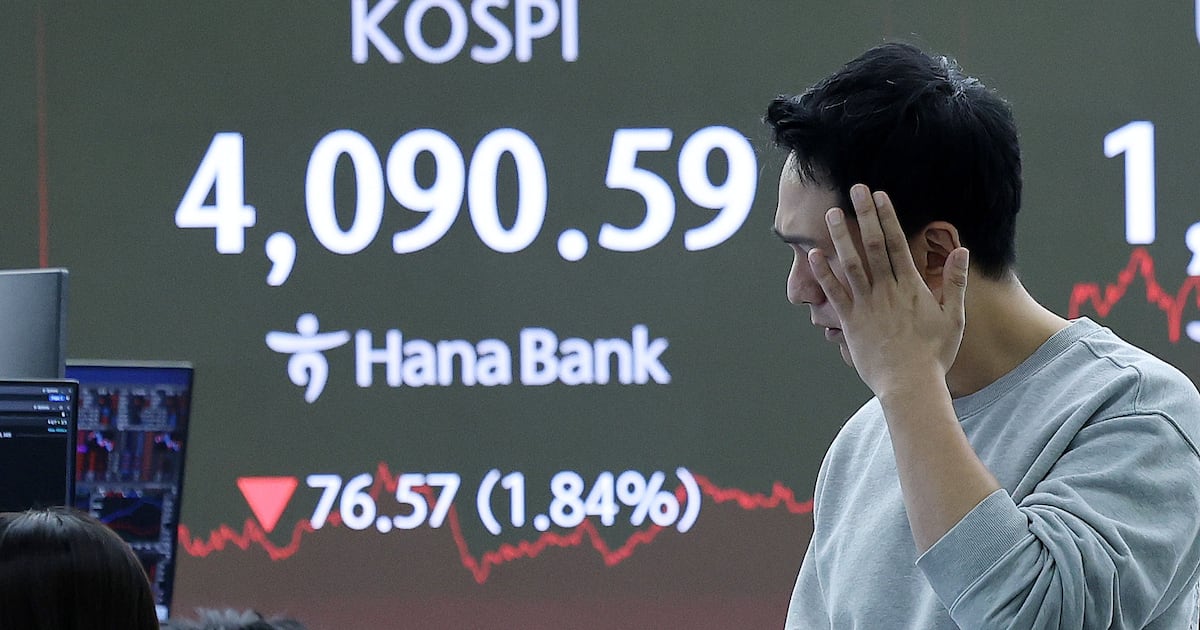
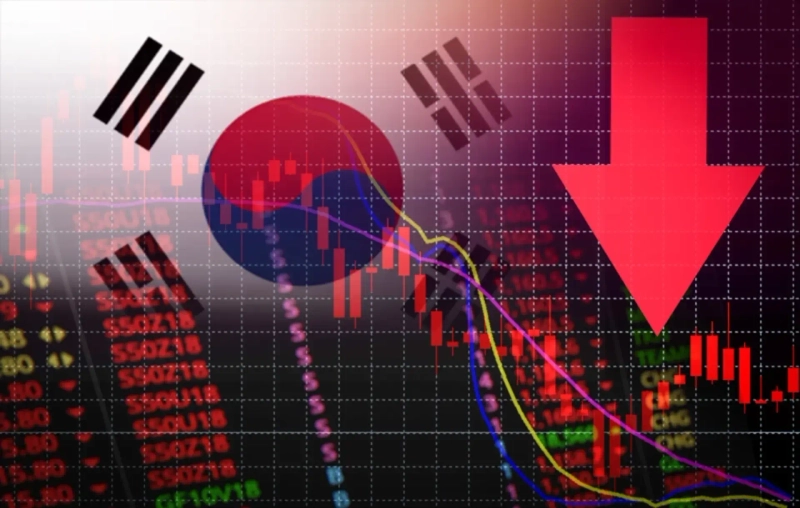
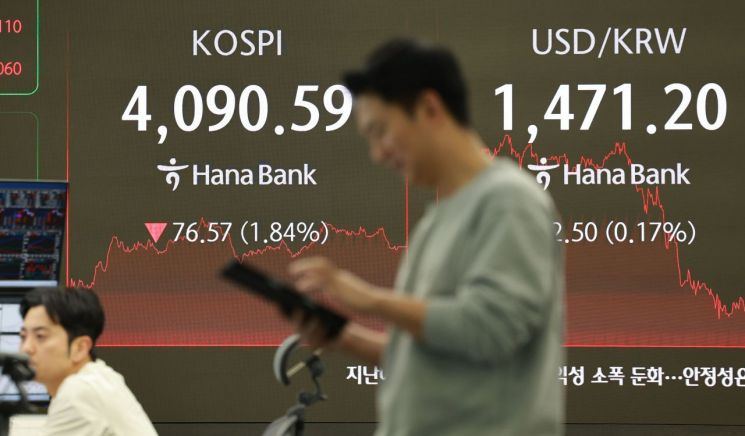
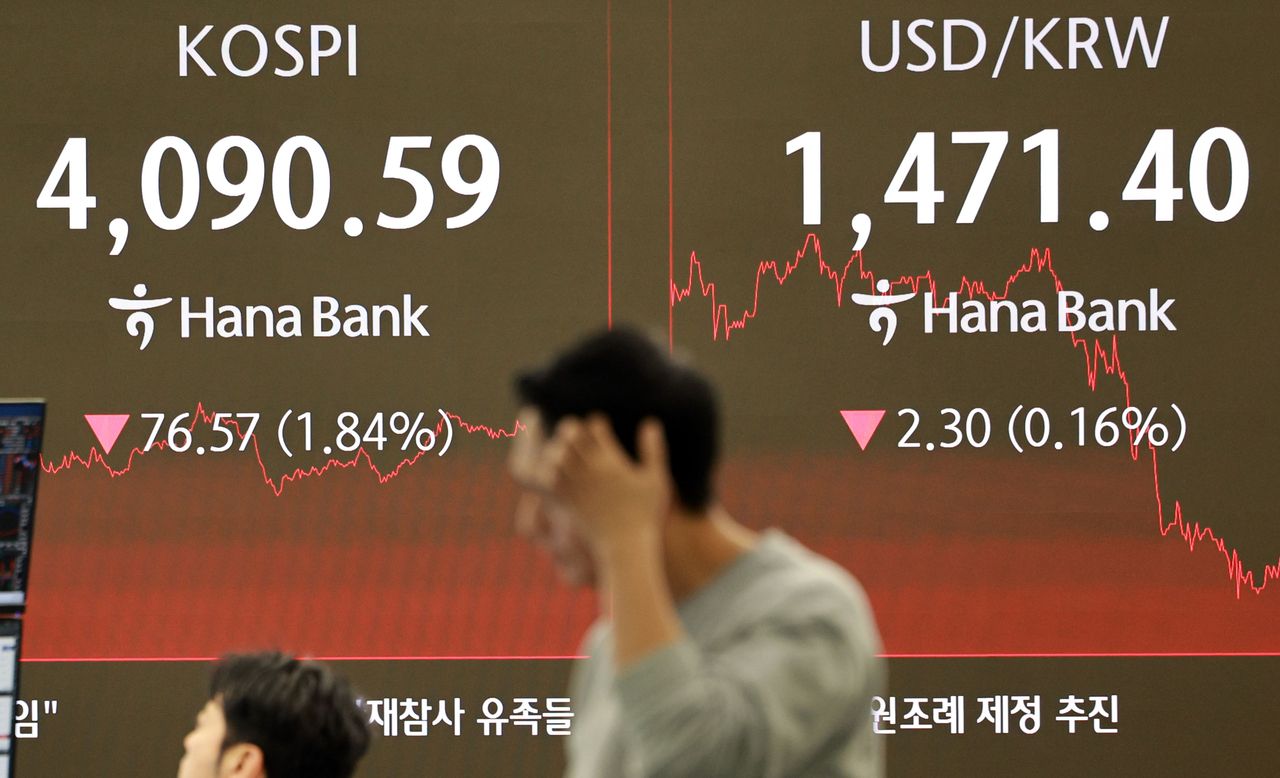
The Korean technology ecosystem is experiencing a profound recalibration, with the AI investment landscape revealing critical structural vulnerabilities. On December 16, 2025, the Kospi index plummeted over 2%, dropping below 4,000 points—a symbolic threshold signaling deeper market anxieties. This decline isn't merely a statistical blip, but a systemic response to mounting global AI investment uncertainties.
Foreign institutional investors are driving this market correction, executing a strategic withdrawal that exposes the fragile foundations of recent tech valuations. The sell-off, triggered by Oracle's revealing earnings report, demonstrates how data center infrastructure delays can rapidly destabilize investor confidence. Oracle's Texas data center for OpenAI, postponed from 2027 to 2028, serves as a critical inflection point, suggesting that the anticipated AI revolution might be experiencing significant implementation challenges.
Strategic market dynamics reveal a nuanced picture of investor behavior. While foreign and institutional investors aggressively sell technology stocks, Korean retail investors are displaying remarkable resilience by becoming net buyers. This counterintuitive trend suggests a potential opportunity: local investors might be perceiving the market correction as a strategic entry point rather than a terminal decline. Defensive sectors like telecommunications and consumer goods are simultaneously gaining ground, indicating a sophisticated risk management approach among Korean market participants.
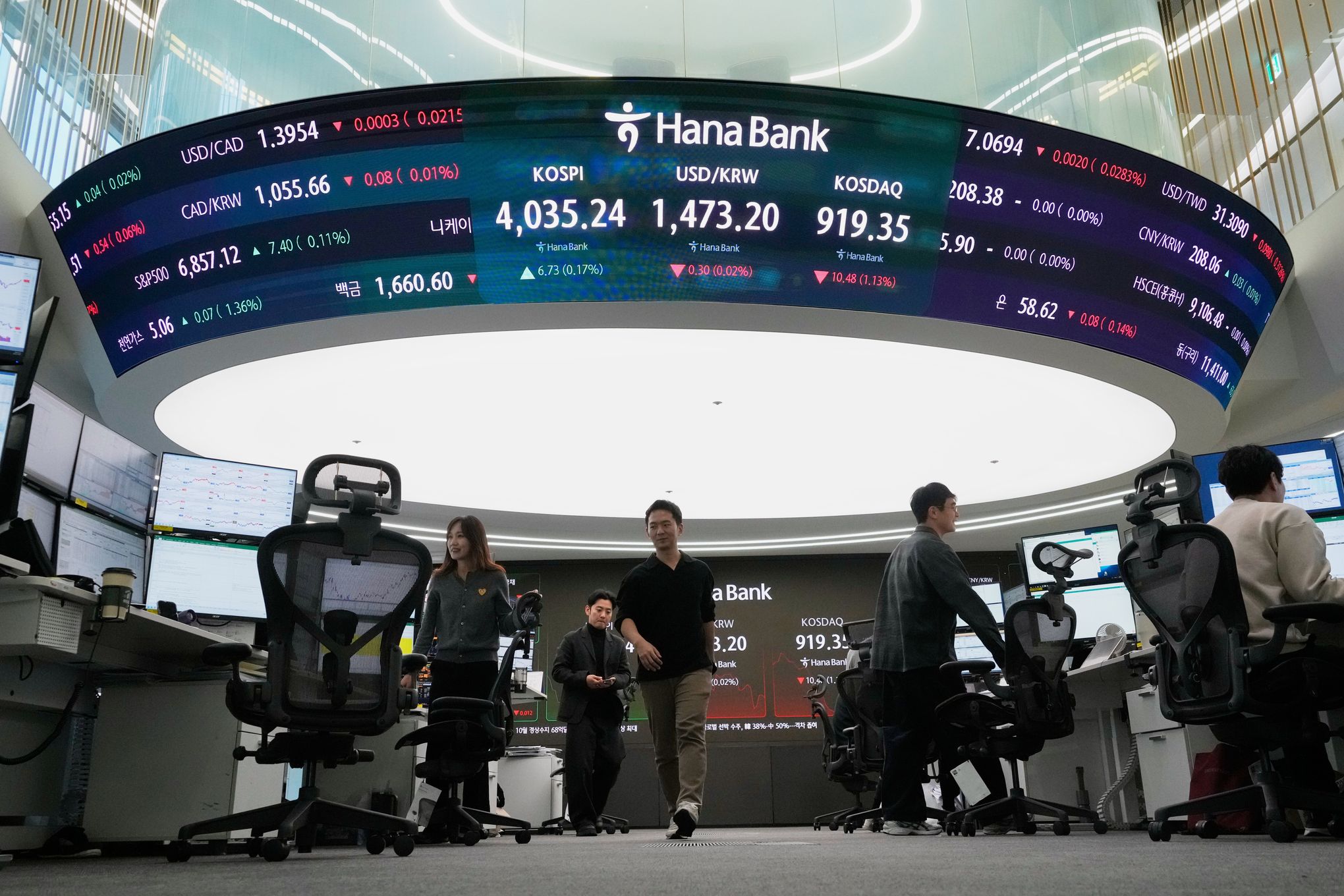
The currency market further amplifies these technological tensions. The Korean won's drop to 1,476 per U.S. dollar reflects not just market sentiment, but a broader geopolitical recalibration of technology investment flows. Government intervention, including an emergency economic ministers' meeting, underscores the strategic importance of maintaining market stability during this critical transition.
Critically, this moment represents more than a temporary market fluctuation—it signals a potential paradigm shift in AI investment strategies. The interconnected nature of global technology investments means that corporate performance in one sector can rapidly influence currency markets, investor sentiment, and technological development trajectories.
问题 3
Why are foreign investors selling Korean tech stocks?
Foreign investors are retreating due to growing concerns about the AI investment bubble, highlighted by Oracle's delayed data center projects and substantial capital expenditure. The sell-off reflects skepticism about near-term AI infrastructure profitability and potential overvaluation in the technology sector.
How is the Korean government responding to market volatility?
The Korean government has initiated immediate interventions, including an emergency economic ministers' meeting and a comprehensive review of financial market conditions. These actions aim to stabilize investor confidence and prevent potential systemic risks in the technology investment ecosystem.