


Ford's Electric Vehicle Retreat: The $20 Billion Pivot to Hybrid Realism
- Strategic realignment signals massive market correction in automotive electrification for manufacturers and investors








































概览
Electric vehicle strategies are undergoing a dramatic transformation, with Ford's recent announcement serving as a watershed moment in automotive technological transition. The company's $19.5 billion strategic pivot represents more than just a corporate restructuring—it's a profound reassessment of the entire electric vehicle market's near-term potential.
Hybrid technologies have emerged as the critical compromise between environmental ambitions and economic realities. Ford's leadership, particularly CEO Jim Farley, has candidly acknowledged that full electrification isn't economically viable at current market conditions. By 2030, the company aims to have approximately 50% of its global volume comprised of hybrid, extended-range, and electric vehicles—a significant leap from the current 17%, but a much more measured approach than previous aggressive expansion plans.
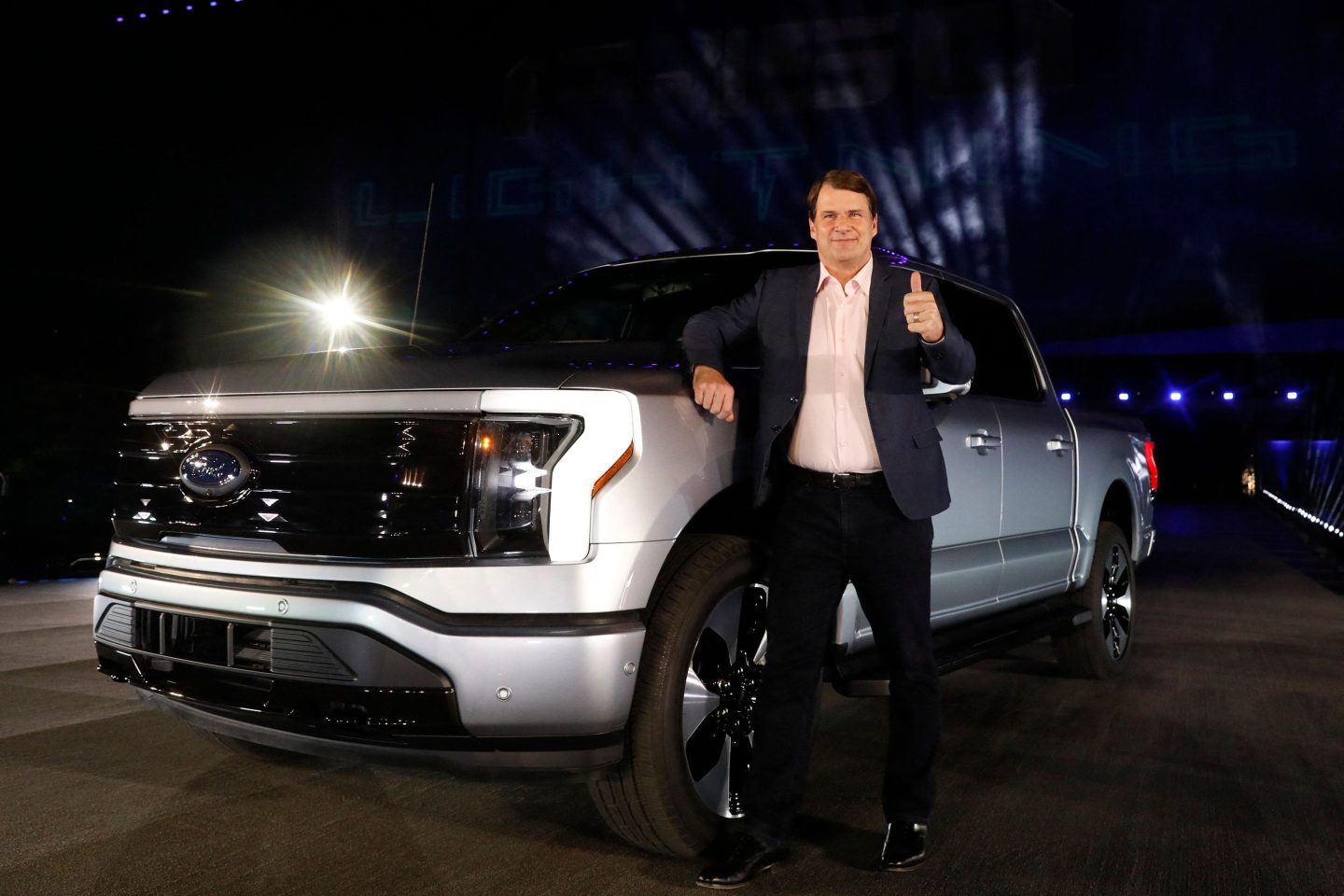
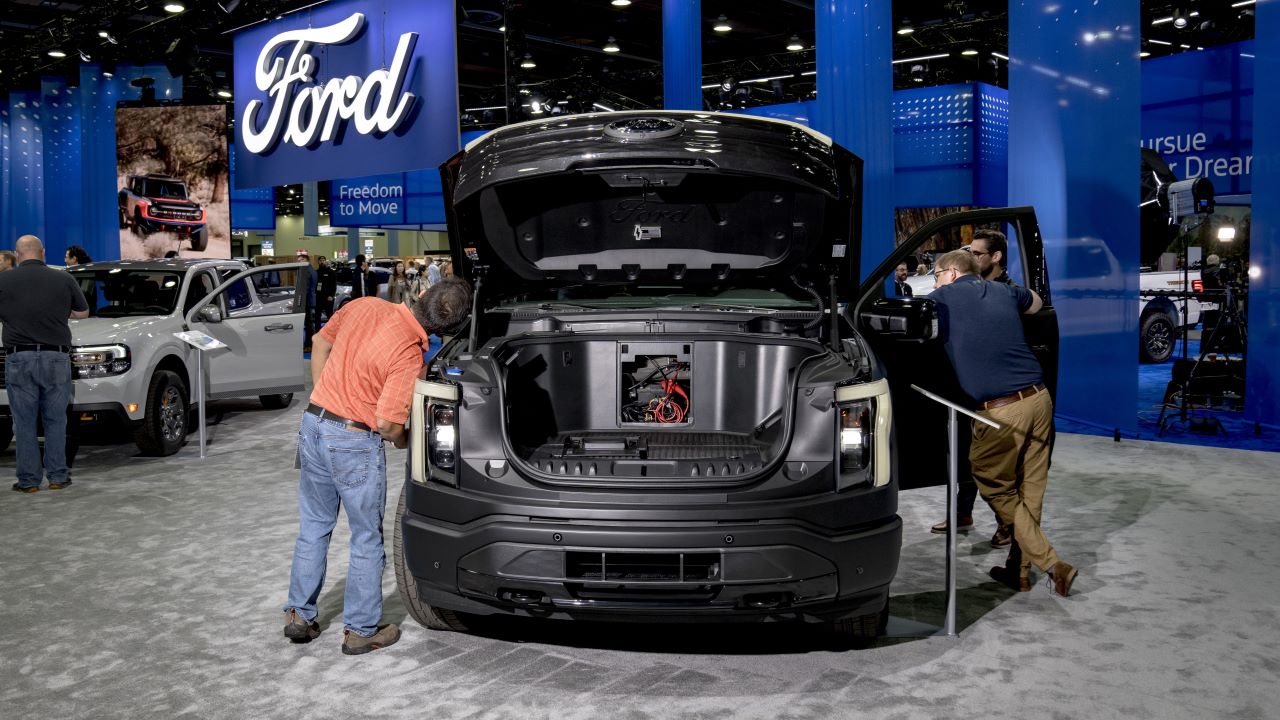
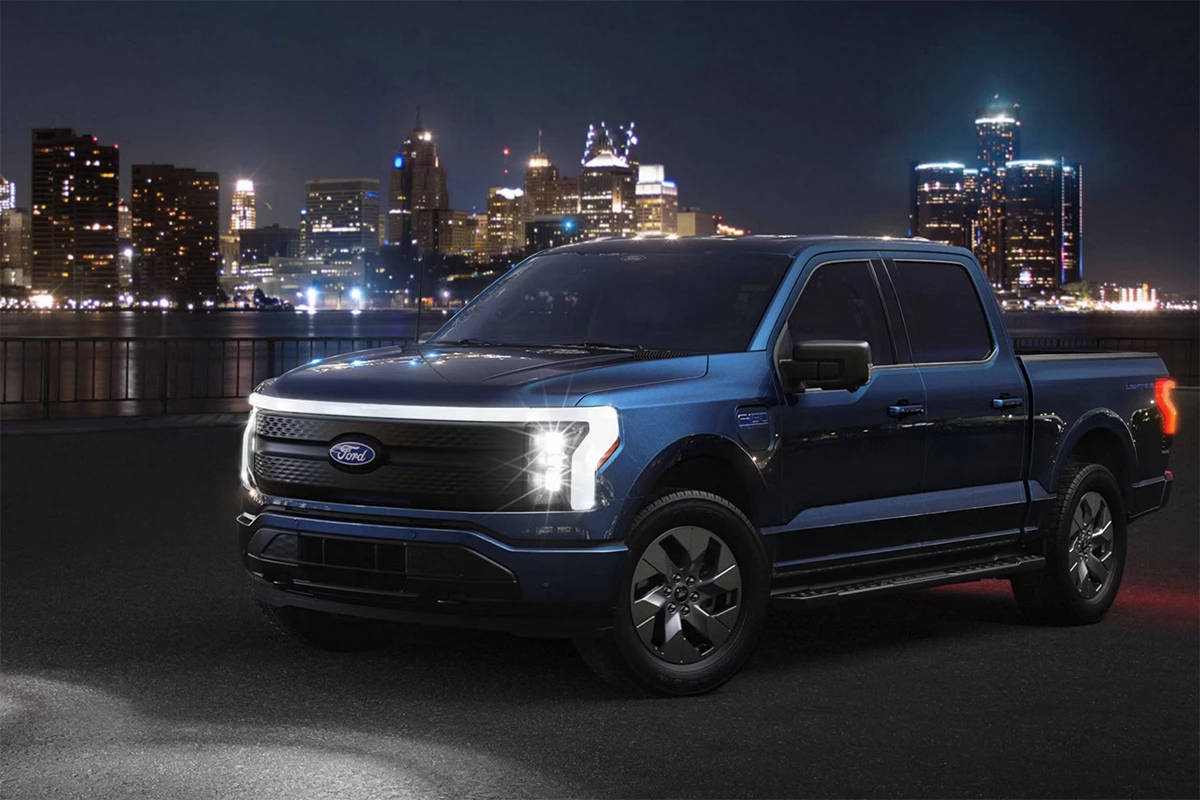
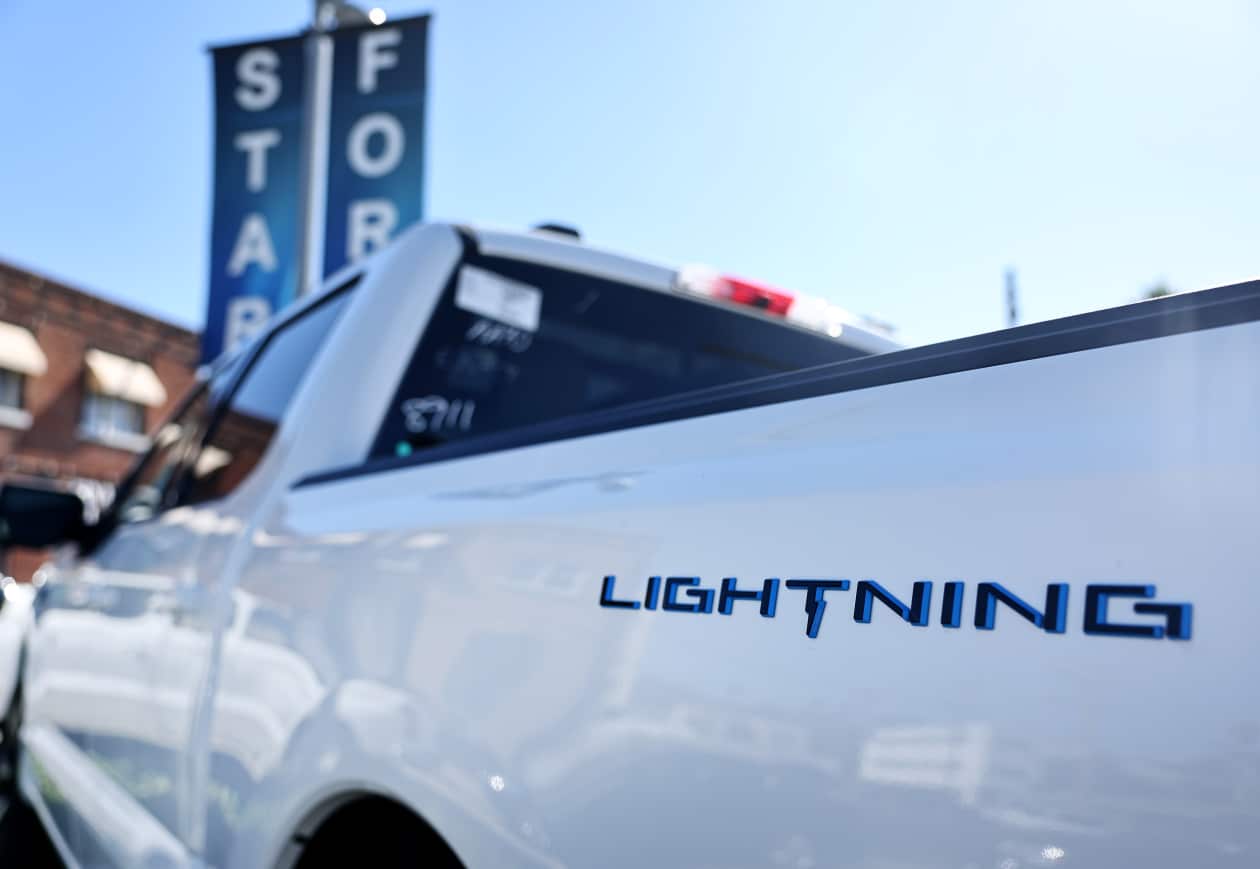
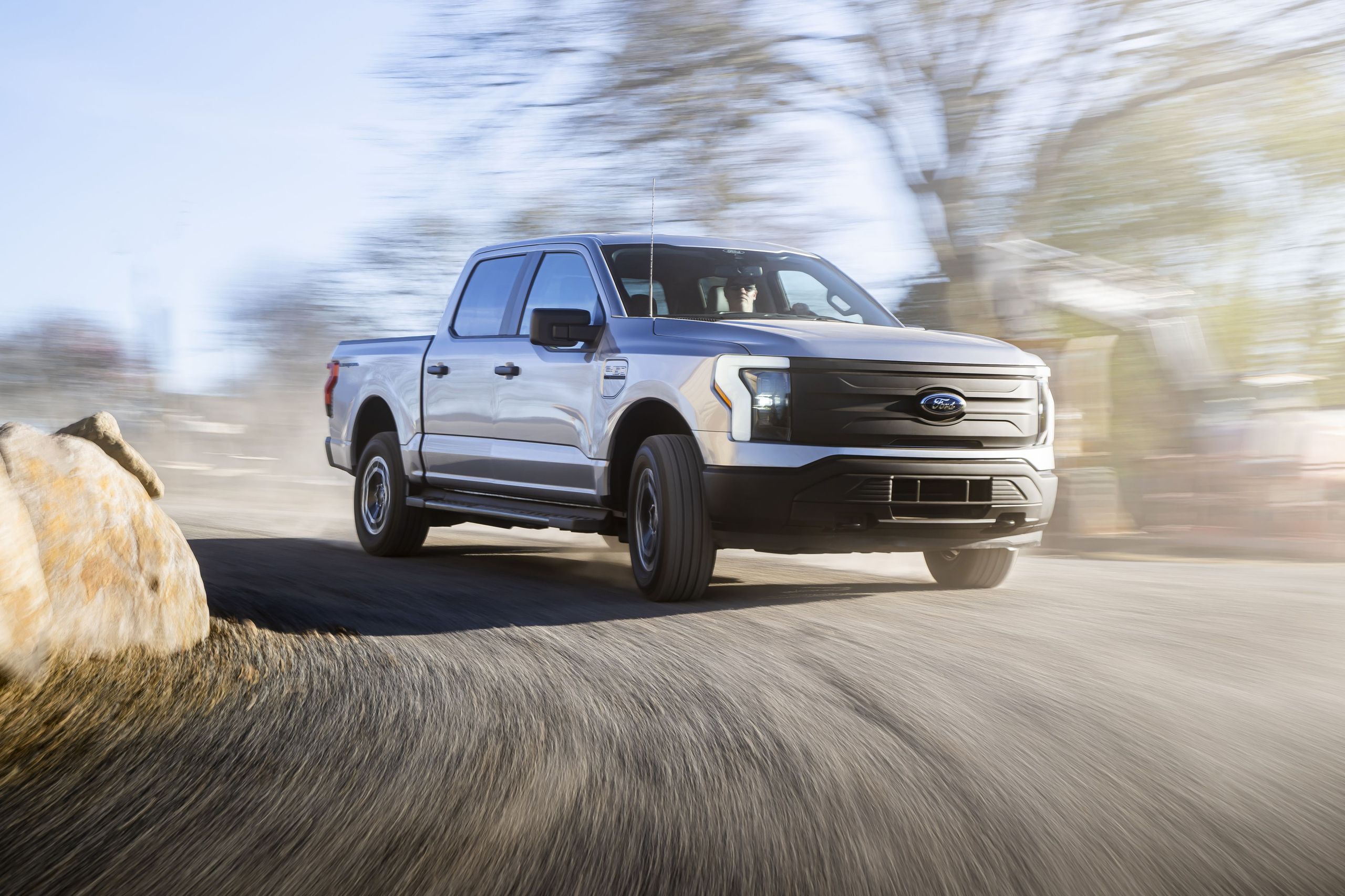
The F-150 Lightning's discontinuation epitomizes this strategic recalibration. Despite initial enthusiasm and a high-profile presidential test drive, the all-electric truck sold only 25,000 units in 2025, dramatically missing its 150,000-unit target. This failure reflects broader market challenges: high production costs, limited consumer demand, and infrastructure constraints that have made pure electric vehicles less attractive than anticipated.
Interestingly, Ford is not abandoning electrification but reimagining it. The company plans to develop next-generation electric vehicles with extended ranges up to 700 miles, invest in hybrid technologies, and even explore adjacent markets like stationary battery storage. By redirecting battery development capabilities toward artificial intelligence data centers, Ford demonstrates a pragmatic approach to technological investment.
The global context adds nuance to this strategy. While the U.S. EV market struggles, China has achieved nearly 50% electric vehicle sales, and the European Union is softening its emissions regulations. This suggests that market readiness for electrification varies dramatically across regions, requiring flexible, adaptive strategies.
For investors, manufacturers, and technology developers, Ford's pivot is a critical signal: sustainable technology transitions require economic pragmatism, not just environmental idealism. The future of transportation will likely be defined by incremental innovation and hybrid solutions, not wholesale technological revolutions.
问题 4
How does this strategy compare globally?
While the U.S. EV market struggles, countries like China have achieved nearly 50% electric vehicle sales. The European Union is also softening emissions regulations, indicating varied global readiness for electric vehicle adoption.
What are the financial implications of Ford's strategy?
Ford is taking a $19.5 billion charge to restructure its EV strategy, reducing EV job projections and refocusing on more profitable hybrid technologies. The company expects its EV business to become profitable by 2029.