
%20(1).webp)



Microsoft's Update Nightmare: Enterprise Systems Paralyzed by Unexpected Security Patch Failures
- Critical infrastructure disruption exposes systemic risks in enterprise IT patch management


概览
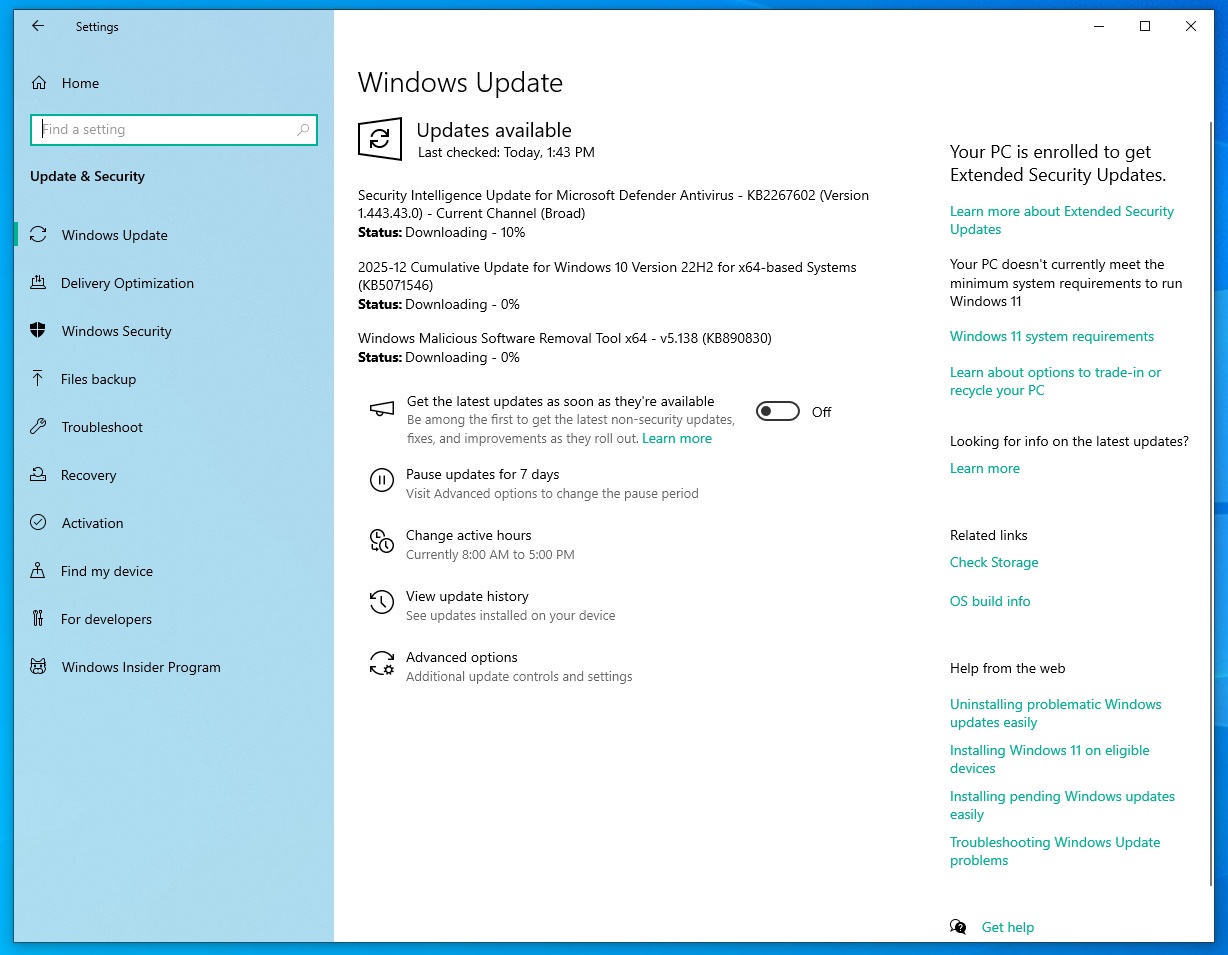
Enterprise IT infrastructure stands at a critical vulnerability point as Microsoft's recent security updates reveal profound systemic weaknesses in patch management and system reliability. The December 2025 Windows 10 Extended Security Update (KB5071546) has exposed a fundamental architectural challenge that could paralyze mission-critical business applications across multiple Windows environments.
The core issue centers on Message Queuing (MSMQ) service disruptions, where seemingly routine security patches fundamentally alter system permissions. By modifying NTFS folder access rights in the C:WindowsSystem32MSMQstorage directory, Microsoft has inadvertently created a cascading failure mechanism that renders enterprise applications inoperable. Service accounts like IIS app pool identities, LocalService, and NetworkService suddenly find themselves locked out of critical system resources.
This incident represents more than a simple software glitch - it signals a deeper structural challenge in enterprise IT maintenance. The update impacts multiple Windows systems, including Windows 10 22H2, Windows Server 2019, and Windows Server 2016, suggesting a widespread architectural vulnerability. Notably, the problem does not affect Windows 11, which hints at potential legacy system design limitations.
The operational consequences are severe: inactive message queues, failed IIS websites, and "insufficient resources" errors that can bring entire enterprise communication infrastructures to a standstill. Microsoft's current recommendation - manually uninstalling the update - reveals the reactive nature of contemporary enterprise software management.
Strategic implications are profound for IT decision-makers. This incident underscores the critical need for:
- Rigorous pre-deployment patch testing
- Maintaining granular system permission architectures
- Developing more resilient enterprise software ecosystems
- Creating robust rollback and mitigation strategies for critical infrastructure components
The update fiasco demonstrates that in an increasingly complex technological landscape, seemingly minor permission changes can trigger catastrophic systemic failures.
问题 4
What specific technical issue is causing enterprise system failures?
The December 2025 Windows 10 security update (KB5071546) modifies NTFS folder permissions in the MSMQ storage directory, preventing critical service accounts from accessing necessary system resources. This leads to inactive message queues, IIS website failures, and 'insufficient resources' errors across enterprise environments.
What are the long-term implications of this update failure?
This incident highlights the critical need for more resilient enterprise software architectures, emphasizing the importance of rigorous patch testing, granular permission management, and proactive system reliability strategies. It signals a growing complexity in enterprise IT maintenance that requires more sophisticated management approaches.