


.jpg)

Strategic Career Moves Beyond the Playbook: When Professional Benefits Outweigh Athletic Performance
- Revealing how strategic personal considerations reshape professional athlete decision-making







概览
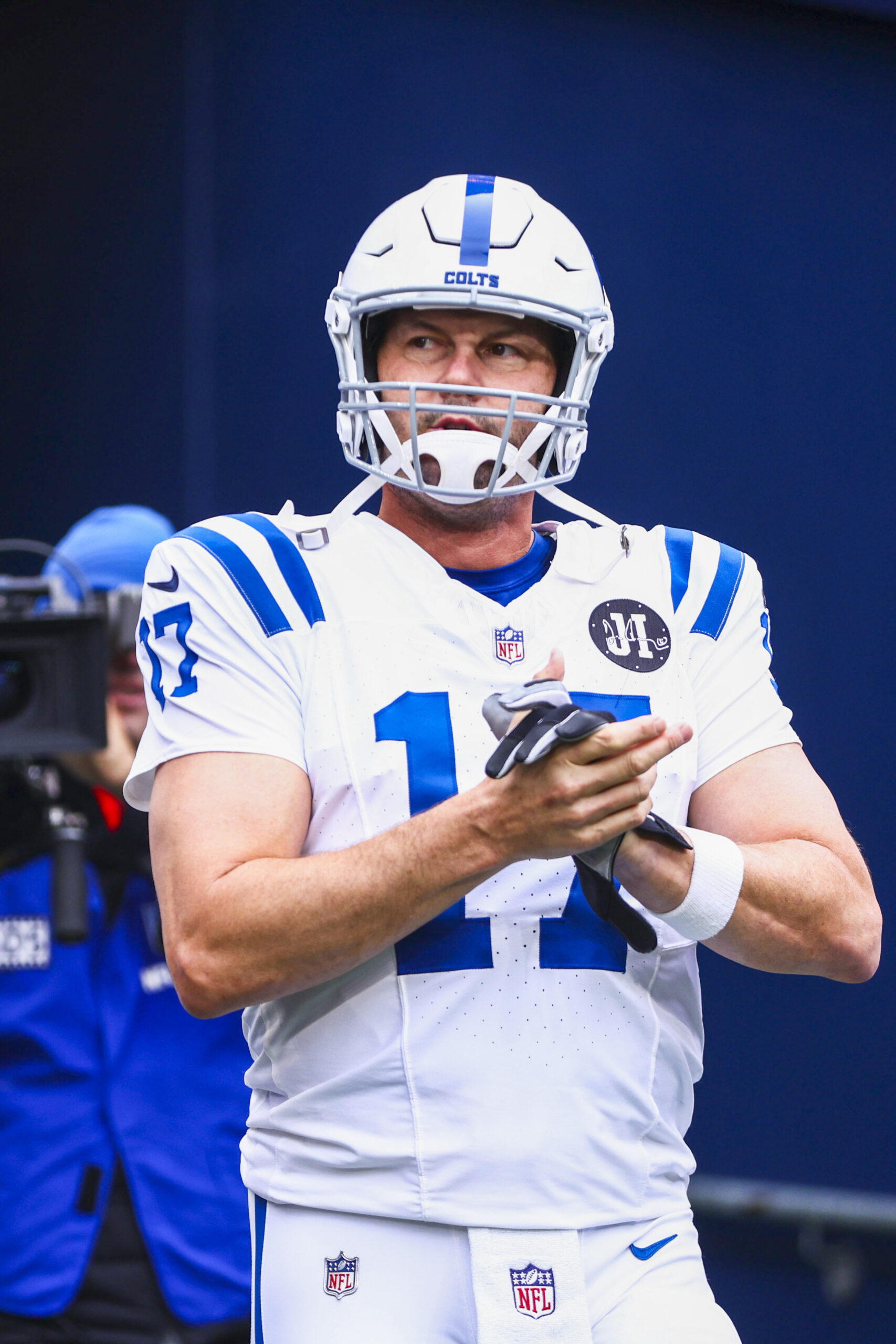
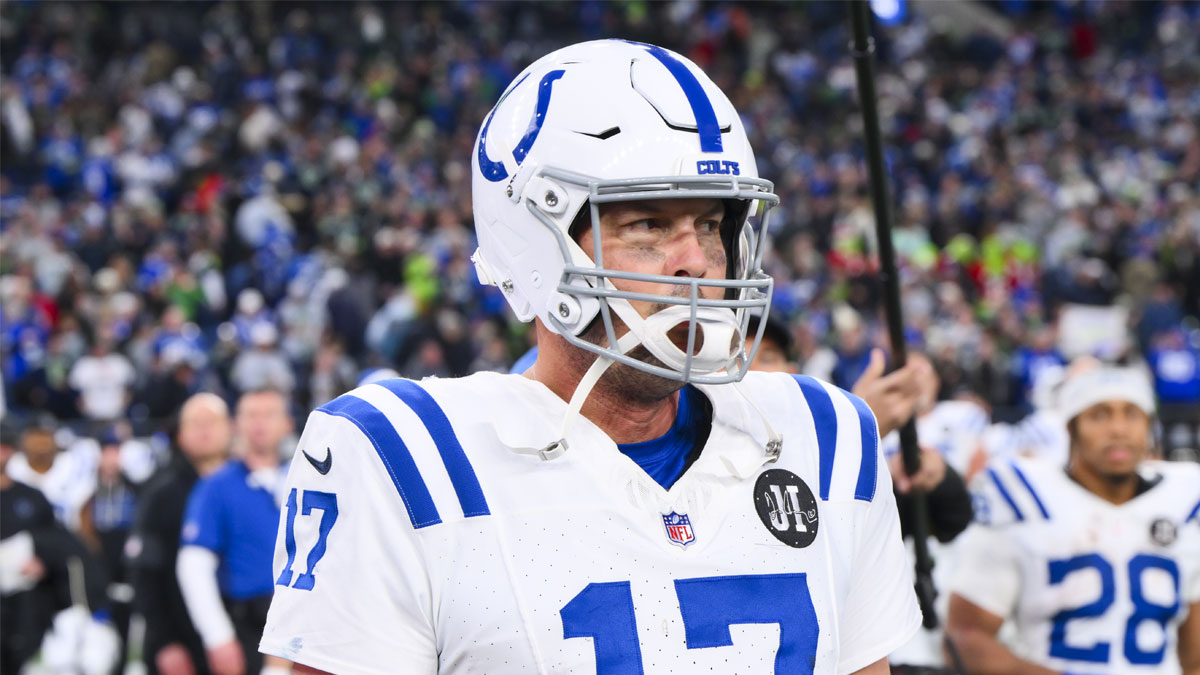
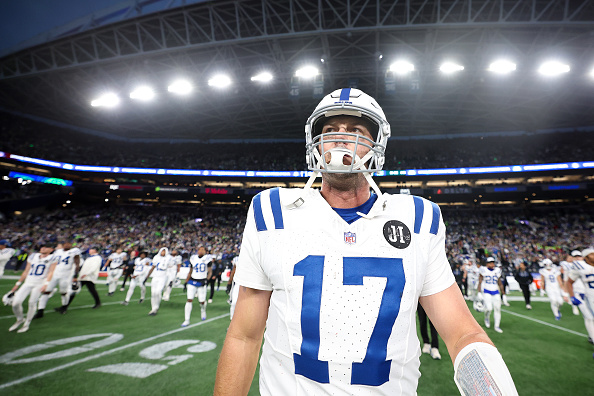
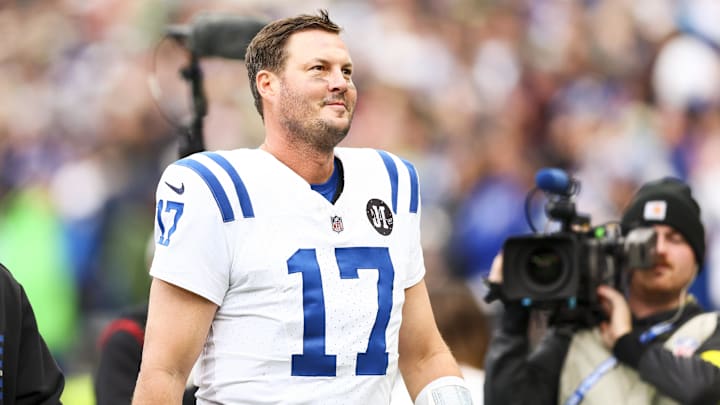
In the high-stakes world of professional sports, career decisions are increasingly driven by pragmatic considerations that extend far beyond athletic performance. The case of Philip Rivers illuminates a profound trend: professional athletes are strategically navigating their careers through the lens of long-term personal and financial sustainability.
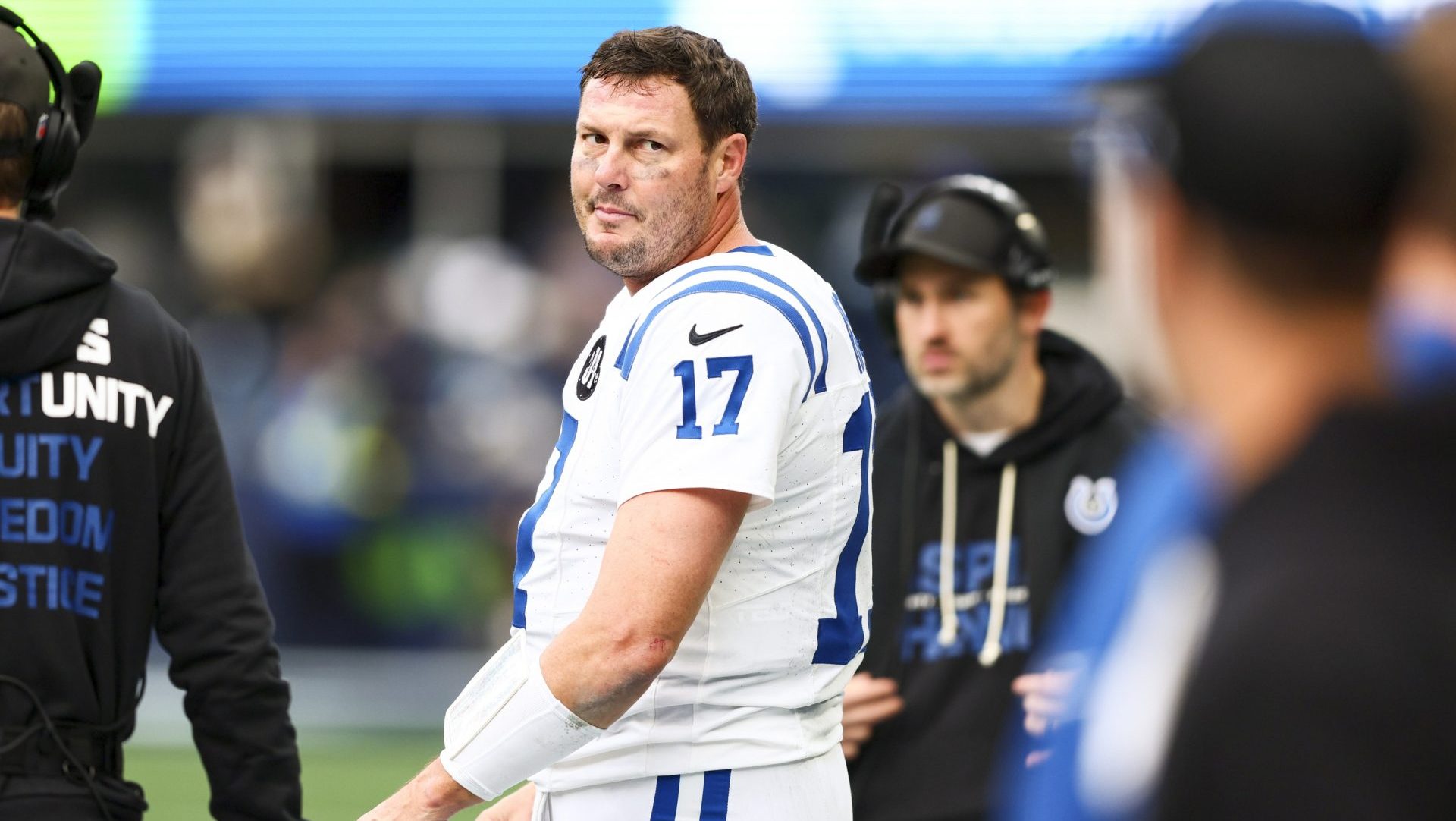
Rivers' unexpected return to the Indianapolis Colts represents more than a typical comeback narrative. With 10 children and a strategic approach to family healthcare, he exemplifies how athletes are treating their careers as complex economic ecosystems. By returning to the NFL roster, Rivers isn't just playing football—he's executing a calculated maneuver to secure comprehensive health insurance until August 2031, demonstrating that professional athletes increasingly view their careers through a multidimensional lens.
The underlying logic is compelling: despite earning $244.2 million during his 17-year career, Rivers prioritized securing continuous health coverage for his family. This reveals a critical insight about modern professional sports—financial success doesn't automatically translate to comprehensive long-term security. The 2006 NFL Players Association agreement, which grants health insurance to players on a roster for three seasons, becomes a strategic lever for career extension.
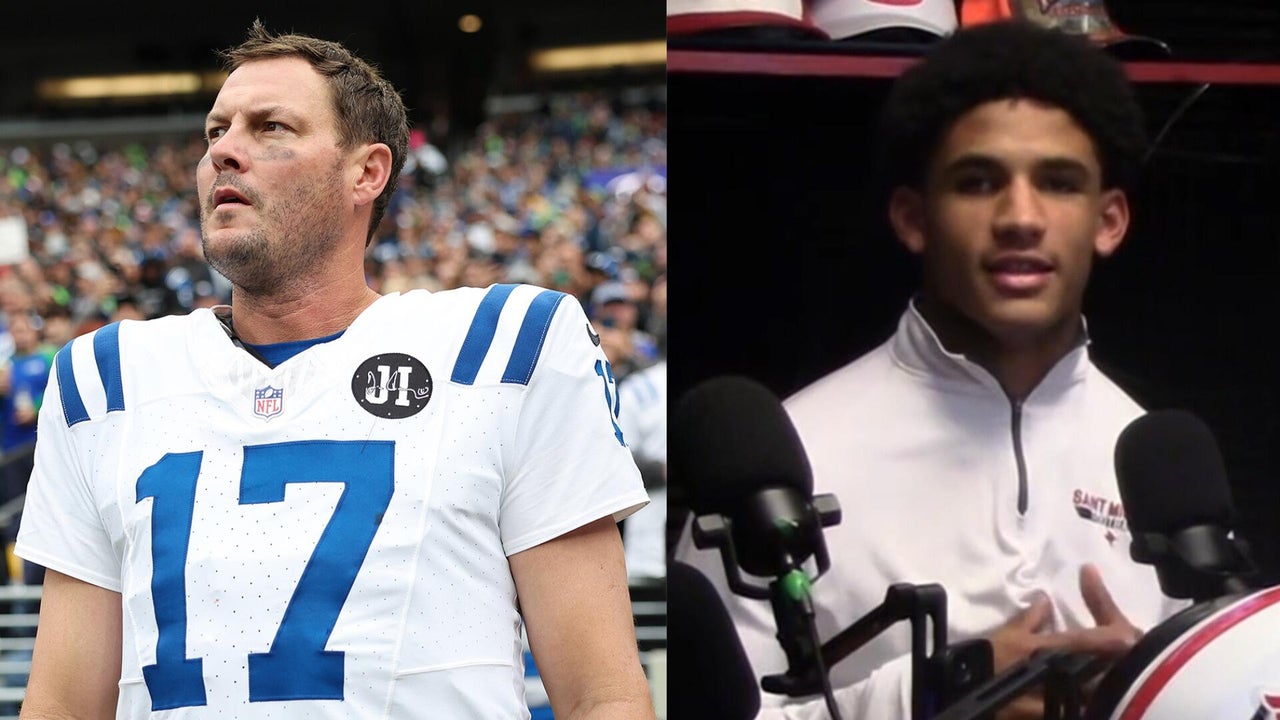
Looking deeper, Rivers' decision highlights a broader trend of athletes treating their careers as flexible, adaptable portfolios. By simultaneously coaching his son's high school football team and maintaining an NFL roster spot, he's creating a multi-dimensional professional identity. This approach suggests that career longevity is no longer about continuous peak performance, but about strategic positioning, benefit optimization, and maintaining flexible professional options.
The implications extend beyond individual athletes. This trend signals a fundamental shift in how professional sports careers are conceptualized—not as linear trajectories, but as dynamic, strategically managed life chapters where personal welfare takes precedence over traditional performance metrics.
问题 3
How does Rivers' decision reflect broader trends in professional sports careers?
His move illustrates a shift from viewing careers as linear performance paths to flexible, strategically managed portfolios. Athletes are now prioritizing long-term personal sustainability, benefits, and multi-dimensional professional identities over traditional athletic trajectories.
Why did Philip Rivers return to the NFL despite previously retiring?
Rivers strategically returned to maintain his family's health insurance coverage until August 2031. By staying on an NFL roster, he ensures comprehensive healthcare for his 10 children, demonstrating how professional athletes now view their careers through long-term personal benefit lenses.