
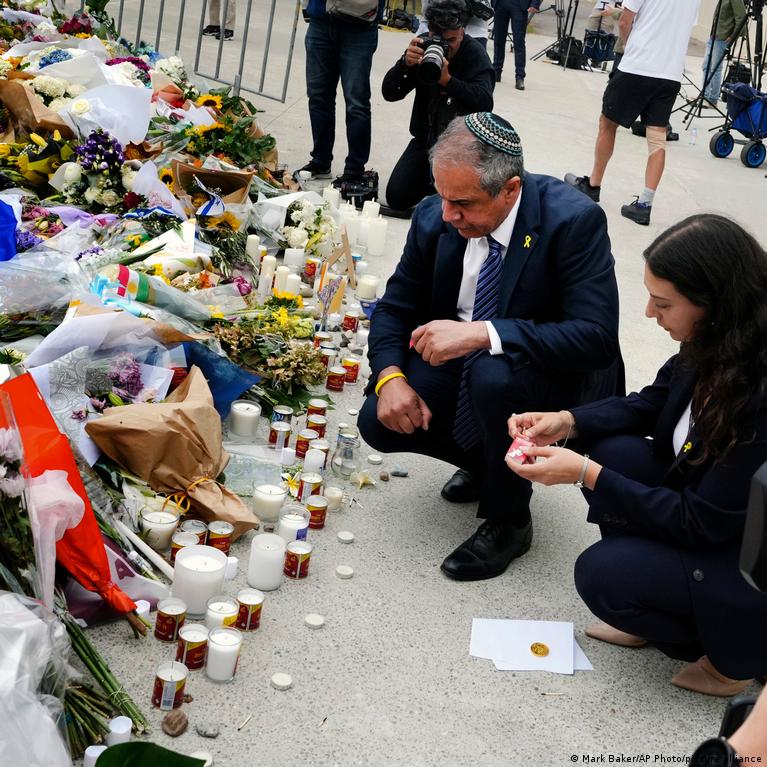
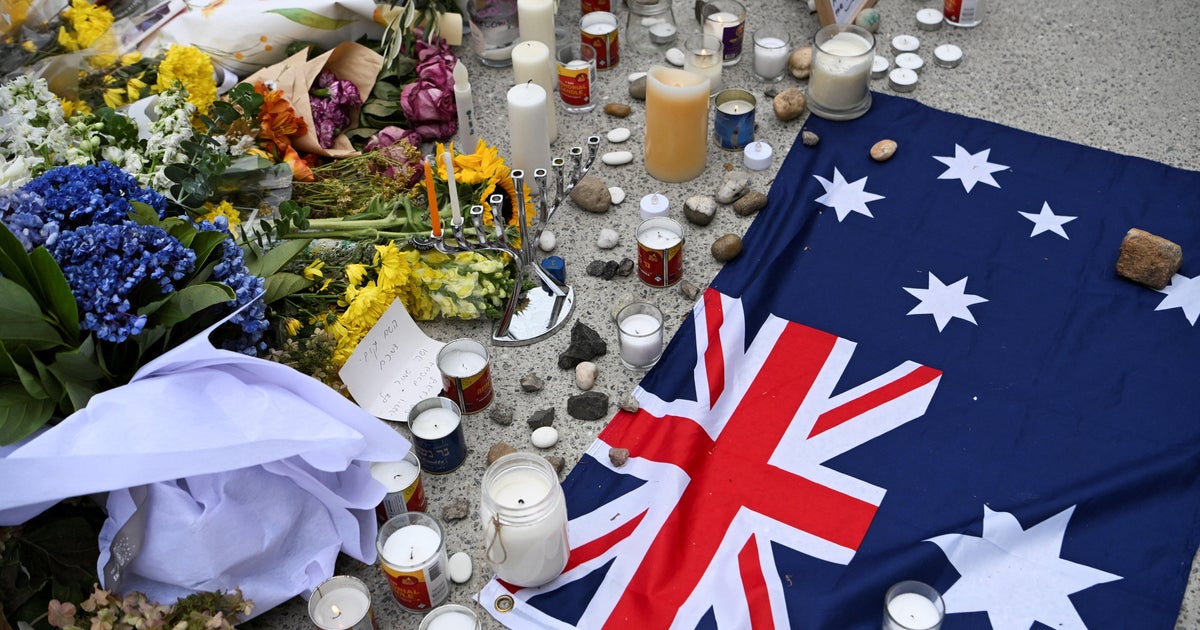


Terror at Bondi Beach: The Anatomy of a Targeted Antisemitic Attack
- Revealing the Complex Landscape of Radicalization and Community Vulnerability


























概览
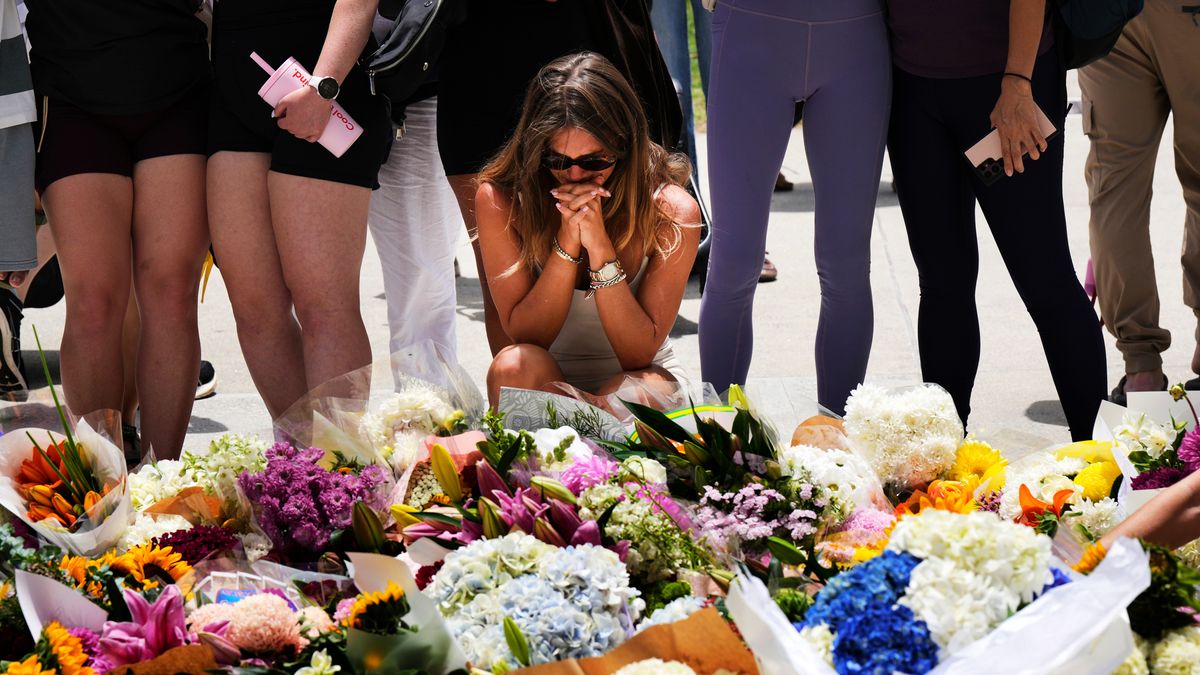
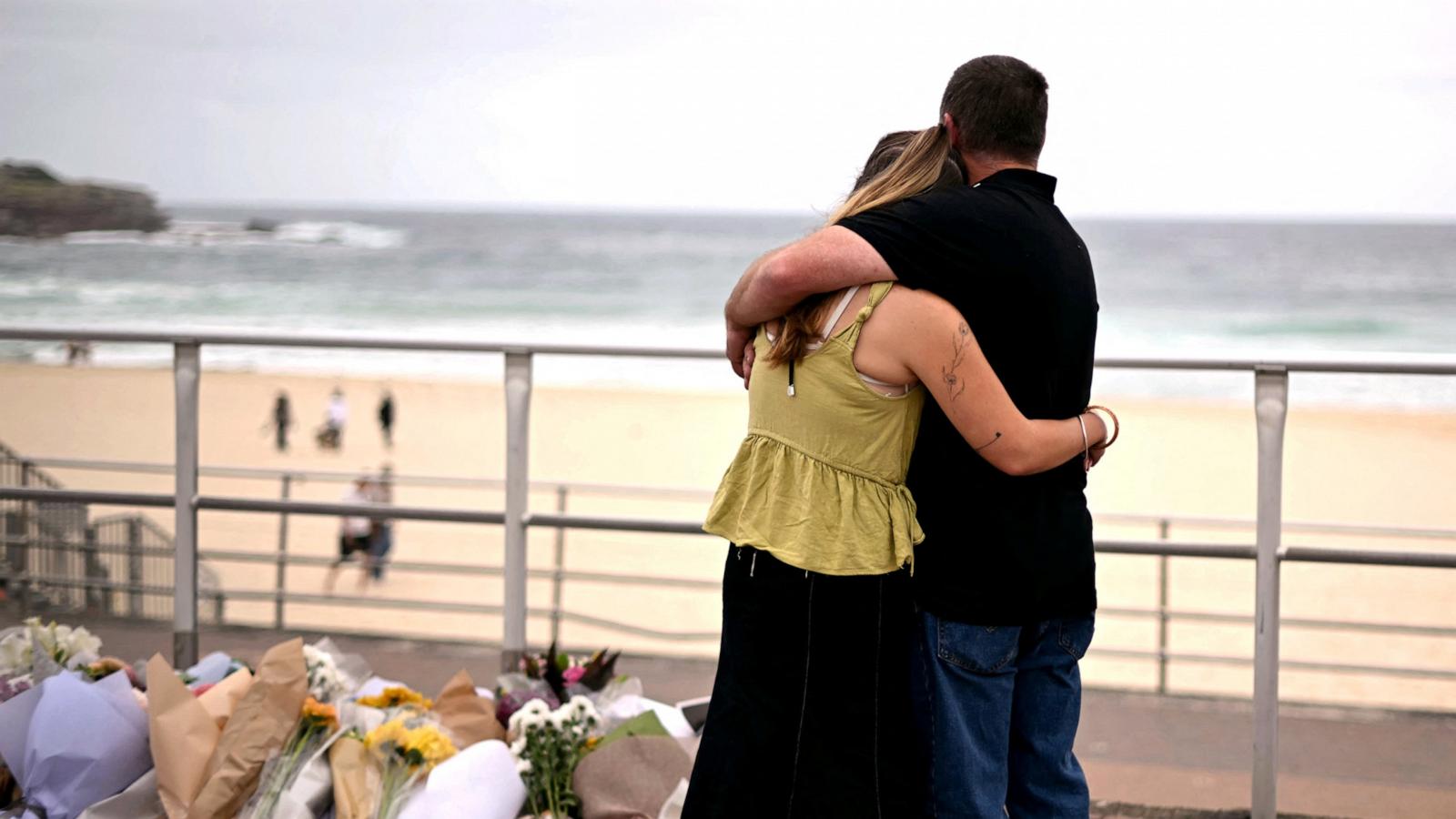
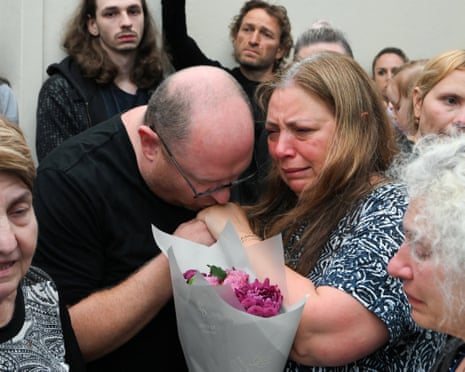
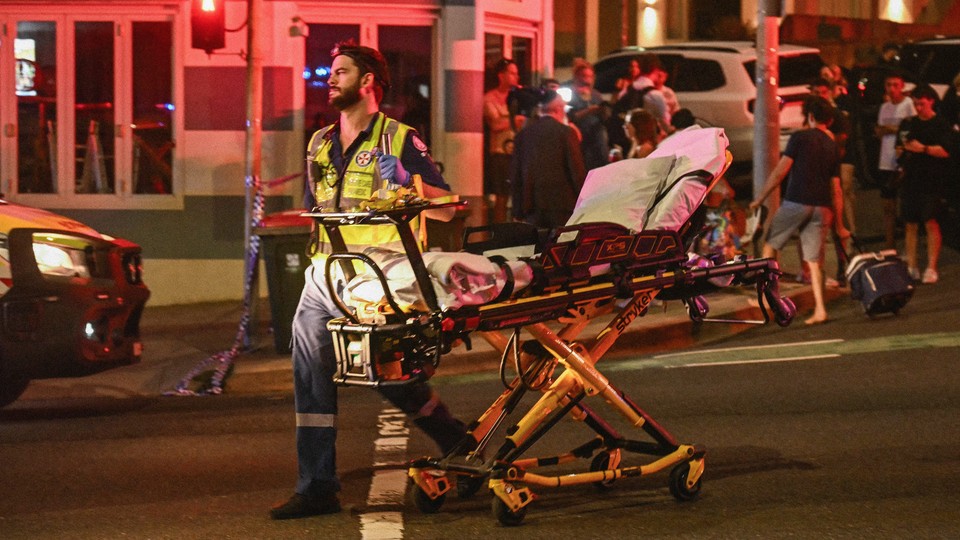
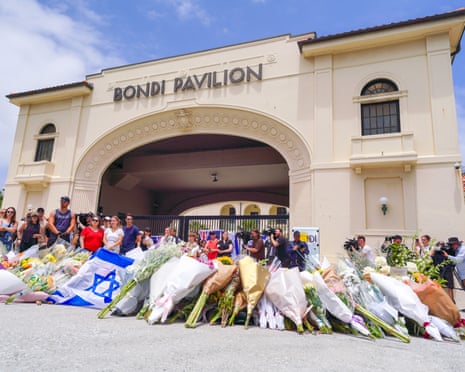
The Bondi Beach terrorist attack represents a critical inflection point in understanding contemporary antisemitic violence and the intricate pathways of radicalization. On a tragic Sunday during Hanukkah celebrations, a father-son duo named Sajid and Naveed Akram executed Australia's worst mass shooting in decades, killing 15 people and exposing deep societal vulnerabilities.
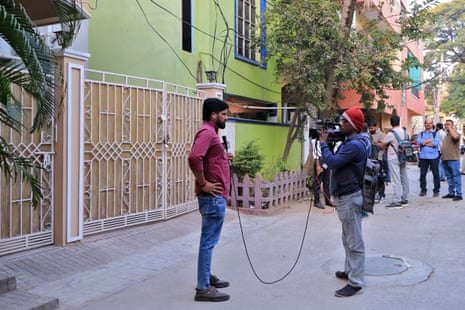
The attack's complexity lies not just in its brutality, but in its systemic implications. Terrorist networks increasingly exploit transnational migration patterns, with the Akrams demonstrating a disturbing model of localized radicalization. Sajid Akram, an Indian immigrant to Australia since 1998, underwent a transformation that escaped even his family's detection—highlighting the invisible processes of ideological recruitment.
Key forensic details reveal a meticulously planned assault: ISIS flags in their vehicle, potential military-style training in the Philippines, and a targeted attack on a Jewish community gathering. The geographical mobility of these attackers—moving between India, Australia, and the Philippines—suggests a sophisticated terror infrastructure that transcends traditional national boundaries.
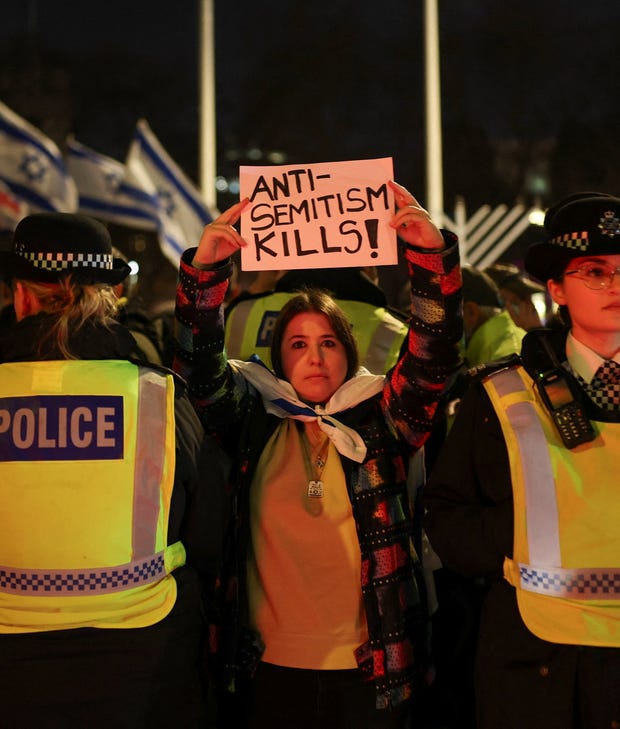
The incident exposes multiple systemic failures. According to the Executive Council of Australian Jewry, antisemitic incidents have increased fivefold since the Hamas attacks on October 7, 2023. This surge indicates a broader, more insidious trend of normalized hate that extends beyond isolated incidents.
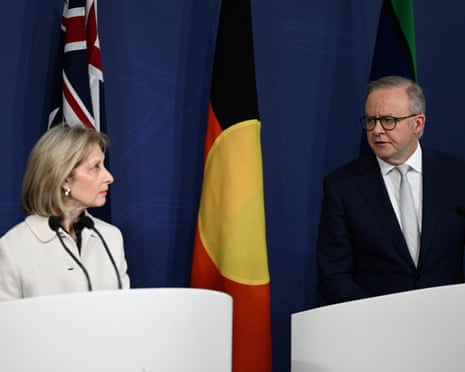
Critically, the attack prompted immediate governmental responses, including potential legislative actions around gun control, hate speech, and community security. These reactive measures underscore the urgent need for proactive, multi-dimensional strategies addressing radicalization's root causes.
问题 3
What makes this attack different from previous antisemitic incidents?
The Bondi Beach attack represents a significant escalation in both scale and strategic planning. Unlike previous incidents, this attack showed evidence of potential international coordination, military-style preparation, and a deliberate targeting of a Jewish community gathering during a religious celebration.
What immediate policy changes might result from this attack?
Australian authorities are likely to draft comprehensive legislation addressing multiple dimensions: tightening gun control, enhancing hate speech regulations, increasing security around religious institutions, and developing more robust mechanisms for tracking potential terrorist threats across migration networks.