






EU's Frozen Russian Assets Gambit: A High-Stakes Financial Warfare Strategy
- Unprecedented Reparations Loan Reveals New Geopolitical Economic Weapon





概览
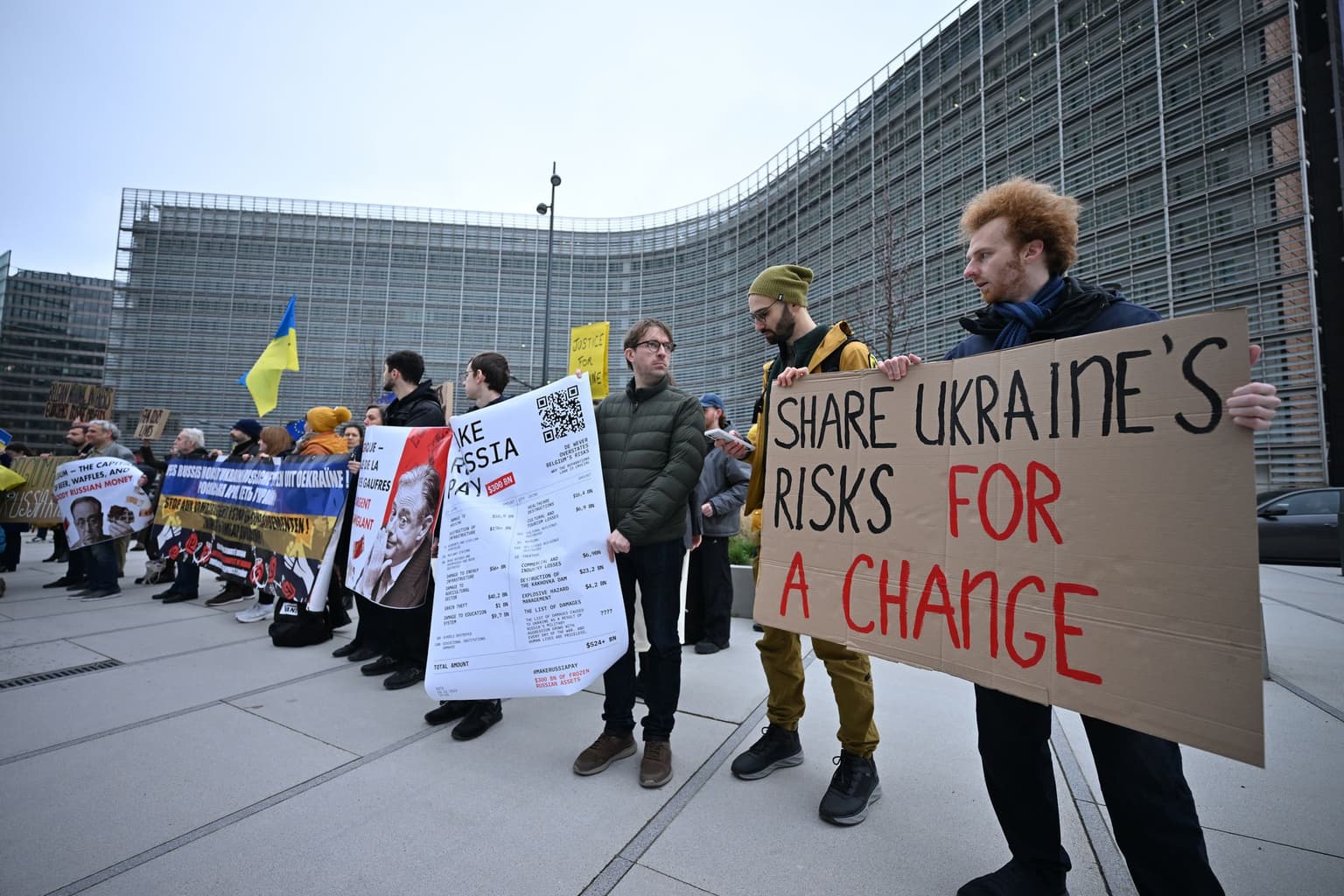
The European Union stands at a critical geopolitical crossroads, weaponizing financial mechanisms to transform Russia's frozen assets into a strategic instrument of support for Ukraine. At the heart of this unprecedented maneuver lies a €210 billion financial chess game that could fundamentally reshape international conflict resolution strategies.
Geopolitical Financial Innovation emerges as the core narrative. The EU is pioneering a novel approach by proposing to use frozen Russian central bank assets as a zero-interest loan mechanism for Ukraine's reconstruction. This isn't merely financial assistance—it's a sophisticated form of economic pressure that transforms asset seizure from a punitive measure into a proactive reconstruction strategy. The mechanism cleverly links loan repayment to Russia's future war reparations, creating a powerful deterrence framework.
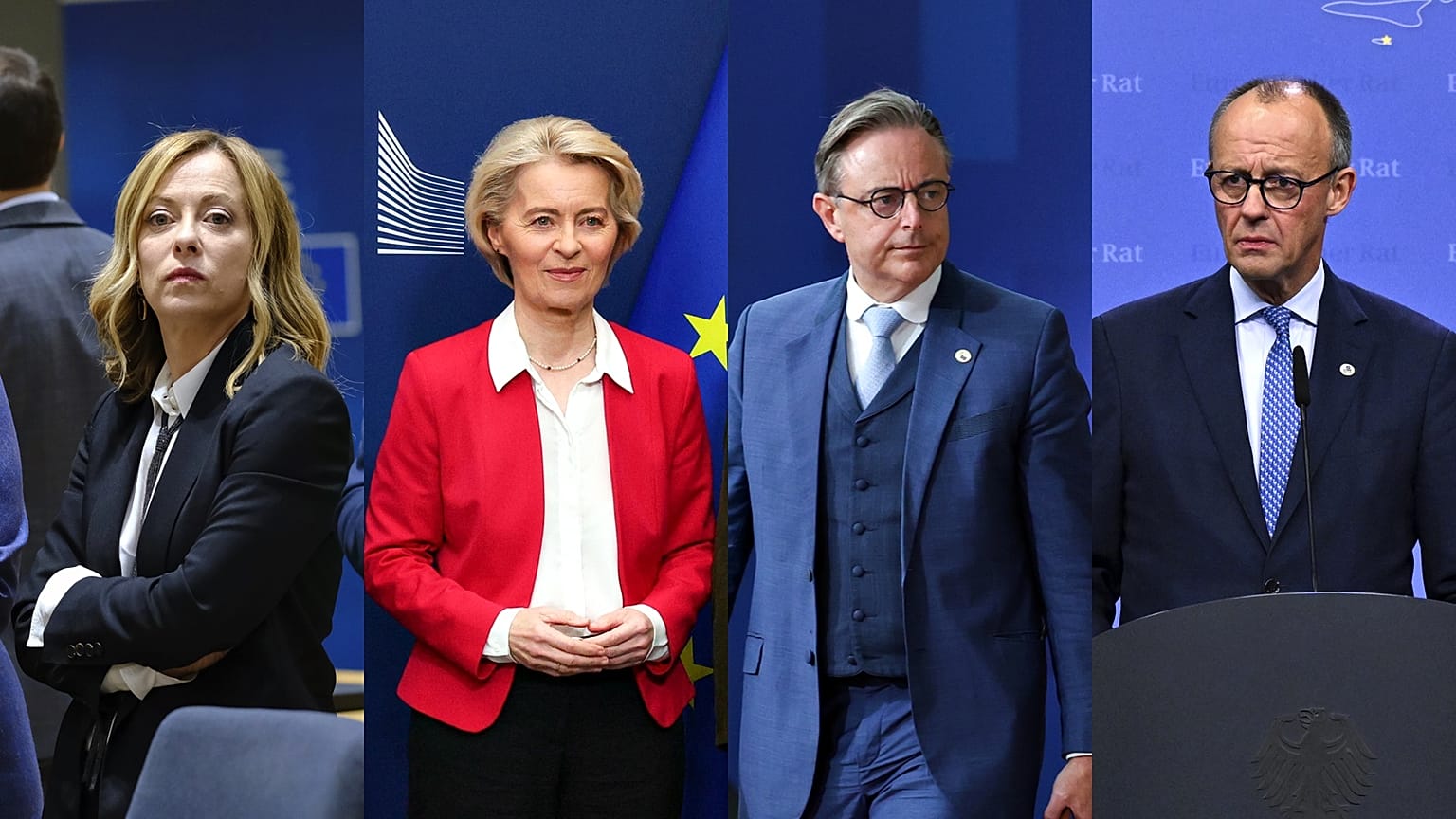
The strategic complexity is profound. With 25 out of 27 EU member states supporting asset immobilization, the plan represents a coordinated response to Russia's invasion. Germany's Chancellor Merz frames this as existential—warning that failure could "severely damage" EU credibility for years. The stakes extend far beyond Ukraine, signaling a potential paradigm shift in how international financial systems can be leveraged as geopolitical instruments.
However, significant fault lines exist. Belgium, holding the majority of frozen assets, remains hesitant. Russia has already escalated tensions by filing a lawsuit against Euroclear, the financial services provider managing these assets. The United States appears ambivalent, seemingly pushing back against the EU's independent reconstruction efforts.
The upcoming EU summit represents a pivotal moment. The proposed zero-interest reparations loan is more than a financial instrument—it's a test of European unity, strategic resolve, and the emerging doctrine of economic statecraft. By making reconstruction funding contingent on Russia's future actions, the EU is creating a sophisticated mechanism of long-term geopolitical leverage.
问题 3
How does the EU plan to use frozen Russian assets to support Ukraine?
The EU proposes a zero-interest €90 billion reparations loan using frozen Russian central bank assets, with repayment contingent on Russia ending the war and compensating for damages. This innovative mechanism transforms asset seizure into a reconstruction funding strategy.
What are the potential risks of this financial strategy?
Key risks include potential legal challenges from Russia, hesitation from Belgium (where most assets are held), and the possibility of prolonged international financial disputes. The strategy's success depends on maintaining EU unity and navigating complex geopolitical tensions.