


RAM Price Apocalypse: How AI and Scarcity Are Rewriting the Electronics Supply Chain
- Unprecedented memory pricing disruption threatens global device manufacturing and consumer electronics ecosystem





概览
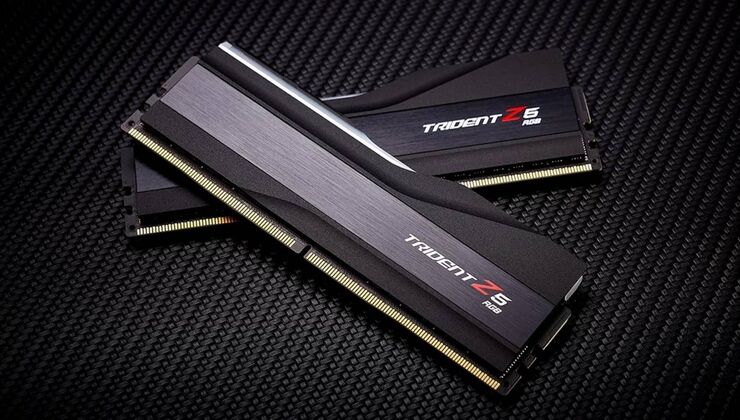
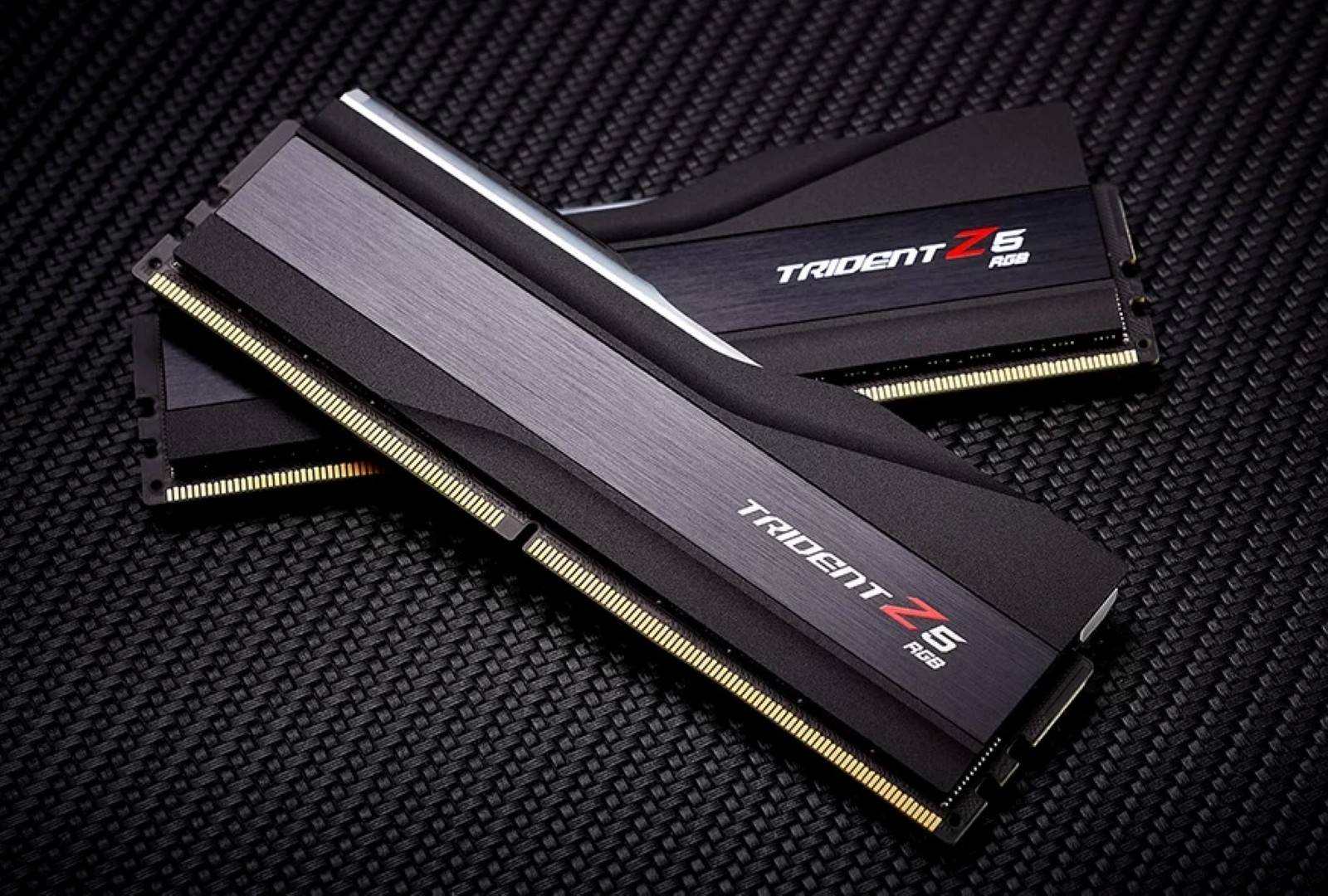
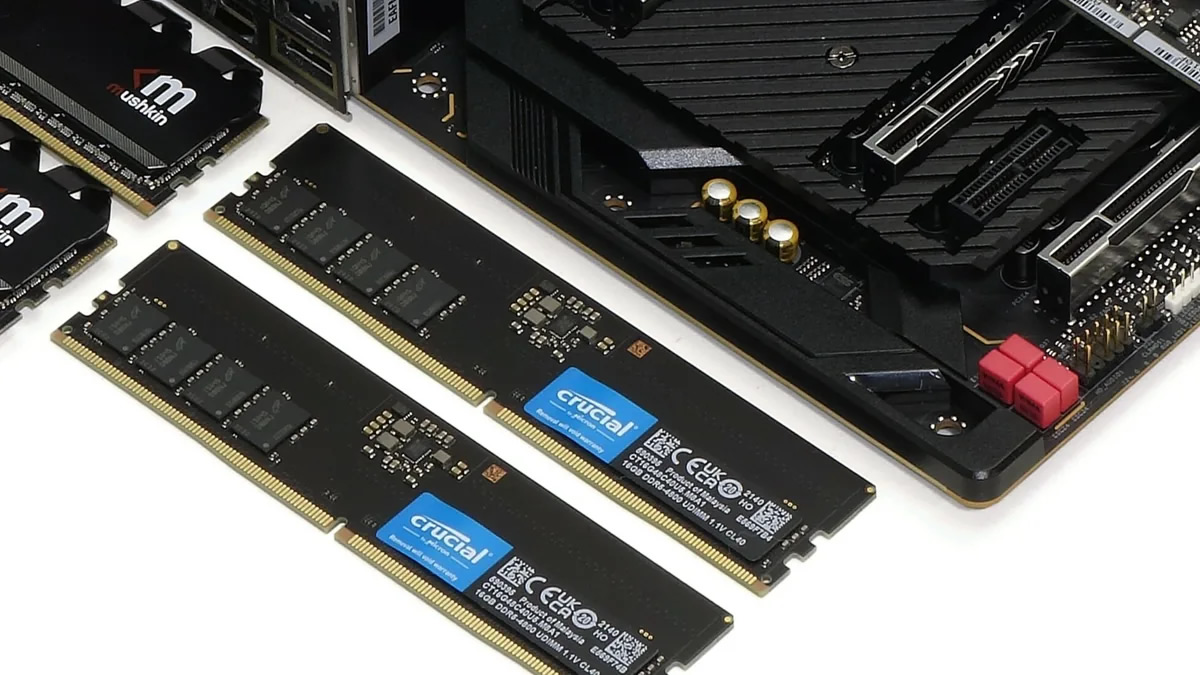
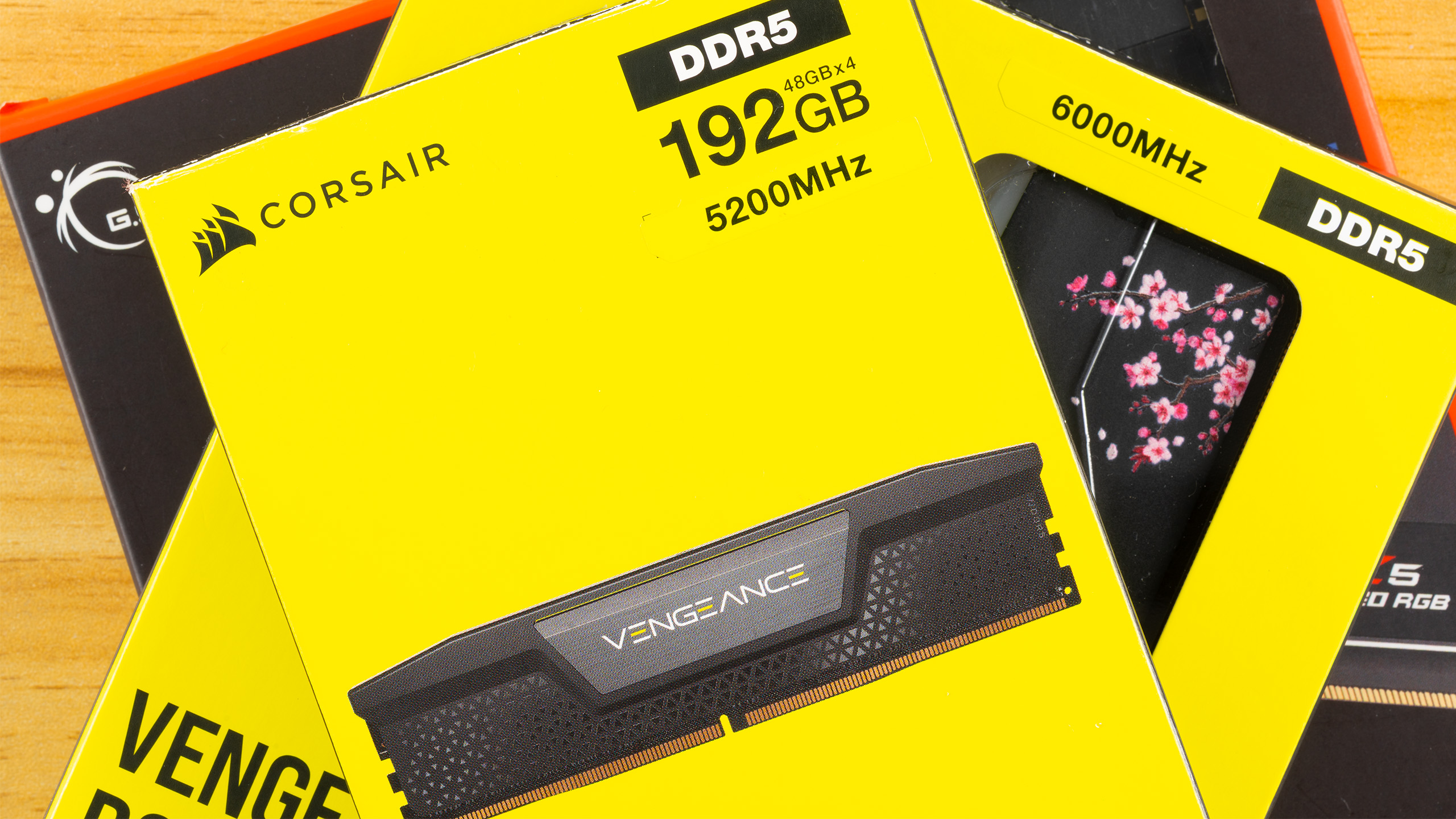
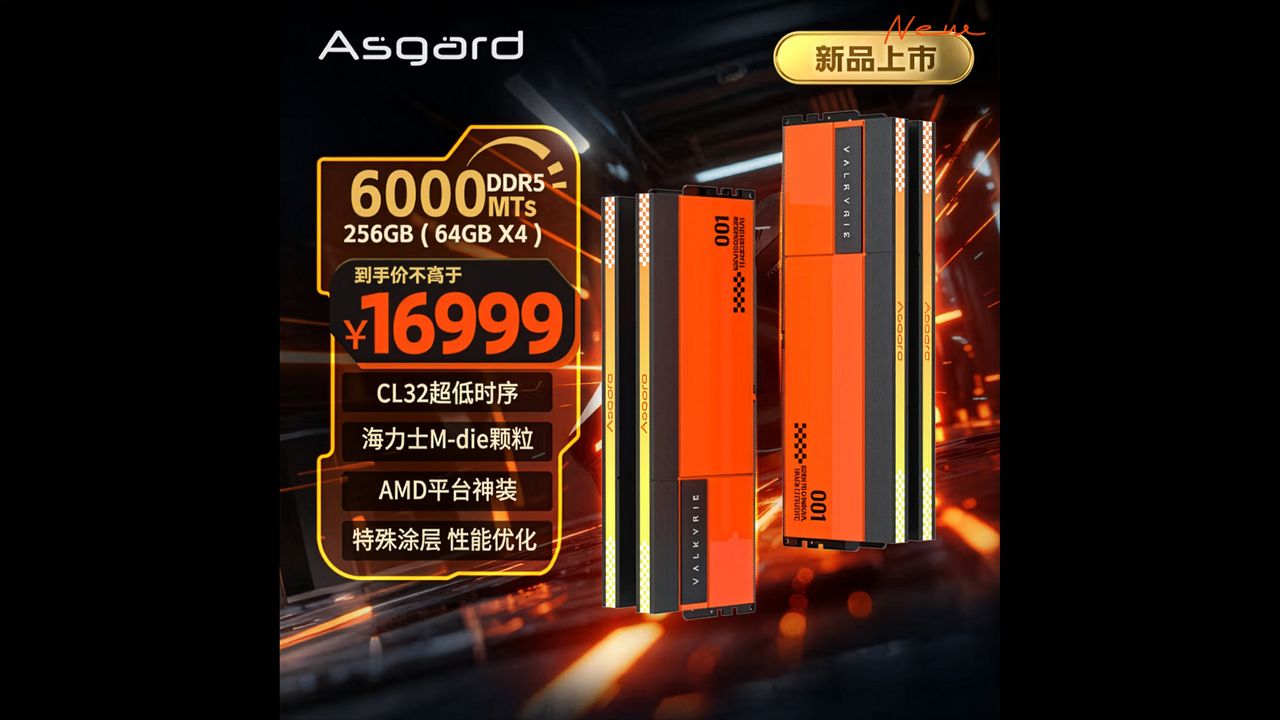
The global semiconductor memory market is experiencing a seismic transformation, driven by an unprecedented convergence of AI demand, supply constraints, and speculative market dynamics. Samsung's dramatic 100% price hike for DDR5 memory signals a fundamental restructuring of the electronics supply chain that will reverberate through multiple industries in 2026 and beyond.
The core driver of this disruption is the explosive growth in AI datacenter infrastructure, where deep-pocketed technology companies are purchasing RAM at an unprecedented scale. Over the past 90 days, DDR5 memory prices have surged between 178-258%, creating a supply-demand imbalance that transcends traditional production economics. This isn't merely a pricing adjustment, but a strategic reconfiguration of the entire memory ecosystem.
Device manufacturers are already implementing defensive strategies. Smartphone makers are contemplating returning to 4GB RAM base models, effectively reversing a decade of memory expansion. PC manufacturers like Dell are preparing for 10-30% price increases, with ultra-thin laptops facing the most significant challenges. The market is witnessing a rare moment where technological demand is completely reshaping product specifications and pricing models.
The situation has escalated to the point of market speculation, with eBay becoming a hotbed for RAM scalping. Some DDR5 memory modules are being listed for over $2,000, representing markups of up to 7x their original value. This isn't just a pricing anomaly—it's a structural shift that exposes the fragility of global semiconductor supply chains.
For cross-border sellers and electronics manufacturers, the implications are profound. The memory market is no longer predictable or linear. Successful navigation will require rapid adaptation, alternative sourcing strategies, and a willingness to fundamentally rethink product configurations in response to these unprecedented constraints.
问题 3
What opportunities exist for electronics sellers in this volatile market?
Cross-border sellers can explore arbitrage opportunities by sourcing RAM from different international markets. Additionally, sellers specializing in computer hardware might find lucrative niches by offering alternative memory solutions or helping manufacturers navigate these supply constraints.
Why are DDR5 memory prices increasing so dramatically?
The primary driver is unprecedented AI datacenter demand, where technology companies are purchasing massive quantities of high-performance RAM. Unlike previous market shifts, this price surge is driven by market dynamics rather than increased production costs, creating a severe supply-demand imbalance.