


Water Wars and Agricultural Survival: Iraq's Existential Climate Challenge
- Drought Transforms the Fertile Crescent into a Critical Food Security Battleground







概览
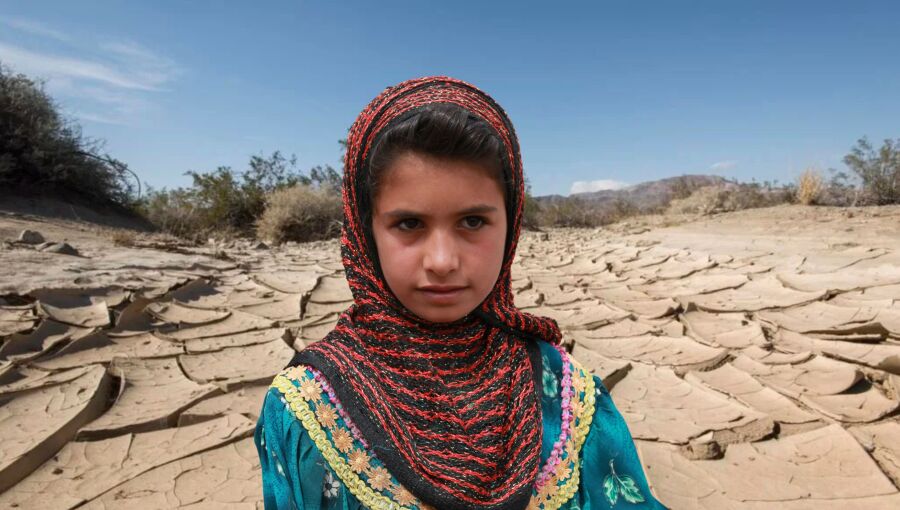
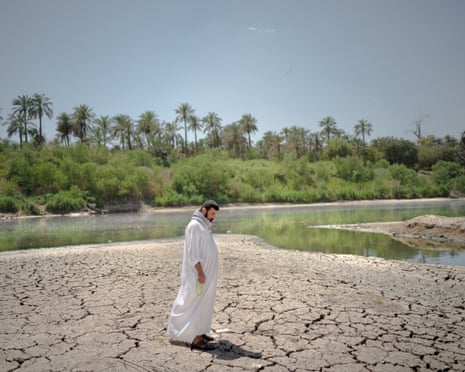
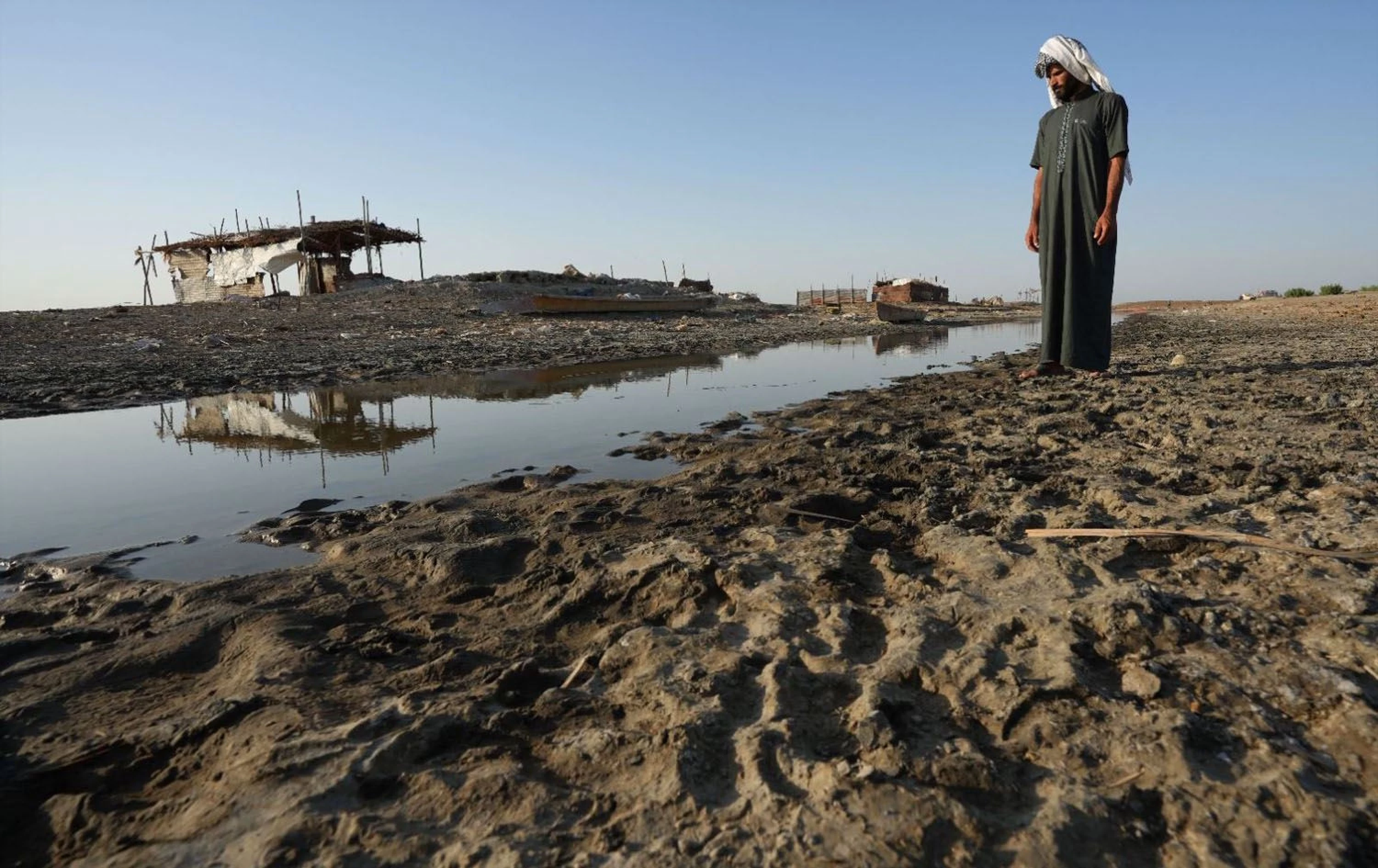
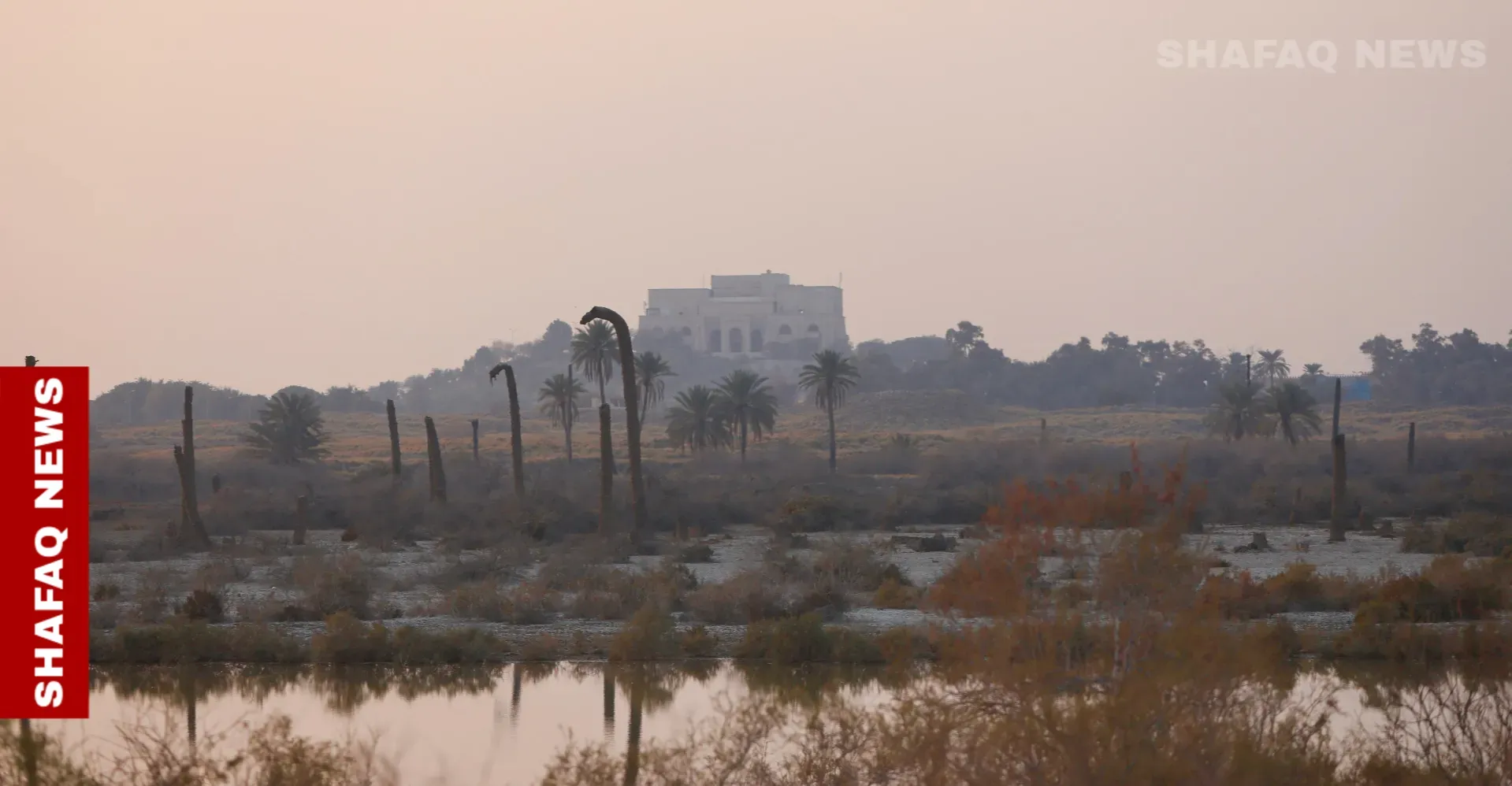
The Fertile Crescent, once humanity's agricultural cradle, now stands at a critical inflection point where climate change and water scarcity are rewriting the region's economic and geopolitical landscape. Iraq's agricultural future hangs in a delicate balance, with water reserves plummeting from 60 billion cubic meters in 2020 to less than 4 billion today—a staggering 93% reduction that threatens not just farming, but national food security and economic stability.
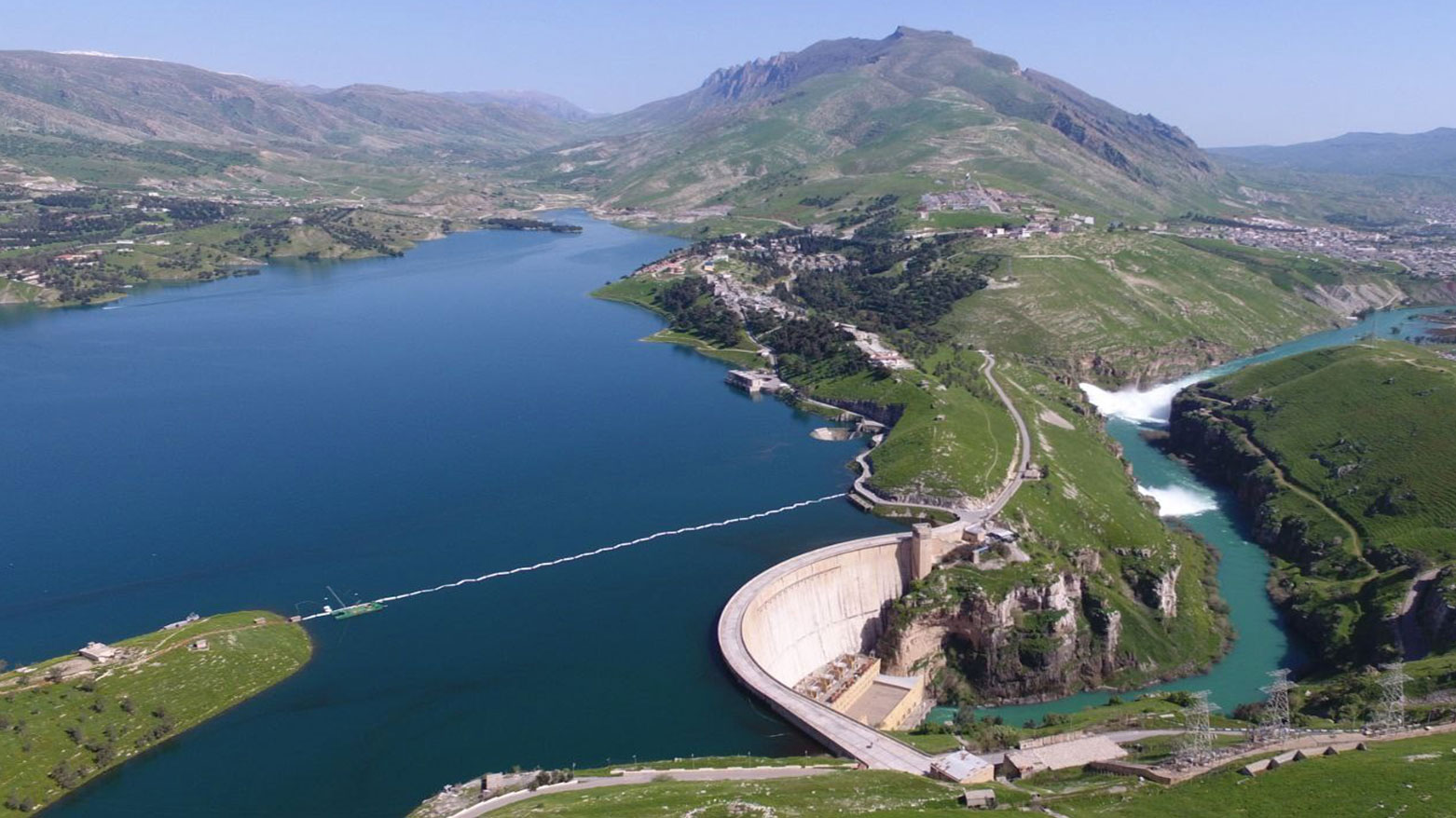
Strategic Water Dynamics reveal a complex challenge beyond simple environmental stress. Upstream dam construction by Turkey and Iran has dramatically reduced water inflows, while rising temperatures and declining rainfall create a perfect storm of agricultural vulnerability. The FAO's projection of a 30-50% wheat production drop signals more than a seasonal challenge—it represents a potential reversal of Iraq's hard-won agricultural independence.
The water crisis extends far beyond agricultural metrics. Approximately 170,000 rural people have already been displaced, transforming the social fabric of agricultural communities. Farmers like Ma'an al-Fatlawi are not just losing crops, but entire livelihoods, reducing wheat acreage and laying off workers. This human dimension underscores the crisis's profound economic and social implications.
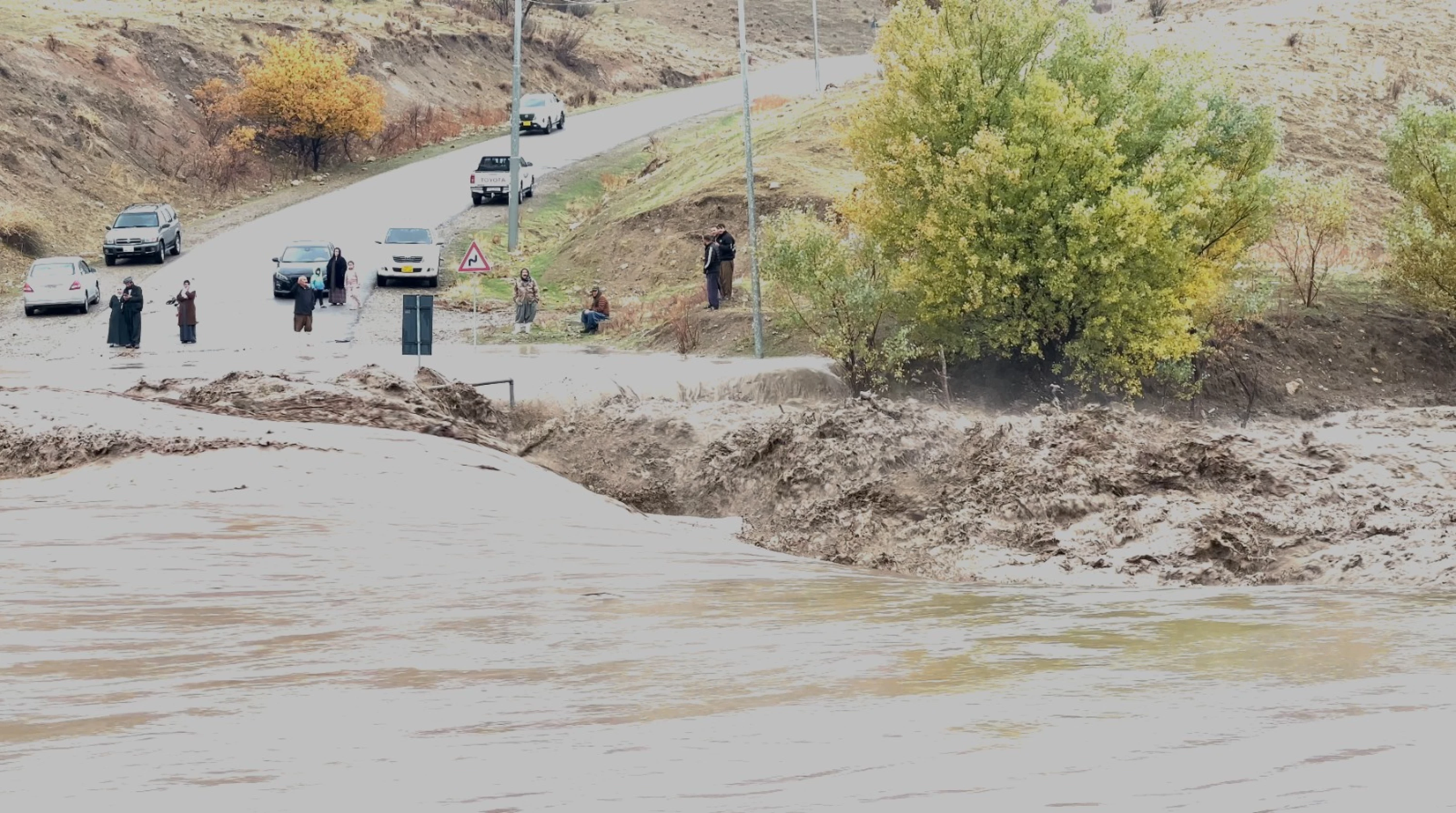
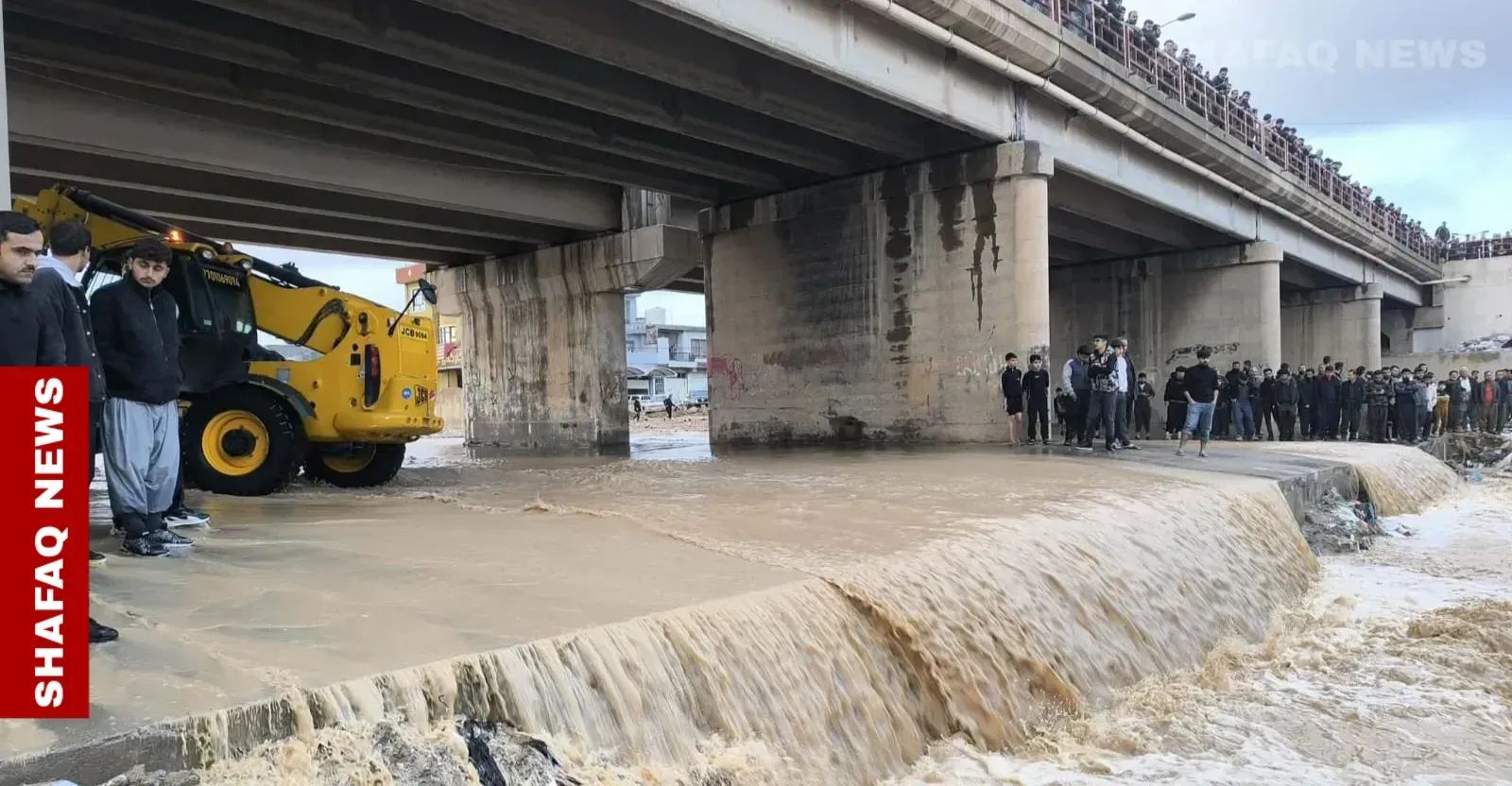
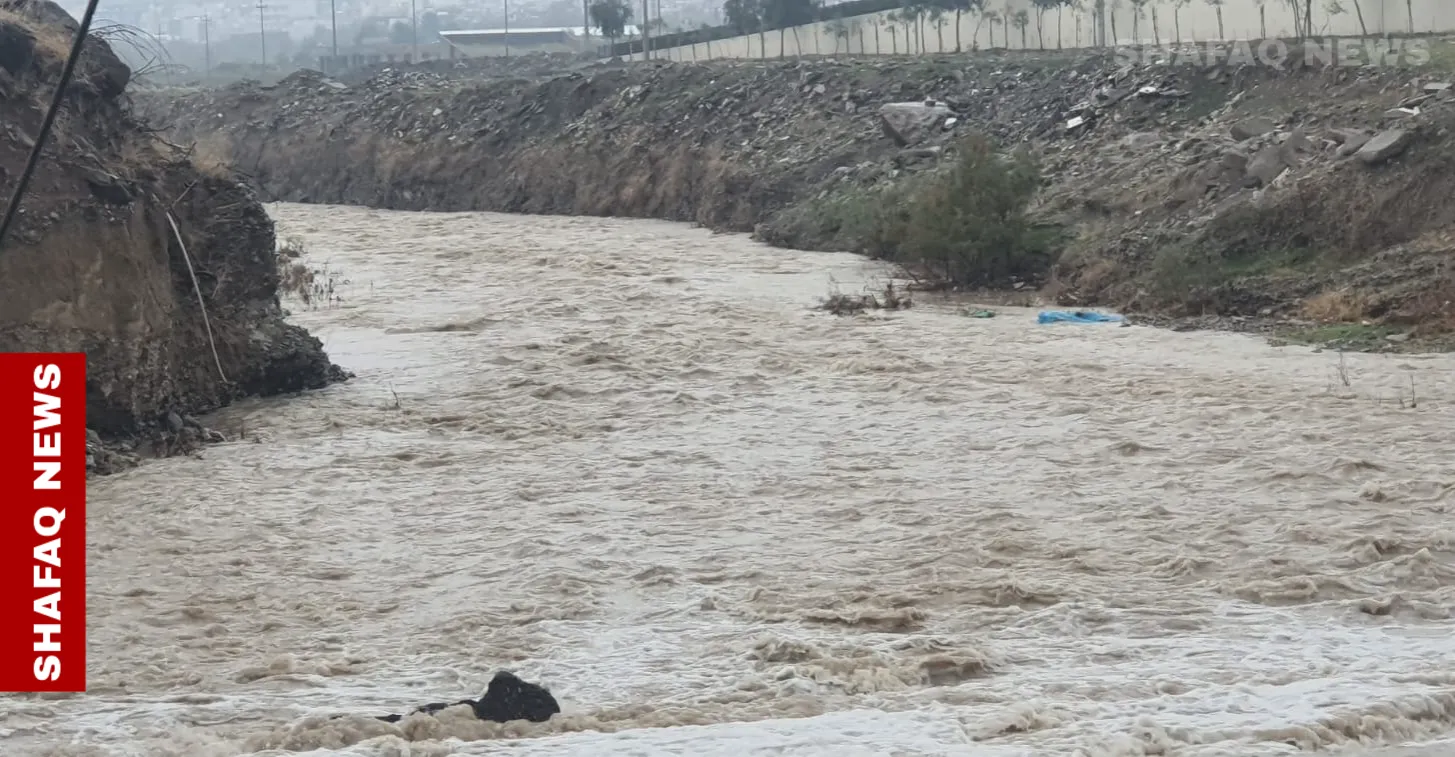
Paradoxically, recent flood events offer a glimmer of adaptive potential. The Ministry of Water Resources strategically captured over 750 million cubic meters of additional water storage, demonstrating that innovative water management can provide resilience. By carefully reducing water releases and managing inflows, Iraq is developing a critical climate adaptation strategy that could serve as a model for water-stressed regions globally.
Looking forward, Iraq faces a critical decision: return to wheat imports or revolutionize its agricultural approach. The FAO anticipates import needs of 2.4 million tons for the 2025-26 marketing year, exposing the country to global market volatilities. This presents both a challenge and an opportunity for transformative agricultural and water management policies.
问题 4
What strategies is Iraq using to address water management?
Iraq is adopting a multi-pronged approach including strategic water storage during flood events, reducing water releases from storage facilities, mandating modern irrigation techniques like drip systems, and exploring crop diversification to enhance agricultural resilience.
What are the broader implications of Iraq's water crisis?
The crisis represents a potential transformation of the Fertile Crescent, with significant risks to agricultural productivity, rural livelihoods, and national food security. It also signals broader climate adaptation challenges for water-stressed regions globally.