


Refugee Trauma and Public Safety Unmasked: When Community Celebrations Turn Violent
- Shocking Liverpool Attack Reveals Deeper Psychological Vulnerabilities for Displaced Populations





概览
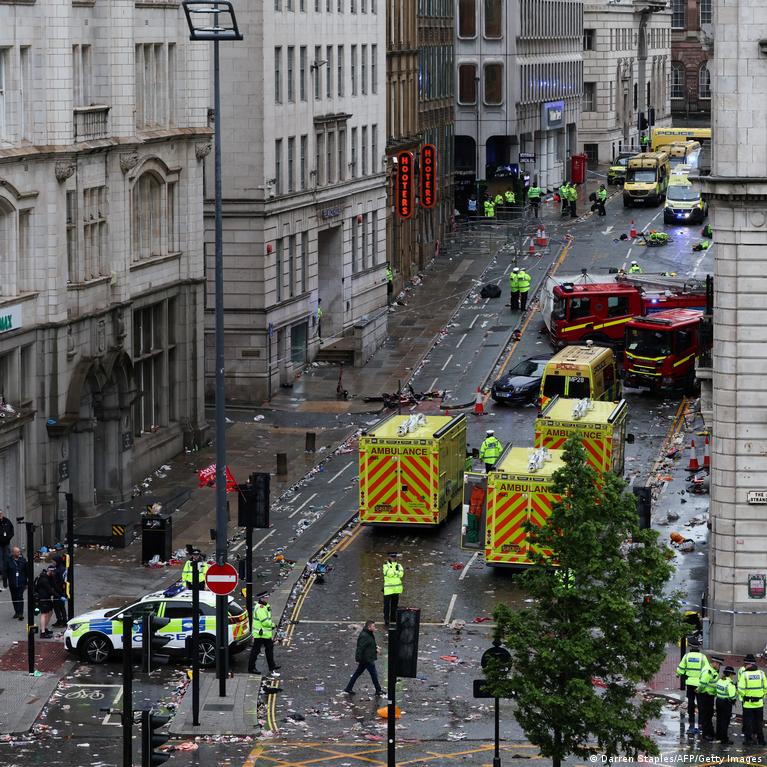
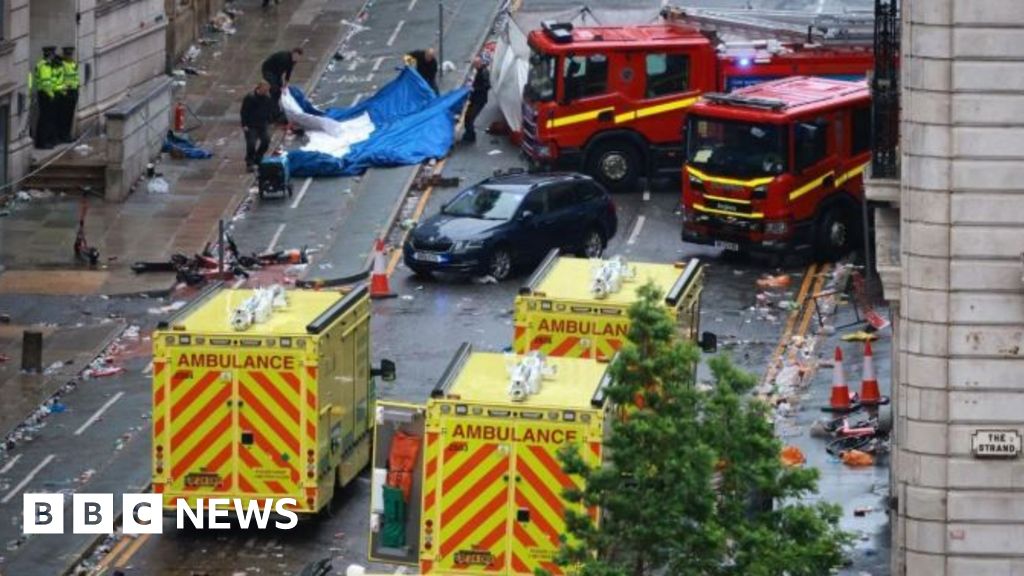
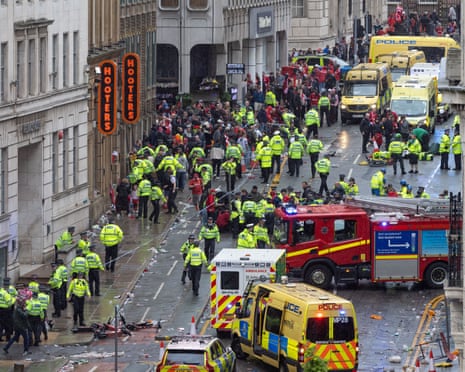
The brutal attack during Liverpool FC's trophy parade exposes a critical intersection of refugee psychological resilience and unexpected urban violence, highlighting the profound challenges faced by individuals seeking safety and rebuilding their lives.
Psychological Vulnerability in Transitional Spaces emerges as a critical insight from Anna Bilonozhenko's traumatic experience. A Ukrainian refugee who fled war, seeking momentary joy at a community celebration, instead encountered another devastating assault that shattered her nascent sense of security. The incident is more than an isolated crime—it represents a systemic failure in protecting vulnerable populations during their most fragile reconstruction periods.
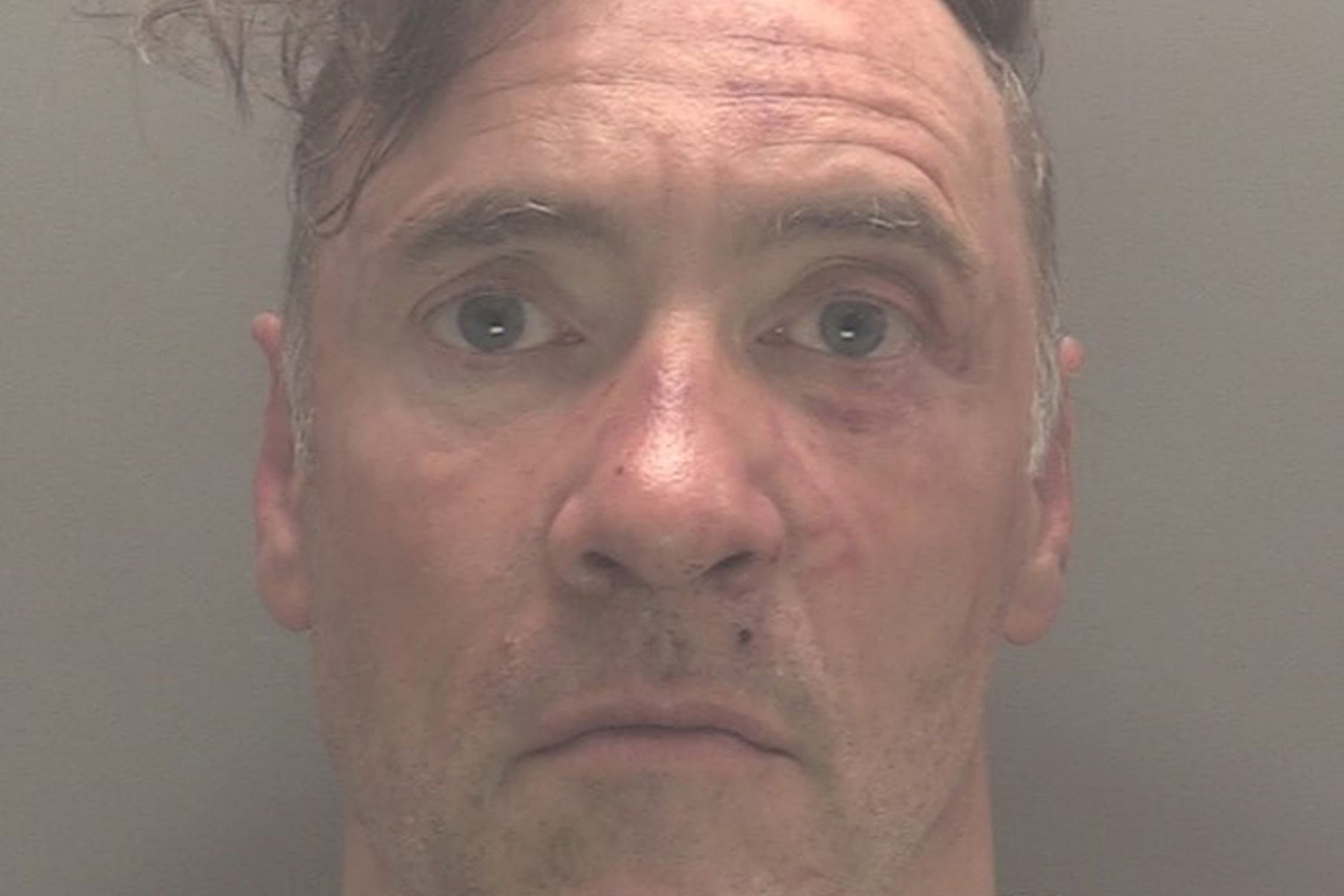
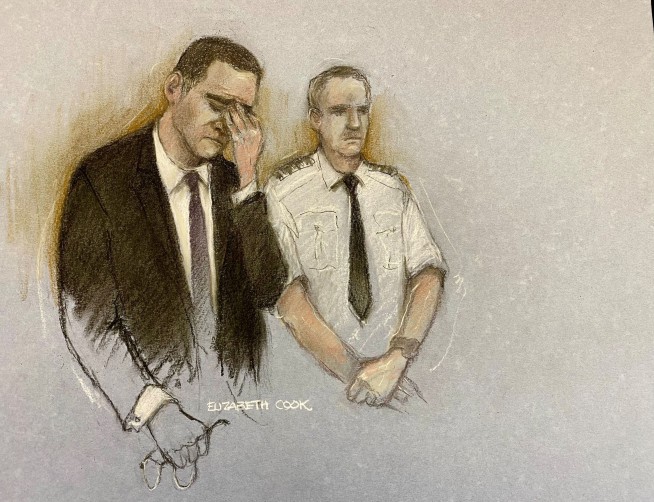
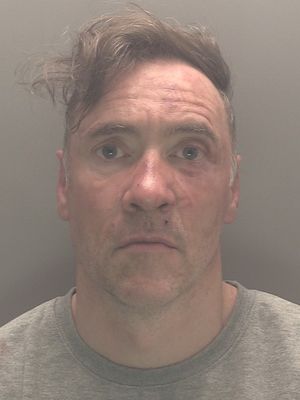
The legal response provides a stark counterpoint to the human trauma. Paul Doyle, a 54-year-old former Royal Marine, received a 31-year prison sentence for deliberately driving into a crowd of 134 people, with the judge describing his actions as "truly shocking". This unprecedented sentencing underscores the judicial system's recognition of the profound psychological damage inflicted beyond physical injuries.
For displaced populations, such incidents represent more than momentary violence. They disrupt the delicate process of psychological healing and community reintegration. Bilonozhenko's experience—suffering a fractured knee, undergoing surgery, and experiencing chronic pain—symbolizes the layered traumas refugees navigate. Her career studies being put on hold and her daughter's compromised sense of security reveal the cascading personal costs of such traumatic events.
The broader implications are profound: seemingly safe public spaces can rapidly transform into sites of profound psychological threat. For refugees who have already survived conflict, each unexpected violent encounter compounds existing trauma, creating invisible wounds that extend far beyond physical injuries.
Strategic recommendations emerge clearly: enhanced community protection mechanisms, targeted psychological support for displaced populations, and more robust public event security protocols are critical. Cities and communities must recognize that integration is not just about physical placement, but about creating genuinely safe, predictable environments for those rebuilding their lives.
问题 3
How does this incident impact the psychological recovery of refugees?
The Liverpool attack demonstrates how unexpected violence can severely disrupt refugees' psychological healing process. For individuals like Anna Bilonozhenko, who have already survived war, such incidents create additional layers of trauma that can impede their ability to rebuild trust, feel secure, and successfully integrate into new communities.
What are the broader societal implications of such violent incidents?
These events expose critical vulnerabilities in community safety and integration strategies. They highlight the need for more comprehensive support systems for displaced populations, including enhanced psychological services, community protection mechanisms, and proactive approaches to preventing random acts of violence.