

Tesla's AI Gambit Rewrites the Tech Valuation Playbook
- Technological Promise Trumps Sales Performance in Investor Confidence Shift

















概览
In a remarkable demonstration of technological narrative power, Tesla has transformed market perception by pivoting from traditional electric vehicle metrics to an ambitious autonomous driving and robotics strategy. The company's stock surge to $489.88 represents more than a financial milestone—it signals a fundamental reimagining of how technology companies generate value.
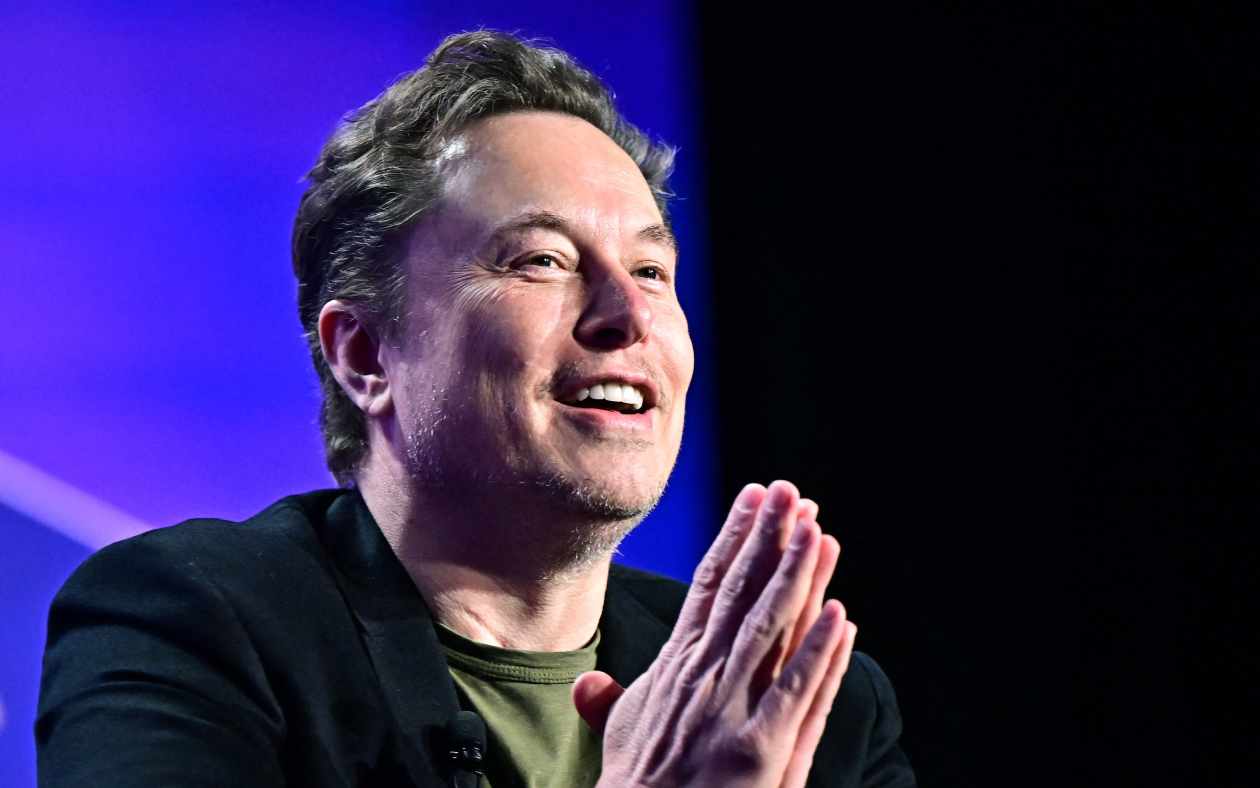
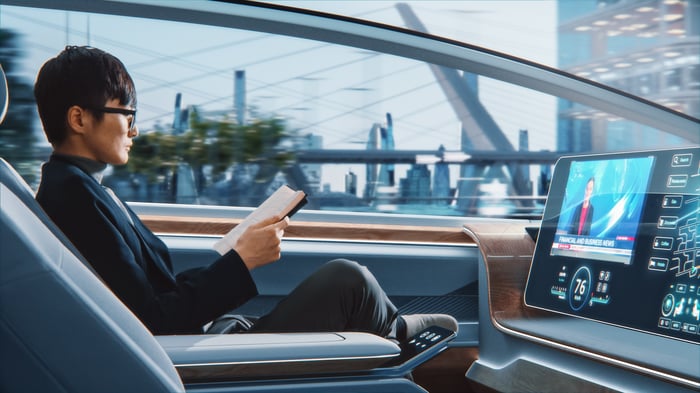
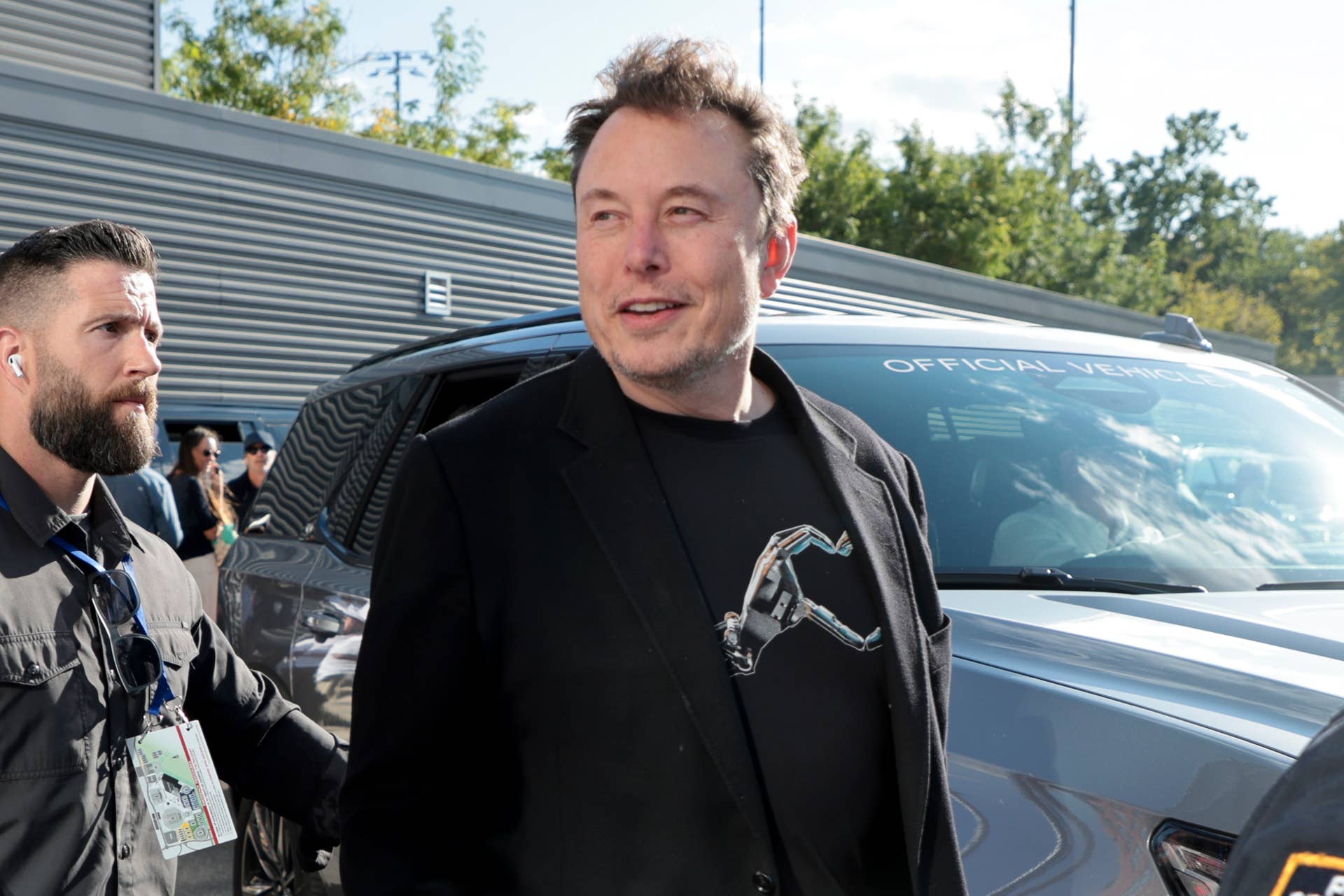
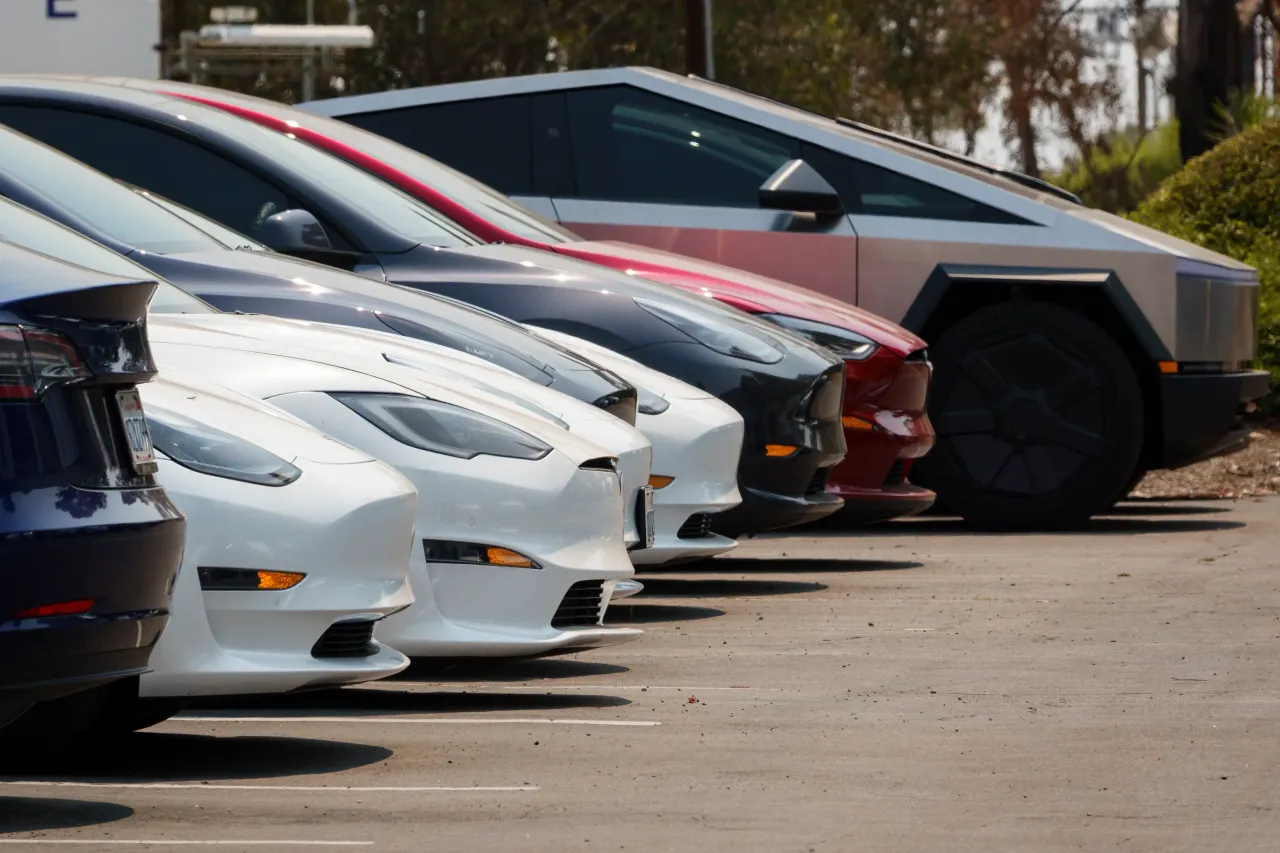
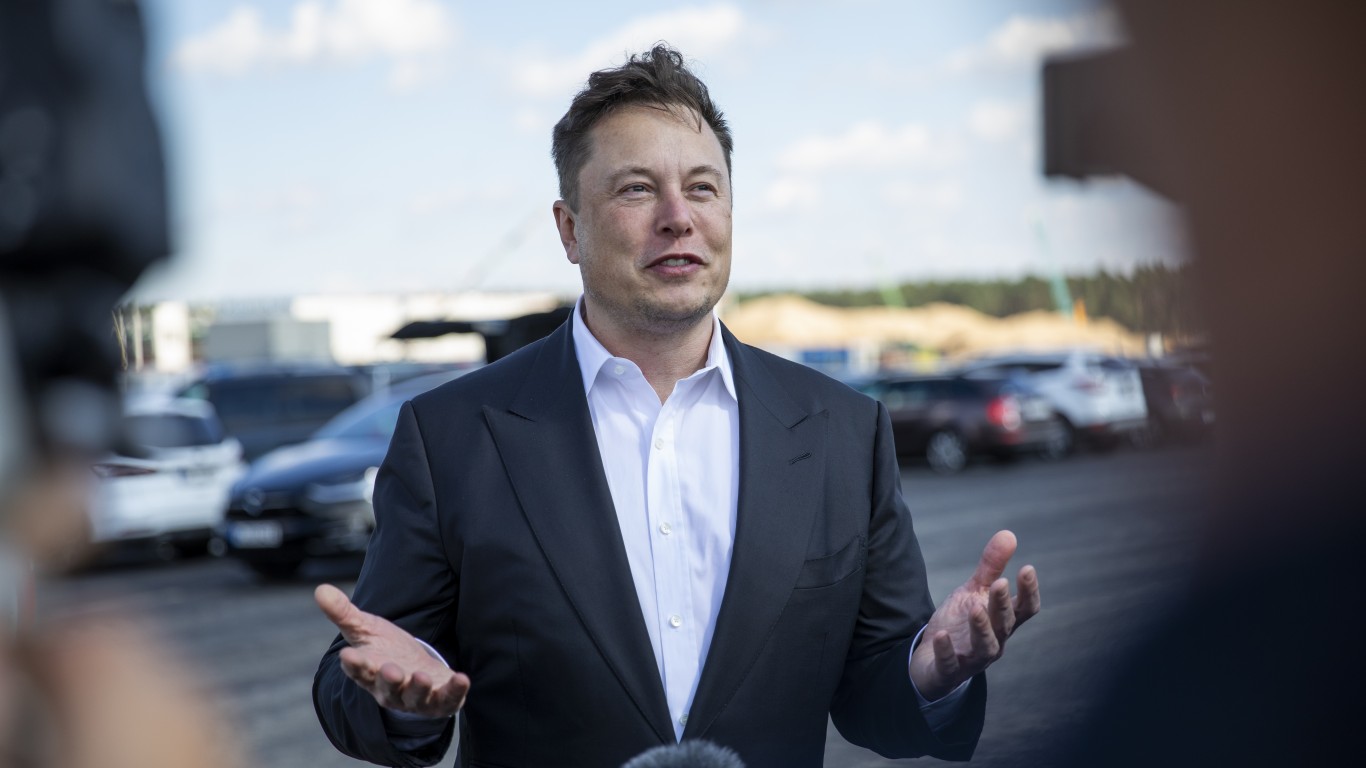
The core of Tesla's strategic breakthrough lies in its robotaxi vision, where Elon Musk is positioning the company not just as an automotive manufacturer, but as an artificial intelligence and autonomous technology platform. Despite experiencing a 13% decrease in Q1 vehicle deliveries and a 32% automotive revenue drop, investors have paradoxically become more bullish, driven by the potential of transformative technological innovation.
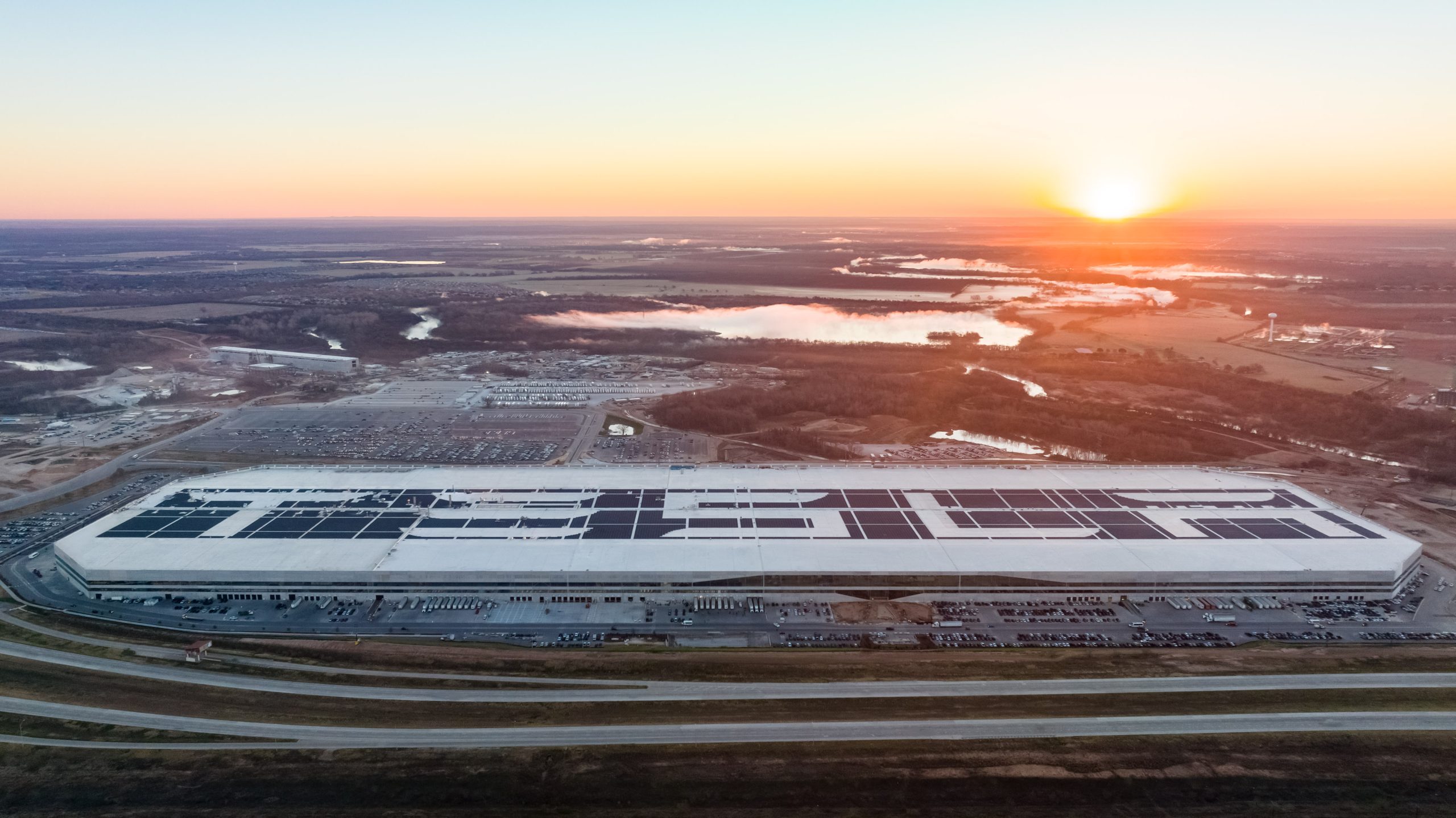
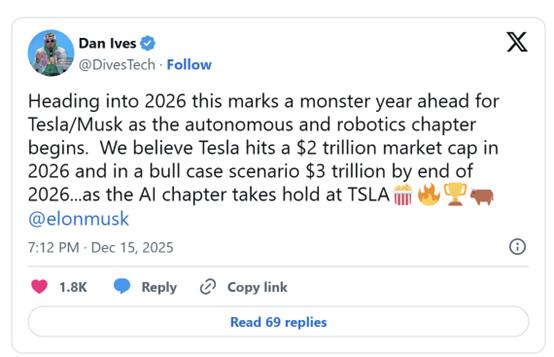
Wedbush analyst Daniel Ives's projection of a potential $3 trillion valuation by 2026 underscores a critical market insight: technological potential now outweighs immediate financial performance. Tesla's autonomous vehicle testing in Austin, Texas, with plans for fully unsupervised robotaxis by year's end, represents a bold bet on AI-driven transformation. This strategy effectively reframes Tesla from a struggling electric vehicle manufacturer to a cutting-edge technology company.
The company's 25% stock rally since November 21st, outperforming the Bloomberg Magnificent Seven Index, demonstrates a complex market dynamic where technological promise can eclipse operational challenges. By focusing on AI and autonomous driving innovations, Tesla has maintained investor confidence despite regional sales challenges and competitive pressures from lower-cost manufacturers like BYD and Xiaomi.
For cross-border e-commerce sellers and technology strategists, Tesla's trajectory offers a profound lesson: innovation narratives can dramatically reshape market valuation, especially when they promise fundamental infrastructure transformation in logistics, transportation, and delivery ecosystems.
问题 3
What implications does Tesla's strategy have for cross-border e-commerce and logistics?
Tesla's autonomous vehicle and robotaxi technologies signal potential massive disruptions in transportation and delivery infrastructure. For cross-border e-commerce sellers, this suggests future logistics could become more automated, efficient, and technology-driven, requiring businesses to adapt to increasingly AI-integrated supply chain ecosystems.
How is Tesla transforming its business model beyond electric vehicles?
Tesla is pivoting from a traditional automotive manufacturer to an AI and autonomous technology platform, with a strategic focus on developing fully unsupervised robotaxis. By emphasizing technological innovation over immediate sales performance, the company is positioning itself as a transformative technology company rather than just a car manufacturer.