


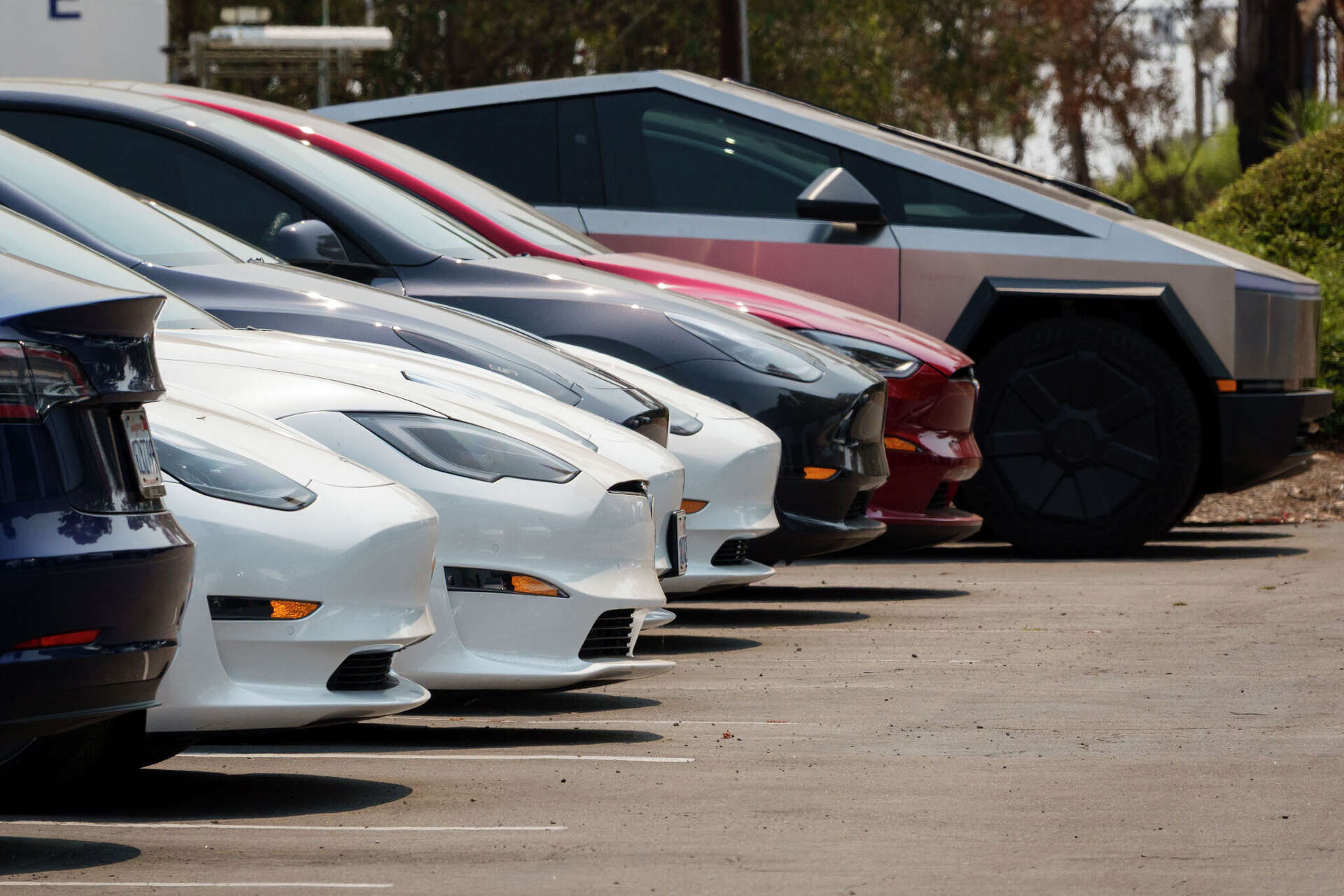
Tesla's Marketing Mirage Crumbles: Regulatory Hammer Falls on Autonomous Driving Claims
- Landmark California ruling exposes critical compliance gaps for autonomous vehicle technology marketers


















概览
The regulatory landscape for autonomous vehicle technologies has reached a critical inflection point, with Tesla confronting a watershed moment that exposes the profound risks of overstating technological capabilities. A California administrative law judge has decisively ruled that Tesla engaged in deceptive marketing practices surrounding its Autopilot and Full Self-Driving (FSD) systems, signaling a potentially transformative shift in how emerging technologies can be marketed.
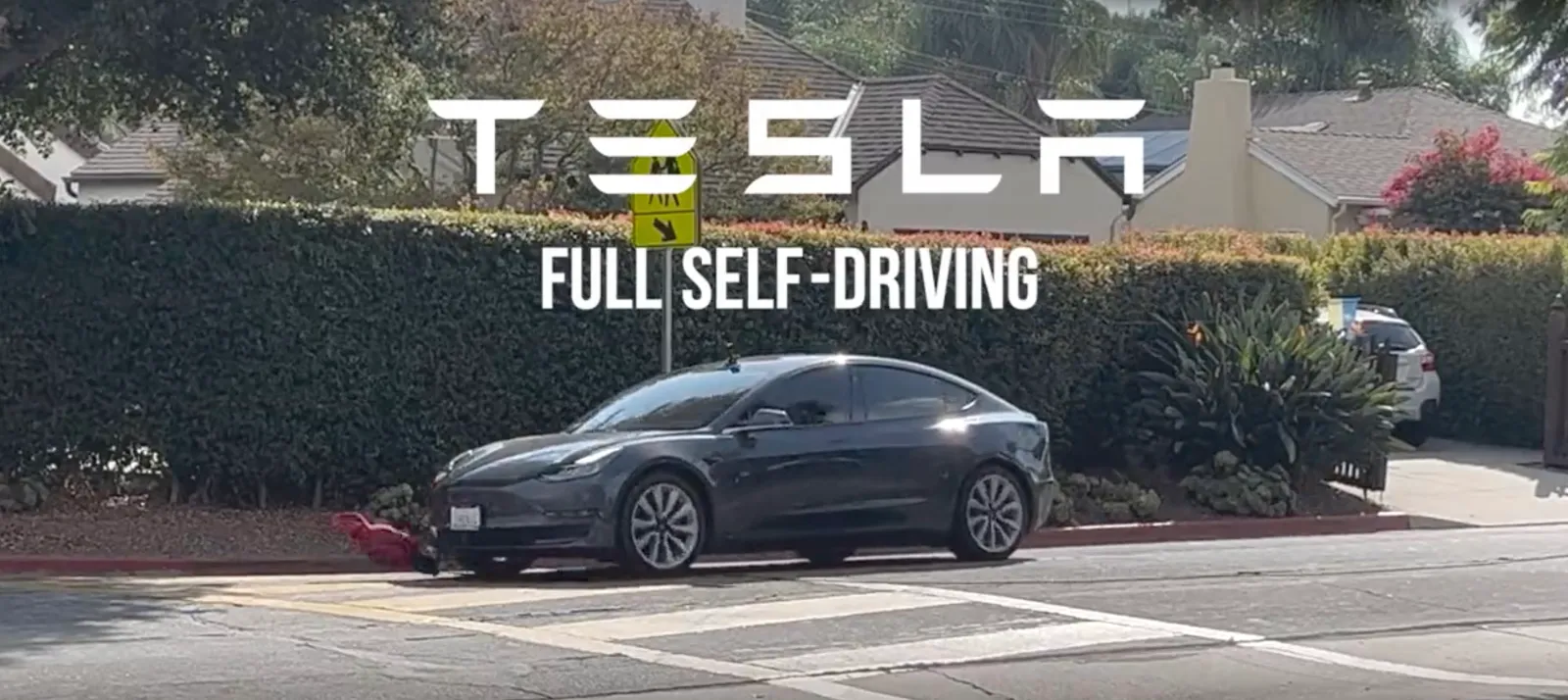
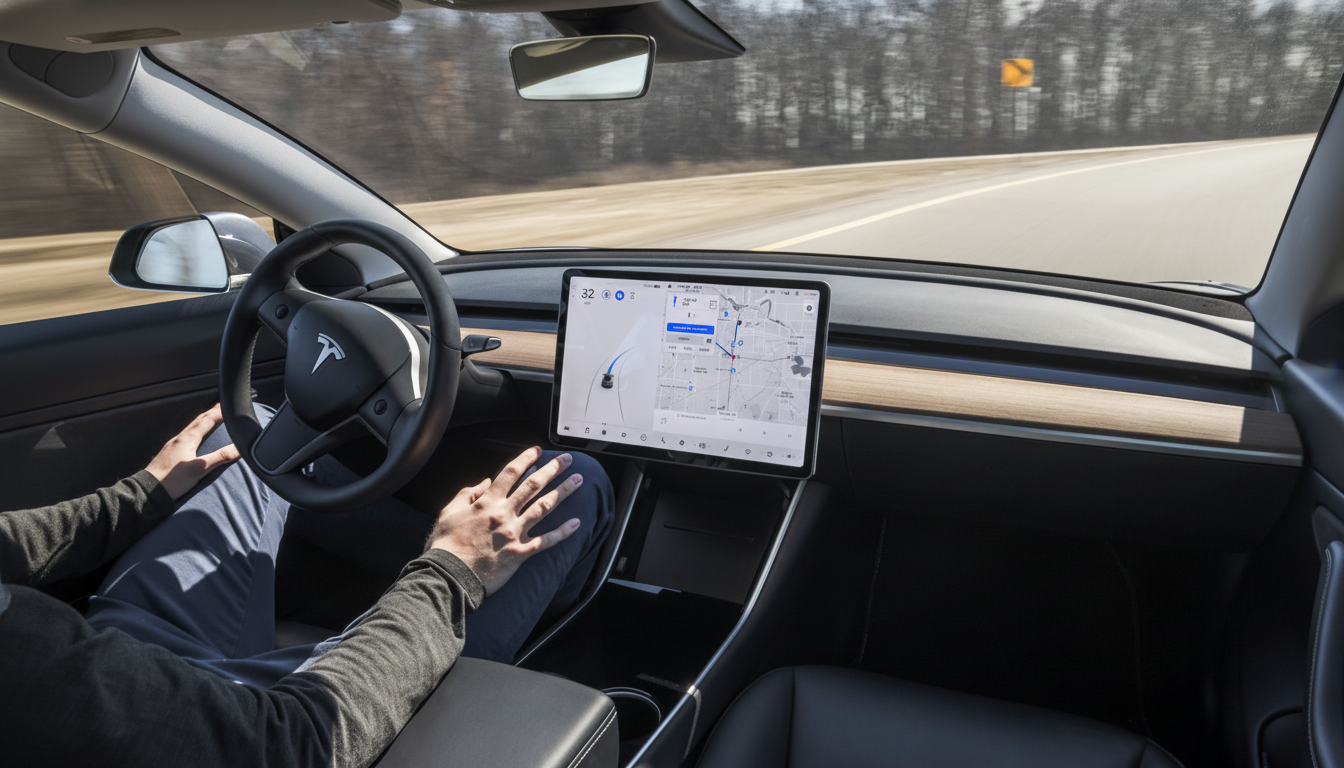
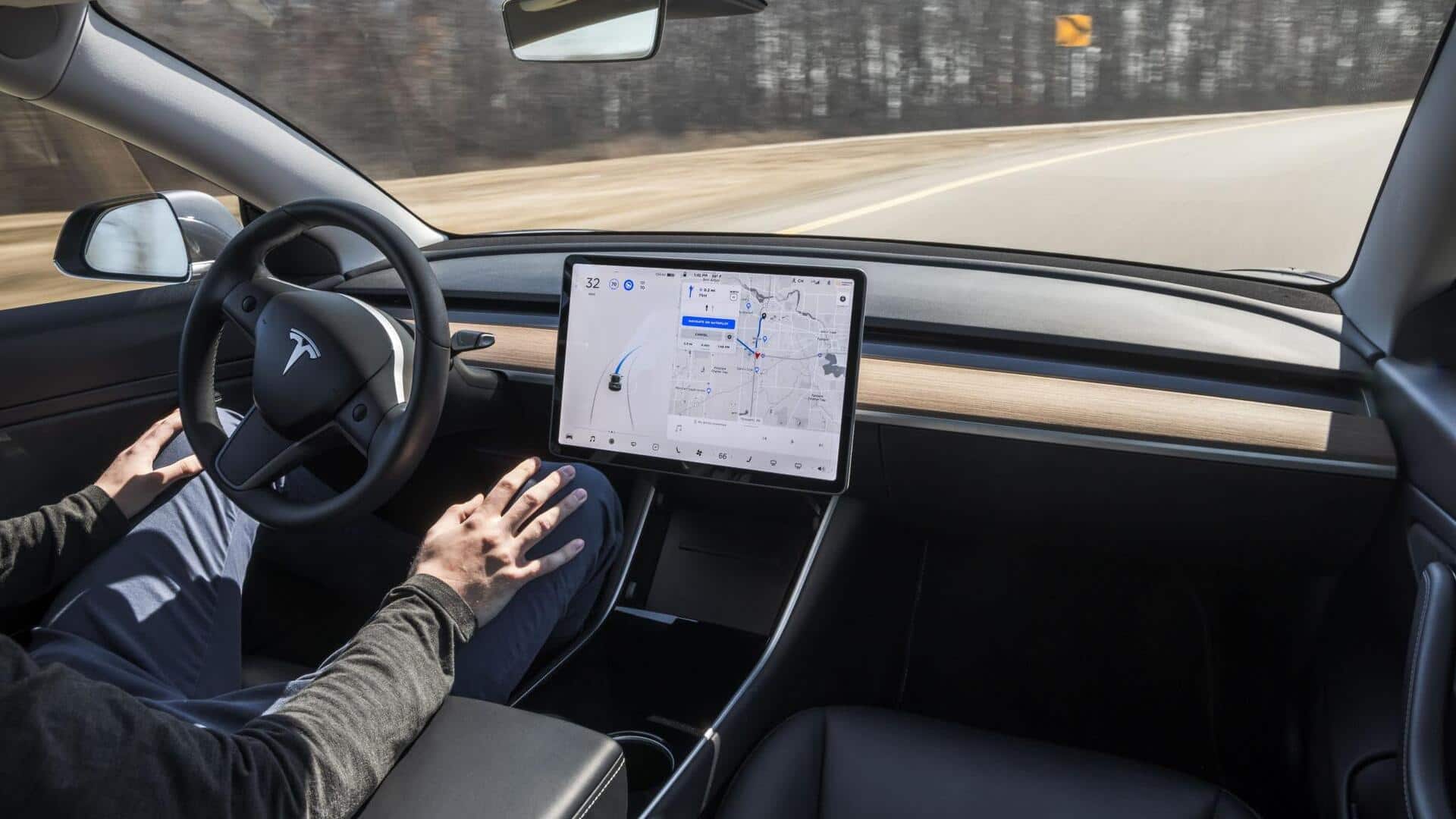
The core issue transcends Tesla's specific case, representing a broader regulatory reckoning with the autonomous vehicle sector's marketing narratives. By challenging Tesla's use of terms like "Full Self-Driving" and "Autopilot", California's Department of Motor Vehicles (DMV) is establishing a crucial precedent that demands precise technological communication. The judge's ruling mandates that Tesla modify its marketing language within 60 days, effectively creating a compliance blueprint for the entire autonomous vehicle industry.
Critically, this regulatory intervention emerges from a pattern of potential consumer safety risks. The DMV's investigation highlighted that Tesla's marketing could create dangerous overconfidence among drivers, potentially contributing to multiple crashes and fatalities. By rejecting Tesla's argument that "no reasonable person" would believe the systems provide full autonomy, regulators are sending a clear message: marketing claims must align precisely with technological reality.
The strategic implications are profound. Tesla faces potential 30-day sales and manufacturing license suspensions in California, its largest U.S. market. However, the company's stock remained resilient, closing at a record high—suggesting investor confidence in its broader technological vision. This reveals a nuanced landscape where regulatory challenges might be viewed as necessary maturation rather than existential threats.
For the broader autonomous vehicle ecosystem, this ruling represents a critical inflection point. Companies must now navigate a much more stringent marketing compliance environment, where technological claims will be forensically examined. The era of aspirational marketing is giving way to a more disciplined, evidence-based communication strategy.
问题 4
What are the potential consequences for Tesla's business?
Tesla could face a 30-day suspension of its sales and manufacturing licenses in California, its largest U.S. market. This could disrupt vehicle production and sales, potentially requiring significant marketing language revisions and impacting consumer perception of its autonomous driving technologies.
What specific marketing claims did Tesla make that were deemed deceptive?
Tesla used terms like 'Full Self-Driving' and 'Autopilot' that implied complete vehicle autonomy, when in reality the systems require constant driver supervision. The California DMV found these terms created misleading perceptions about the actual technological capabilities of the driver assistance systems.