




Strategic Squad Management Reveals Hidden Performance Optimization Playbook
- Tactical Rotation Strategies Unlock Competitive Advantage in High-Stakes Environments












/https%3A%2F%2Fsportsmole-media-prod.s3.gra.io.cloud.ovh.net%2Fuploads%2F2025%2F09%2Fcarvajal-4-68d9c9060ef64420044096.jpg)






/https%3A%2F%2Fsportsmole-media-prod.s3.gra.io.cloud.ovh.net%2Fuploads%2F2025%2F10%2Fimago1058547385-690209caa8b76363277182.jpg)
概览
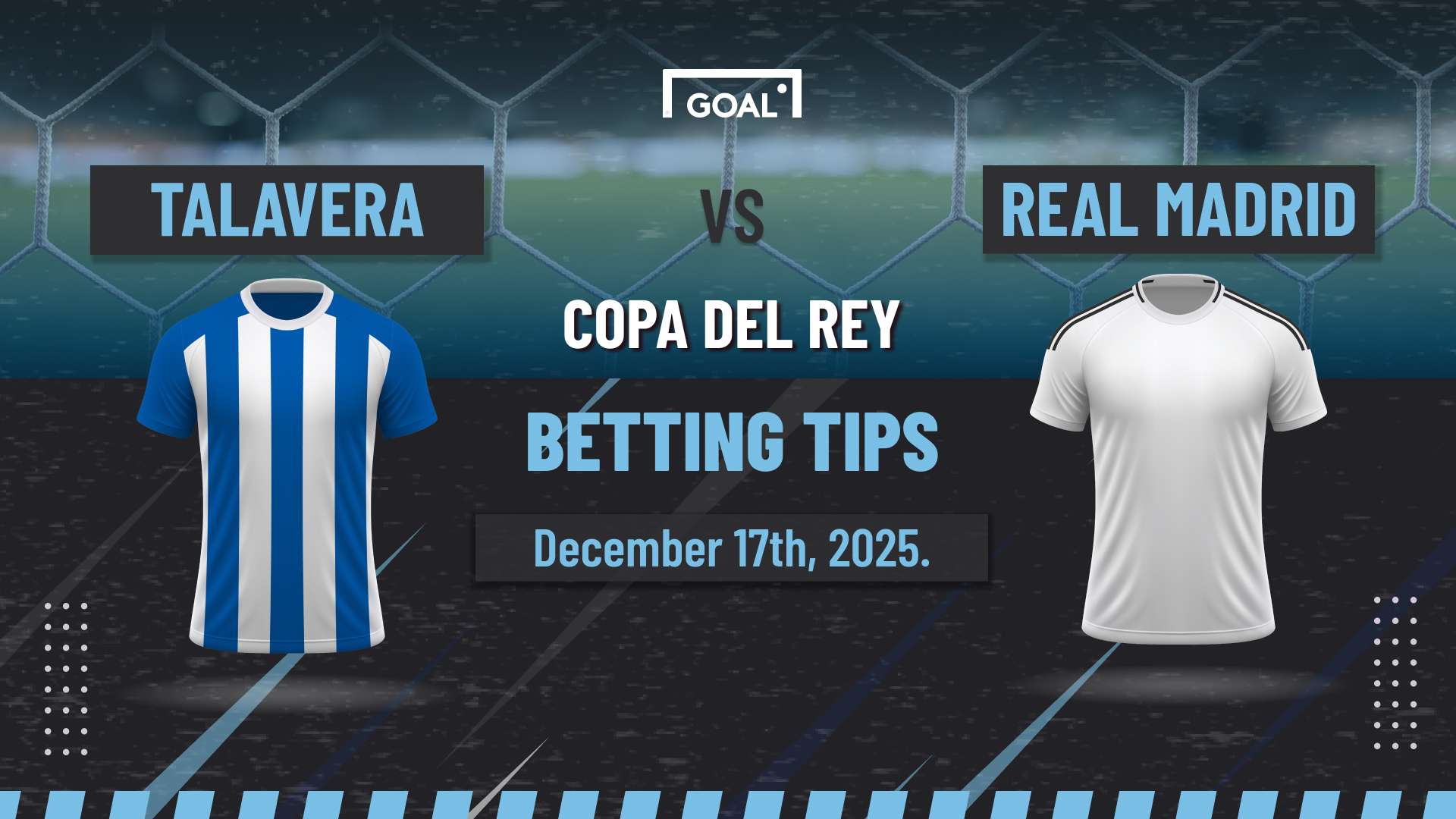
In the high-pressure world of professional sports, strategic squad management emerges as a critical yet often overlooked competitive lever. The upcoming Real Madrid vs. Talavera Copa del Rey match provides a masterclass in tactical flexibility and long-term team development.
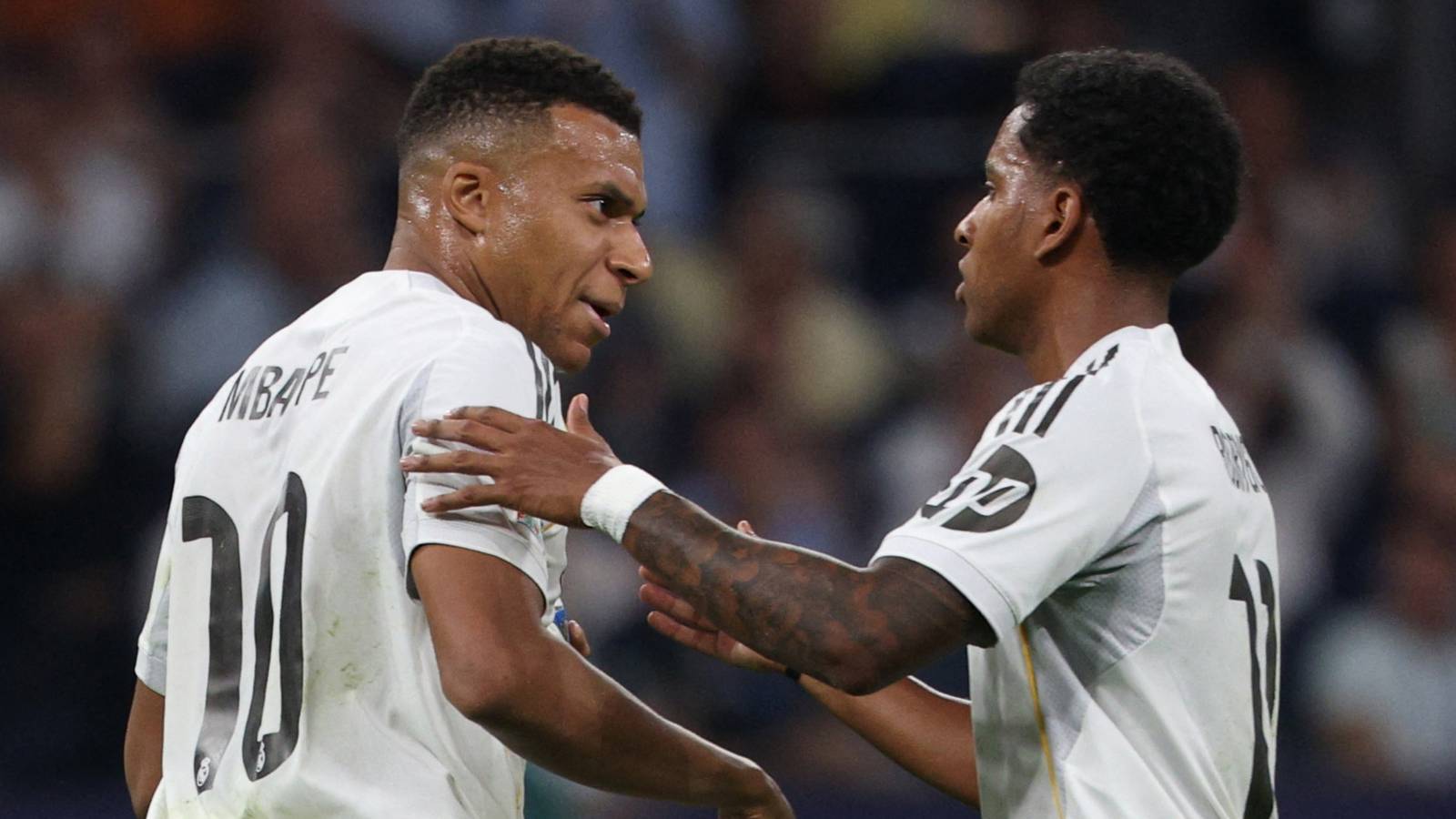
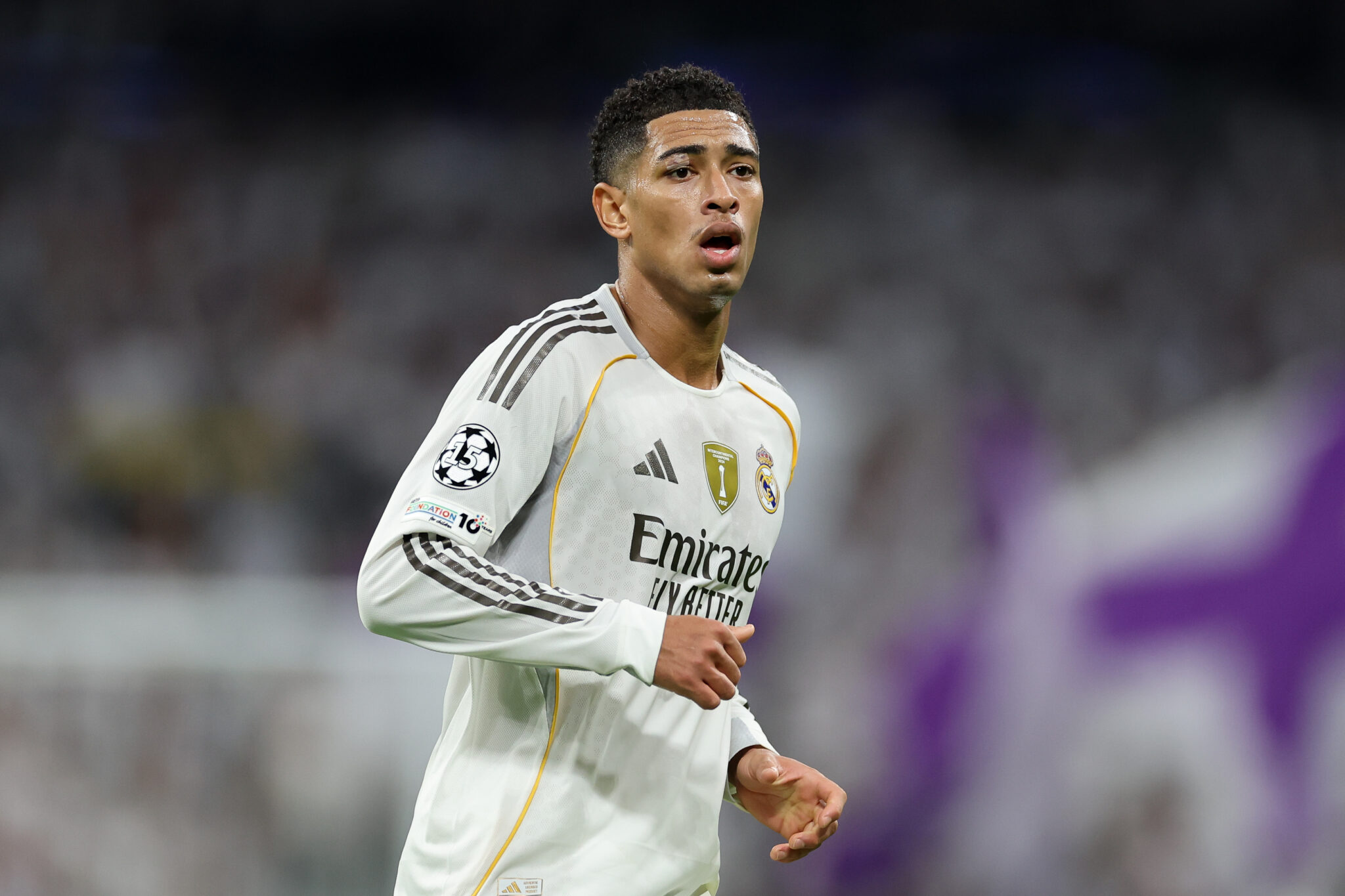
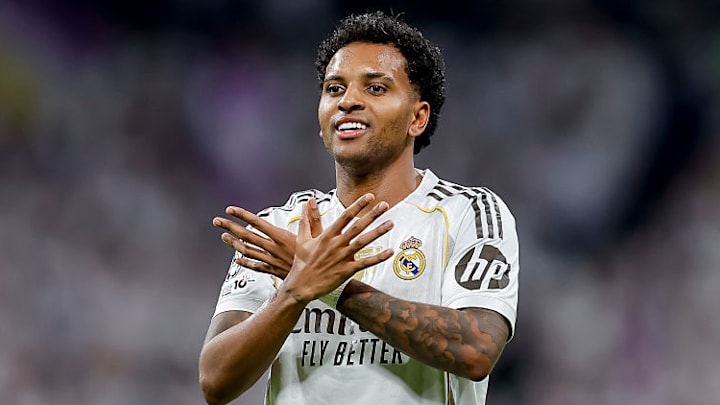
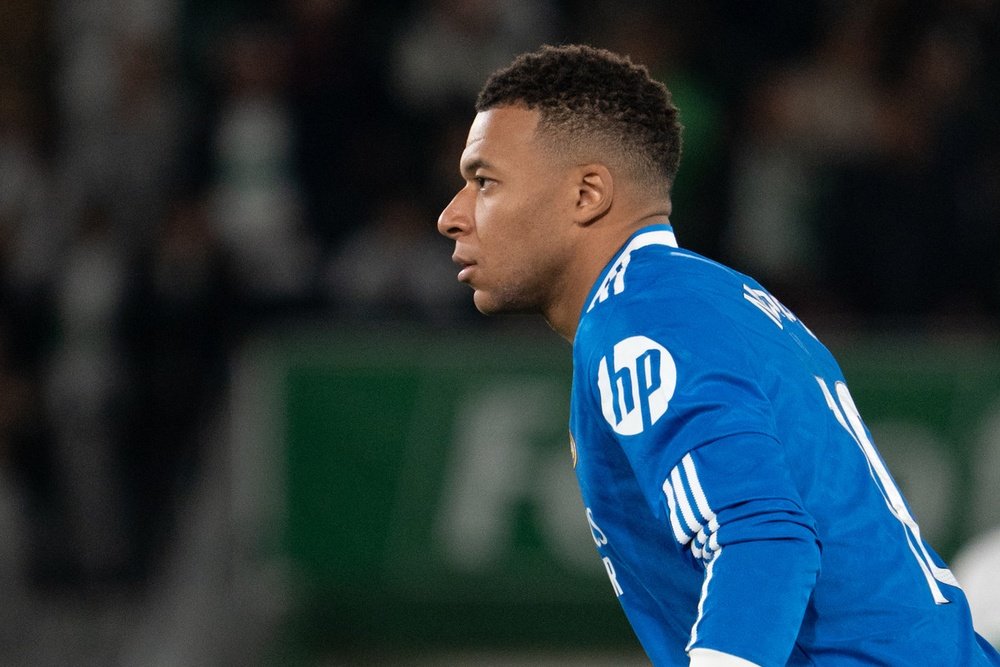
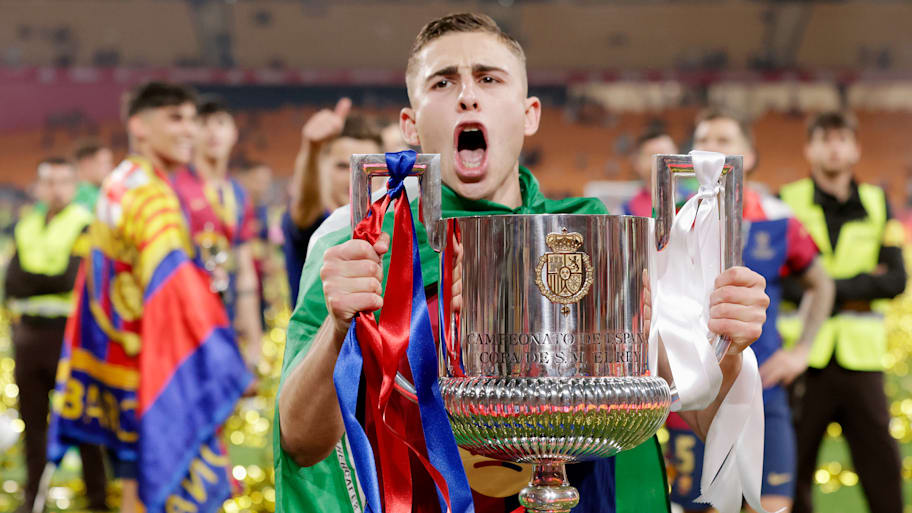
Lineup rotation represents more than a mere tactical adjustment—it's a sophisticated risk management strategy. Real Madrid's approach demonstrates how elite organizations transform potential vulnerabilities into strategic opportunities. By strategically resting key players like Kylian Mbappé and Vinícius Júnior, the team simultaneously manages player fatigue, reduces injury risks, and creates developmental pathways for younger talents like 21-year-old academy right-back David Jiménez.
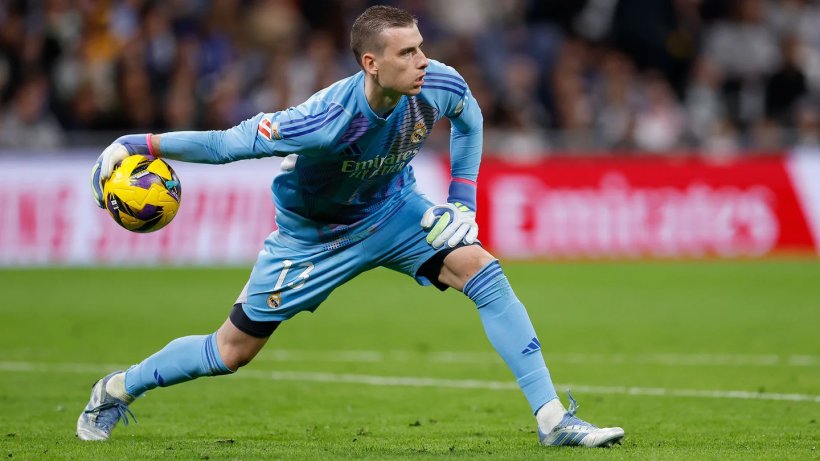
The match against Talavera reveals a nuanced organizational philosophy: talent pipeline development is not a secondary concern but a core competitive strategy. With multiple defensive players unavailable—including Trent Alexander-Arnold, Dani Carvajal, Éder Militão, and Ferland Mendy—the team doesn't view this as a setback but as an opportunity to stress-test emerging talents and tactical configurations.
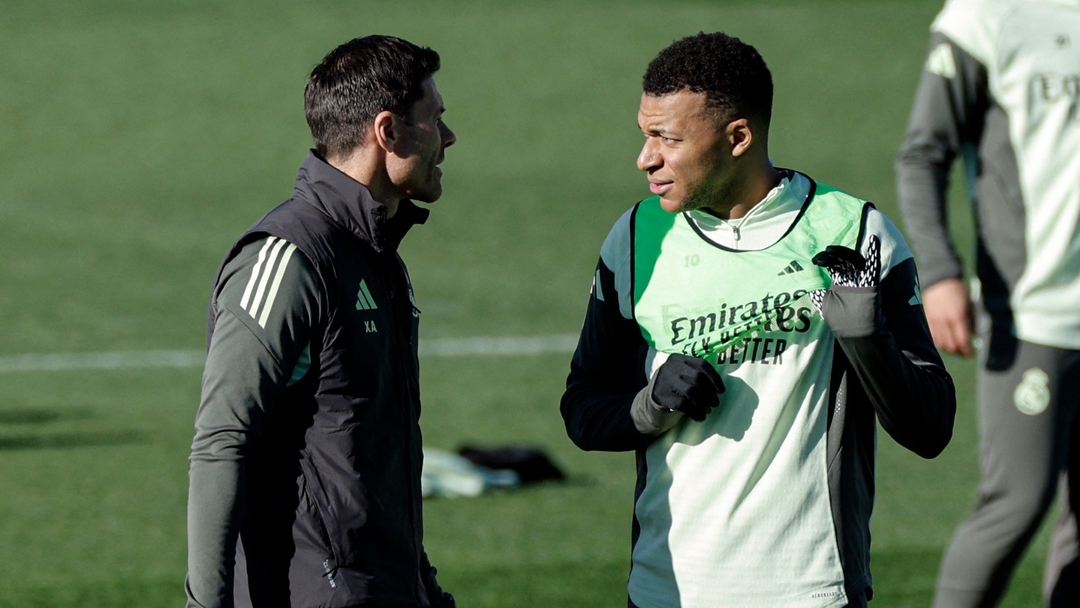
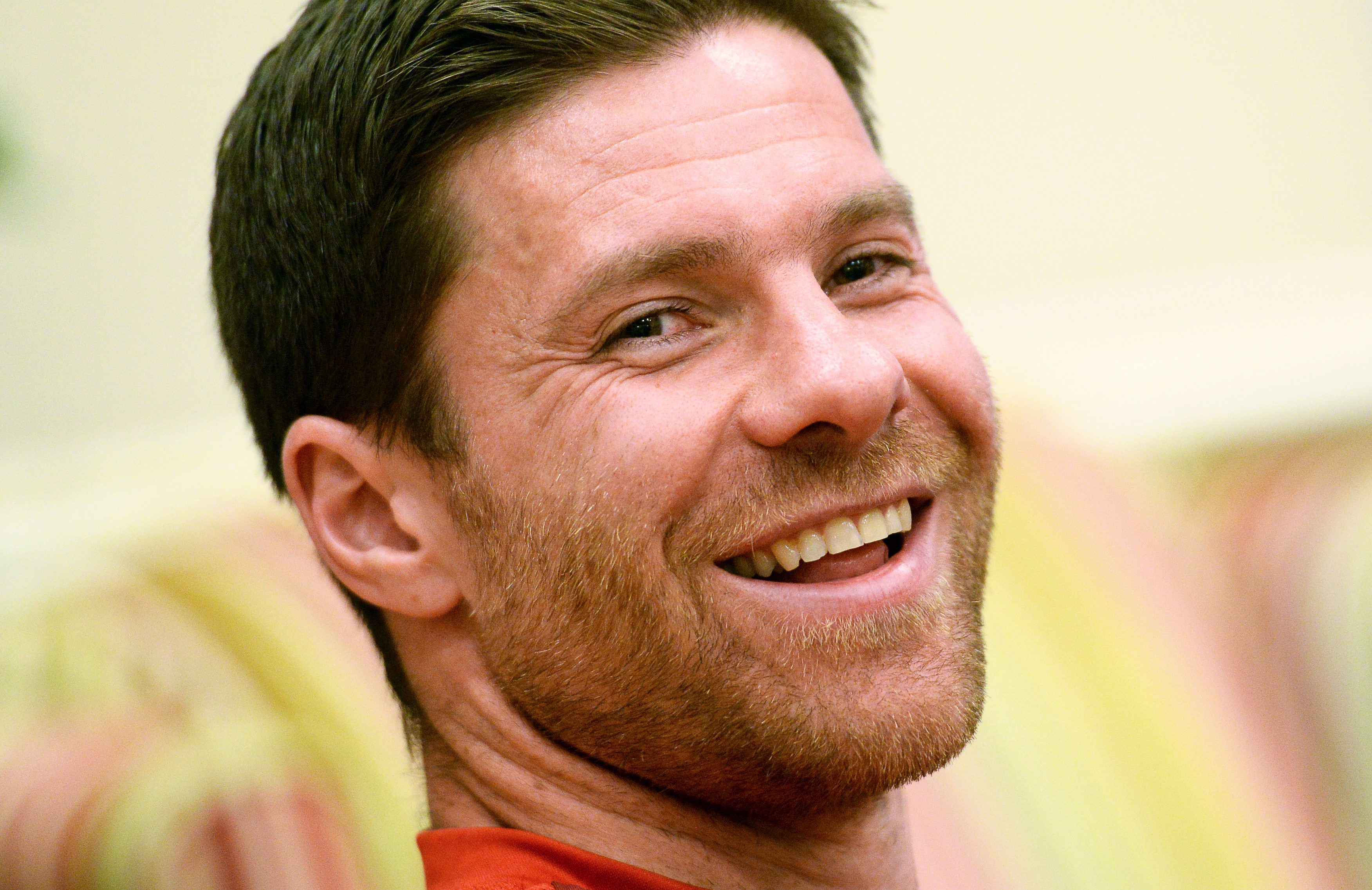
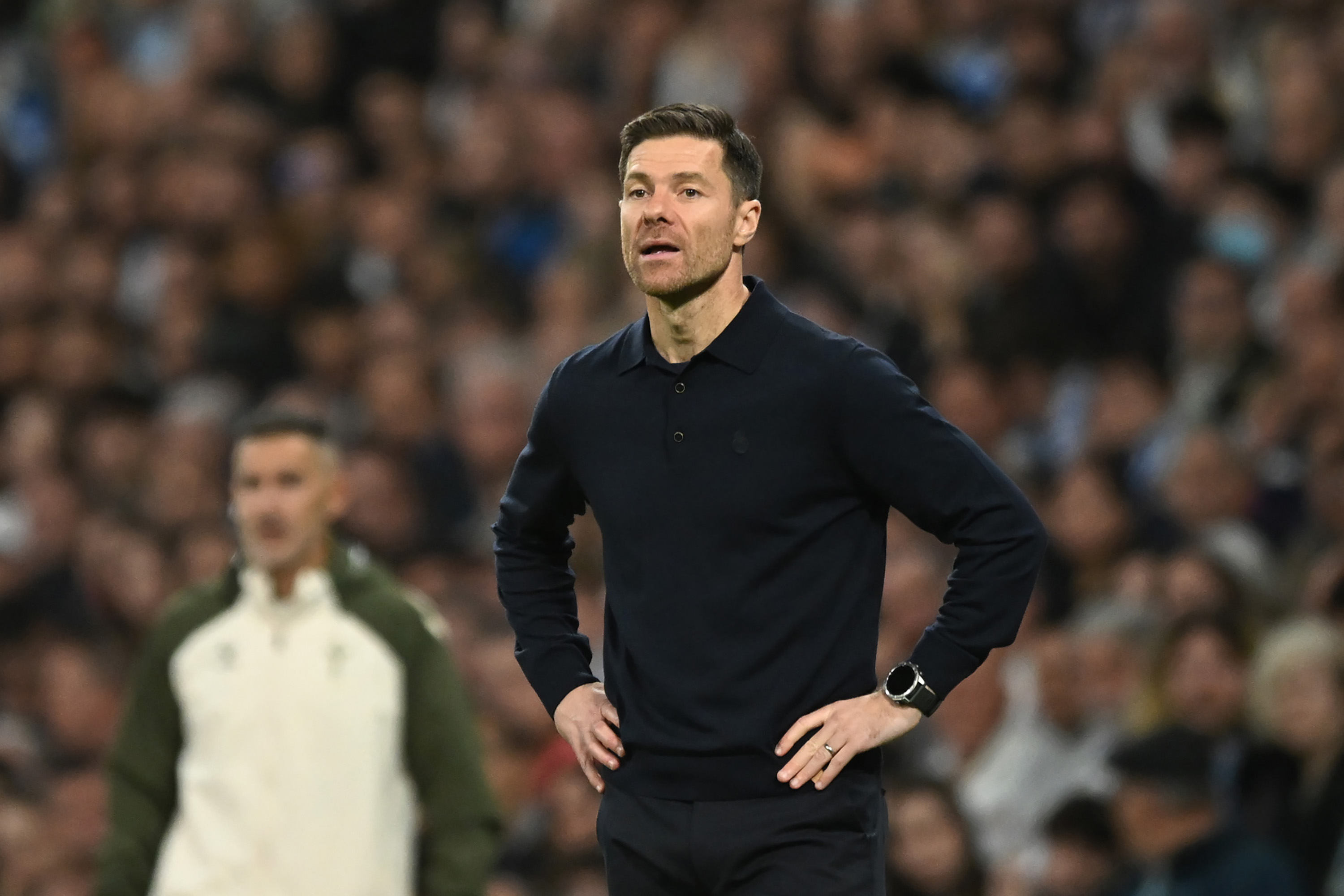
Manager Xabi Alonso's approach epitomizes modern sports management: viewing each match not in isolation, but as part of a complex, interconnected performance ecosystem. The training session's multifaceted preparation—involving gym activation, mobility exercises, rondos, and small-pitch scenarios—underscores a holistic approach to team readiness that transcends traditional match preparation.
This strategic flexibility offers profound lessons for organizations across domains: resilience isn't about avoiding challenges, but about constructing adaptive systems that transform potential disruptions into developmental opportunities. Real Madrid doesn't just manage a football team; they engineer a dynamic, learning-oriented performance machine.
问题 3
What makes the Talavera match strategically significant?
The match represents a controlled environment to stress-test tactical configurations, integrate younger players, and maintain team adaptability. It's not just a game, but a strategic tool for organizational learning and development.
How does Real Madrid's squad rotation strategy create competitive advantages?
By strategically resting key players and introducing younger talents, Real Madrid manages player fatigue, reduces injury risks, and develops its talent pipeline. This approach transforms potential vulnerabilities into opportunities for growth and long-term team performance.