


Germany's Strategic Pivot: Reshaping Ukraine's Security Landscape Through Diplomatic Innovation
- Merz Proposes Groundbreaking Security Mechanisms Challenging Traditional Geopolitical Boundaries













概览
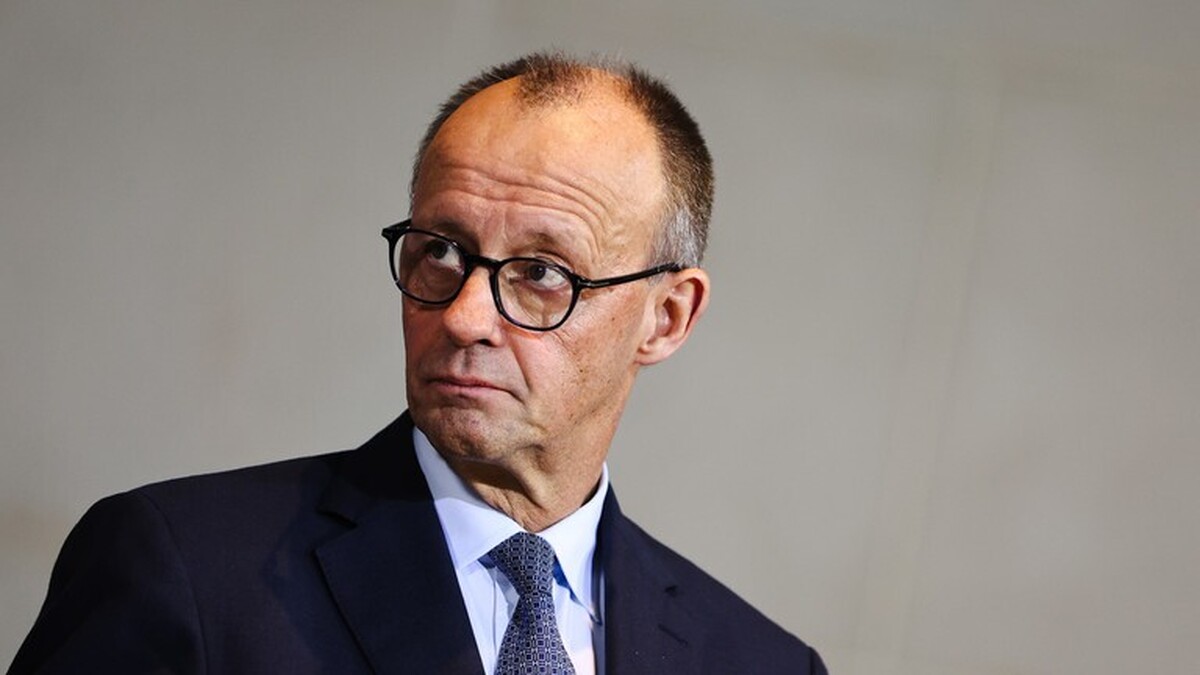
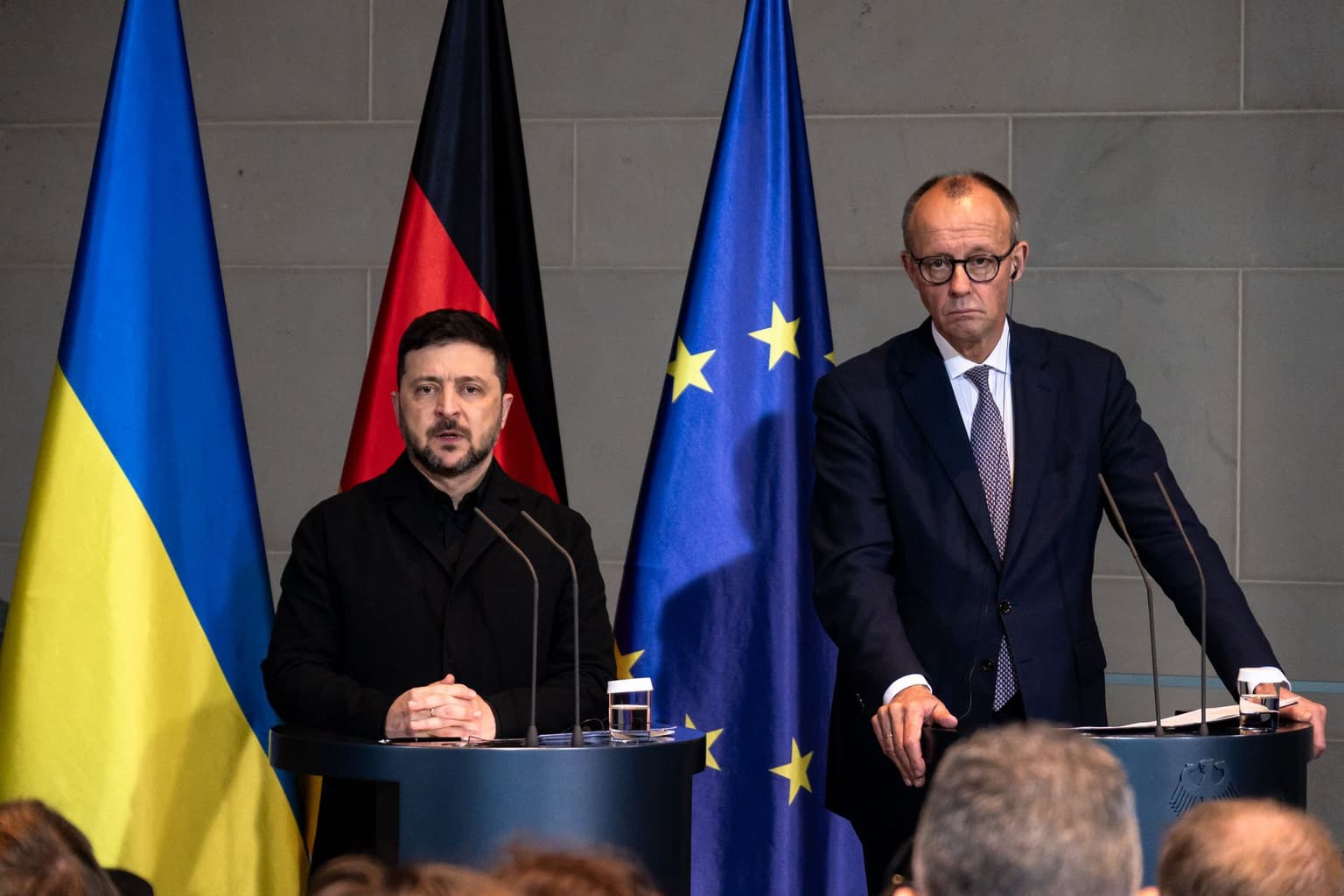
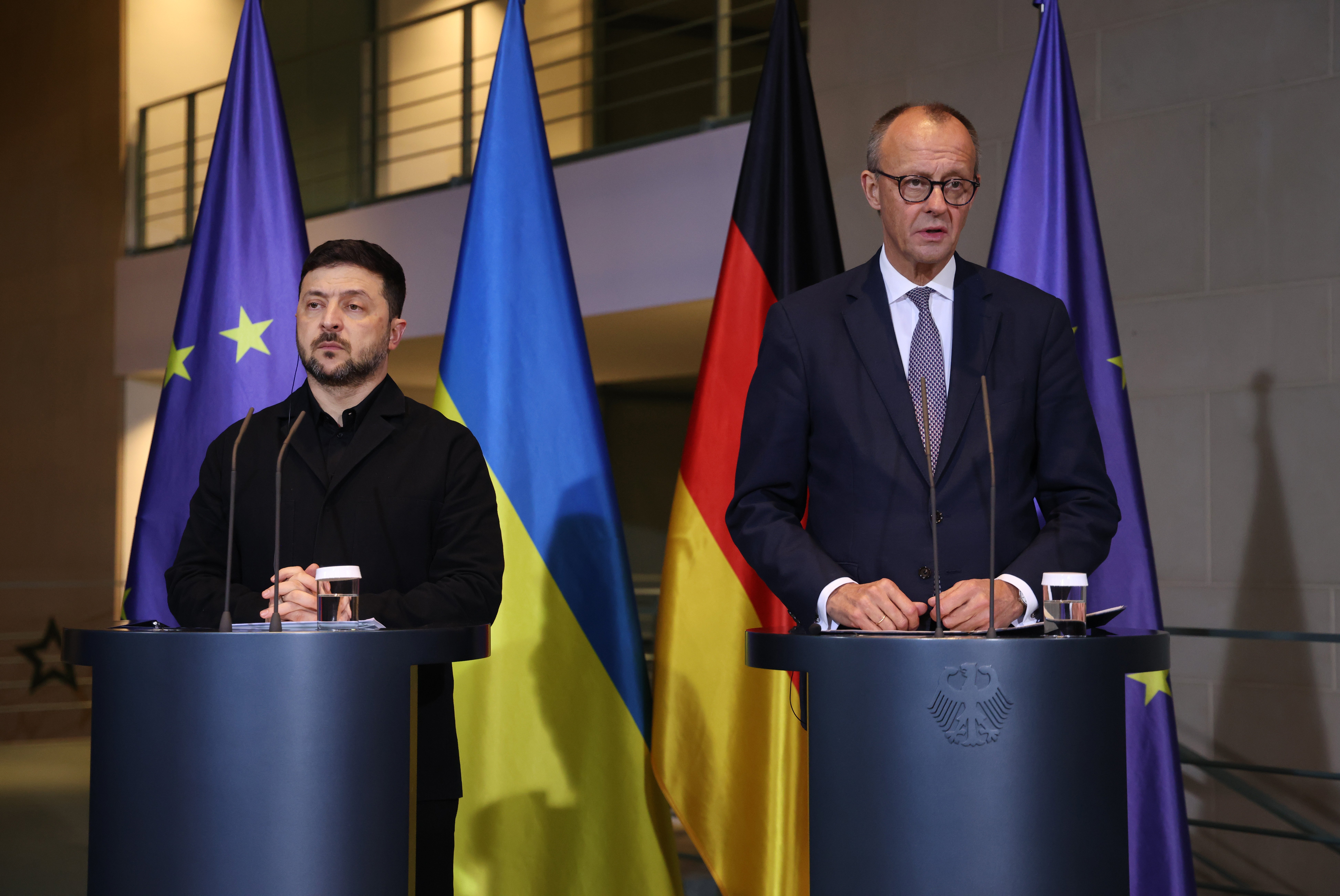
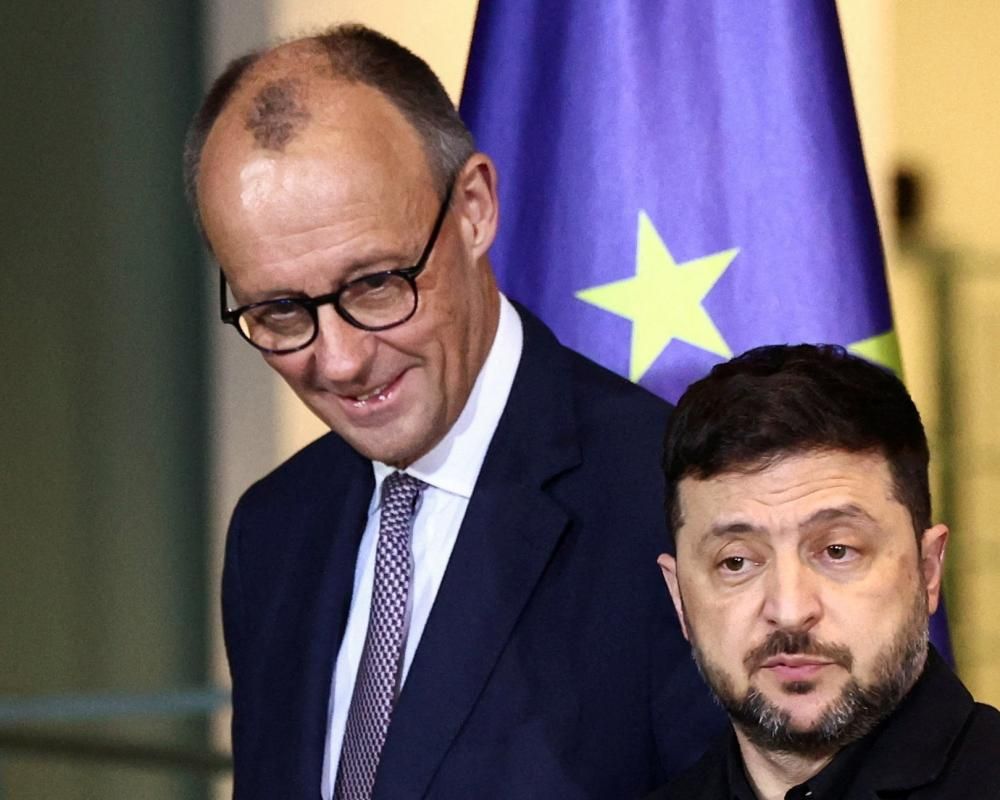
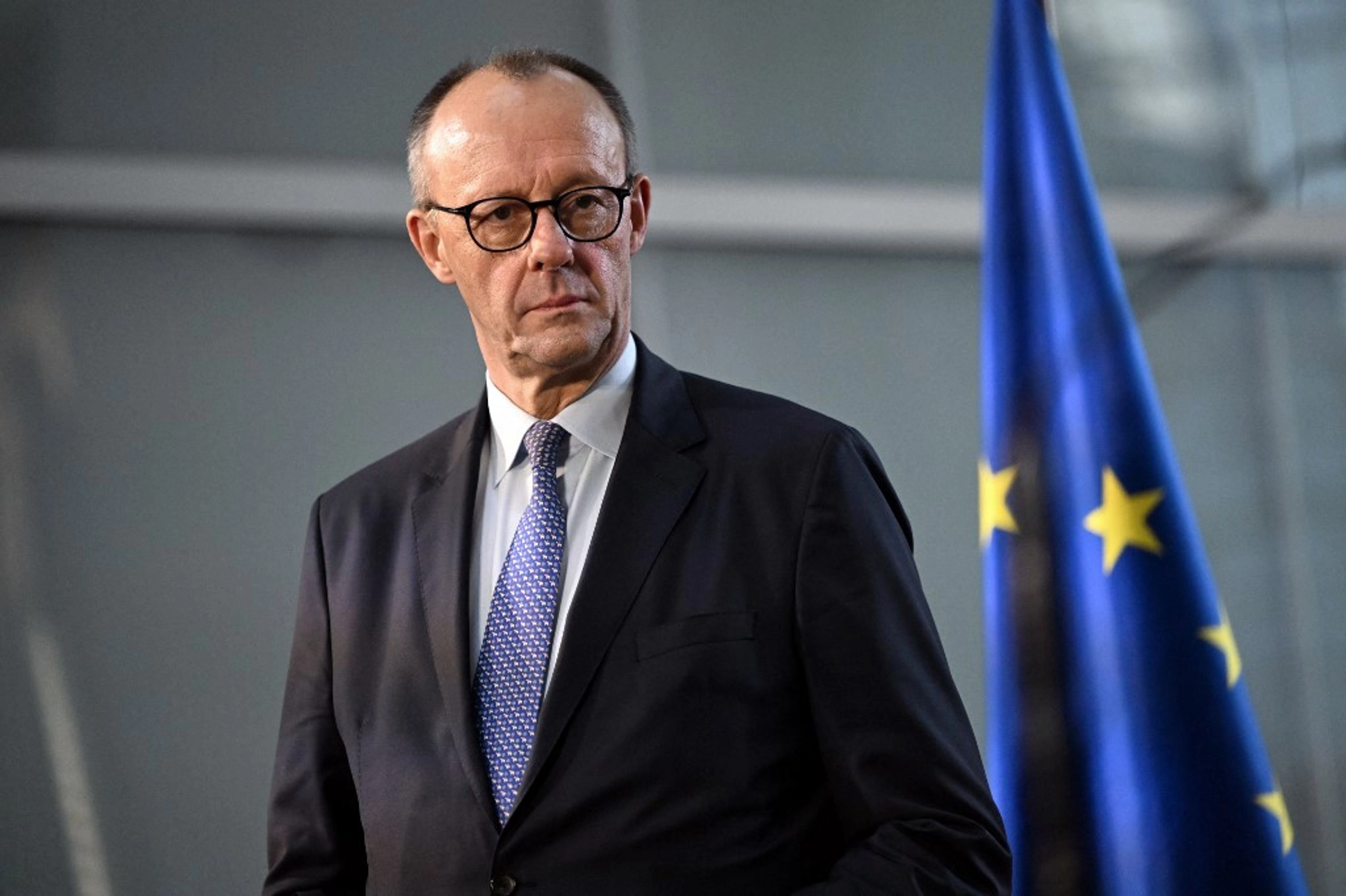
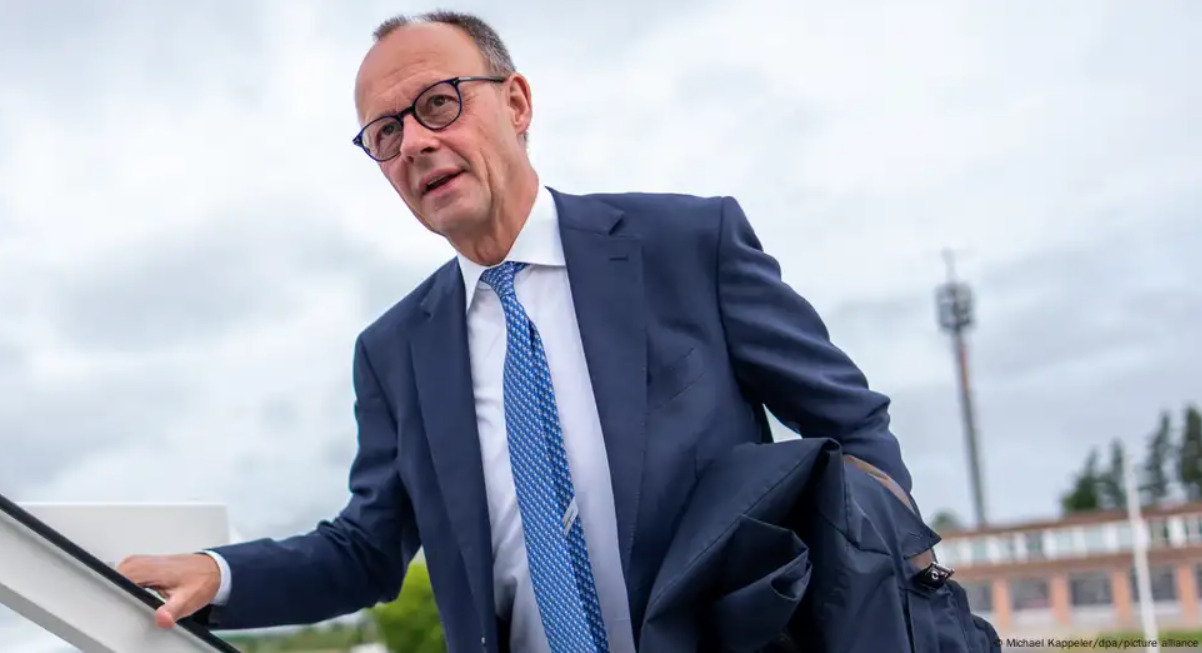
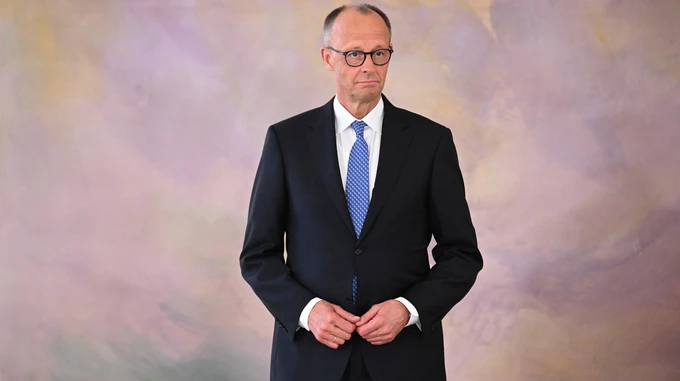
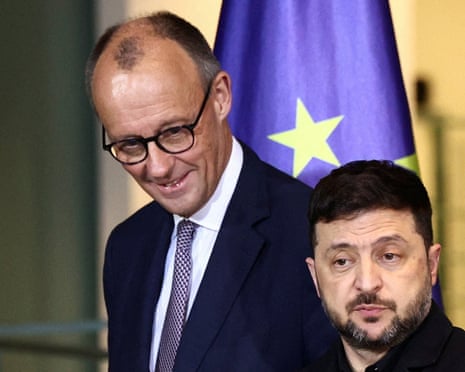
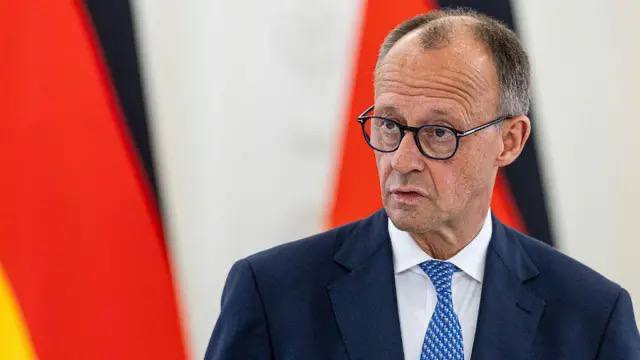
The emerging geopolitical narrative surrounding Ukraine reveals a profound strategic transformation, with German Chancellor Friedrich Merz positioning Germany as a potential pivotal actor in redefining regional security architecture. At the heart of this development lies an unprecedented diplomatic approach that challenges conventional conflict resolution mechanisms.
Diplomatic Innovation Emerges: Merz has introduced a revolutionary concept of security guarantees for Ukraine that circumvent traditional NATO membership while providing robust protection mechanisms. The proposed framework includes establishing a demilitarized zone with potential international peacekeeping presence, effectively creating a novel security model that could fundamentally alter the current conflict's trajectory.
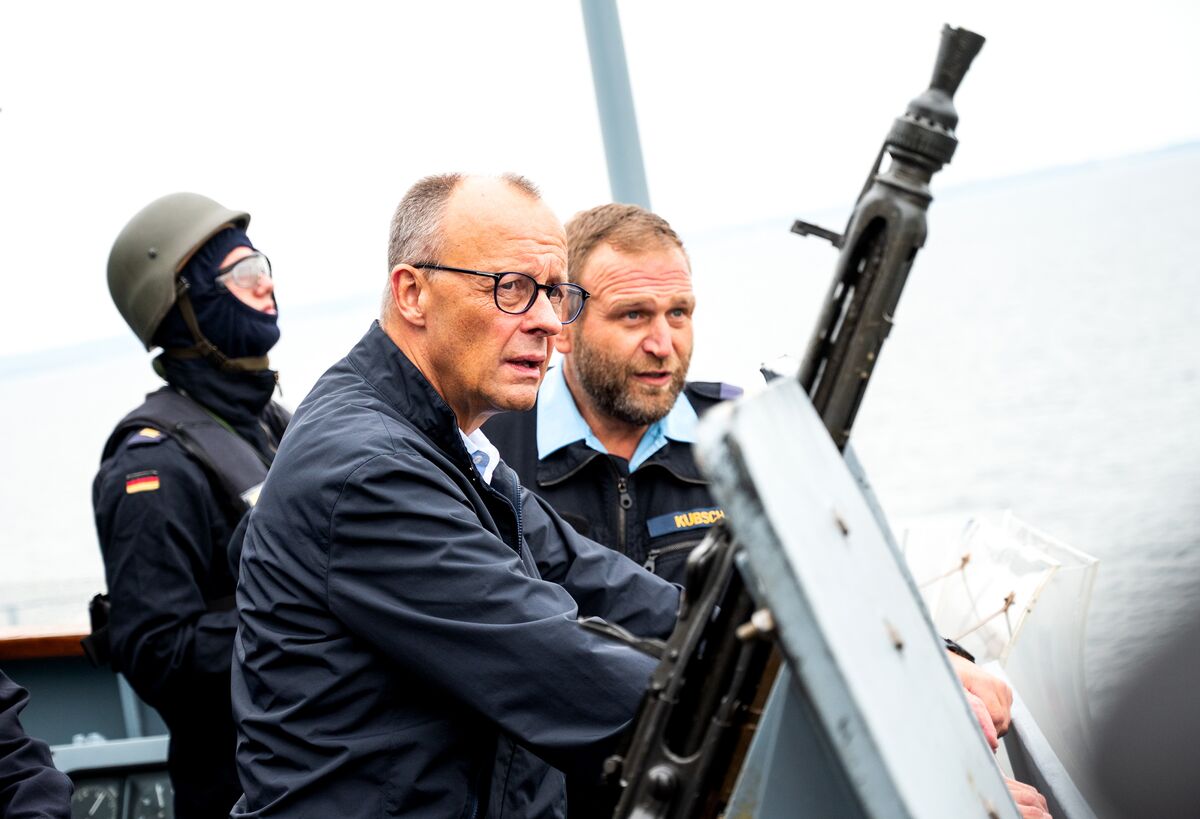
The strategic significance lies in Germany's willingness to contemplate direct military involvement, signaling a dramatic shift from its historically cautious post-World War II military stance. By suggesting German troops could potentially counter Russian attacks under specific engagement rules, Merz is reimagining Germany's role in European security. This represents more than a tactical response—it's a structural reconfiguration of regional defense paradigms.
Geopolitical Pressure Points: The proposal includes innovative financial mechanisms, such as using frozen Russian state assets to support Ukraine. The upcoming European Commission summit's discussion of immobilizing these assets and potentially generating loan support demonstrates a sophisticated economic pressure strategy. This approach goes beyond traditional sanctions, creating a multidimensional pressure framework that combines diplomatic, military, and economic instruments.
However, significant challenges remain. Russian officials have categorically rejected any NATO-adjacent troop presence, and US-based analysts express skepticism about the guarantees' long-term credibility. The delicate negotiation involves Ukrainian President Zelensky potentially accepting the current front line as a ceasefire basis—a nuanced diplomatic maneuver that would represent a de facto territorial recognition without legal acknowledgment.
The emerging strategy suggests a complex multilateral approach that moves beyond binary conflict resolution models. By proposing security mechanisms that are neither full NATO membership nor complete non-alignment, Merz is crafting a sophisticated third path that could potentially break the current geopolitical deadlock.
问题 3
How might the proposed use of frozen Russian assets impact the conflict?
The strategy of using frozen Russian state assets as a financial pressure mechanism represents an innovative approach. By potentially converting these assets into secured loans for Ukraine, Germany is creating an economic lever that goes beyond traditional sanctions, potentially providing Ukraine with financial support while simultaneously applying economic pressure on Russia.
What makes Merz's proposed security mechanism for Ukraine unique?
Merz's approach offers a novel security framework that provides NATO-like protections without formal NATO membership, including potential peacekeeping forces and a demilitarized zone. This creates a flexible diplomatic solution that could break the current geopolitical impasse by offering Ukraine robust security without directly challenging Russian red lines.