



The End of the Penny: America's Digital Currency Transformation
- A historic monetary shift signaling the acceleration of cashless commerce and digital payment ecosystems















概览
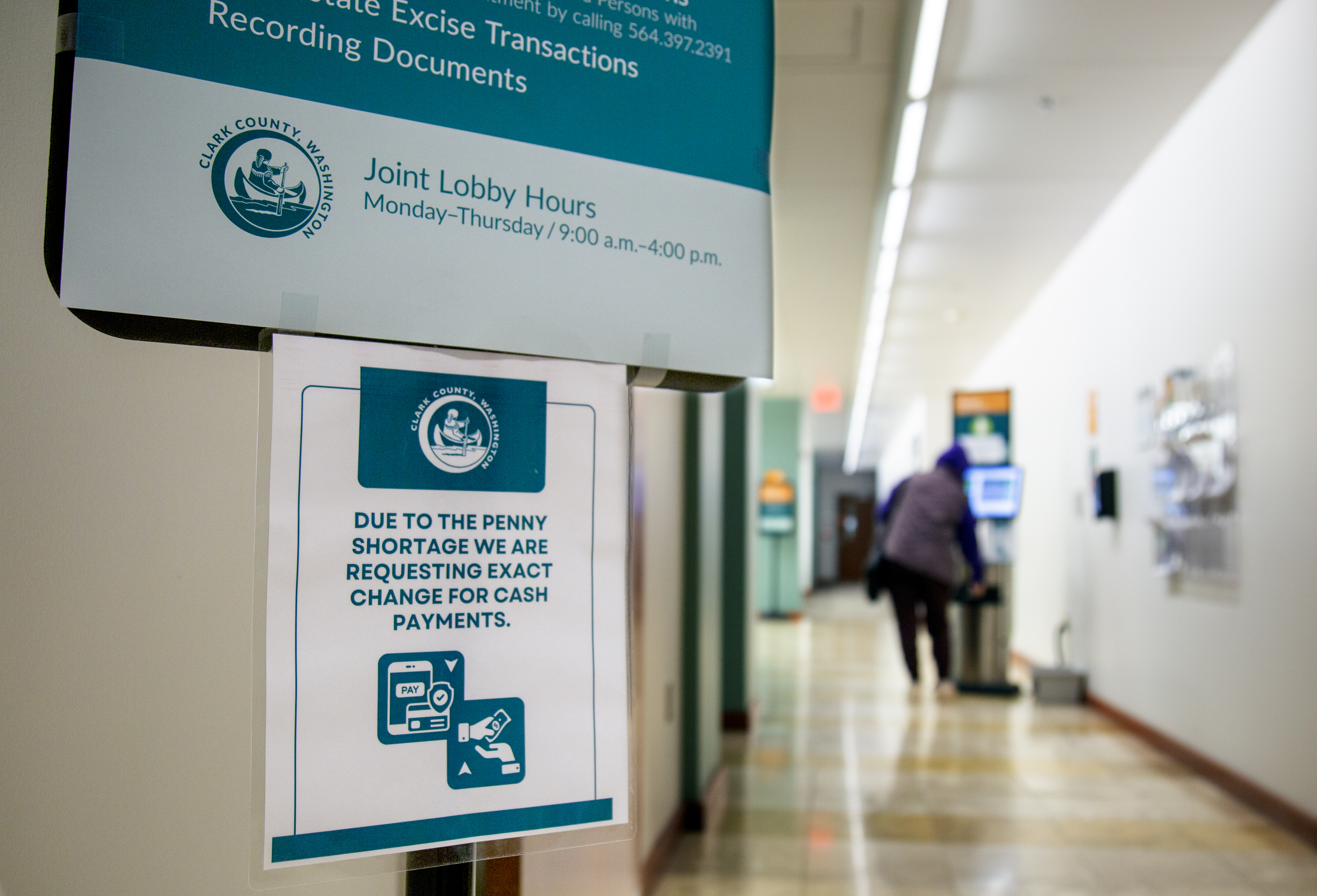
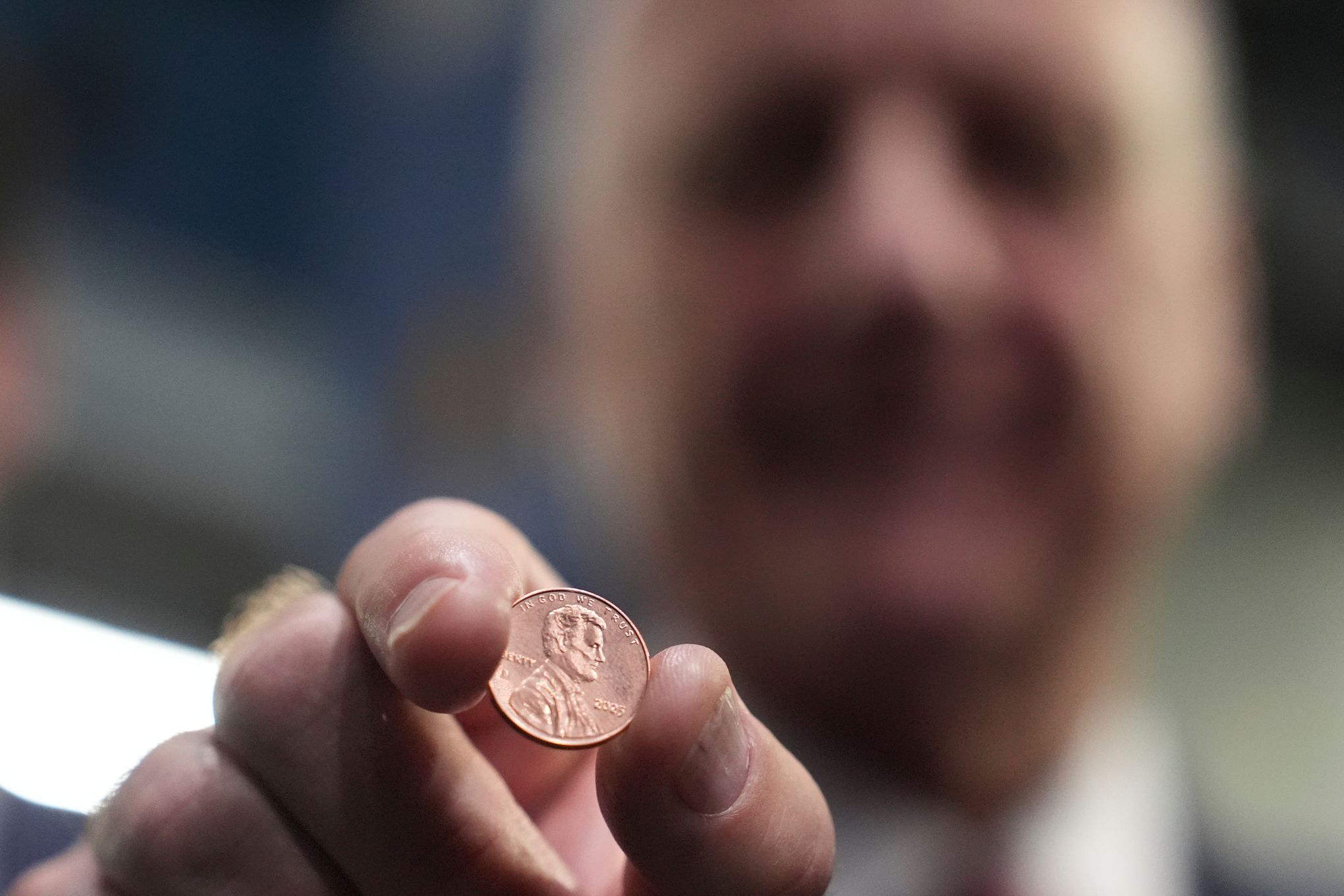
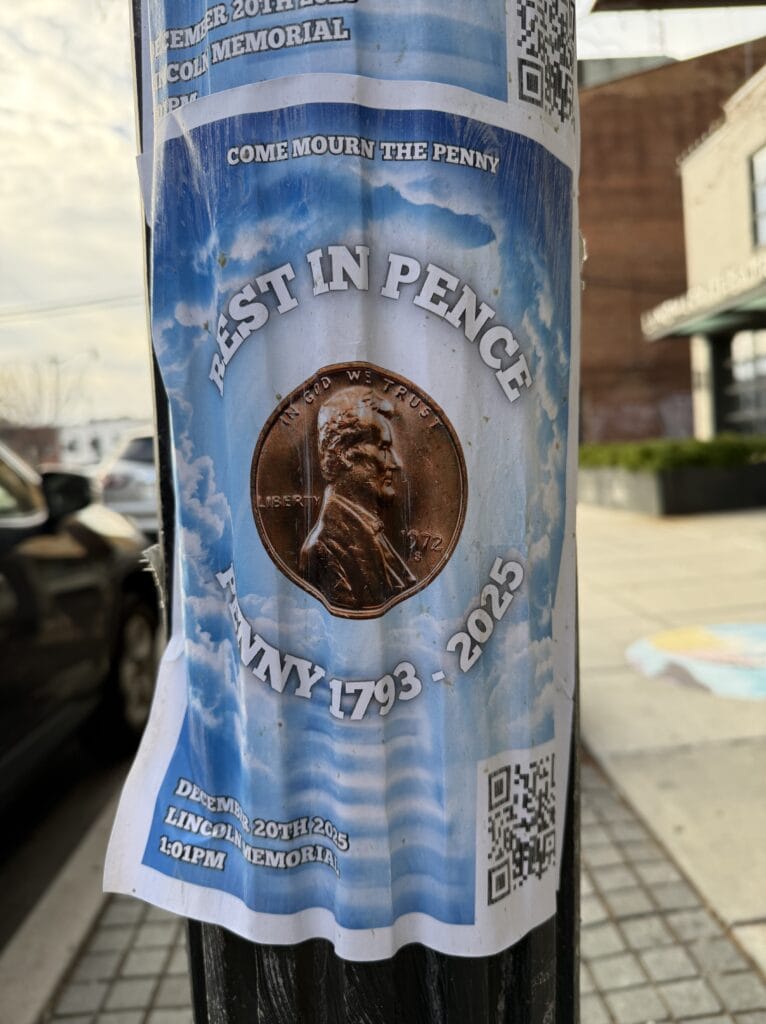
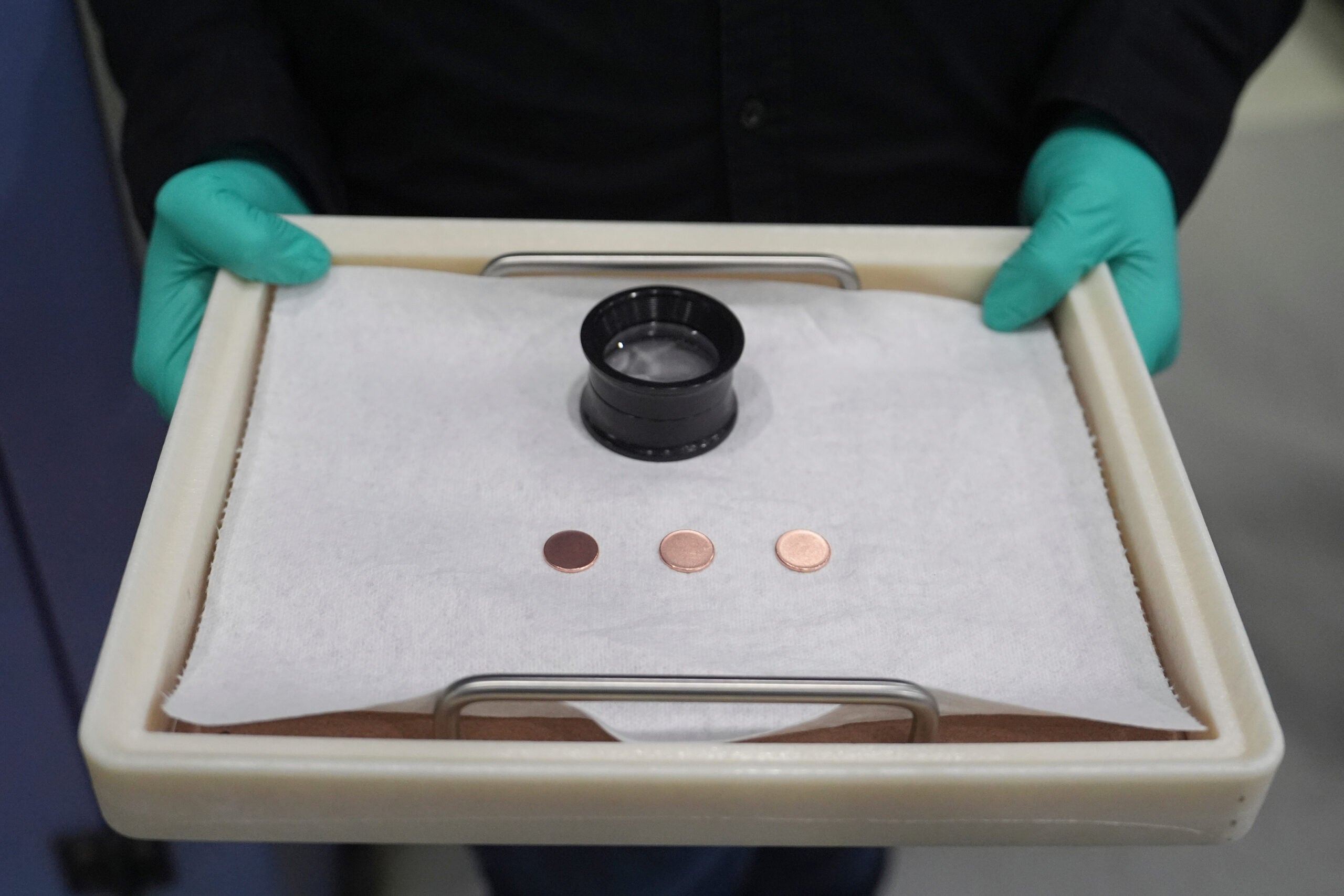
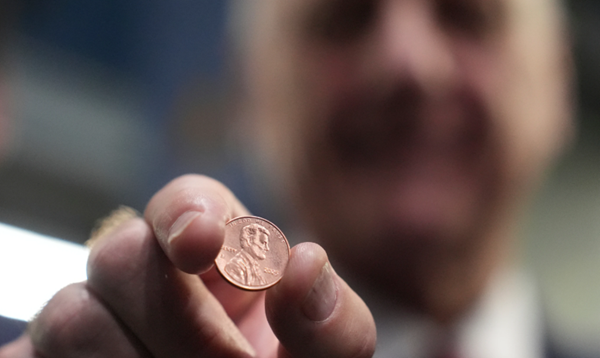
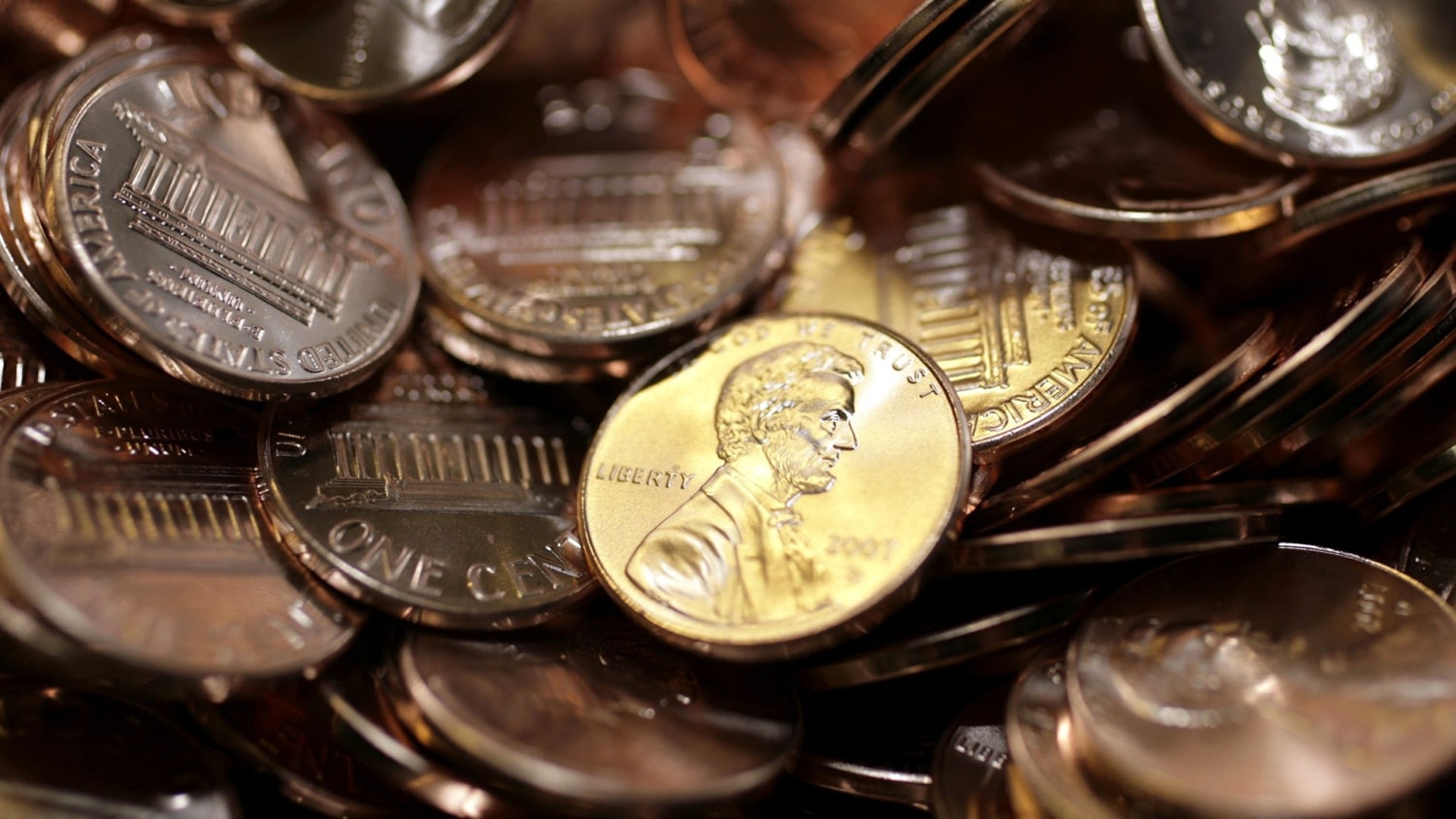
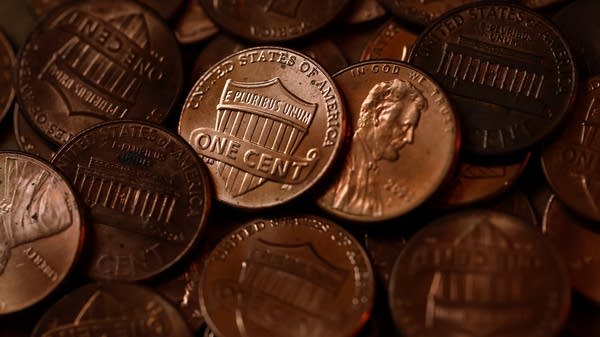
The United States has reached a pivotal moment in its monetary history, marking the end of 232 years of penny production—a symbolic transition that extends far beyond mere coin elimination. Monetary efficiency has decisively trumped historical tradition, with the U.S. Mint reporting a staggering $85.3 million loss in fiscal year 2024 from manufacturing coins that cost more to produce than their face value.
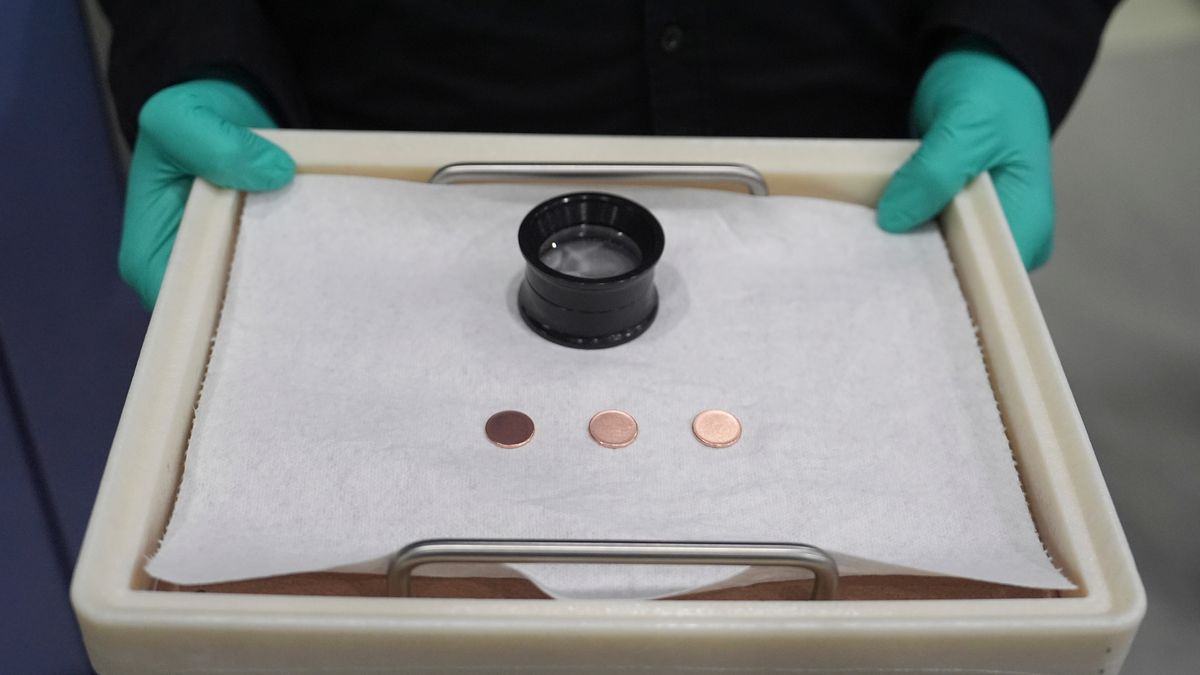
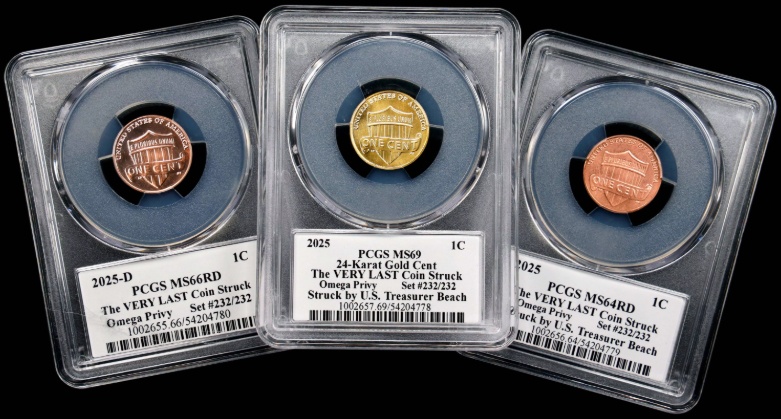
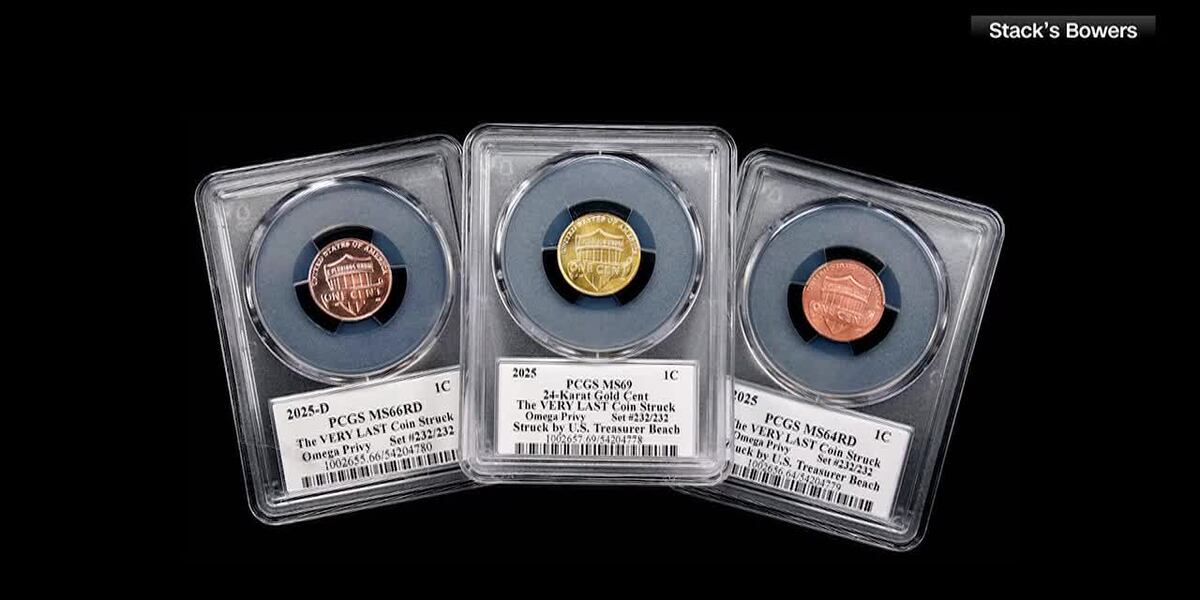
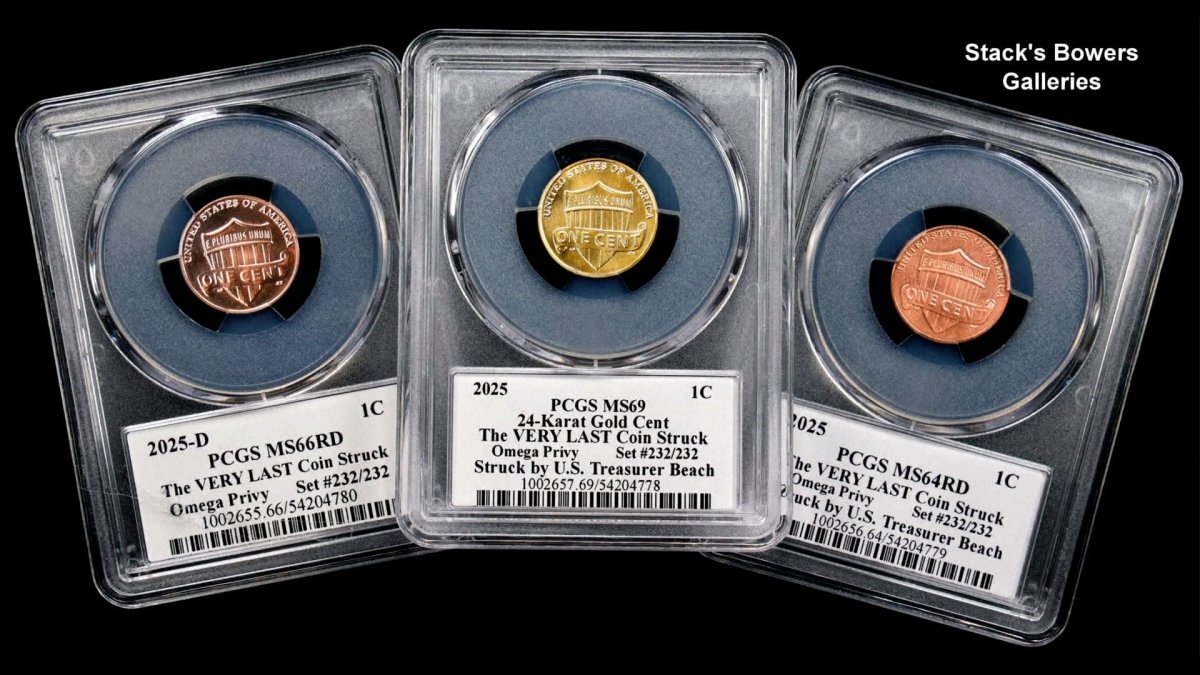
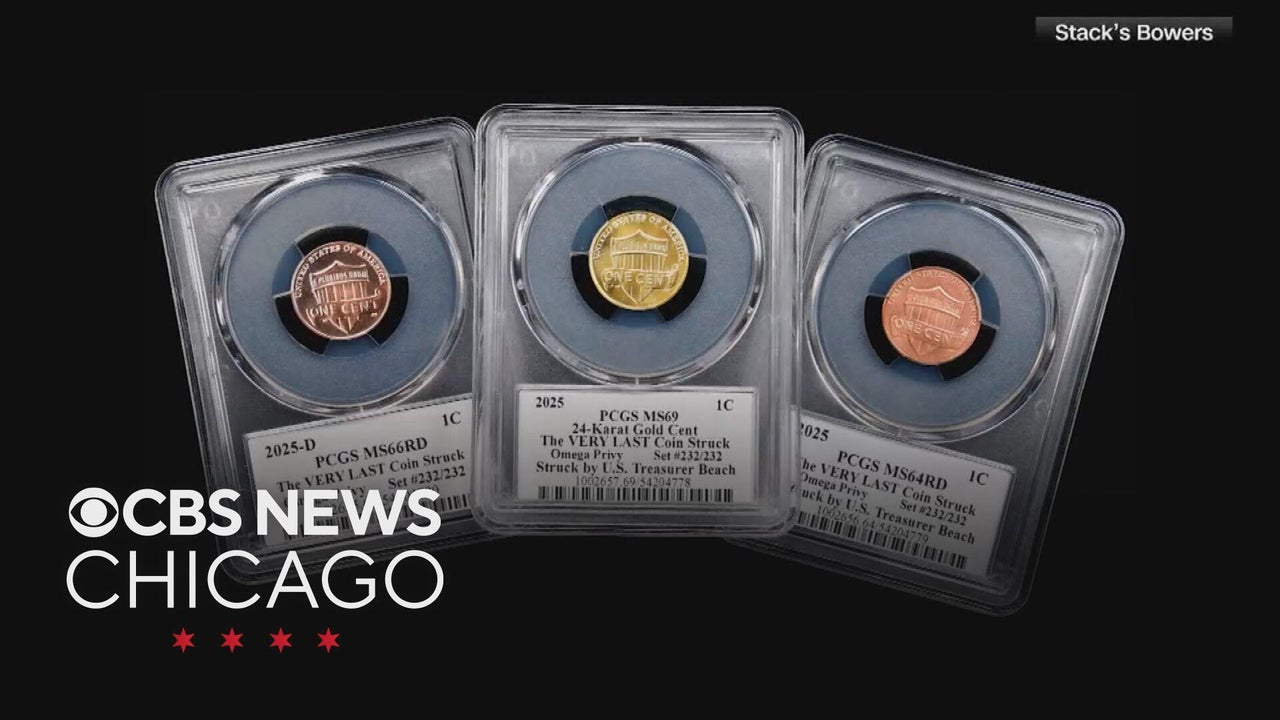
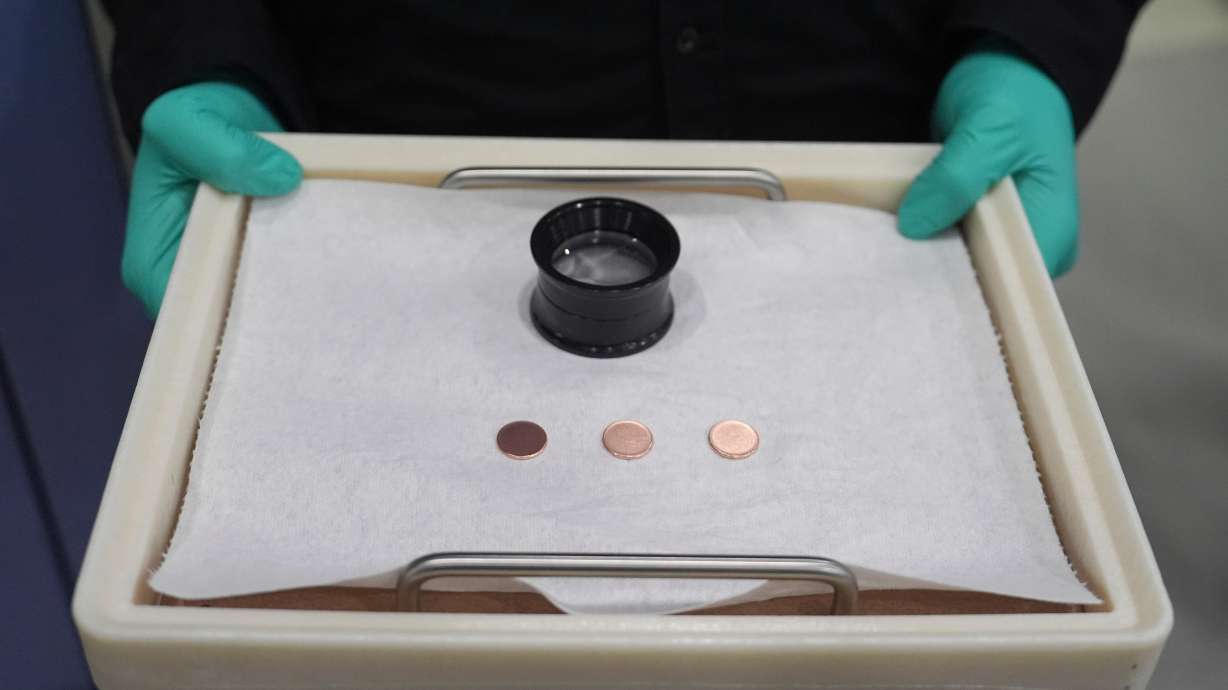
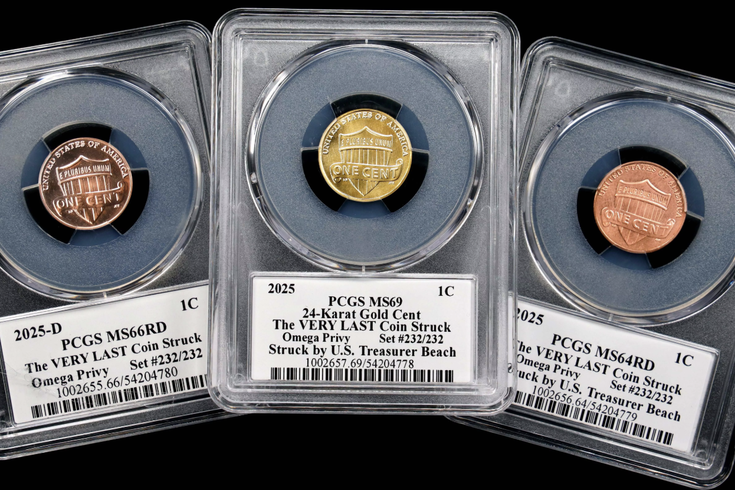
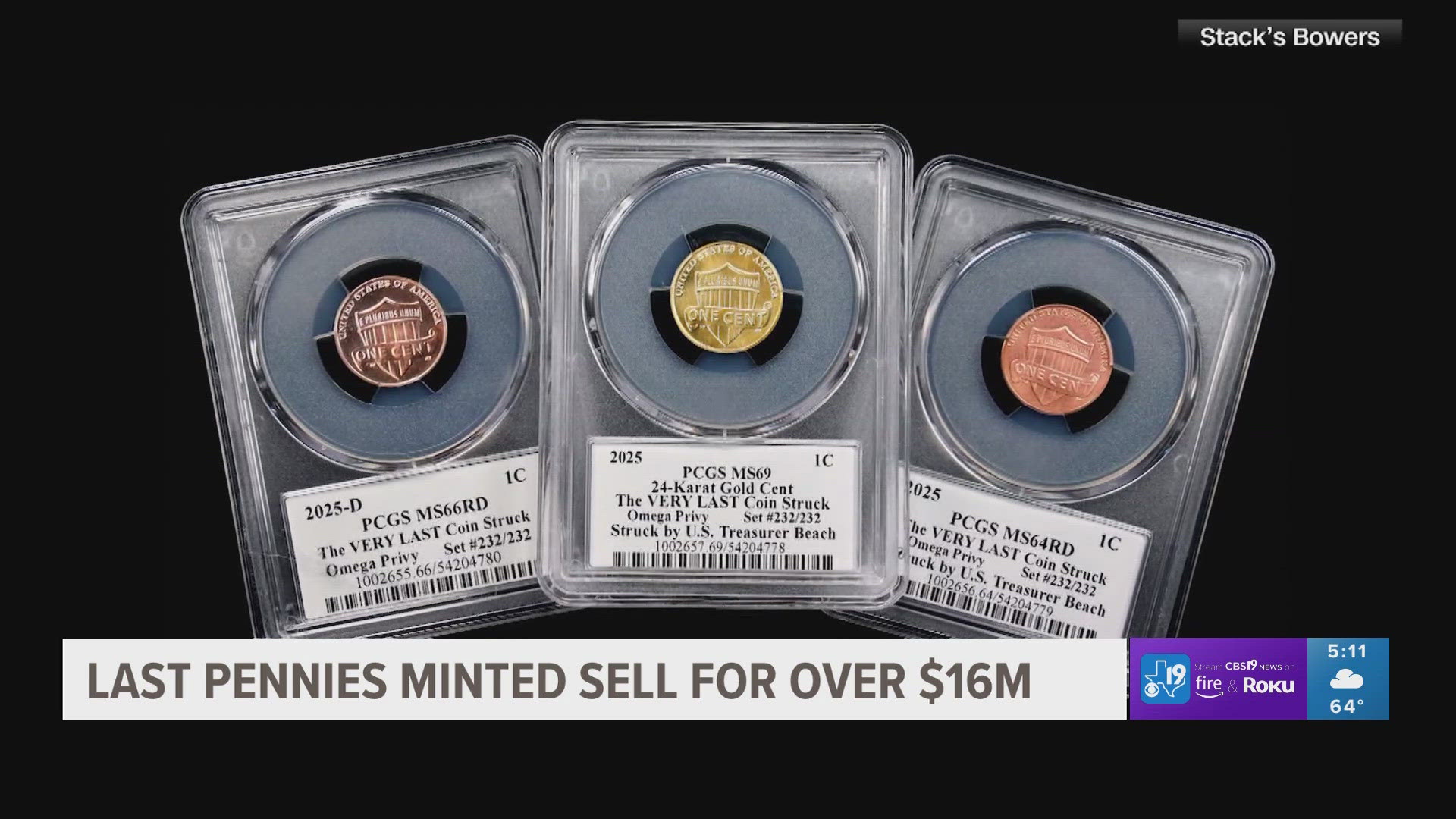
Digital payment trends are accelerating this transformation, revealing a profound economic recalibration. The penny's elimination represents more than a numismatic curiosity; it signals a broader societal shift towards frictionless, technology-driven transactions. When the final commemorative penny set sold for $16.7 million at auction, it wasn't just a collector's event—it was a marker of fundamental economic restructuring.
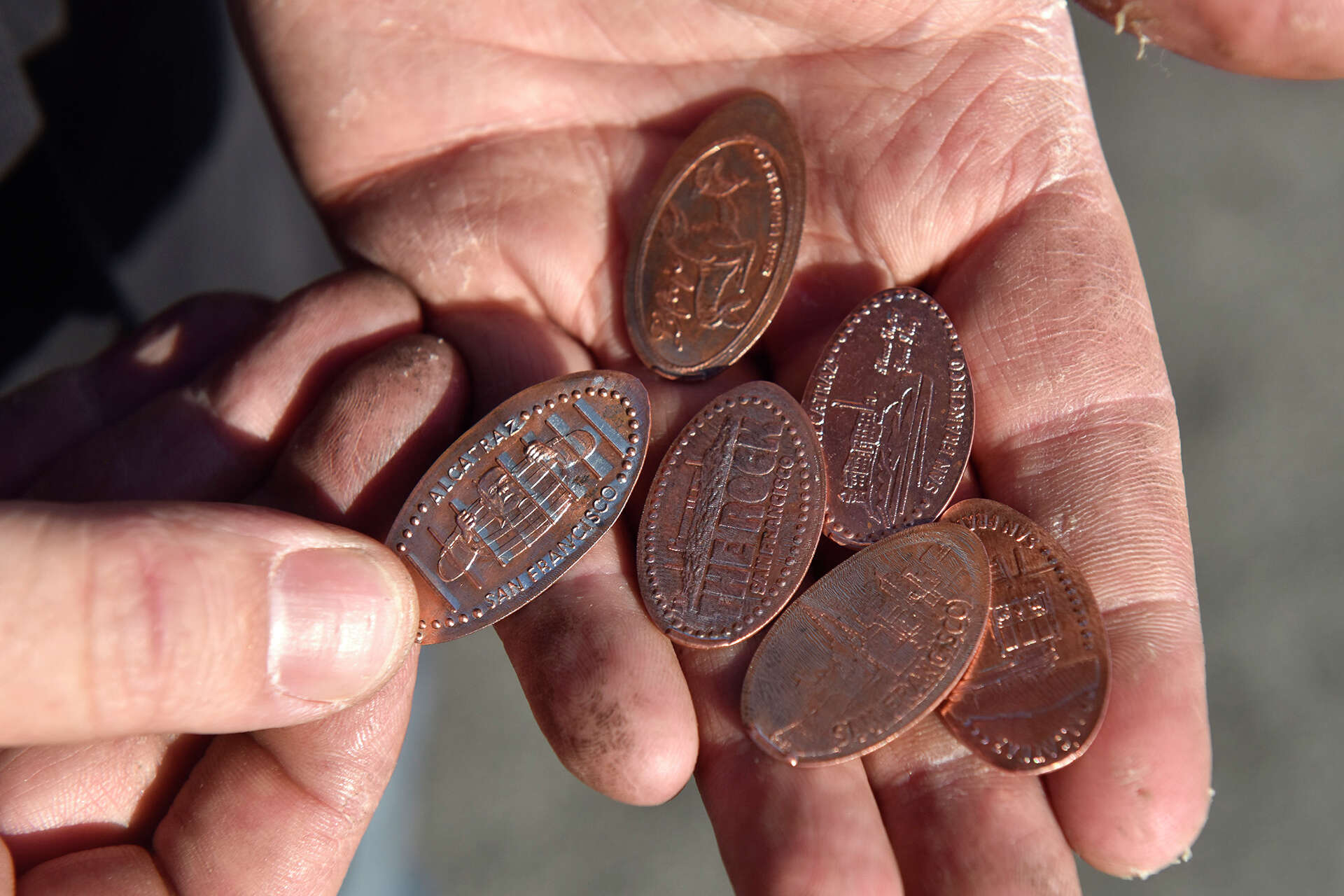
The implications for cross-border commerce and e-commerce are particularly significant. Businesses, especially in tourism-related sectors like souvenir creation, must rapidly adapt their operational models. Matt Sengbusch, a Bay Area penny machine operator, highlighted the complex challenges: upgrading machines for credit card transactions, reimagining souvenir strategies, and fundamentally rethinking cash-based transaction mechanisms.
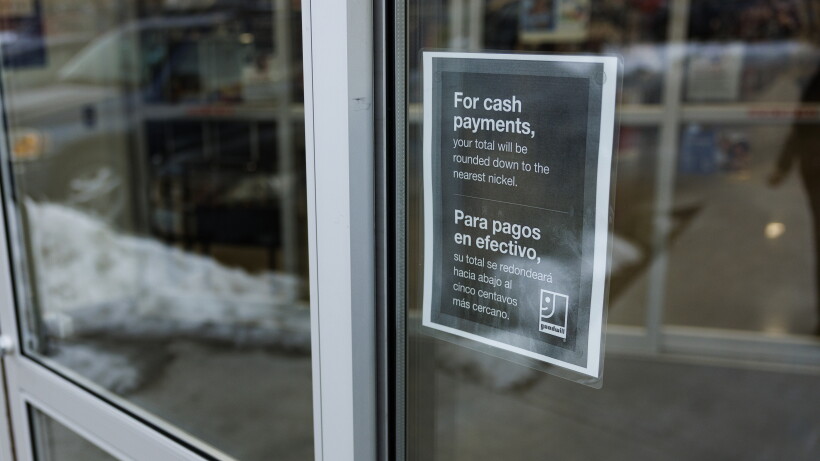
This isn't an isolated event but part of a global trend. Countries like Canada (2012) and Australia have already eliminated their one-cent coins, recognizing the economic inefficiency of maintaining legacy currency systems. The U.S. Mint's decision suggests that traditional coin production is increasingly incompatible with digital commerce's speed and efficiency.
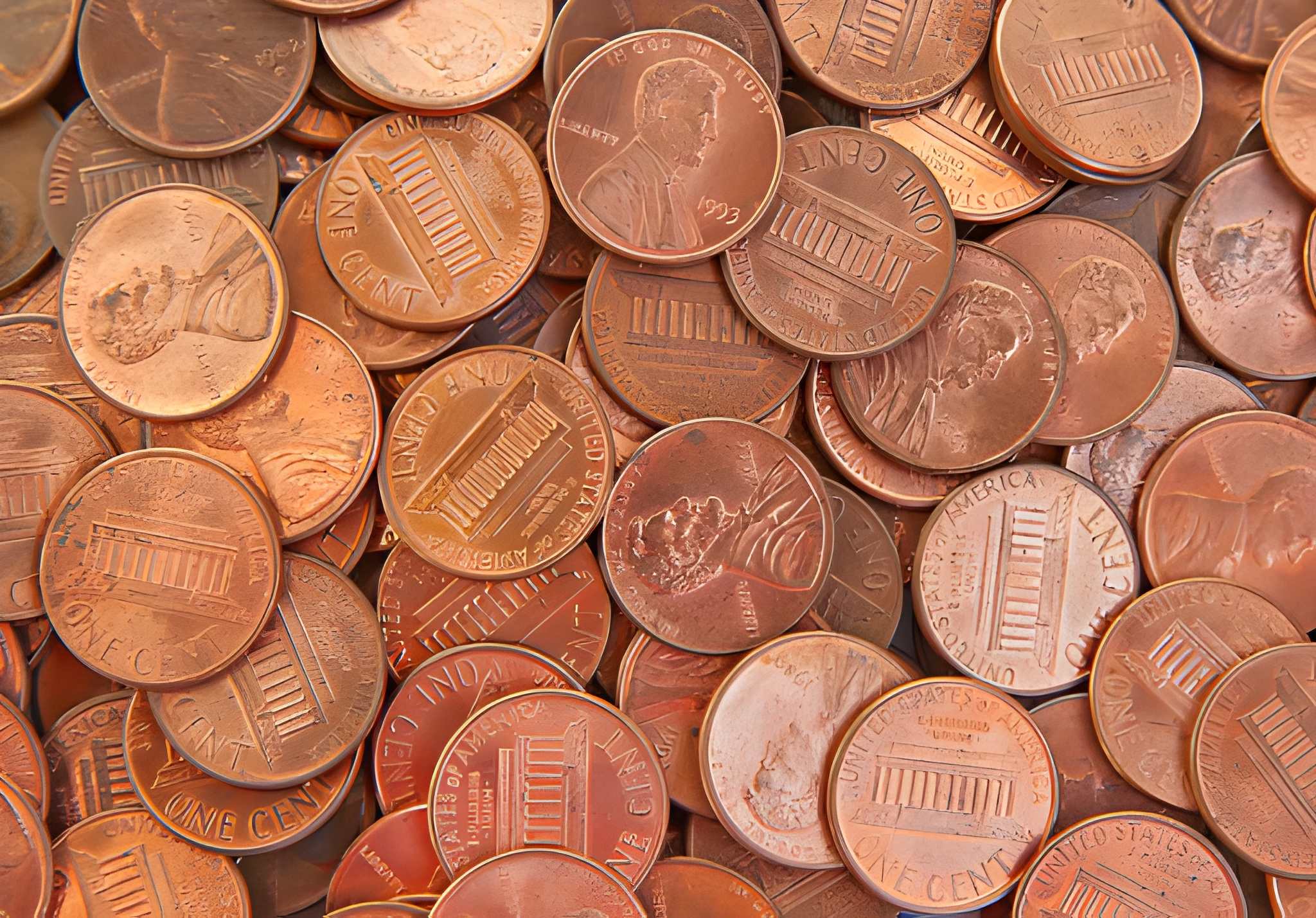
The penny's retirement also hints at broader monetary innovations. With approximately 250 billion pennies still in circulation, this transition will be gradual but inexorable. The market is signaling a clear message: physical currency is becoming a legacy technology, and digital payment ecosystems are the future of transactional infrastructure.
问题 3
What does this mean for the future of physical currency?
The penny's retirement signals a broader global trend towards digital payment ecosystems. While 250 billion pennies remain in circulation, this move suggests physical currency is becoming increasingly obsolete, with digital transactions becoming the primary mode of economic exchange.
How will this impact businesses, especially in tourism?
Businesses like souvenir shops and pressed penny machine operators will need to rapidly adapt. This includes upgrading to digital payment systems, potentially purchasing pennies separately for collectibles, and reimagining transaction and souvenir strategies to align with cashless commerce trends.