


EU Trade Policy Shift: Chinese EV Market Access Reimagined
- Minimum Price Mechanism Impacts 50+ Cross-Border Automotive Sellers












概览
The European Commission's groundbreaking approach to managing Chinese electric vehicle (EV) imports represents a sophisticated evolution in international trade policy with profound implications for cross-border e-commerce sellers. By introducing a minimum price mechanism instead of traditional tariffs, the EU is creating a nuanced regulatory environment that balances protectionism with market accessibility.
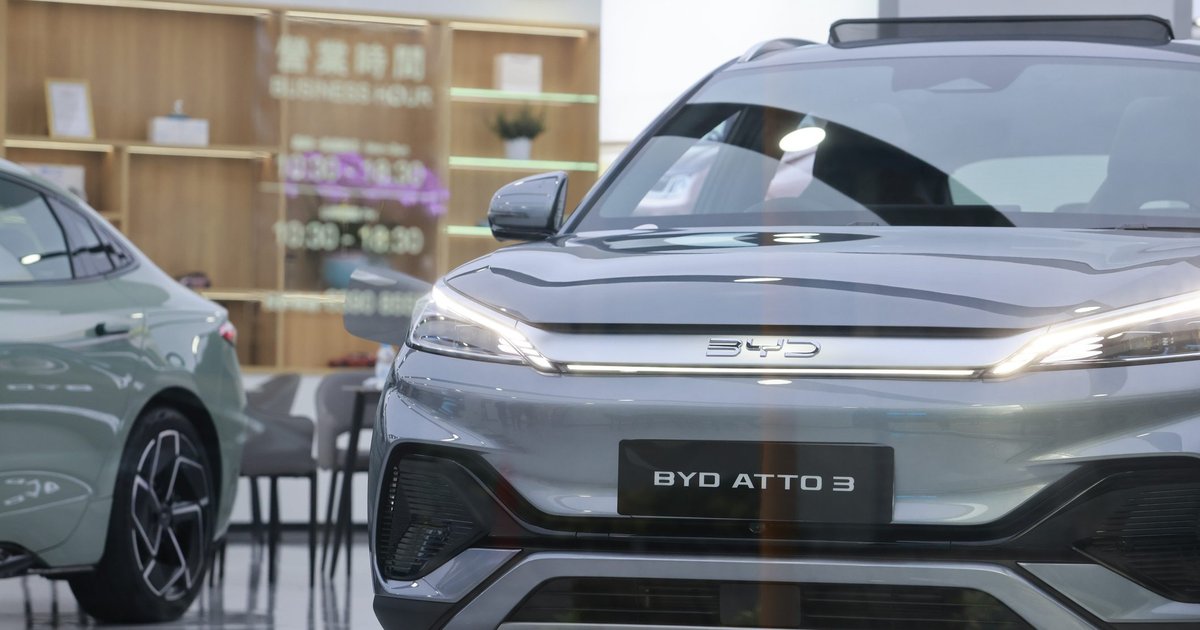
The strategic policy shift signals a critical transformation in automotive and technology trade relations. Immediately observable market reactions demonstrate the policy's significance: BYD shares jumped 4.8%, Xpeng gained 5.3%, and SAIC Motor's Shanghai-traded shares increased by 3.6%. This volatility underscores the potential for substantial market recalibration in the EV sector.
For cross-border sellers, this development demands immediate strategic reassessment. The minimum price system represents more than a tariff alternative—it's a sophisticated mechanism that could provide more predictable market conditions for international manufacturers. E-commerce sellers in automotive, electronics, and related technology categories must closely monitor these evolving trade dynamics. The approach suggests a potential blueprint for managing cross-border competitive tensions, with implications extending beyond EVs into broader technology and manufacturing sectors.
Sellers should anticipate potential ripple effects, including:
- Potential price standardization in EV markets
- Increased compliance requirements for international automotive sales
- New opportunities for strategic market positioning
- Enhanced transparency in cross-border trade mechanisms
The broader context reveals ongoing global negotiations and strategic repositioning in automotive and trade relations, presenting both challenges and opportunities for adaptive cross-border sellers.
问题 5
How will the EU's minimum price mechanism affect Chinese EV manufacturers?
The mechanism will establish a price floor for Chinese EVs, potentially protecting European manufacturers while maintaining market access. This could stabilize pricing and reduce aggressive undercutting in the automotive market.
Why is the EU moving away from traditional tariffs?
The minimum price approach offers a more nuanced trade policy that addresses market flooding concerns while maintaining international trade relationships and providing more predictable market conditions.