




Global Energy Transformation Accelerates as Coal Reaches Peak Horizon
- Renewable Technologies Poised to Reshape Global Energy Infrastructure by 2030






















概览
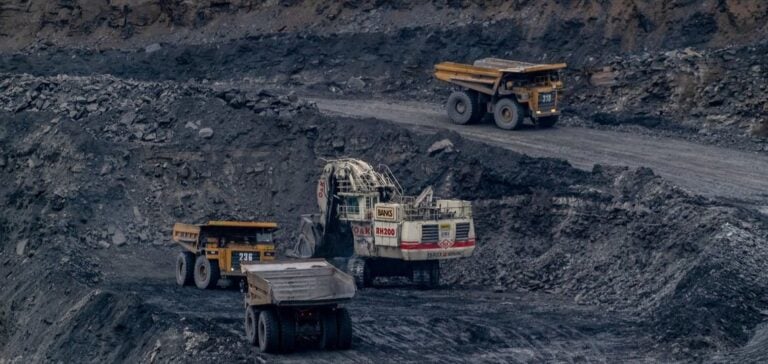
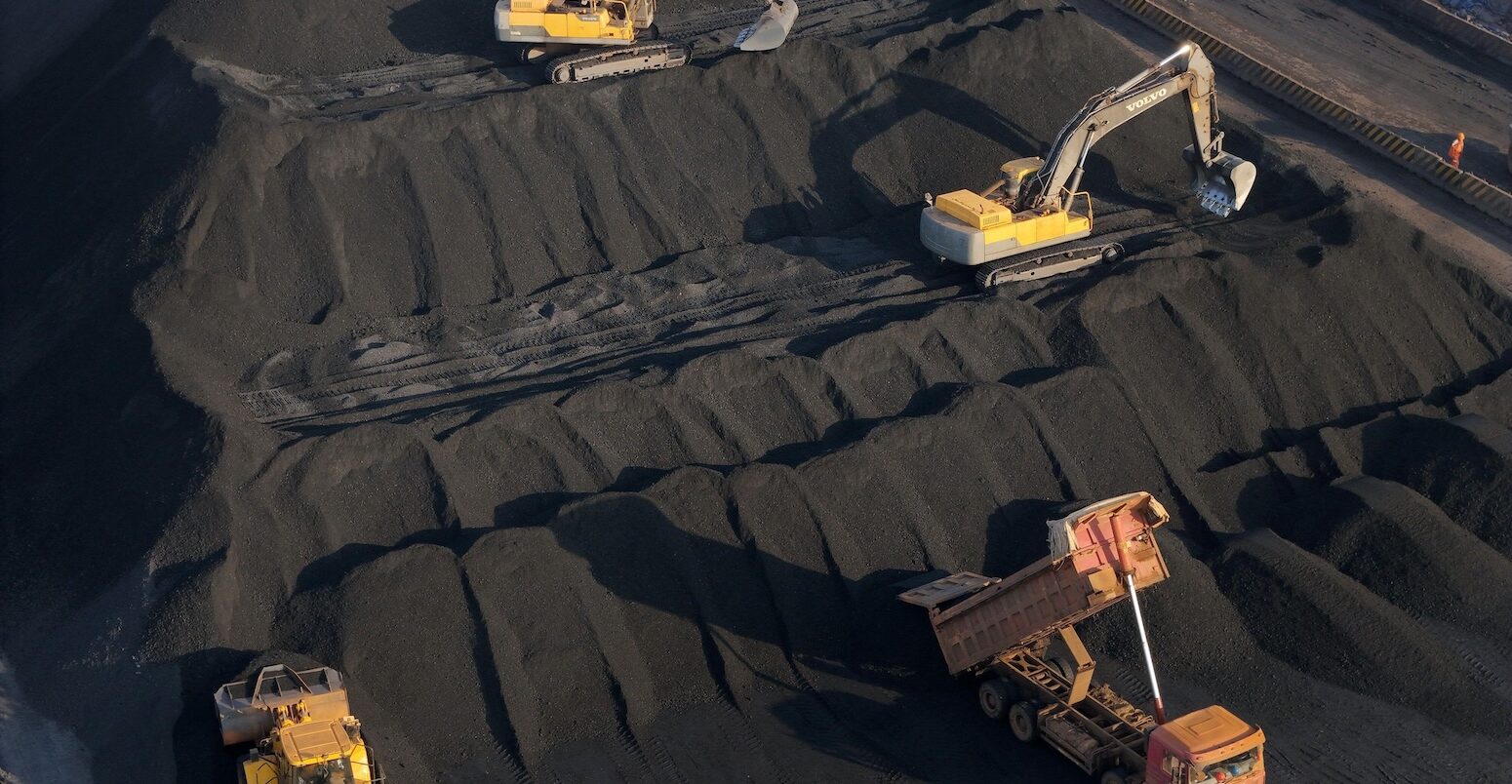
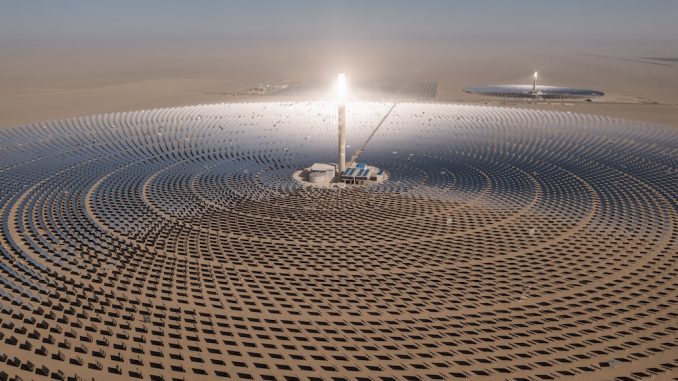
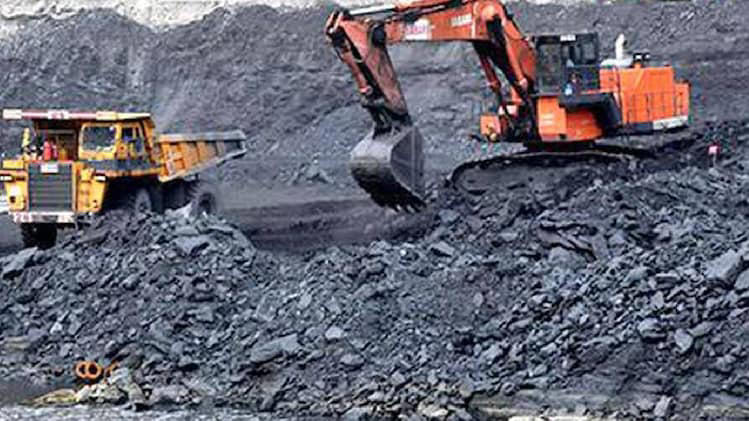
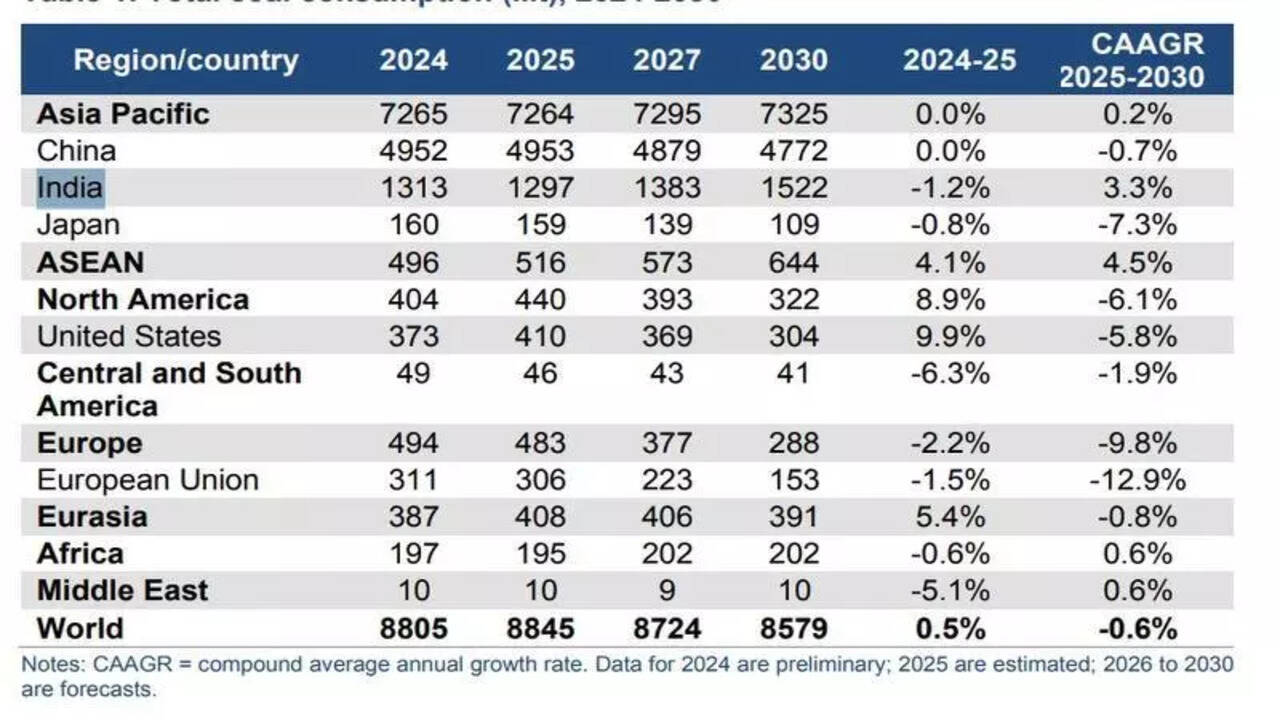
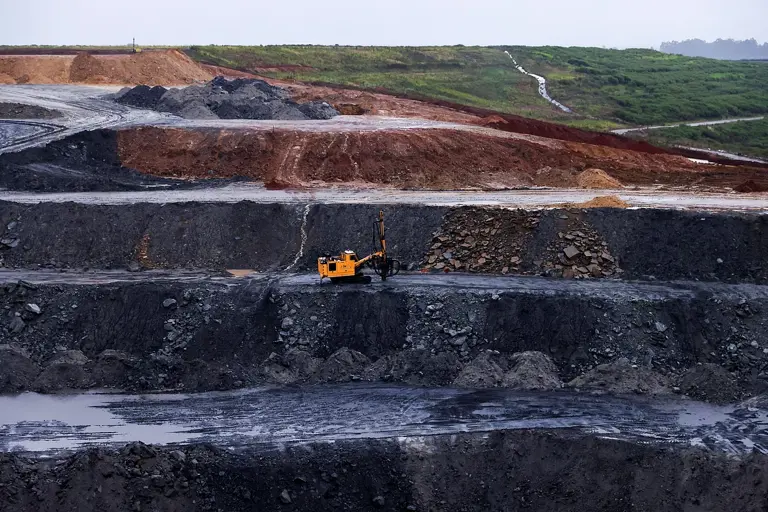
The global energy landscape is undergoing a profound structural transformation, with the International Energy Agency (IEA) signaling a critical inflection point in carbon emissions and energy production. By 2030, coal—historically the backbone of global electricity generation—is projected to reach its peak usage, marking a watershed moment in the transition toward cleaner energy technologies.
Strategic Shift in Energy Dynamics: The IEA's forecast reveals a nuanced but decisive momentum away from fossil fuels. China's emissions trajectory, which has been flat or declining for 18 consecutive months, serves as a pivotal indicator of this broader systemic change. This isn't merely an environmental imperative but a fundamental economic recalibration. Renewables, nuclear power, and natural gas are increasingly displacing coal's market share, driven by improving technological economics and mounting climate pressures.
Environmental Urgency as a Catalyst: The environmental context underscores the transition's criticality. With global temperatures approaching 1.5°C of warming and the Arctic having lost 39% of its oldest ice over two decades, the stakes extend far beyond energy economics. These environmental indicators transform the energy transition from a strategic option to an existential necessity. The projected temperature trends, with 2025 expected to be among the hottest years on record, create a compelling backdrop for accelerated technological innovation.
Technological and Economic Implications: While coal will not disappear overnight, the trend points toward an accelerated adoption of cleaner energy technologies. This transition presents a complex landscape of challenges and opportunities for industries worldwide. Energy producers, infrastructure developers, and technological innovators stand at the forefront of this transformation. The increasing economic and environmental viability of renewable sources suggests that the next decade will be defined by strategic investments in sustainable energy infrastructure.
The IEA's projection is more than a forecast—it's a roadmap for a fundamental reimagining of global energy systems, signaling that the future of energy is not just green, but economically and technologically inevitable.
问题 3
What are the primary drivers behind the shift away from coal?
The shift is driven by a combination of environmental urgency, improving renewable technology economics, and increasing climate pressures. With global temperatures approaching critical thresholds and environmental impacts becoming more visible, the economic and ecological case for transitioning to cleaner energy sources has become increasingly compelling.
How significant is China's role in this global energy transition?
China's emissions trajectory, which has been flat or declining for 18 consecutive months, is a critical indicator of the global energy transformation. As the world's largest energy consumer, China's movement towards cleaner energy sources can accelerate the worldwide transition away from coal and towards renewable technologies.