



Technological Warfare: Ukraine's Drone Strategy Reshapes Asymmetric Conflict Dynamics
- Innovative Military Technology Signals Emerging Geopolitical Power Projection Capabilities
概览
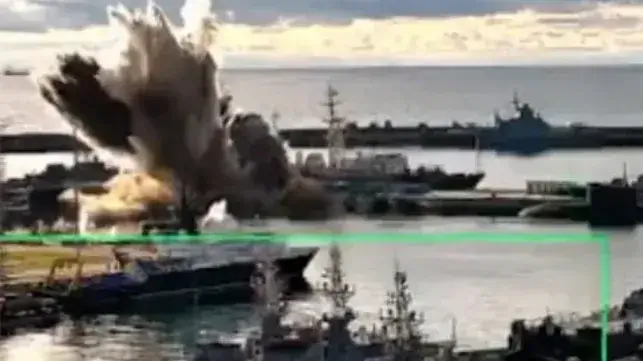
In the evolving landscape of modern warfare, technological innovation has emerged as a critical battlefield where traditional power dynamics are being fundamentally reimagined. The recent underwater drone attack by Ukraine against a Russian submarine at the Novorossiysk naval base represents a pivotal moment in asymmetric warfare strategies, demonstrating how smaller, technologically adaptive forces can challenge numerically superior opponents.
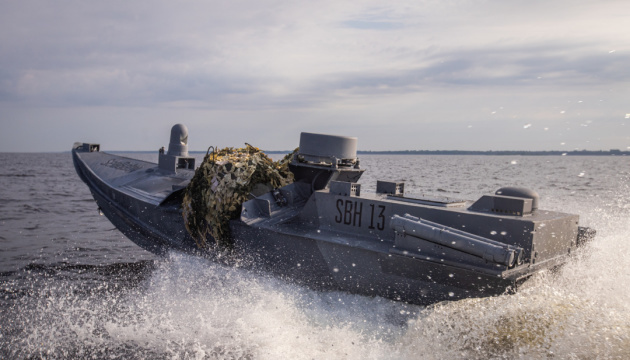
Drone technology has transformed from a supplementary military tool to a strategic game-changer. The Sub Sea Baby drone deployed by Ukraine's Security Service (SBU) showcases a remarkable leap in precision and penetration capabilities. By successfully targeting a Kilo-class submarine with four Kalibr cruise missile launchers, Ukraine has signaled its ability to develop and execute complex, high-risk maritime operations that bypass conventional defense mechanisms.
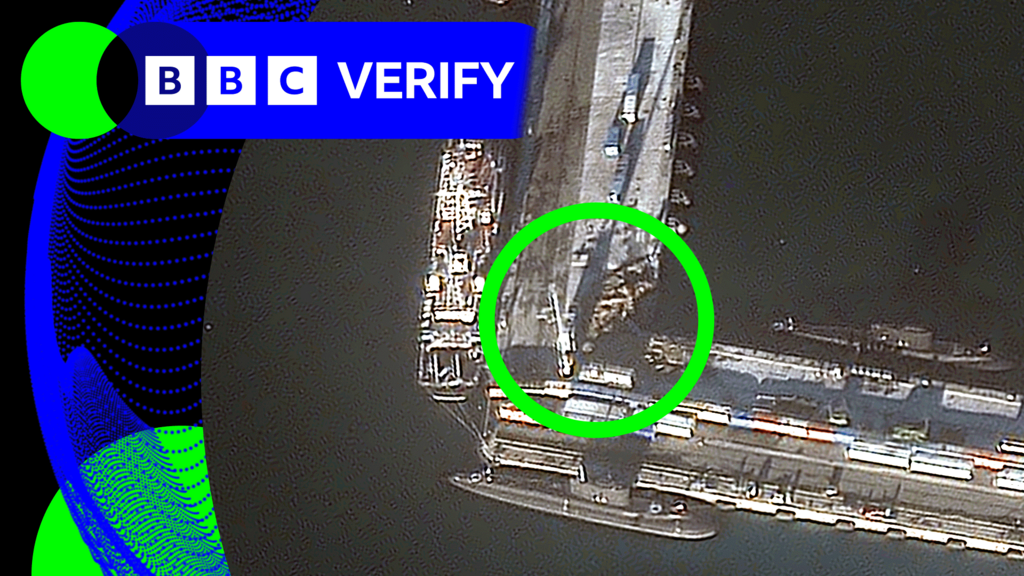
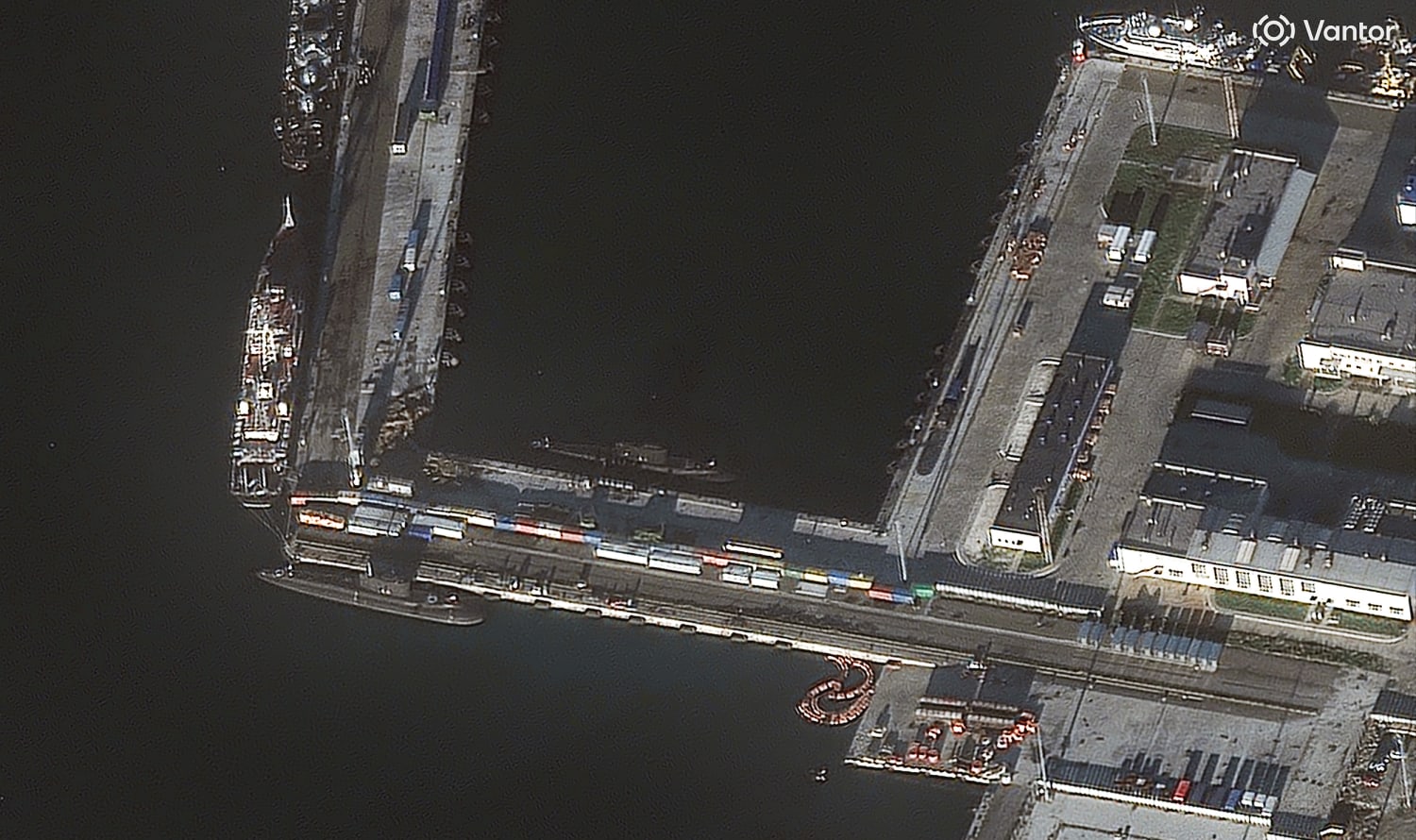
The strategic significance extends beyond the immediate tactical impact. Satellite imagery from Colorado-based firm Vantor revealed tangible damage to the port quay, challenging Russia's categorical denial of the attack's effectiveness. Analysts like Benjamin Jensen from the Center for Strategic and International Studies emphasize that the true value lies not just in physical damage, but in demonstrating an ability to penetrate supposedly impenetrable defense systems.
This incident reveals a broader trend of technological democratization in warfare. Smaller nations can now develop asymmetric capabilities that neutralize traditional military advantages. The underwater drone strike represents more than a singular event—it's a blueprint for how technological innovation can reshape geopolitical power dynamics. While experts caution that a single attack cannot fundamentally alter the conflict's trajectory, it nonetheless provides a compelling case study of how adaptive military technology can create strategic leverage.
The implications are profound: military superiority is increasingly defined not by raw numerical strength, but by technological agility, innovation ecosystems, and the ability to rapidly prototype and deploy unconventional solutions. For geopolitical strategists, this signals a critical shift towards valuing technological adaptation over traditional military metrics.
问题 3
Why is the penetration of defense systems more significant than physical damage in this context?
Demonstrating the ability to bypass sophisticated defense mechanisms is strategically more valuable than immediate physical destruction. It exposes vulnerabilities in established military systems and creates psychological uncertainty, which can be more destabilizing than direct material damage.
What are the broader implications of this drone strike for global military strategy?
This incident signals a fundamental transformation in military power dynamics, where technological agility becomes more important than raw military strength. It suggests that nations must invest in rapid prototyping, innovative technology ecosystems, and unconventional solution development to maintain strategic relevance.