


EU's High-Stakes Ukraine Summit Reveals Critical Financial Diplomacy Crossroads
- Unprecedented financial maneuver tests EU's unity and geopolitical credibility amid Ukraine support








)









概览
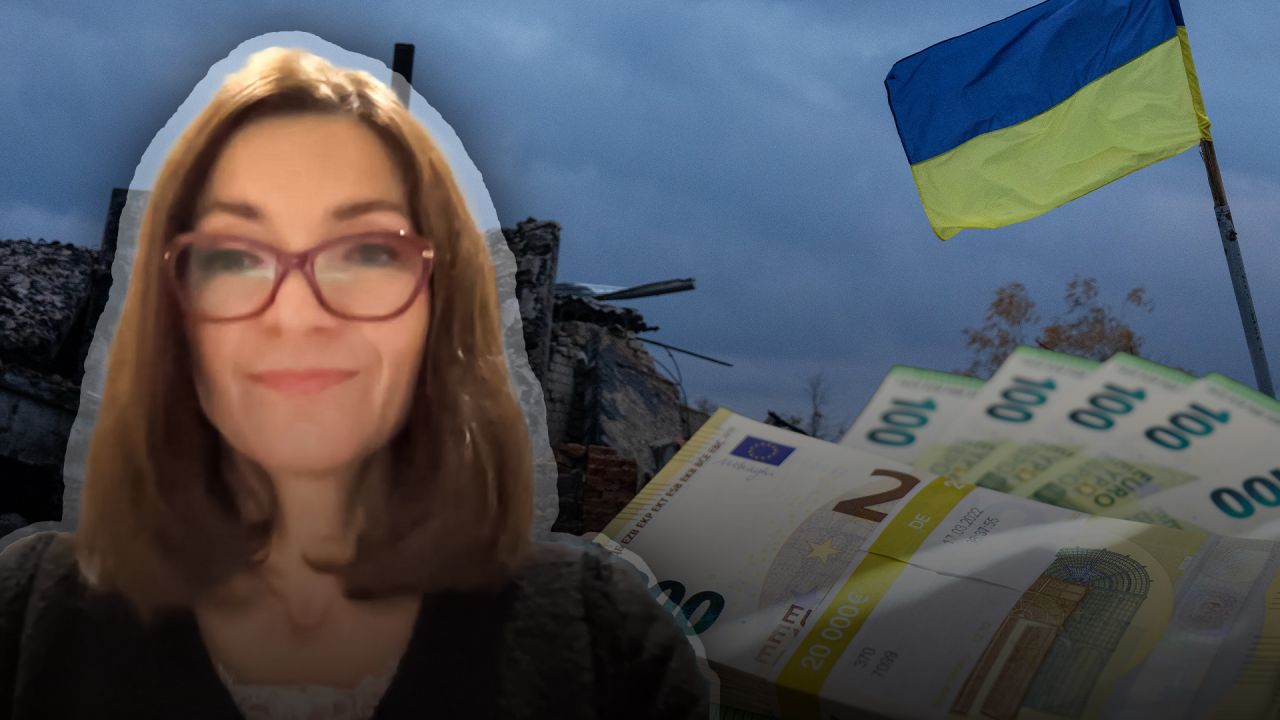
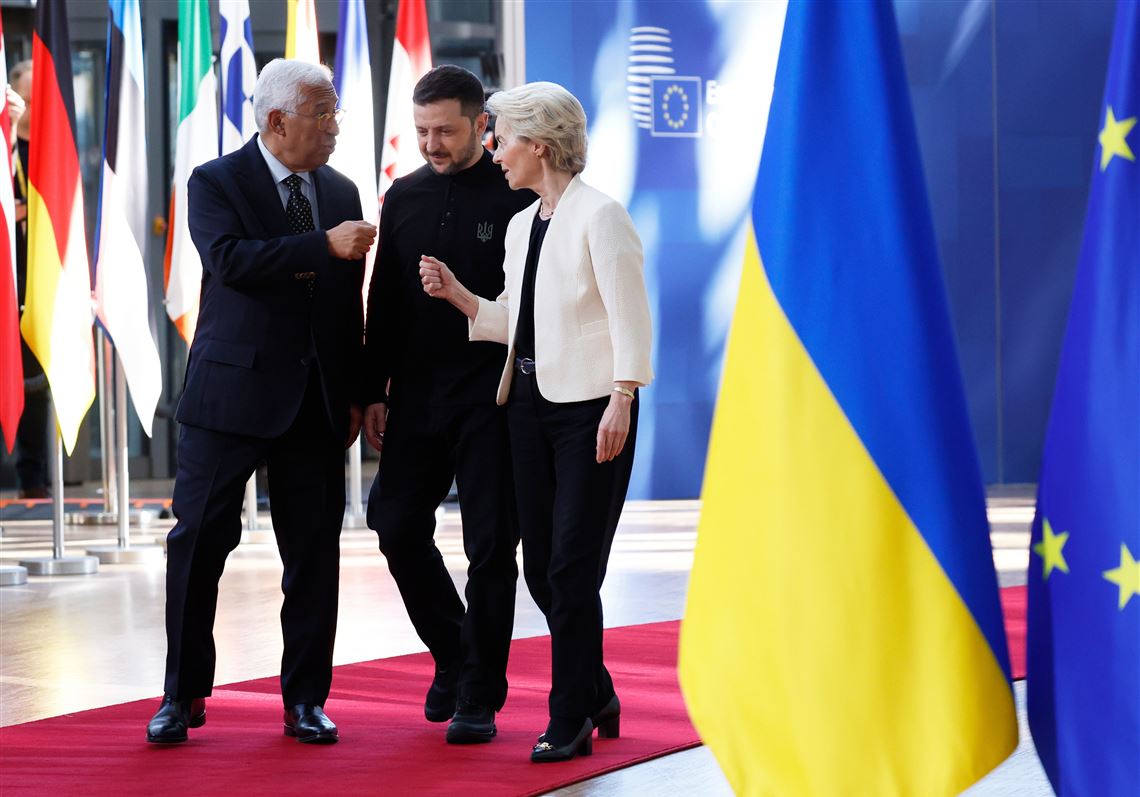
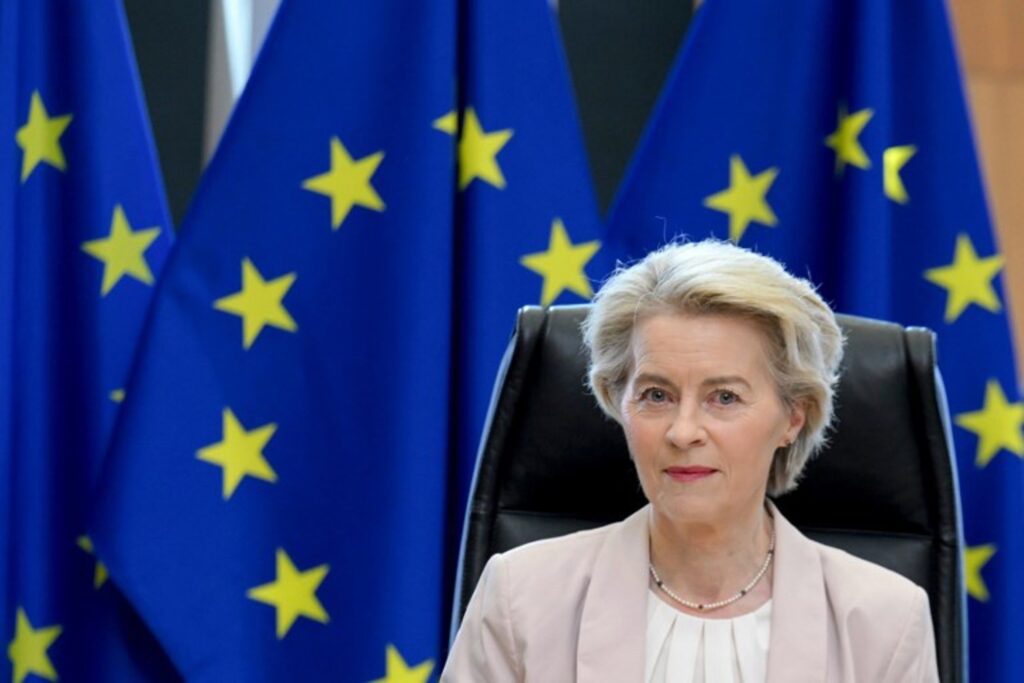
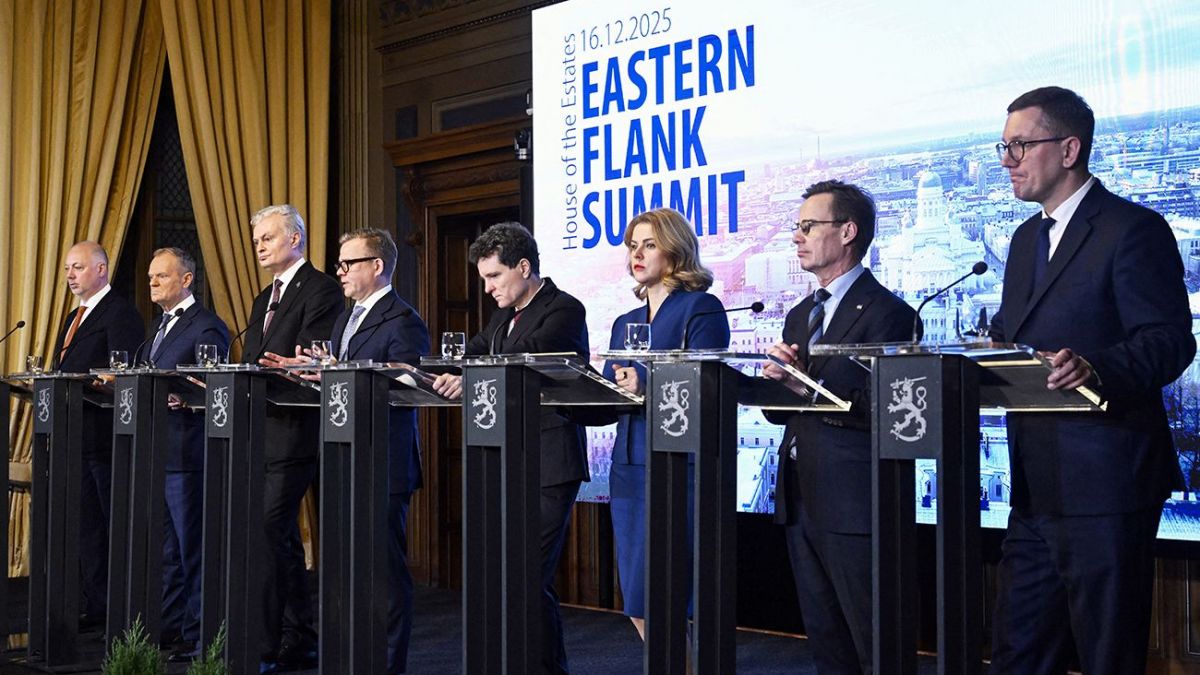
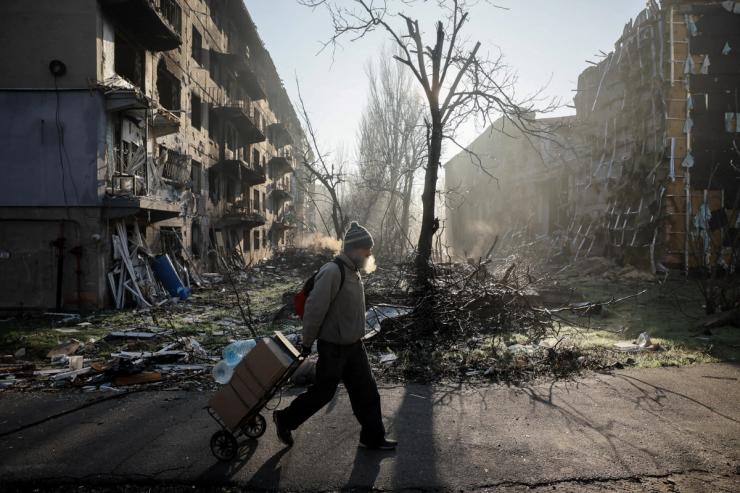
The European Union stands at a pivotal geopolitical and financial junction, with its upcoming summit representing far more than a routine diplomatic gathering. At the heart of this critical meeting lies a €210 billion strategic challenge: how to leverage frozen Russian assets to support Ukraine's economic survival while maintaining legal and diplomatic integrity.
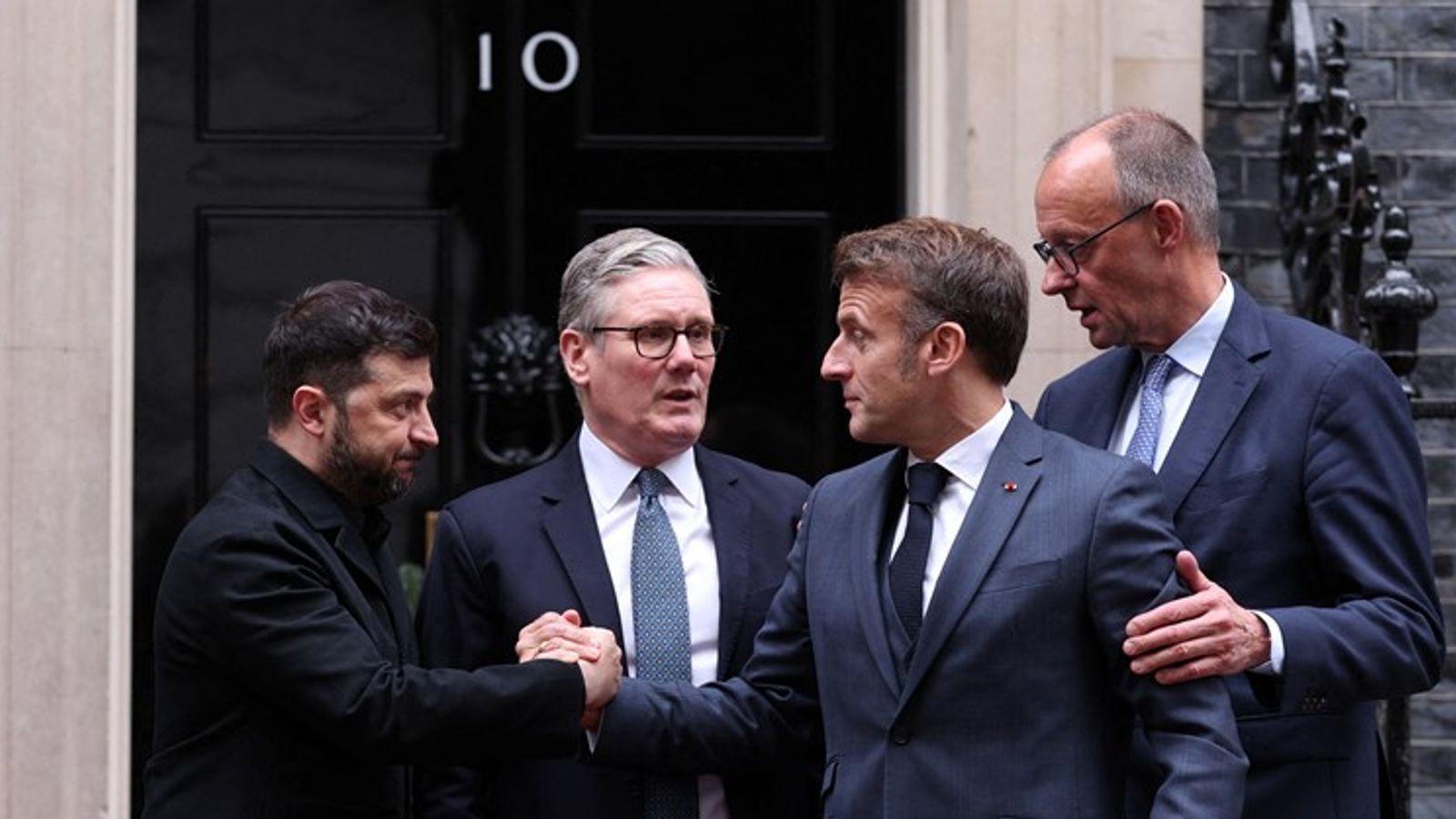
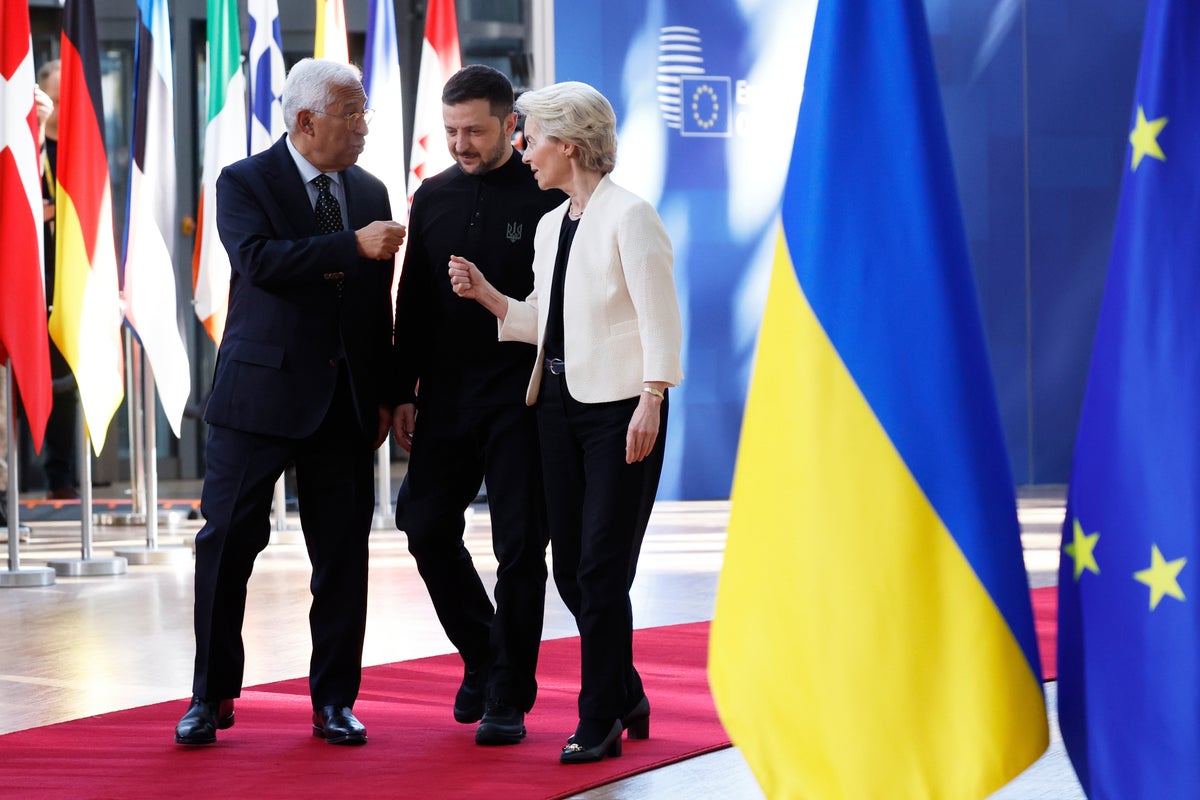
Geopolitical Stakes and Financial Innovation are converging in an unprecedented manner. The summit's primary tension revolves around convincing Belgium to support releasing frozen assets held in the Brussels-based Euroclear financial depository—a move crucial for addressing Ukraine's €71.7 billion budget shortfall. German Chancellor Friedrich Merz has starkly warned that failure could severely damage the EU's reputation for years, underscoring the high-pressure environment.
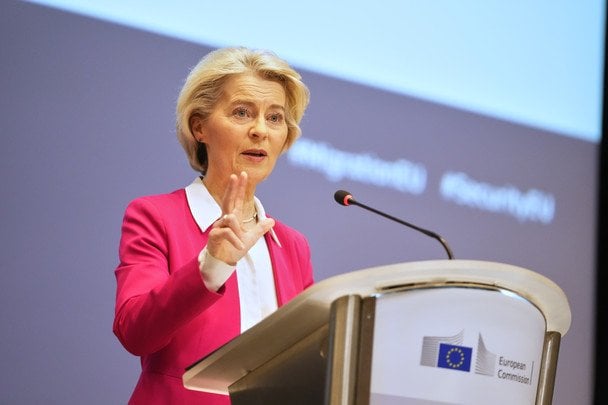
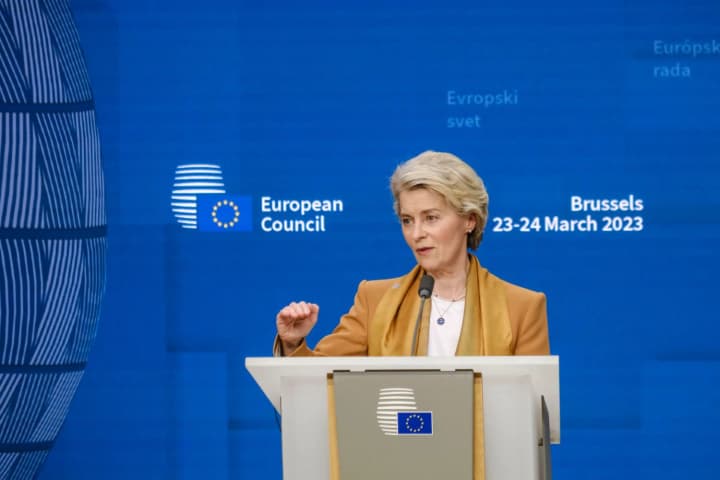
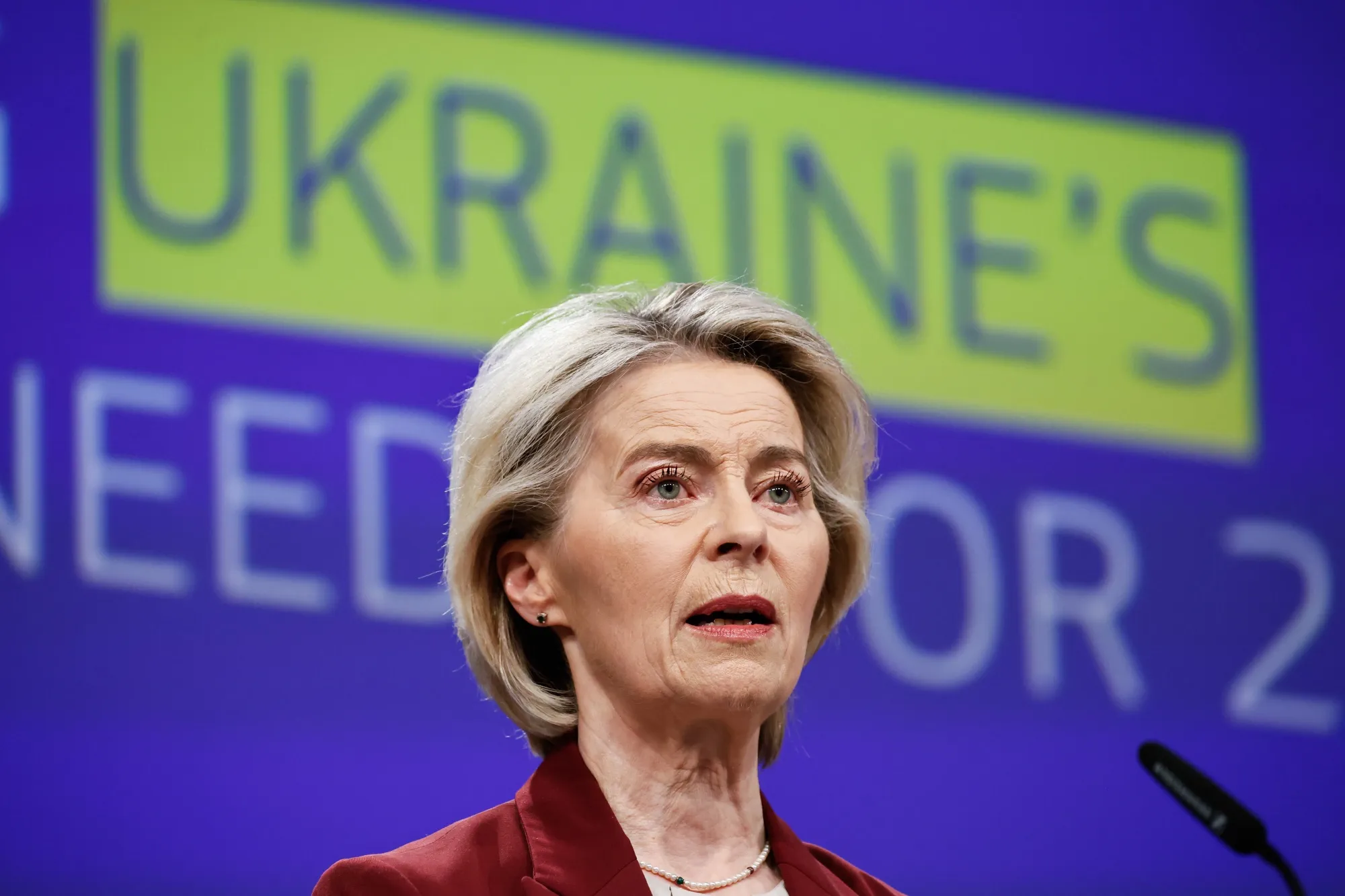
The proposed financial mechanisms reveal the EU's complex strategic calculus. European Commission President Ursula von der Leyen has cautiously proposed two radical options: direct asset seizure or EU-backed borrowing. A potential compromise emerging is a 25-country funding mechanism that would exclude Hungary and Slovakia, demonstrating the bloc's ability to create flexible financial architectures in response to geopolitical challenges.
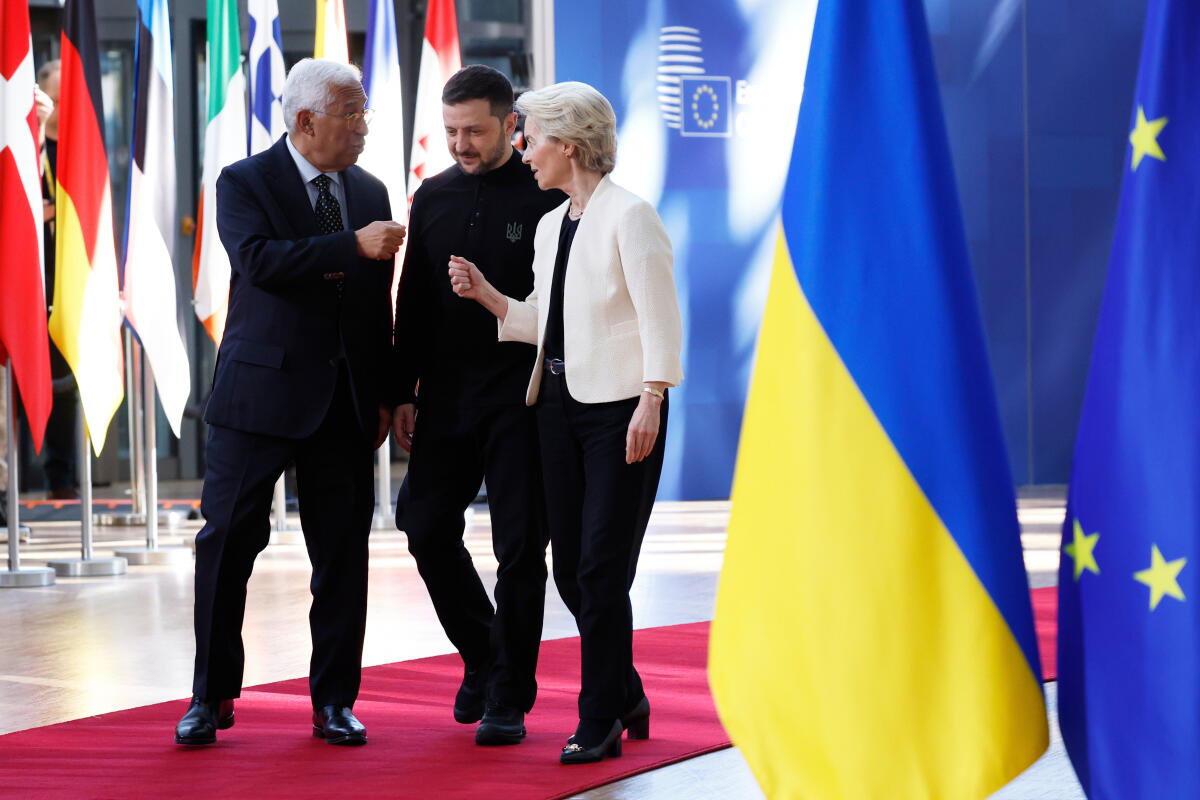
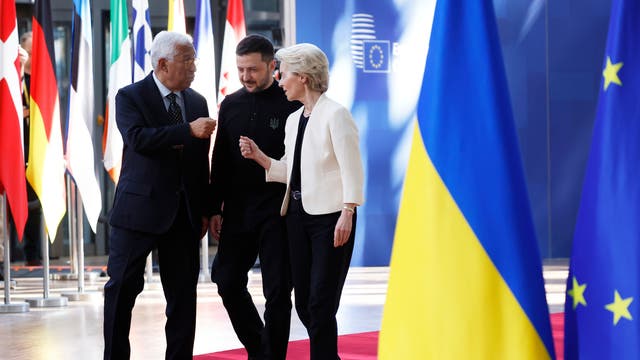
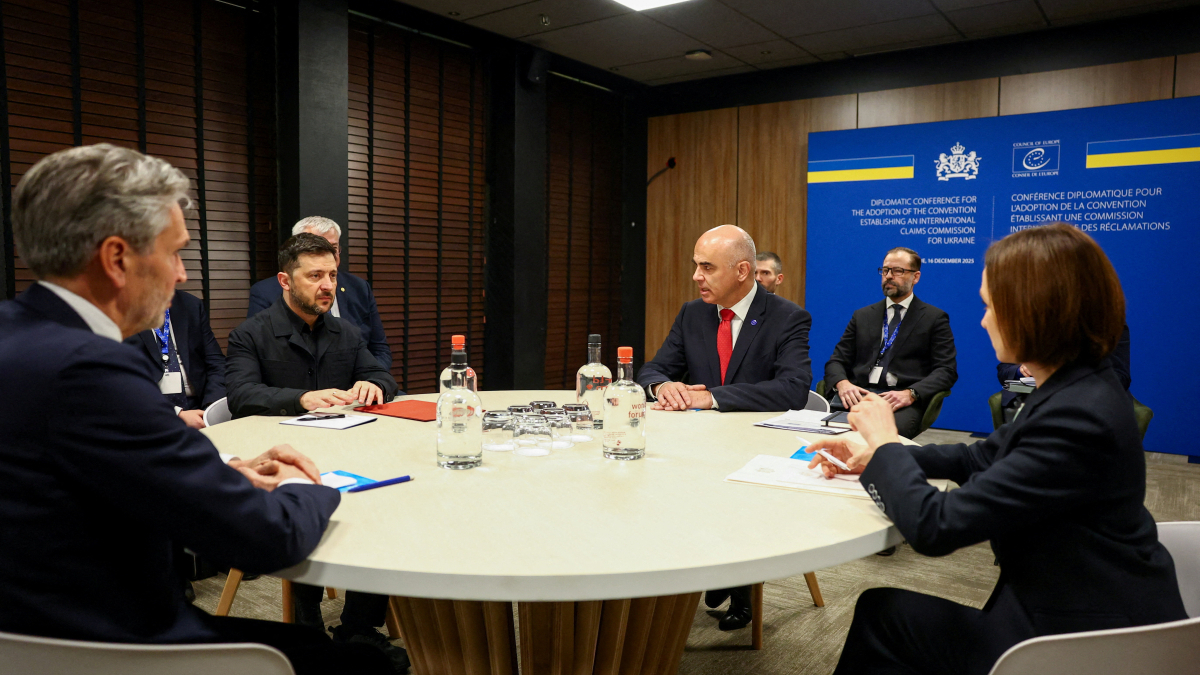
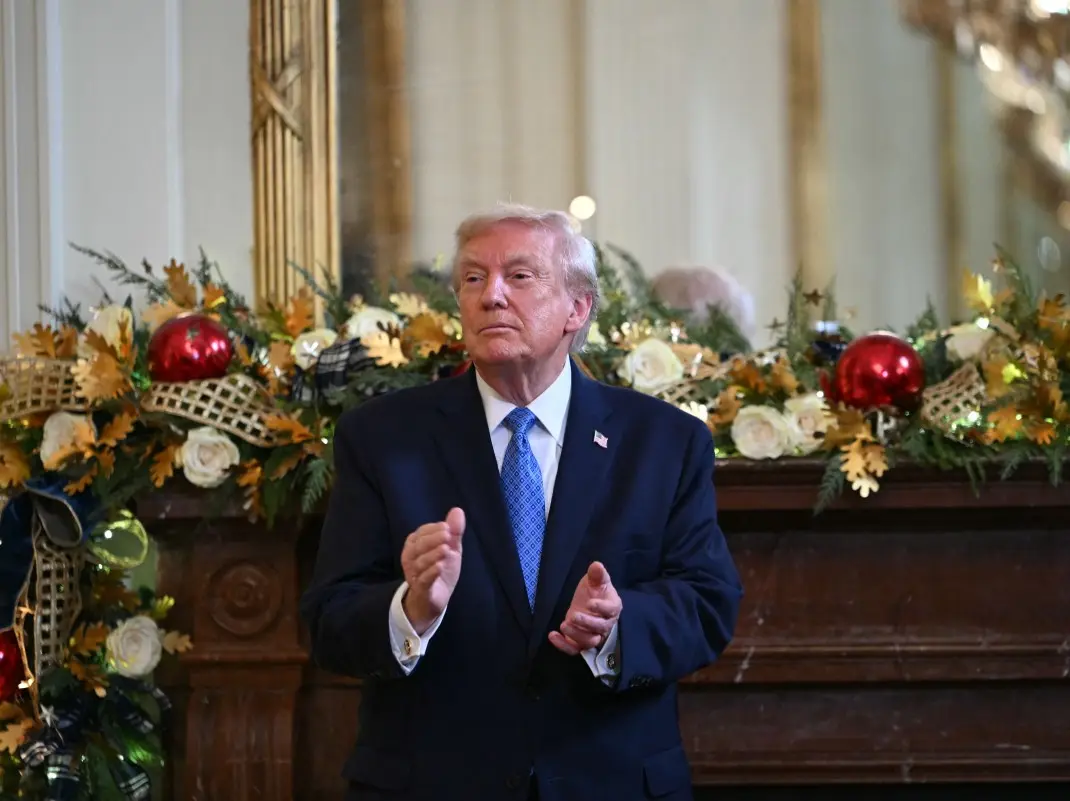
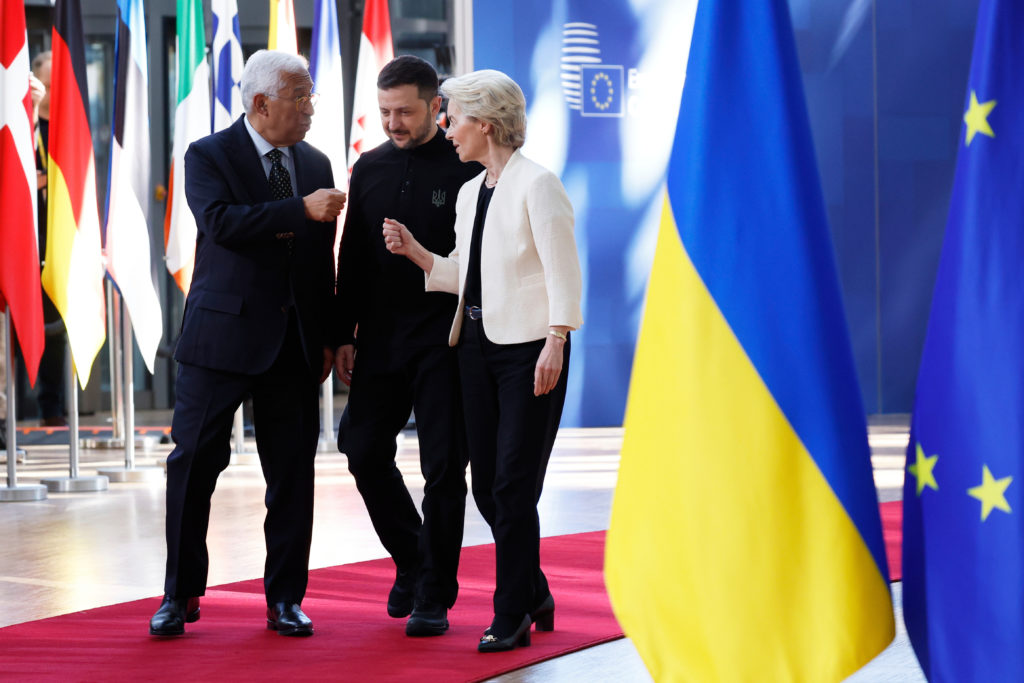
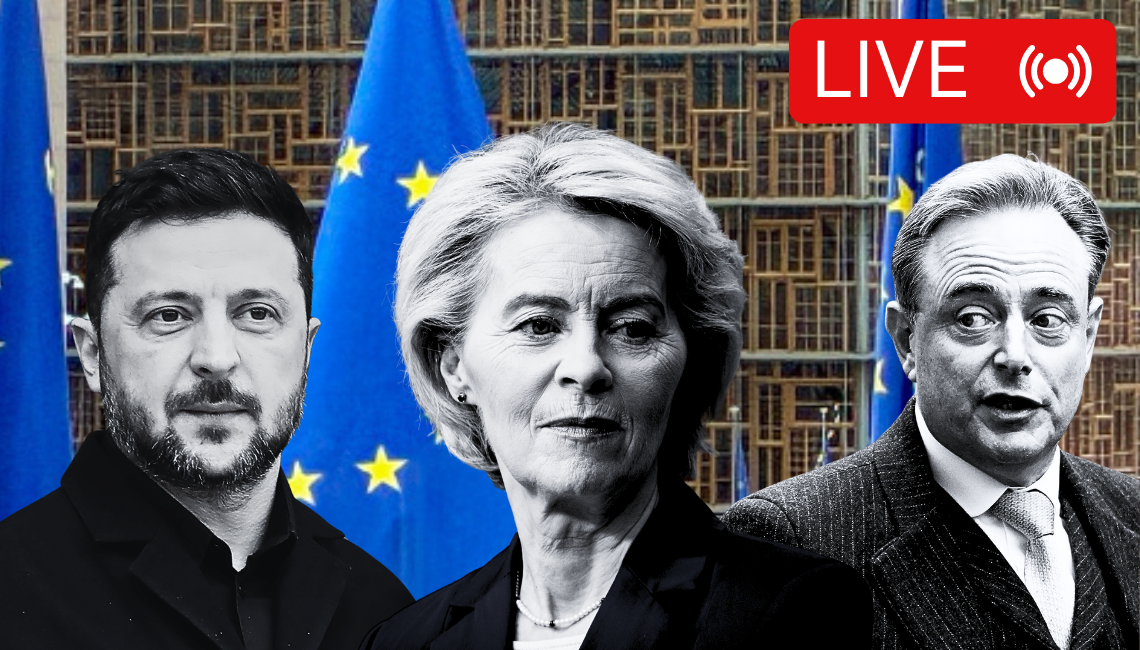
Beyond the financial technicalities, this summit represents a profound test of European unity and global diplomatic credibility. The broader context includes ongoing U.S. proposals for a potential Ukraine peace deal and security guarantees, with Ukrainian President Volodymyr Zelenskyy expected to provide critical updates. The negotiations will not just determine Ukraine's immediate economic stability, but also signal the EU's capacity to innovate in crisis management.
The summit's outcome will reverberate far beyond immediate financial support, potentially reshaping perceptions of international conflict resolution and demonstrating whether multilateral institutions can effectively respond to complex geopolitical challenges. For policymakers, businesses, and global observers, this represents a critical inflection point in understanding how economic tools can be strategically deployed in contemporary geopolitical landscapes.
问题 3
What are the broader geopolitical implications of this summit?
Beyond immediate financial support, the summit tests the EU's diplomatic credibility, its ability to maintain unity, and its capacity to develop innovative responses to complex international challenges. The outcome could significantly influence perceptions of multilateral conflict resolution strategies.
How might the proposed funding mechanism work?
The emerging strategy involves creating a 25-country funding arrangement by excluding Hungary and Slovakia, potentially using either direct asset seizure or EU-backed borrowing. This flexible approach demonstrates the EU's ability to innovate financial solutions in geopolitical crises.