


Transcontinental Railroad Merger: The High-Stakes Battle for America's Freight Future
- Mega-merger threatens small town logistics while reshaping national transportation infrastructure

























概览
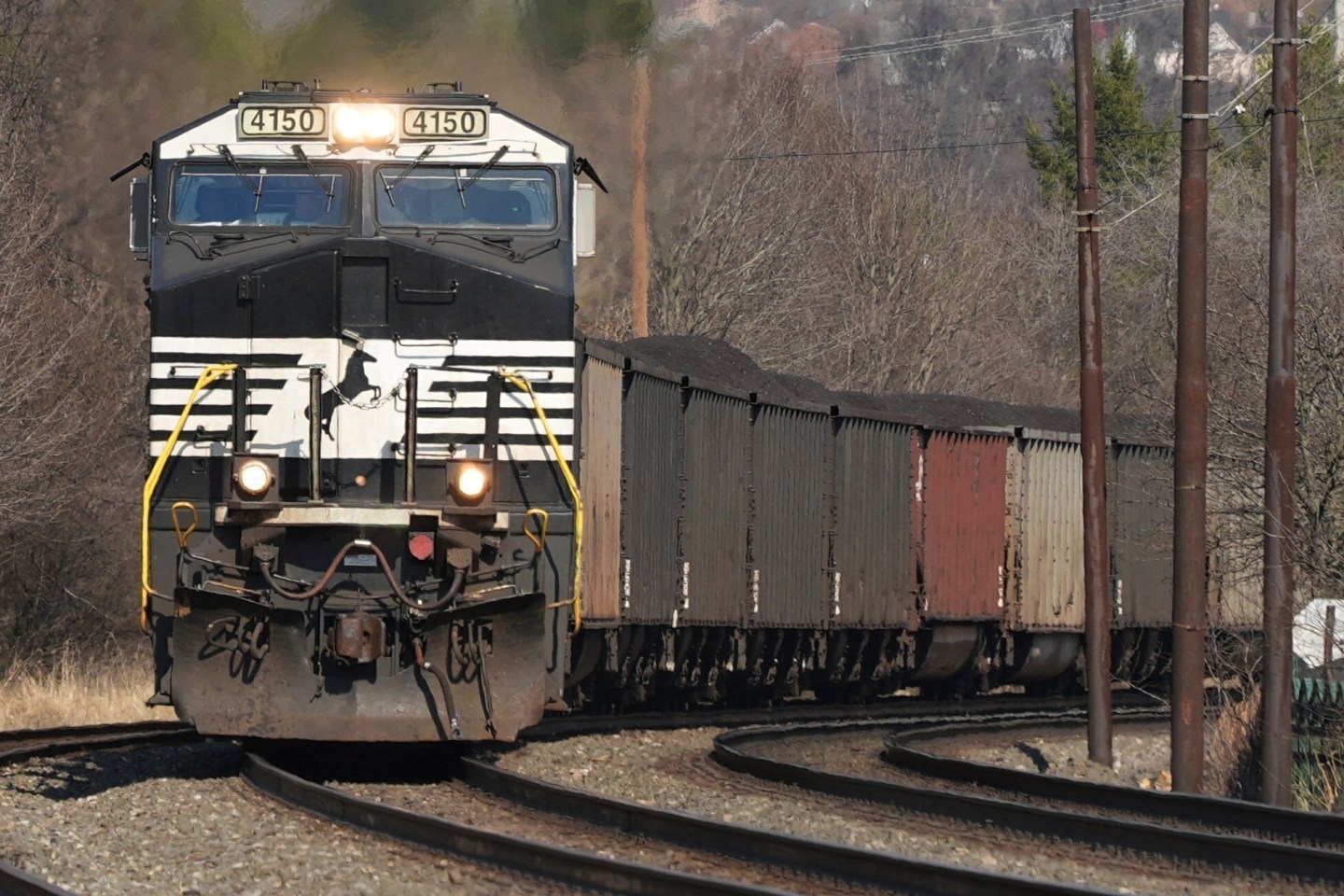
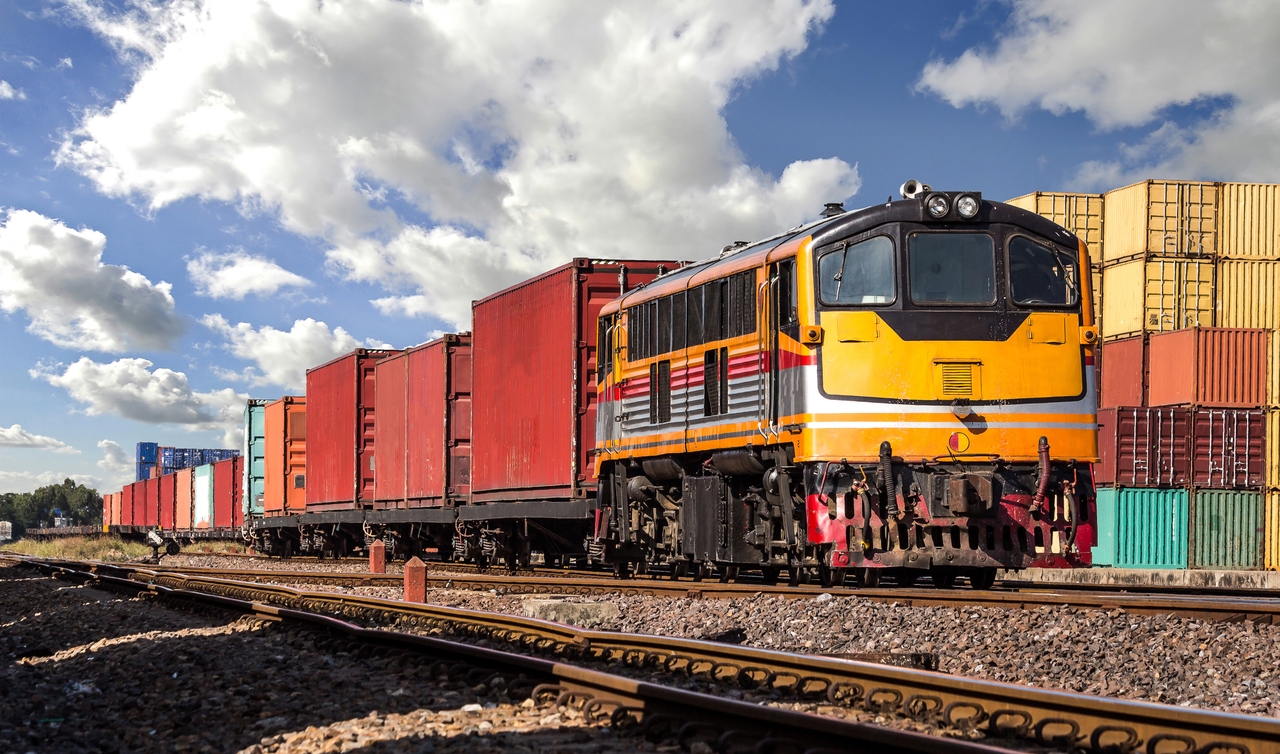
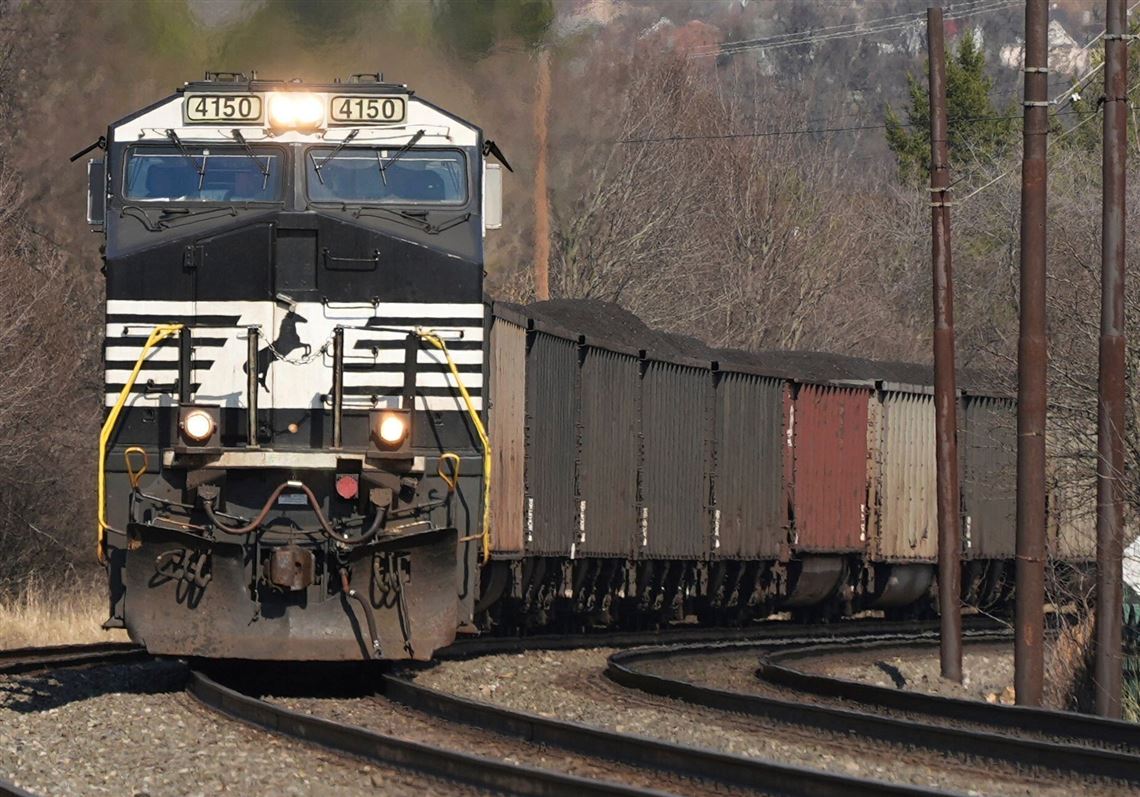
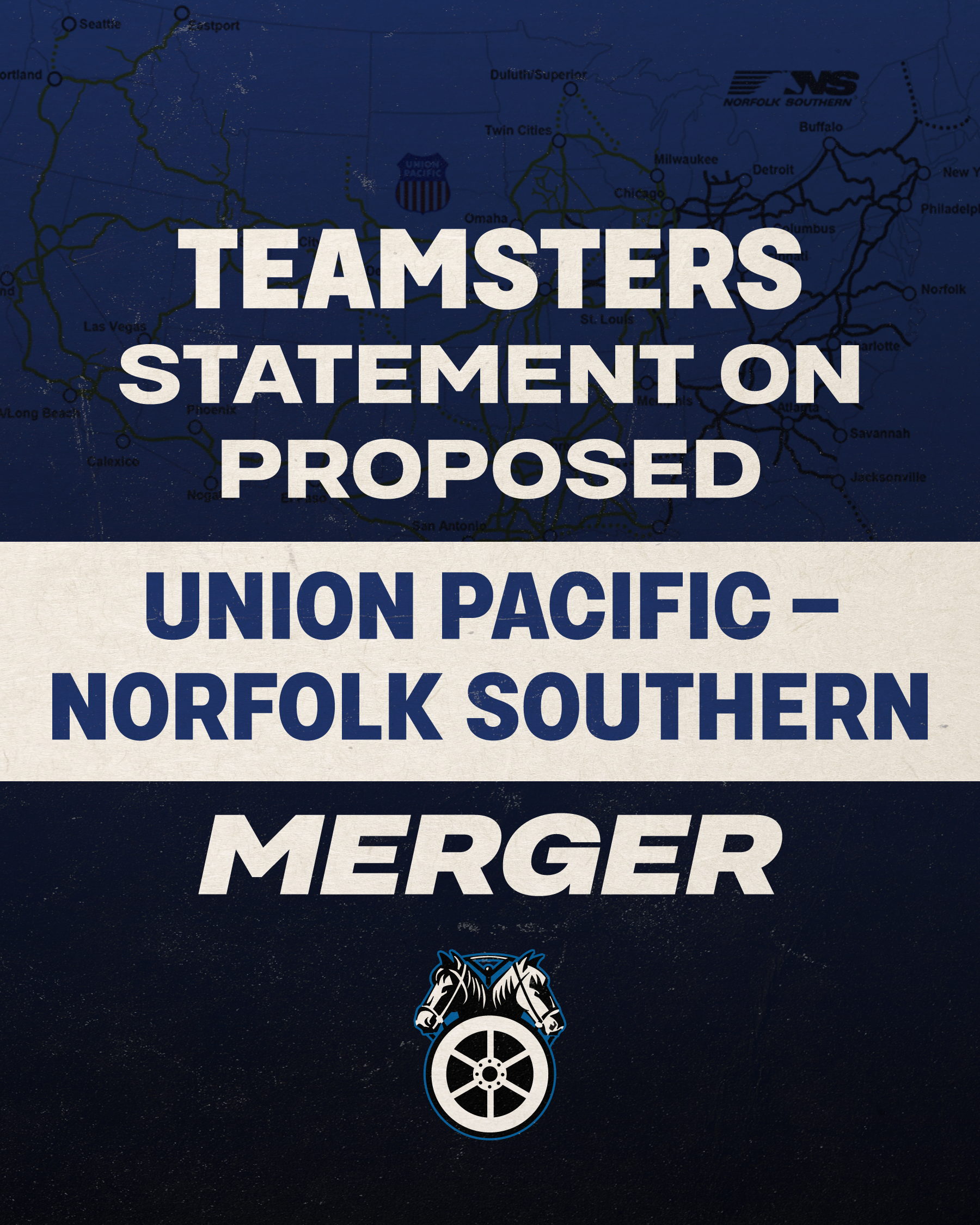
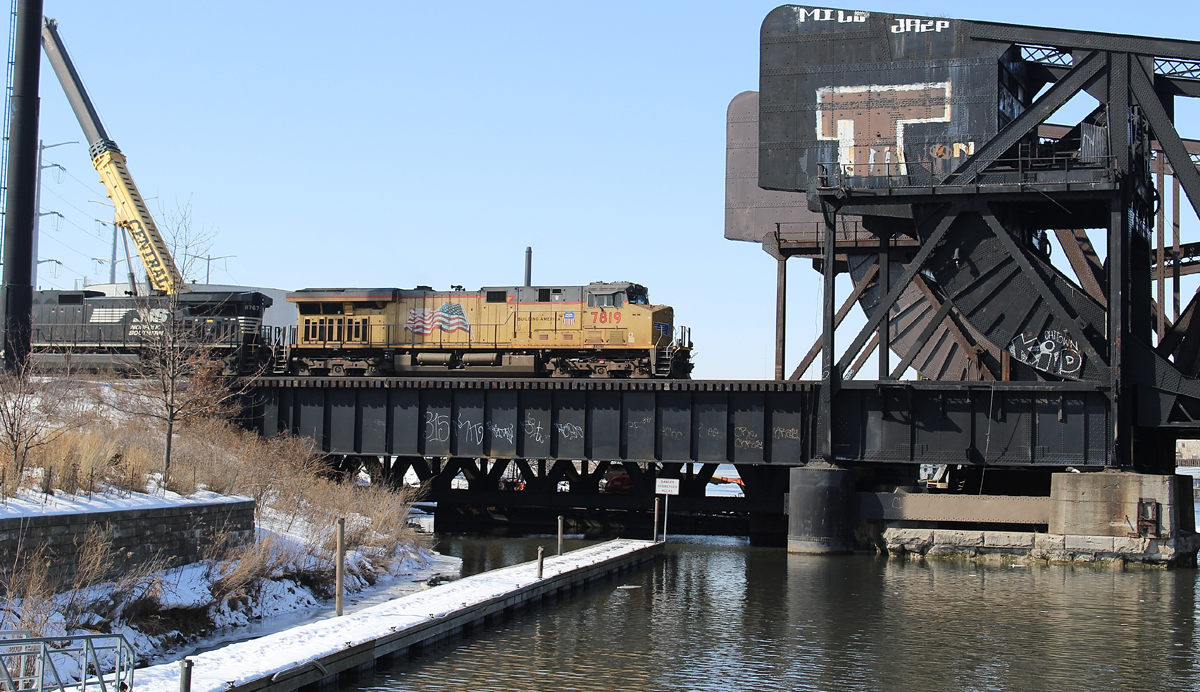
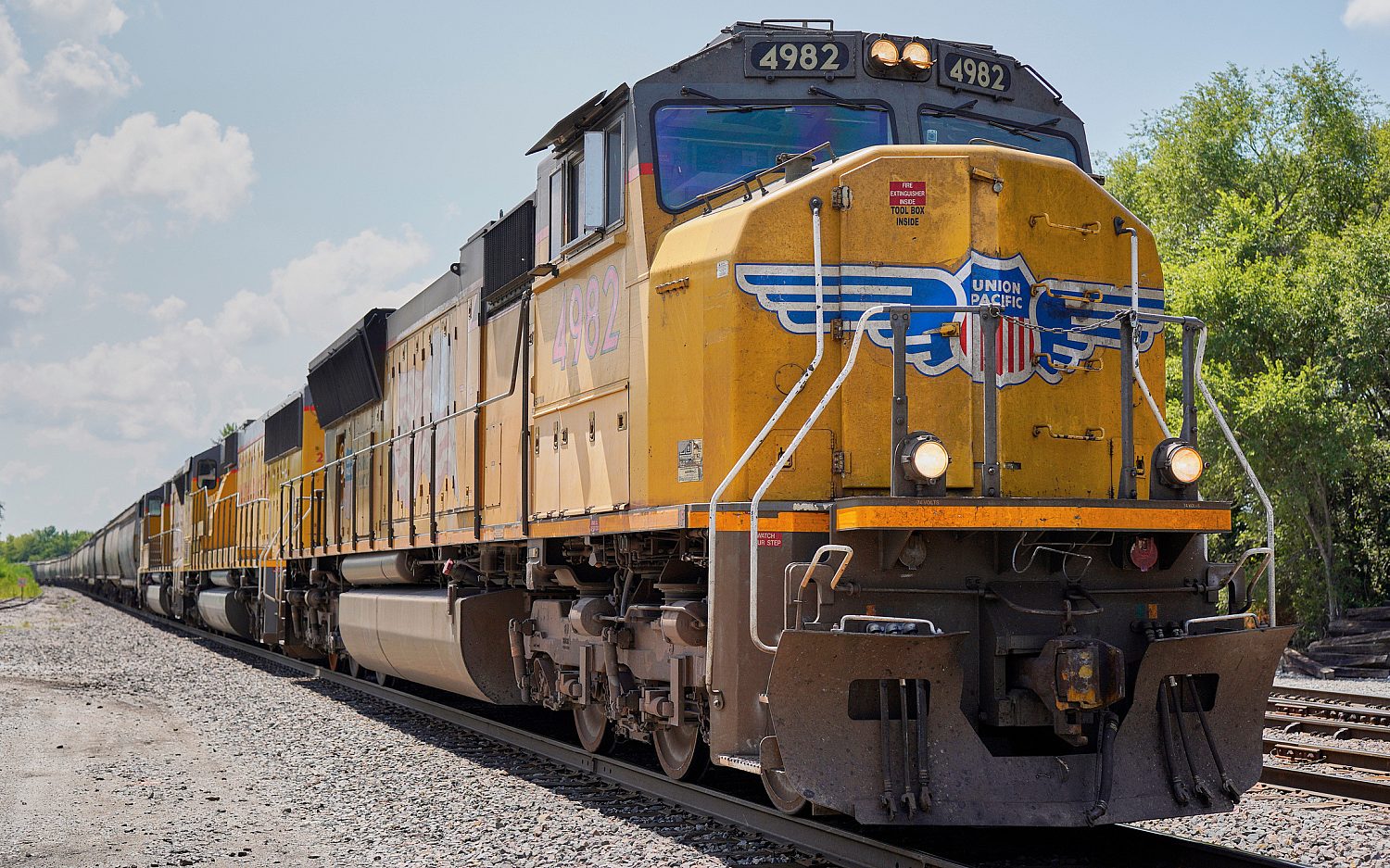
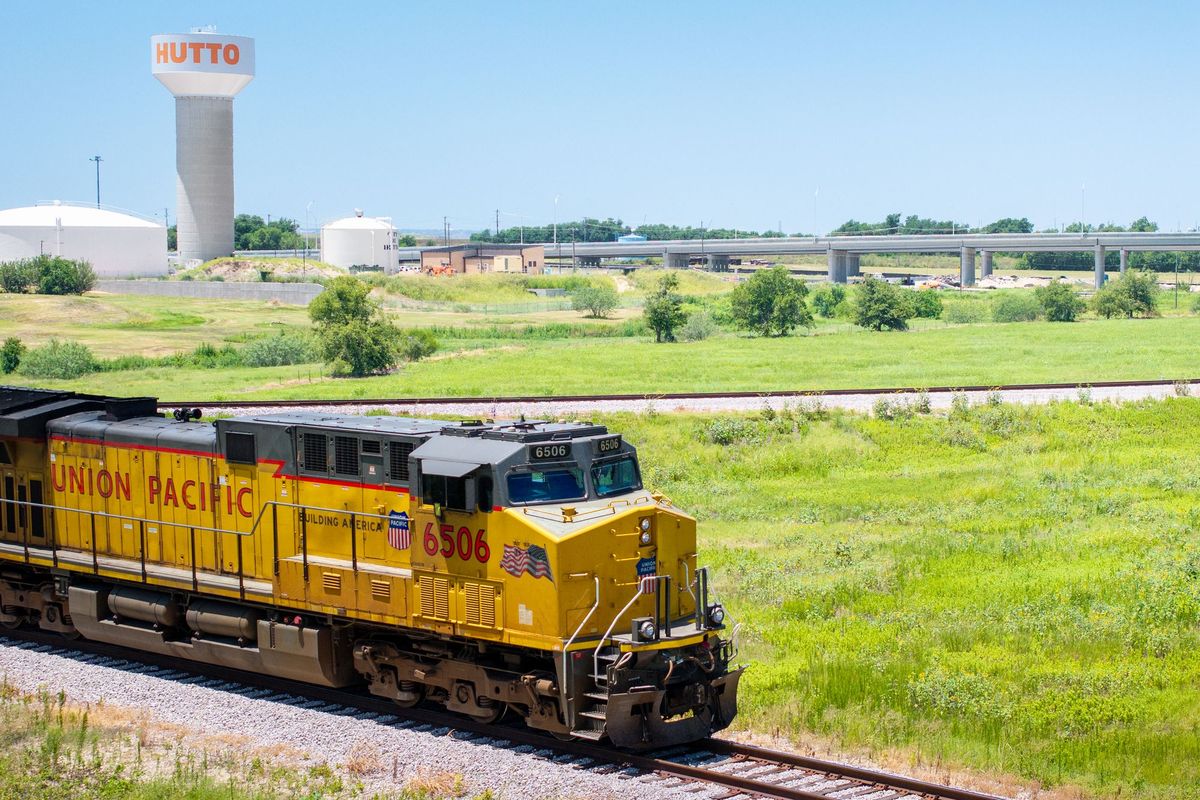
The proposed $85 billion merger between Union Pacific and Norfolk Southern represents a pivotal moment in American transportation infrastructure, exposing deep fault lines between corporate consolidation and community interests. This unprecedented transcontinental railroad deal would create the first coast-to-coast rail network, potentially controlling over 40% of the nation's freight transportation.
The merger's strategic logic is compelling: eliminating mid-country railroad handoffs could dramatically improve logistics efficiency. Union Pacific CEO Jim Vena argues that a unified network would enhance competition against trucking and streamline interstate shipping. However, this vision comes with significant potential drawbacks that extend far beyond corporate boardrooms.
Two major rail unions have mounted fierce opposition, highlighting critical concerns about safety and local economic impact. Their resistance stems from Norfolk Southern's recent East Palestine, Ohio derailment, which has already raised questions about rail safety standards. The unions argue that the merger could compromise safety protocols and reduce service quality for smaller communities, potentially shifting critical rail lines to less-maintained short-line railroads.
The Surface Transportation Board (STB) now faces a complex decision. Regulatory changes implemented in 2001 require extensive proof of public benefit, meaning the merger's approval is far from guaranteed. Transportation experts like DePaul University Professor Joe Schwieterman view this as a potential paradigm shift that could ultimately leave the industry with only two major American railroads.
The broader implications are profound. This merger represents more than a corporate transaction—it's a strategic reconfiguration of national logistics infrastructure. Smaller towns and agricultural communities stand to lose the most, potentially seeing reduced services and increased shipping costs. Meanwhile, larger shippers and national freight networks could gain significant operational advantages.
Ultimately, the merger symbolizes a critical tension in modern infrastructure: the drive for corporate efficiency versus maintaining diverse, resilient transportation ecosystems. The STB's decision will not just determine the fate of two railroad companies, but could reshape how goods move across the United States for decades to come.
问题 3
What regulatory hurdles must the merger overcome?
The Surface Transportation Board will conduct a stringent review using standards implemented in 2001, requiring extensive proof of public benefit. The merger must demonstrate that it enhances competition, improves service quality, and serves broader public interests beyond corporate financial gains.
How might this merger impact shipping costs and logistics?
While Union Pacific argues the merger will improve efficiency by eliminating mid-country railroad handoffs, there's significant skepticism about promised cargo growth. Shippers might see mixed results—potentially lower long-haul costs but potentially higher rates for less-traveled routes.