



EU Diplomatic Chess: Meloni's Strategic Resistance Reshapes European Negotiations
- Emerging geopolitical tensions signal complex multilateral decision-making challenges for EU member states













概览
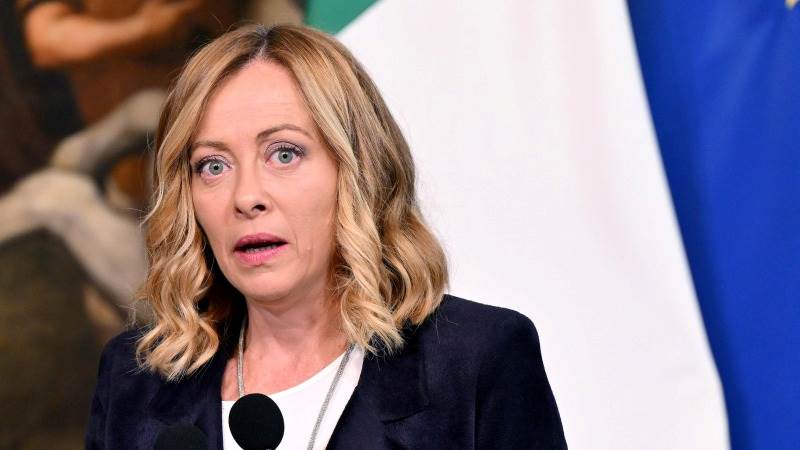
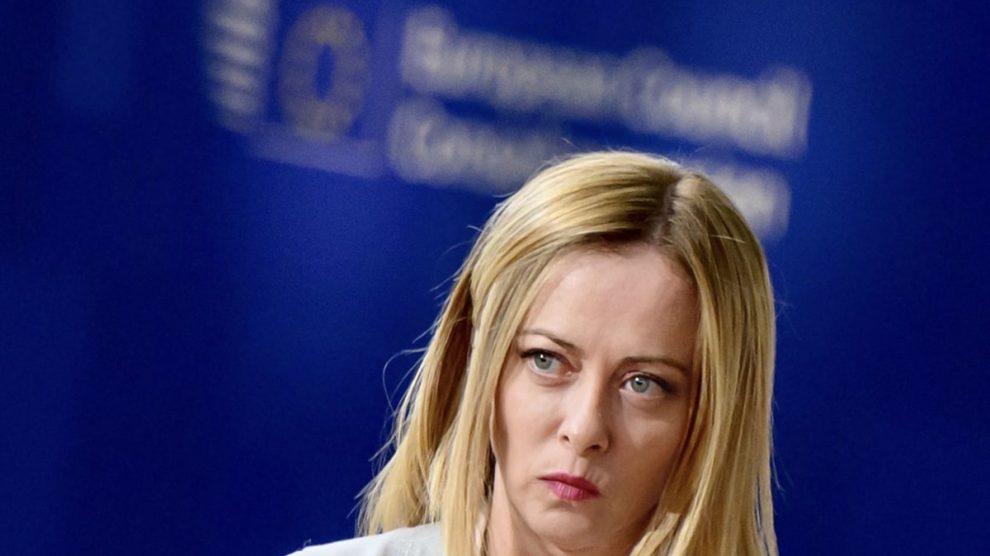
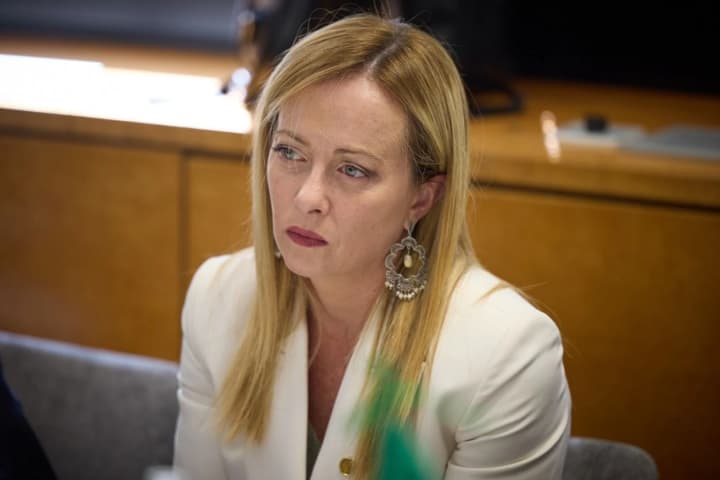
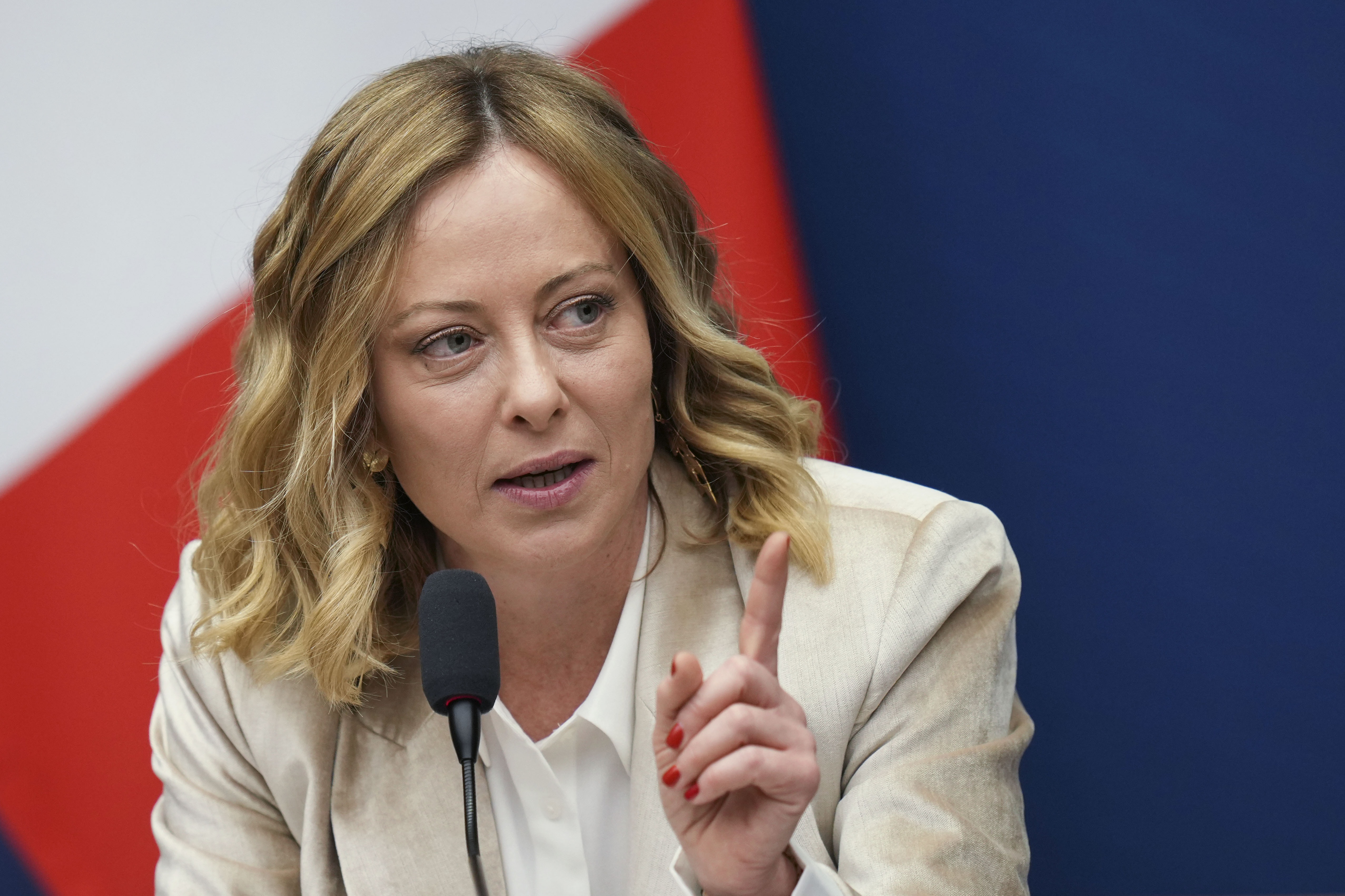
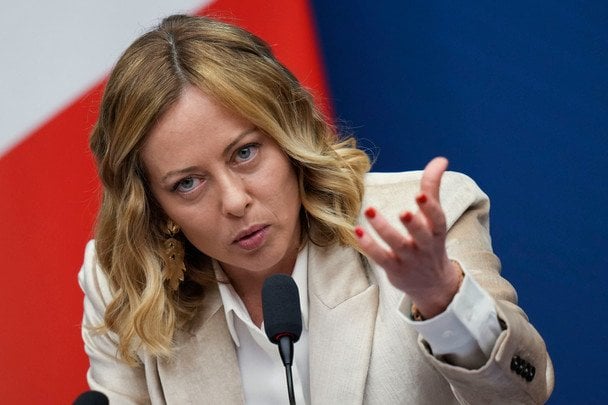
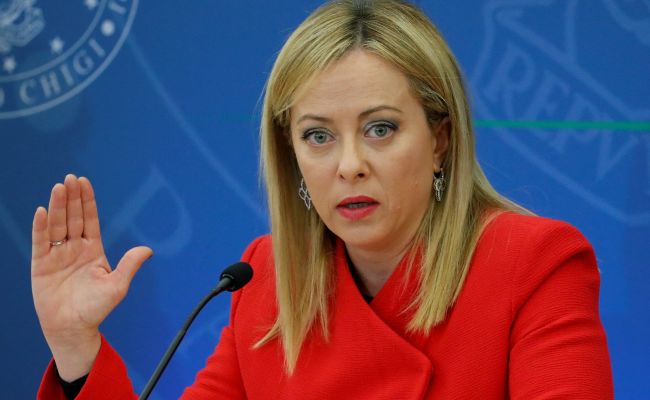
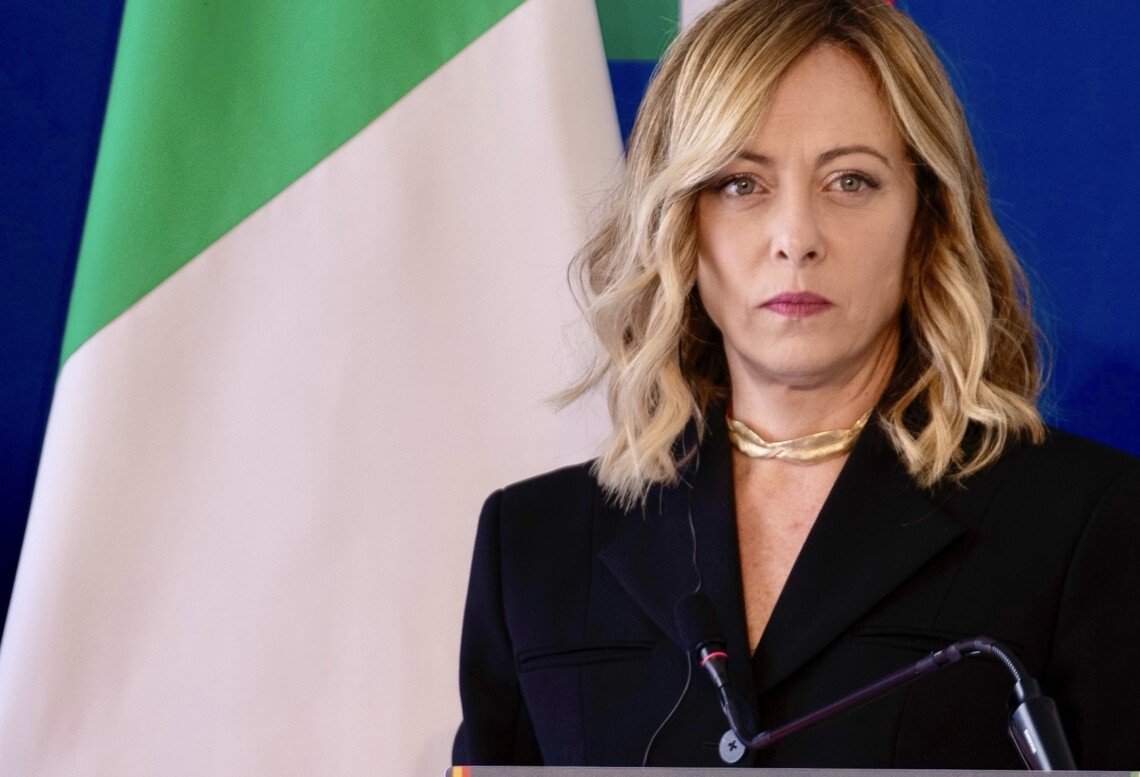
The European Union stands at a critical diplomatic crossroads, with Italian Prime Minister Giorgia Meloni emerging as a pivotal disruptive force challenging established negotiation frameworks. Her recent stance represents a sophisticated geopolitical maneuver that goes beyond simple opposition, revealing the increasingly fragmented decision-making landscape within European institutions.
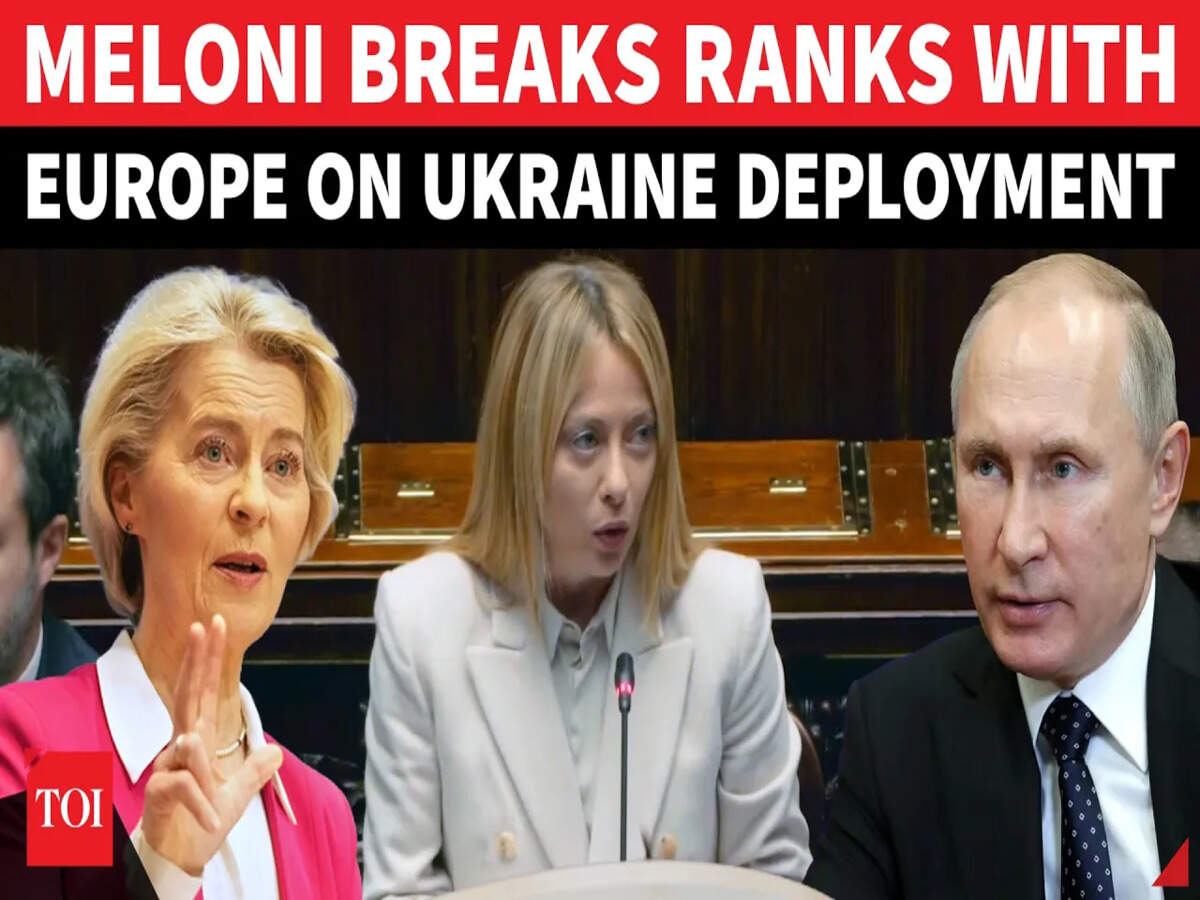
Strategic Resistance Dynamics: Meloni's signaled opposition to two significant EU initiatives—the Mercosur trade agreement and the Ukrainian asset proposal—demonstrates a nuanced approach to national interests. By challenging these multilateral agreements, she is effectively forcing a recalibration of diplomatic negotiations. The core complexity lies in her approach: supporting Ukraine's reconstruction while simultaneously demanding robust legal protections for EU member states.
The Russian Asset Freeze negotiations epitomize this intricate diplomatic terrain. Meloni highlighted the profound legal challenges in utilizing frozen Russian assets, emphasizing that finding a legally sound mechanism remains "far from easy". This signals more than bureaucratic hesitation—it represents a strategic positioning that requires comprehensive risk assessment. Belgium's demand for shared financial risks among EU members further complicates the asset utilization process, creating a potential gridlock in Ukrainian reconstruction efforts.
Meloni's approach reveals a broader trend of individual member states asserting independent positions within the European framework. Her resistance is not merely obstructionist but strategically calculated, potentially forcing more nuanced, compromise-driven negotiations. For cross-border stakeholders, this signals potential regulatory uncertainties and the need for adaptive market entry strategies.
The geopolitical implications extend beyond immediate negotiations. By challenging both the Mercosur trade deal and Ukrainian asset proposals, Meloni is essentially redefining the boundaries of collective European decision-making. This signals a shift from monolithic EU policy-making toward a more fragmented, negotiation-intensive approach where individual national interests play a more pronounced role.
问题 3
What are the key implications of Meloni's opposition to EU initiatives?
Meloni's resistance signals a shift towards more fragmented EU decision-making, where individual member states are asserting stronger independent positions. This could lead to more complex, negotiation-intensive policy-making processes and potential delays in multilateral agreements like the Mercosur trade deal and Ukrainian asset proposals.
How does the Russian asset freeze complicate Ukrainian reconstruction efforts?
The asset freeze presents significant legal challenges, with Belgium demanding shared financial risks among EU members. Meloni highlighted that finding a legally sound mechanism to use these frozen assets is 'far from easy', potentially creating a gridlock in Ukraine's reconstruction funding and requiring intricate diplomatic negotiations.