


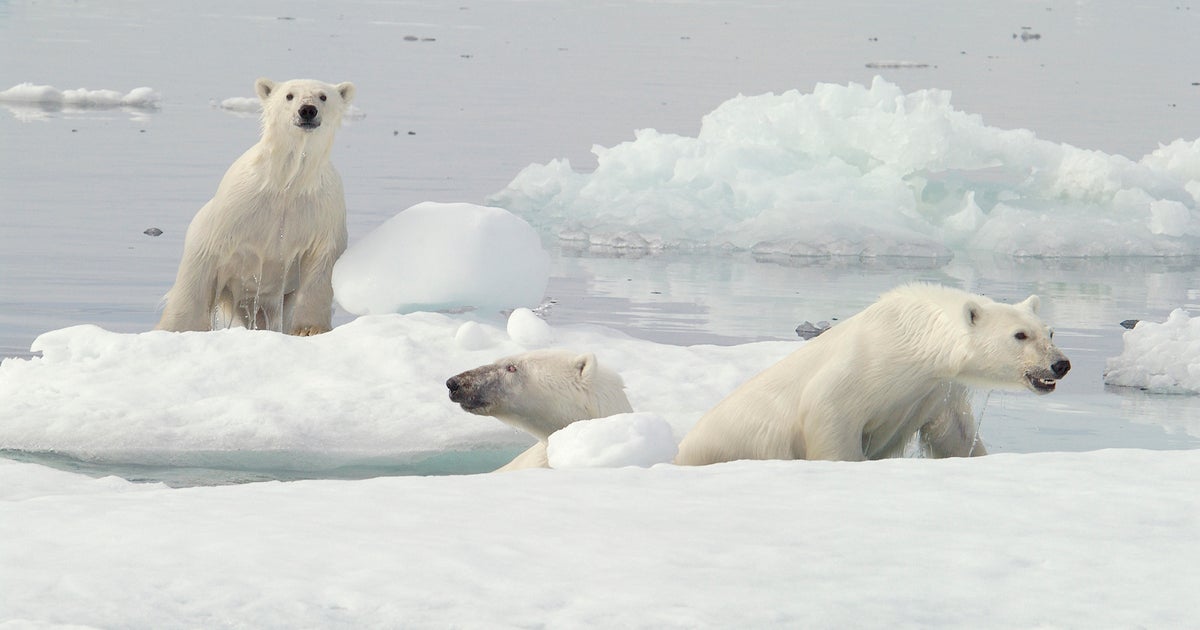

Survival Strategies Unveiled: How Polar Bears Demonstrate Extraordinary Social Resilience
- Rare Adoption Behaviors Reveal Complex Survival Mechanisms in Challenging Arctic Ecosystems


_updates.jpg)

概览
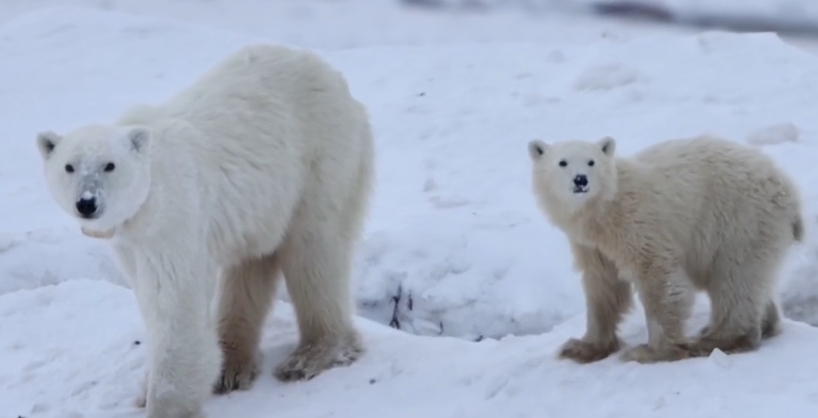
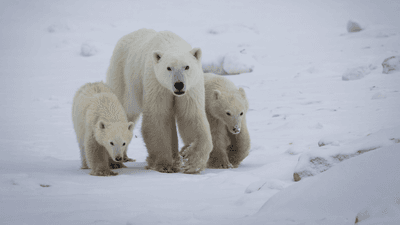
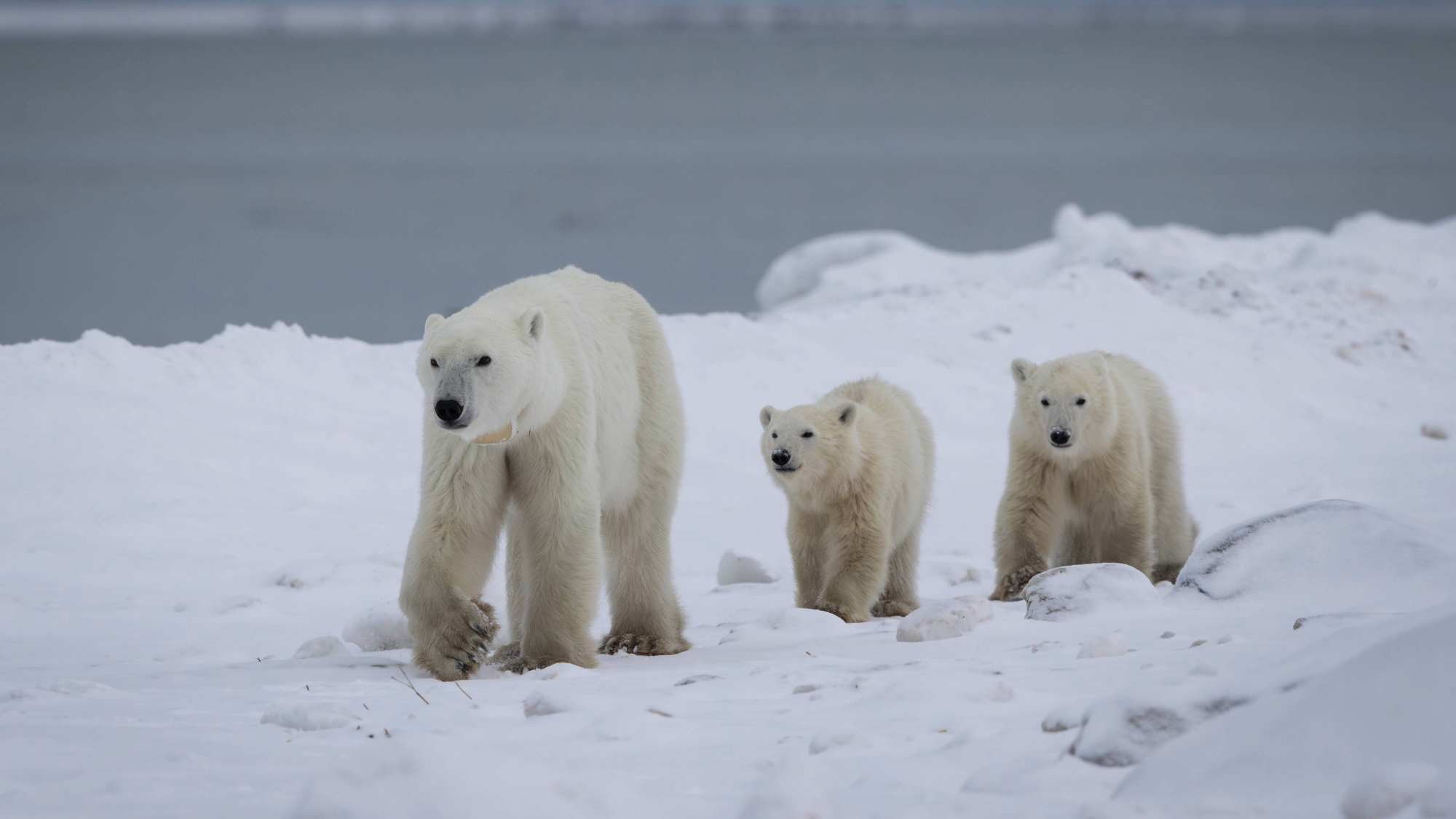
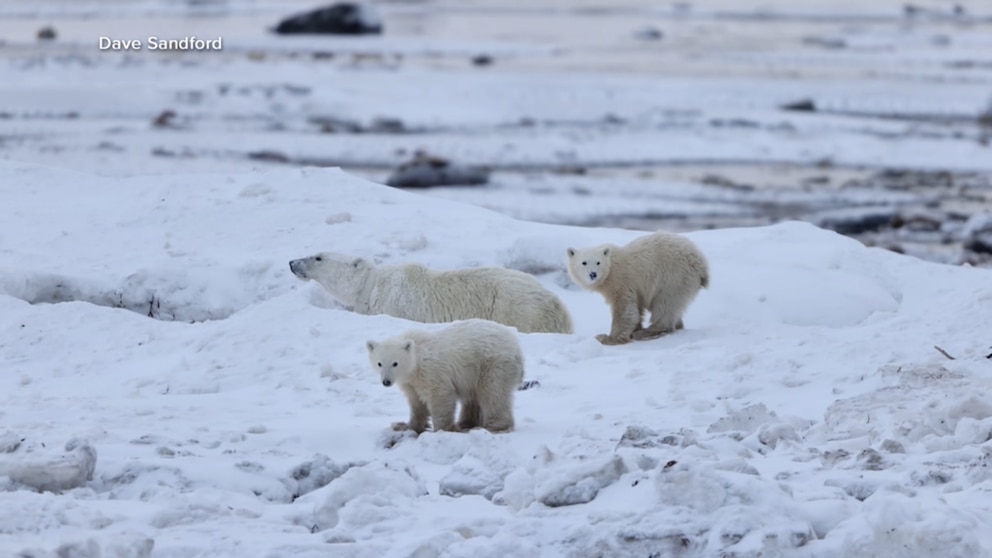
In the unforgiving landscape of the Arctic, polar bears have emerged as unexpected masters of social adaptation, revealing profound insights into survival strategies that transcend traditional biological boundaries. A groundbreaking scientific observation in the Western Hudson Bay region has documented a remarkable phenomenon: a female polar bear adopting a second cub not her own, marking only the 13th such case in a 45-year research population of 4,600 bears.
Maternal instincts in polar bears demonstrate a level of complexity that challenges our understanding of animal social structures. The research, led by scientist Evan Richardson, captured a rare adoption event where a mother bear expanded her care to an additional cub, significantly increasing the adopted offspring's chances of survival. With only approximately 26,000 polar bears remaining worldwide, each successful adoption represents a critical contribution to species preservation.
The adoption narrative goes beyond mere survival—it reveals a sophisticated social mechanism where female polar bears are naturally inclined to care for lone cubs. This behavior suggests an intrinsic understanding of collective survival in one of the world's most challenging environments. Of the 13 documented adoption cases, only three cubs have historically survived, underscoring the extreme difficulty of Arctic life and the remarkable nature of these inter-bear relationships.
Climate change looms as a significant backdrop to this research, with sea ice loss presenting an existential threat to polar bear populations. These adoption behaviors might represent an evolutionary response to increasingly fragmented and unpredictable habitats. By demonstrating unexpected compassion and adaptive social strategies, polar bears showcase a resilience that extends far beyond individual survival—presenting a powerful metaphor of cooperation in the face of environmental adversity.
The research provides more than a heartwarming story; it offers a window into complex social dynamics that could inform our understanding of survival strategies in rapidly changing ecosystems. As the Arctic transforms, these bears are teaching us profound lessons about adaptability, collective care, and the intricate social mechanisms that enable species to persist against overwhelming odds.
问题 3
How rare are polar bear adoptions?
Extremely rare. In a 45-year study of 4,600 polar bears, only 13 adoption cases have been documented, with just three adopted cubs historically surviving. This makes each adoption a significant scientific event.
Why do female polar bears adopt cubs that aren't their own?
Researchers suggest it's a natural maternal instinct where female polar bears are inclined to care for lone or orphaned cubs. This behavior potentially increases the species' survival chances in the challenging Arctic environment by providing protection and teaching critical survival skills.