




Gaming Hardware Market Collapses: The $695 Million November Shock
- Unprecedented sales decline signals critical transformation for console manufacturers and cross-border sellers











概览
The US gaming hardware market experienced a seismic disruption in November 2025, with sales plummeting to historic lows that expose fundamental structural challenges in the consumer electronics ecosystem. Total hardware spending crashed to $695 million, representing a staggering 27% decline—the lowest November figure since 2005, with only 1.6 million units sold, marking the weakest performance since 1995.
The market's structural vulnerability stems from a perfect storm of economic pressures. Console prices have reached an unprecedented average of $439 per unit, an 11% year-over-year increase that's pushing consumer price sensitivity to its breaking point. Major manufacturers are caught in a vicious cycle: rising component costs and tariffs prevent price reductions, while simultaneously dampening consumer enthusiasm.
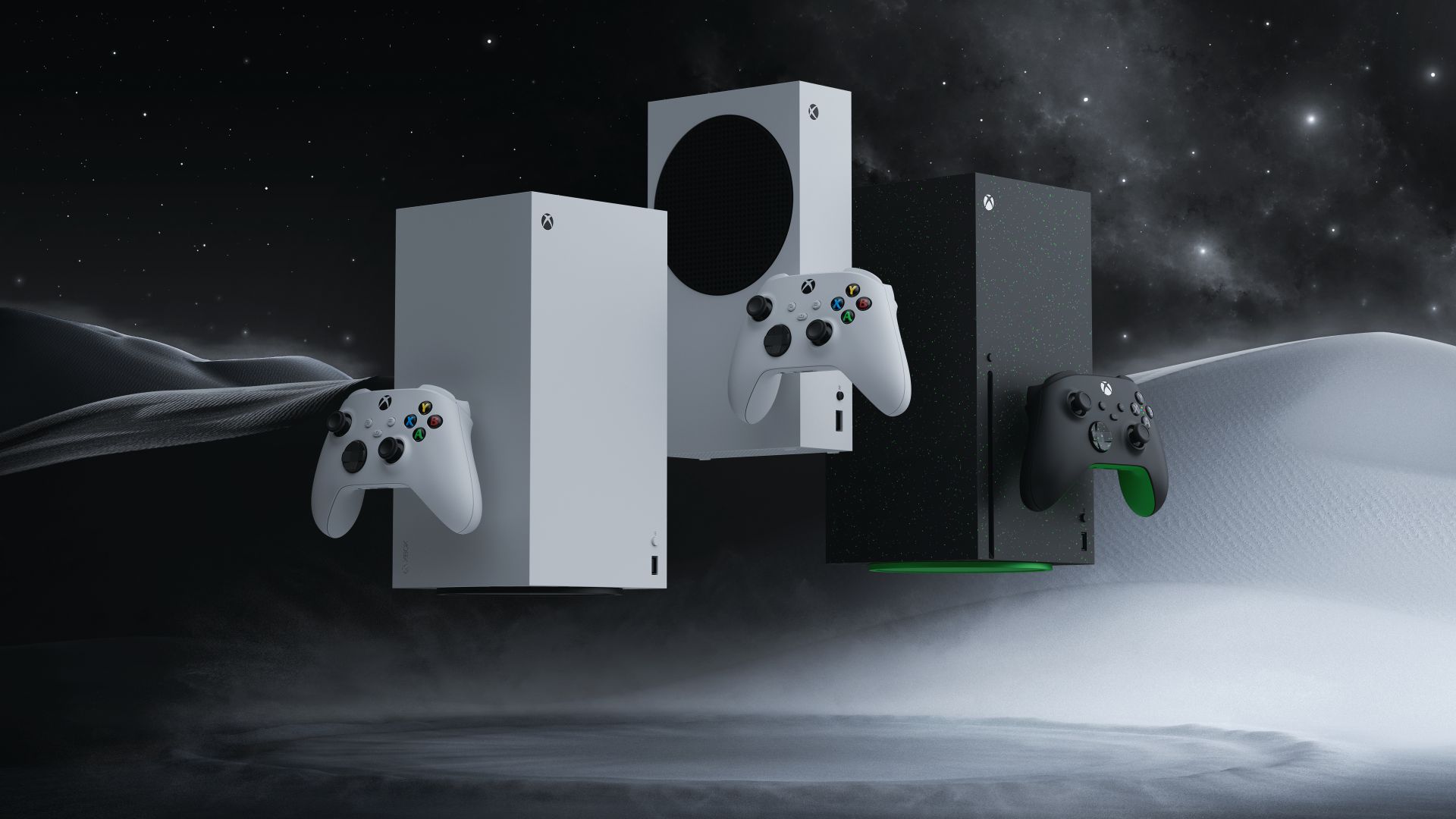
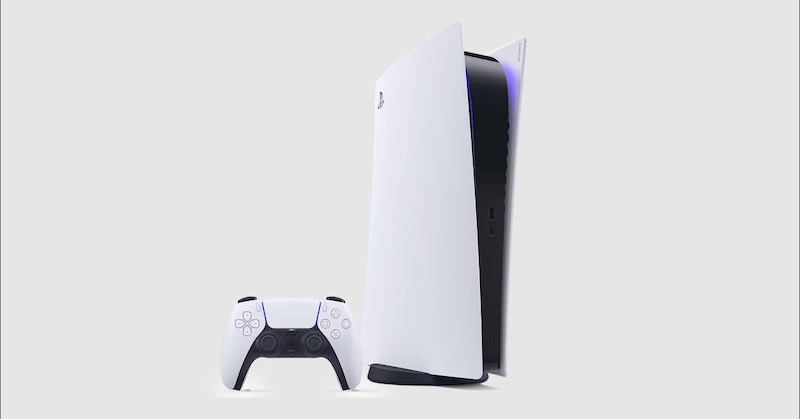
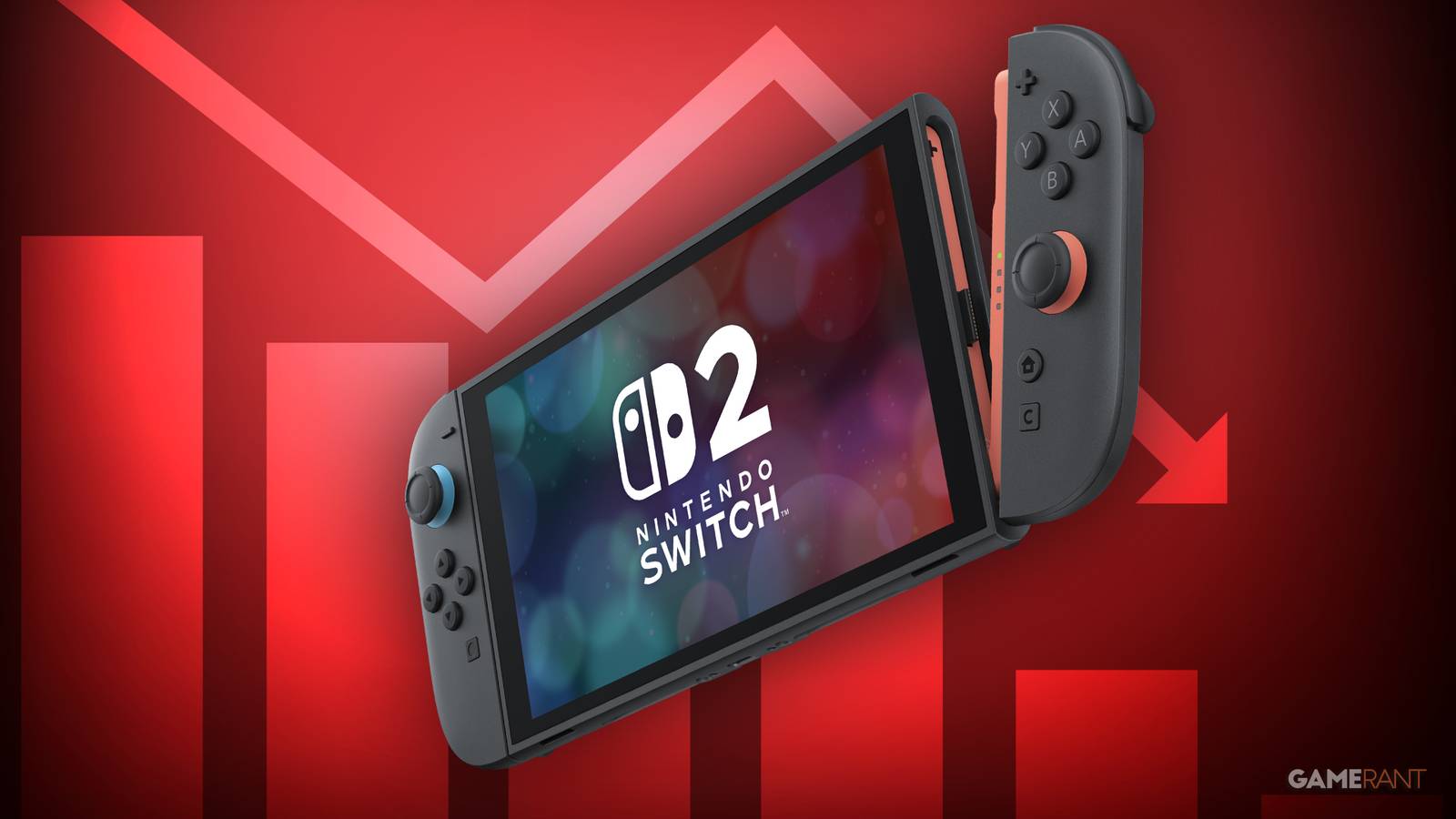
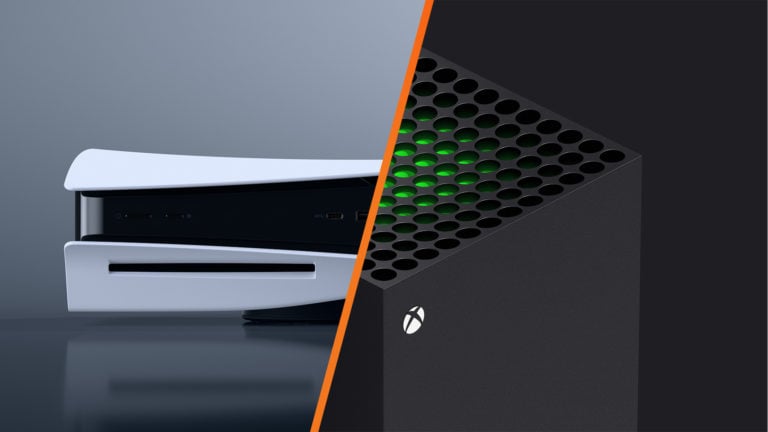
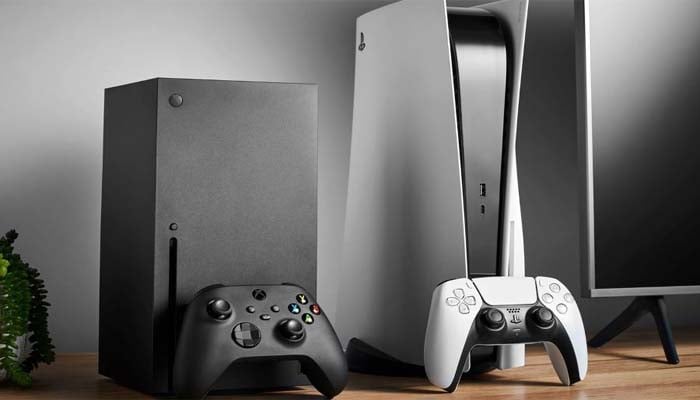
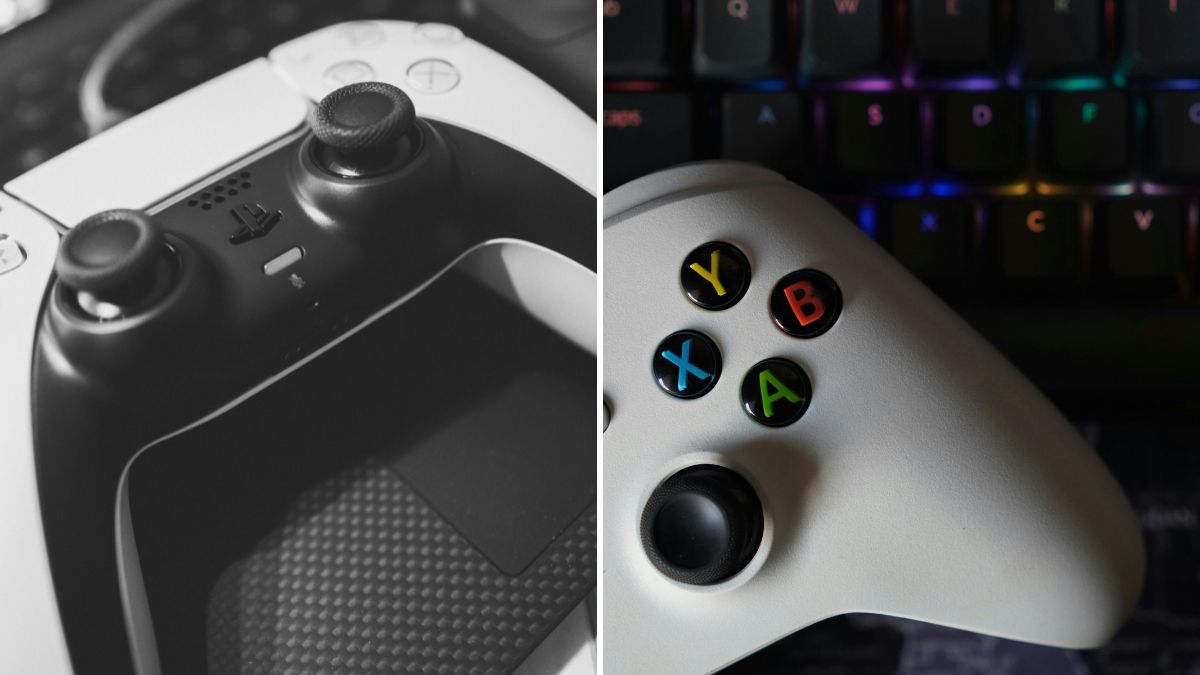
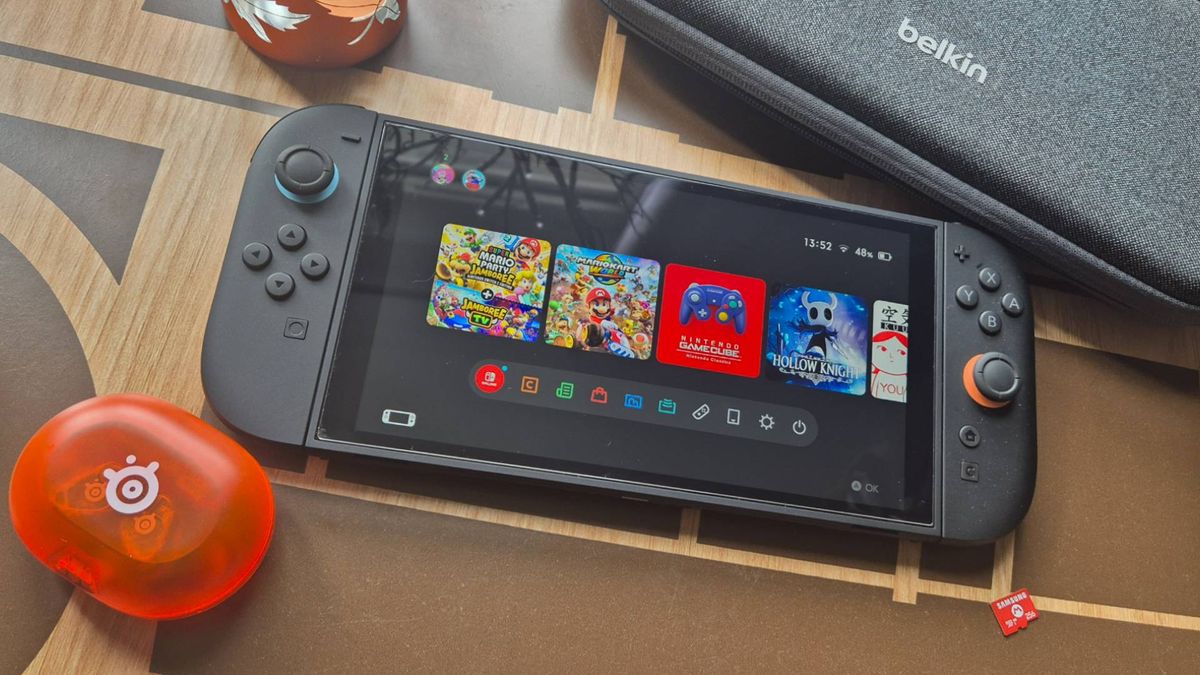
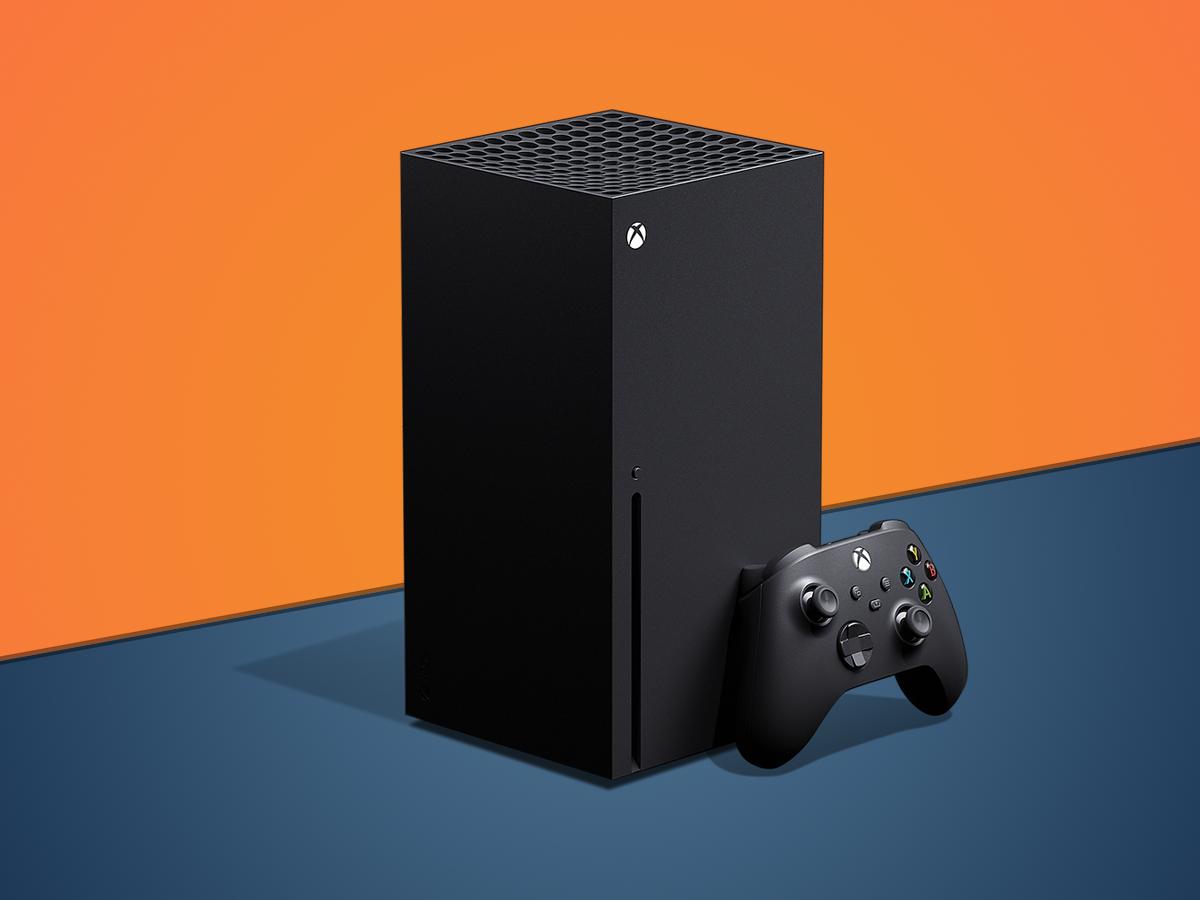
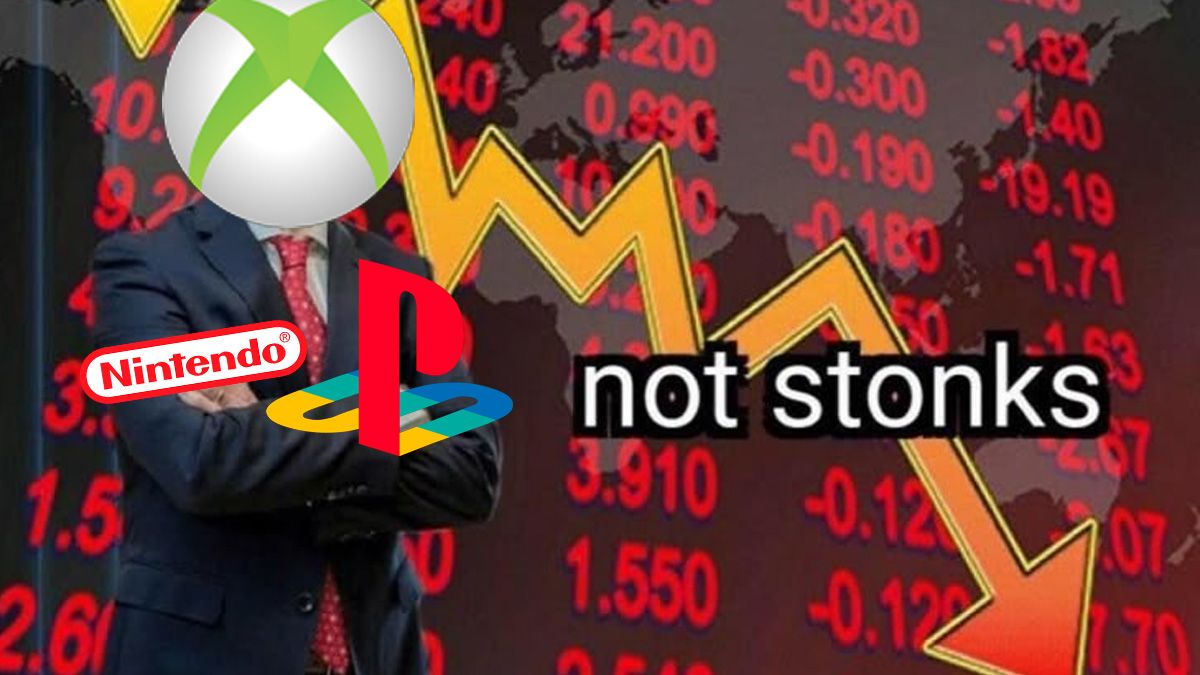
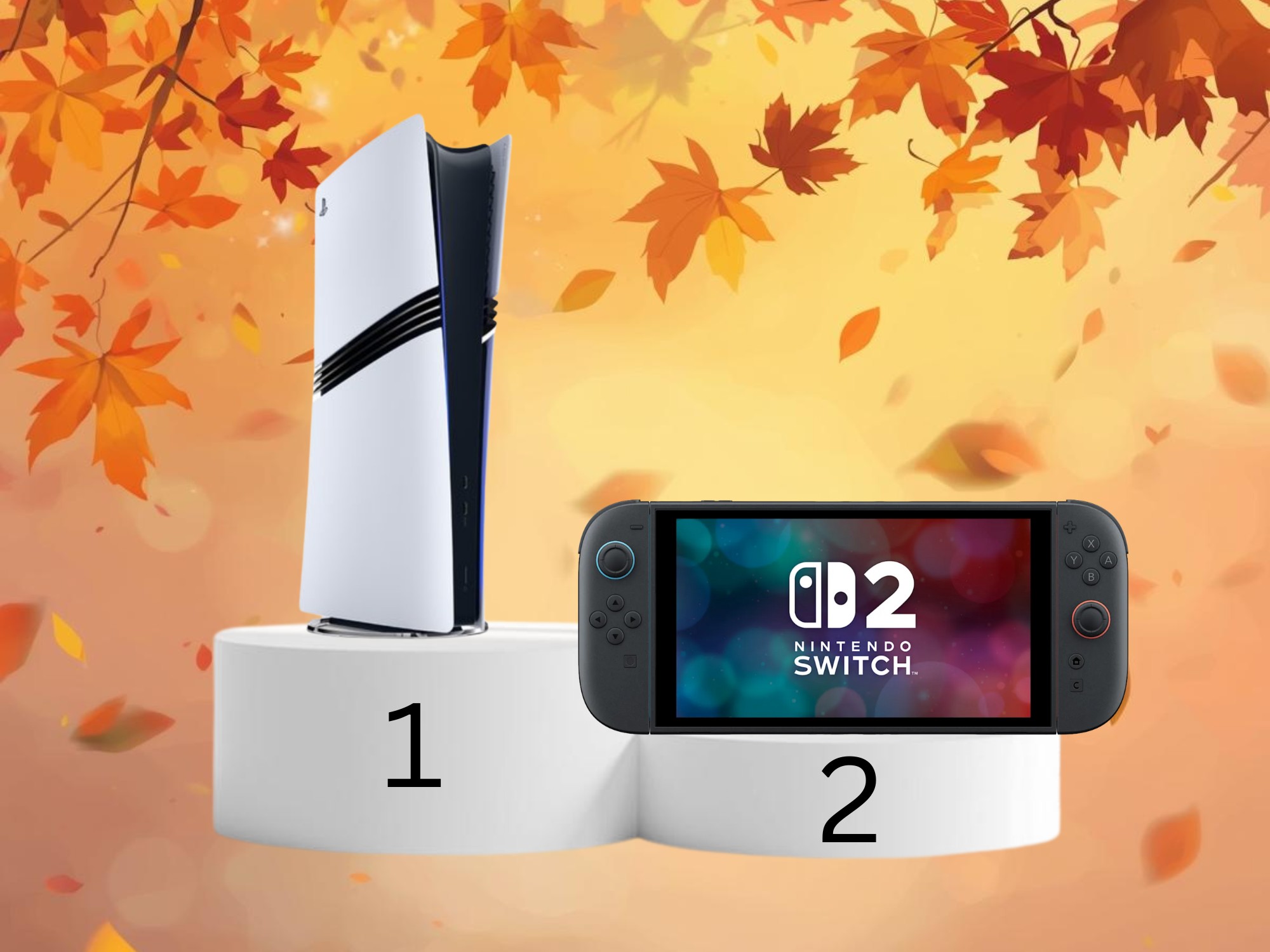
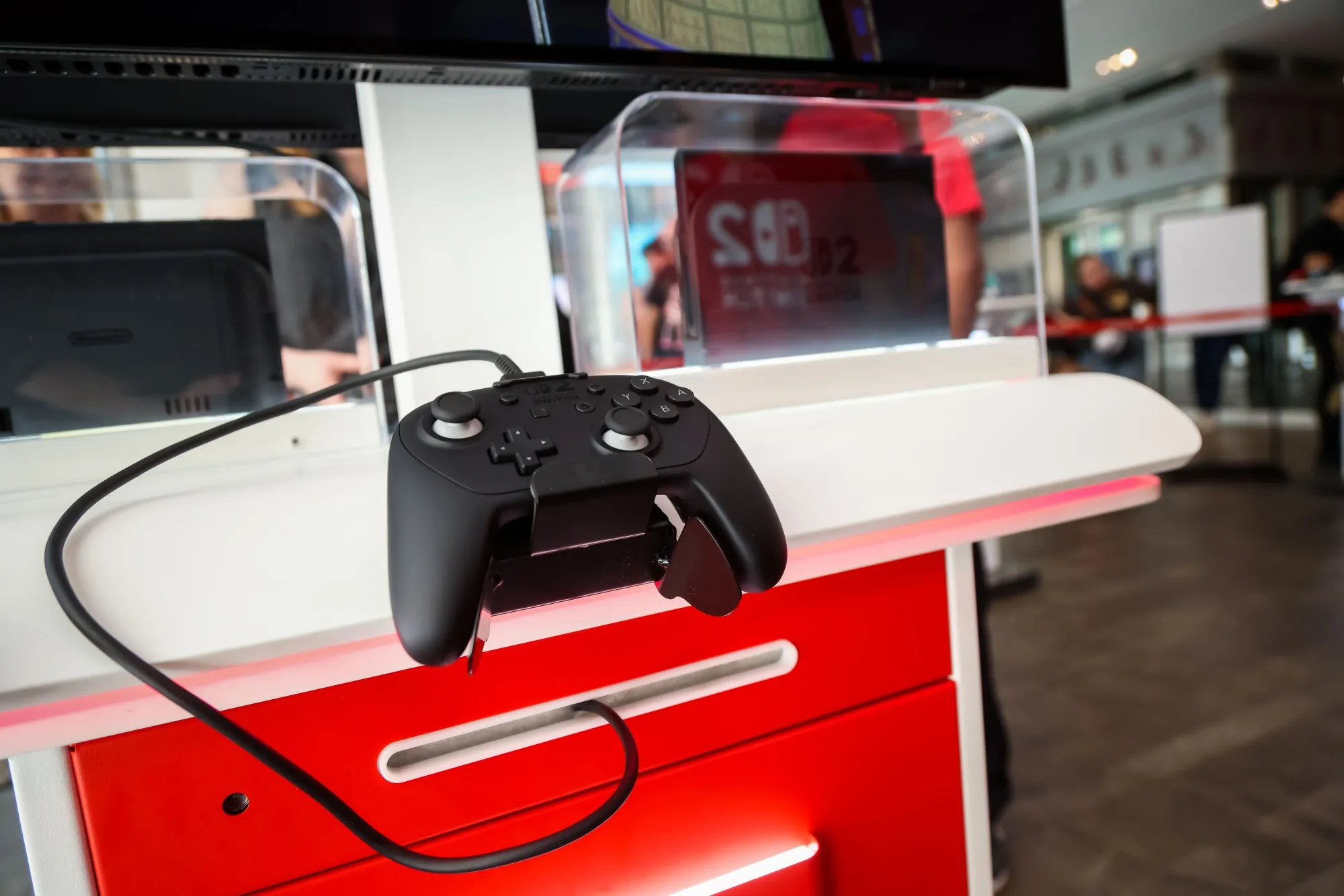
Notably, even traditionally robust platforms are experiencing dramatic contractions. Xbox sales nosedived 70% year-over-year, while PlayStation 5 saw a 40% decline. The Nintendo Switch 2, despite being the fastest-selling hardware in U.S. history, couldn't escape the market's gravitational pull, experiencing lower first-November sales compared to its predecessor.
The NEX Playground emerged as a surprising bright spot, securing third place through an aggressive strategy of affordable pricing (around $200) and targeted marketing. This suggests that smaller, more agile manufacturers might find opportunities by directly challenging the pricing models of industry giants.
For cross-border e-commerce sellers, this data represents both a warning and an invitation. The market isn't disappearing—it's transforming. Successful strategies will require hyper-adaptive approaches: dynamic pricing, diversified product offerings, and laser-focused marketing that addresses emerging consumer price sensitivities.
The Call of Duty franchise's double-digit sales decline further underscores the broader market fatigue. With current-generation consoles approaching five-year lifecycles and economic uncertainties mounting, manufacturers and sellers must radically reimagine their value propositions.
问题 3
How are different console manufacturers being impacted?
Xbox experienced the most severe decline at 70% year-over-year, PlayStation 5 dropped 40%, and Nintendo Switch 2 saw lower first-November sales compared to its predecessor. The Nintendo Switch 2 remains the fastest-selling hardware in U.S. history, but even it isn't immune to market pressures.
Why are gaming console sales experiencing such a dramatic decline?
Multiple factors converge: unprecedented hardware prices ($439 average), economic pressures, tariffs increasing production costs, and potential consumer fatigue with current console generations. The five-year lifecycle of PlayStation 5 and Xbox Series consoles suggests market saturation and reduced technological excitement.