



Wildlife Photography's Dark Side: When Human Curiosity Threatens Rare Species
- Unregulated Nature Photography Emerges as Unexpected Conservation Hazard
概览
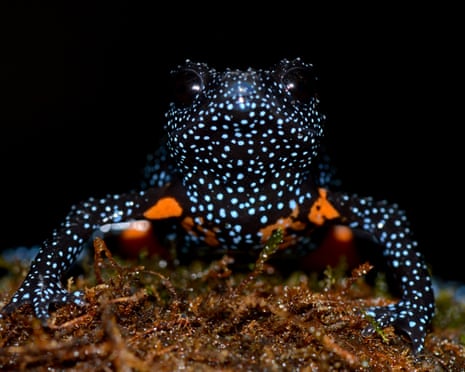
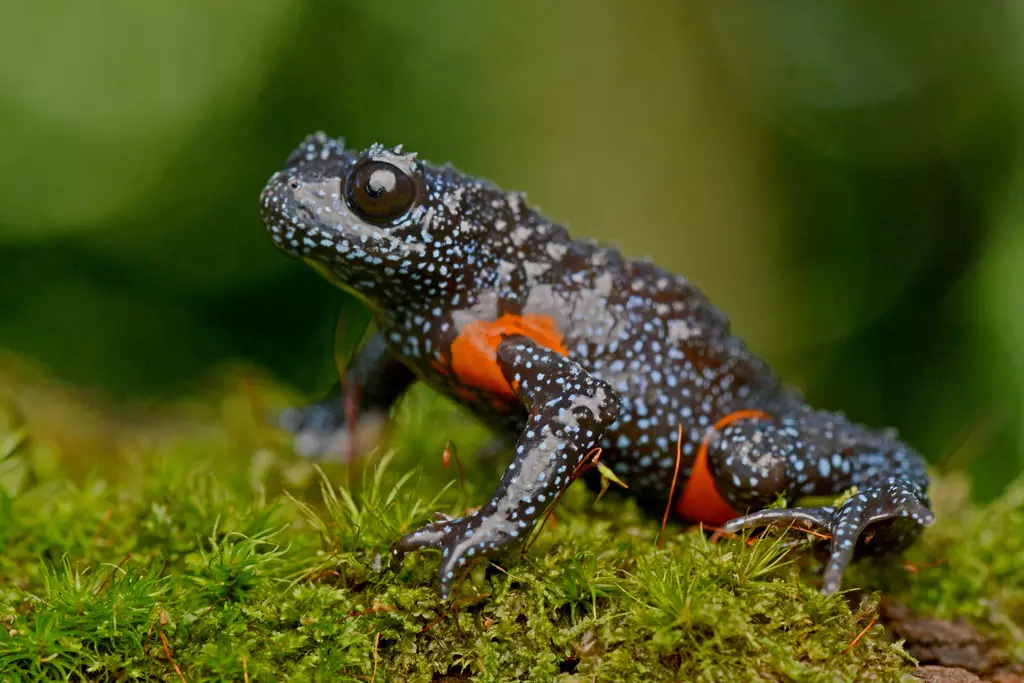
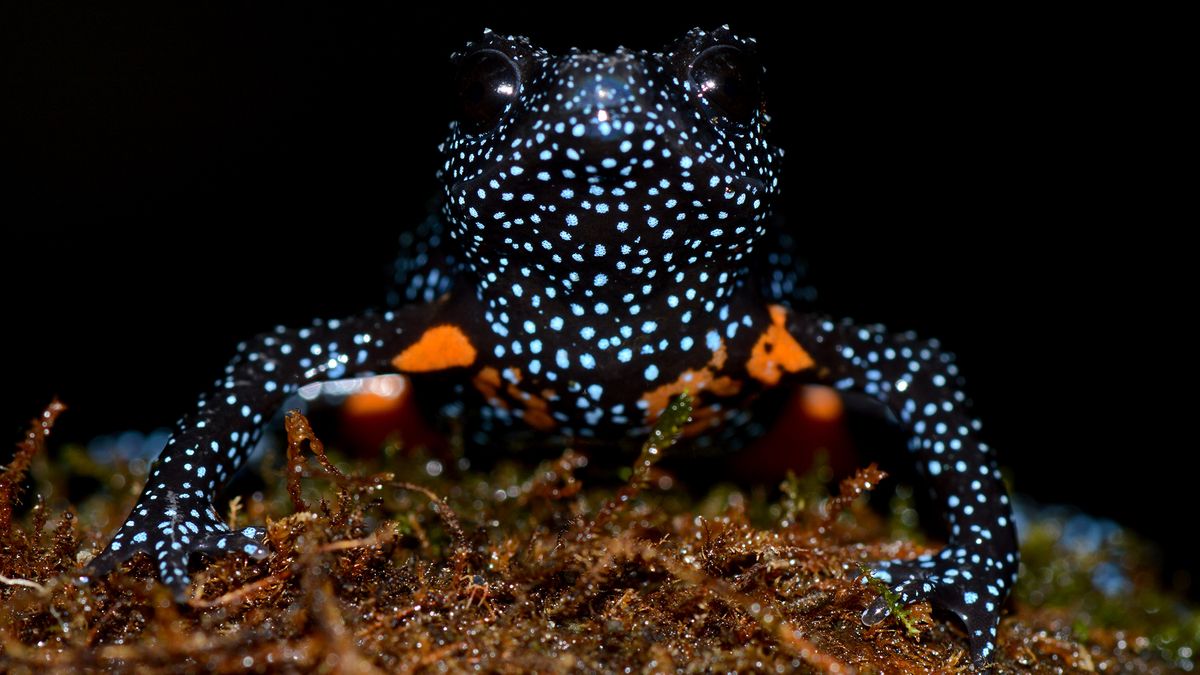
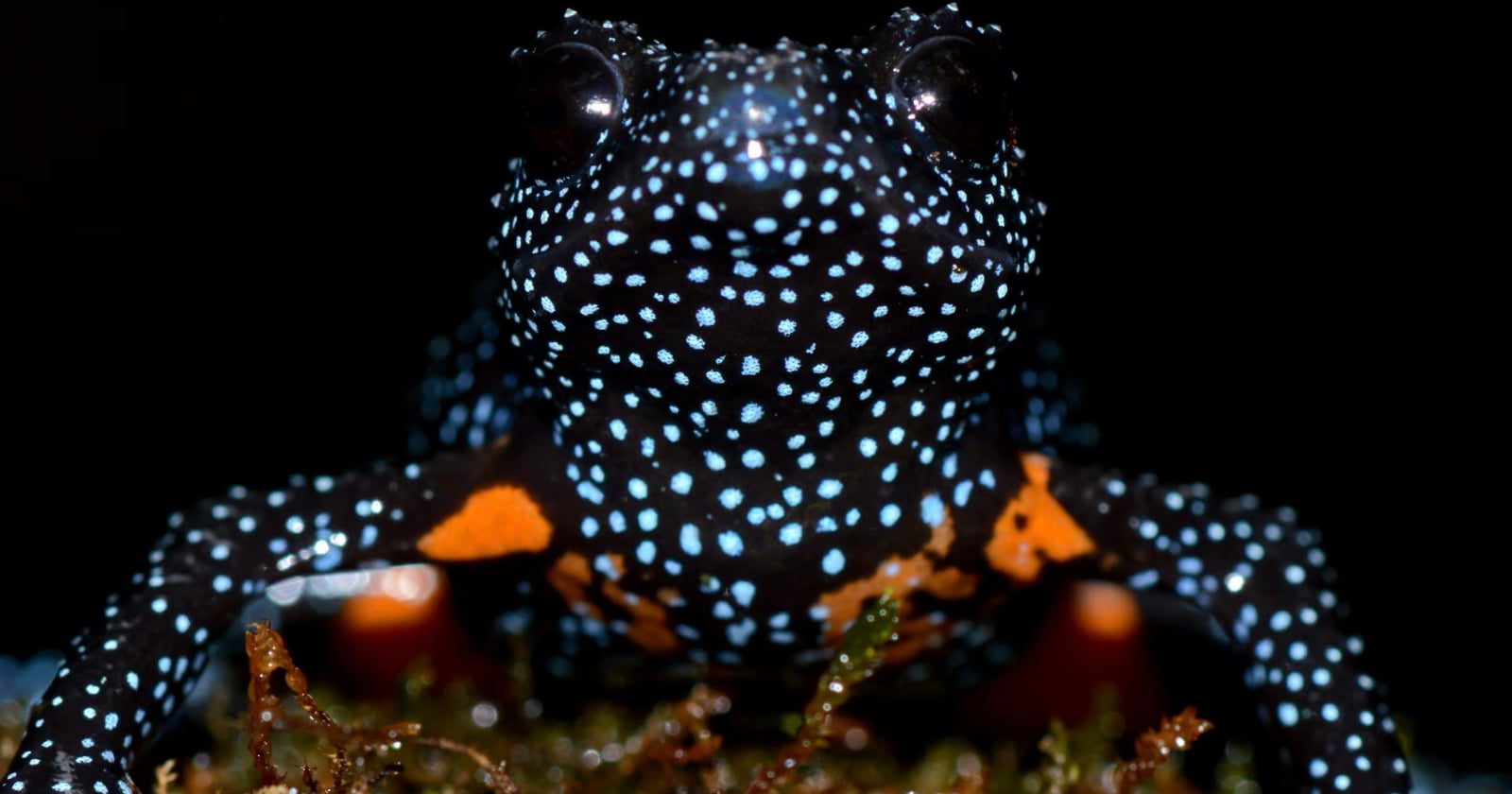
The delicate ecosystem of wildlife documentation has reached a critical inflection point, where the very act of observation can become a destructive force. In the Western Ghats mountain range, a stark case study of the Galaxy Frog reveals how unethical photography practices can rapidly decimate vulnerable species populations.
Unintended Consequences of Photographic Curiosity emerge as a profound ecological risk. Researchers tracking the rare melanobatrachus indicus discovered a disturbing pattern: a group of seven frogs completely vanished following multiple photography expeditions. The photographers' actions—handling frogs with bare hands, moving natural habitats, and conducting prolonged photoshoots—transformed a potential conservation tool into a significant threat.
Systemic Risks in Wildlife Documentation extend far beyond this single incident. The study documented severe ecological disruptions, including:
- Extreme stress from repeated handling
- Potential disease transmission through direct contact
- Habitat displacement
- Physiological trauma from extended photographic sessions
Critically, two small frogs reportedly died during these photoshoots, underscoring the fragility of rare species when human intervention becomes invasive. Lead researcher Rajkumar K P highlighted a crucial insight: while photography can be a valuable conservation mechanism for understanding animal distribution, irresponsible practices can rapidly transform scientific observation into environmental destruction.
This case represents a broader challenge at the intersection of human curiosity, scientific documentation, and ecological preservation. It demands an urgent reevaluation of ethical standards in nature photography, particularly for endangered and vulnerable species. The implications extend beyond individual photographers to entire research and documentation ecosystems that must prioritize species protection over visual documentation.
The emerging imperative is clear: develop rigorous, standardized ethical guidelines that protect wildlife while allowing responsible scientific and photographic exploration. Researchers, photographers, and conservation organizations must collaborate to create protocols that minimize ecological disruption while maintaining the critical goal of species understanding and preservation.
问题 3
How serious are the risks of unethical wildlife photography?
The risks are profound. In the Galaxy Frog case, unregulated photography directly contributed to population displacement and potential species extinction. Researchers observed direct harm including physiological stress, habitat disruption, and even frog mortality during photoshoots.
What solutions can prevent wildlife photography from harming endangered species?
Developing comprehensive ethical guidelines is crucial. These should include minimal contact protocols, restricted photoshoot durations, mandatory training for wildlife photographers, and establishing clear boundaries for interaction with rare species to minimize ecological disruption.