






Australia's Gun Control Crossroads: Regulatory Overhaul Triggered by Bondi Beach Tragedy
- Emerging Compliance Landscape Reshapes Firearm Ownership Regulations Across New South Wales






































概览
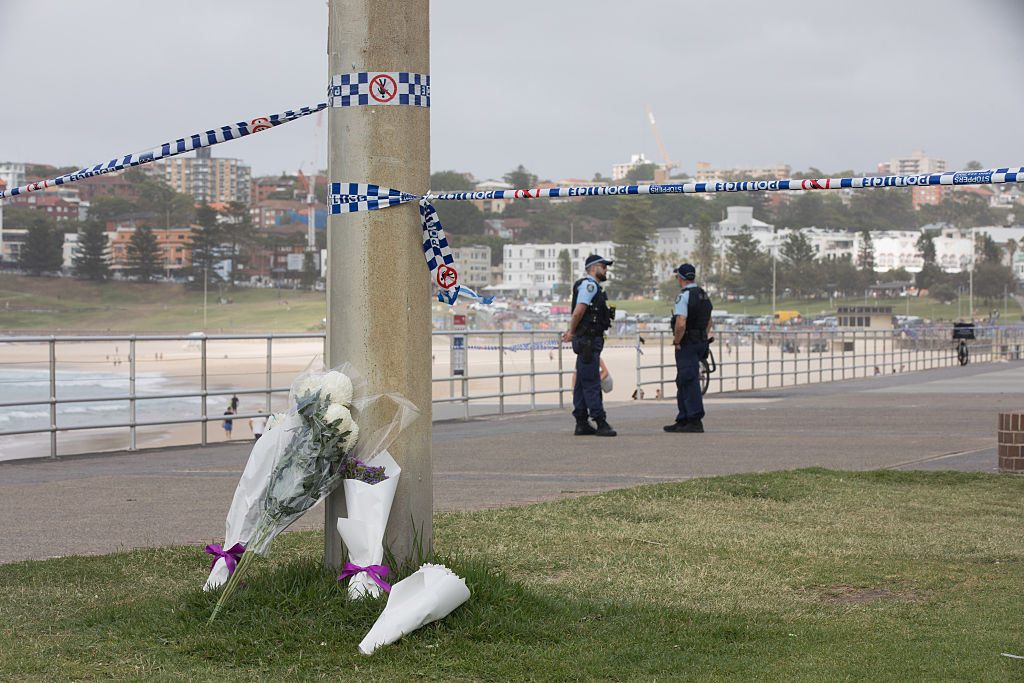
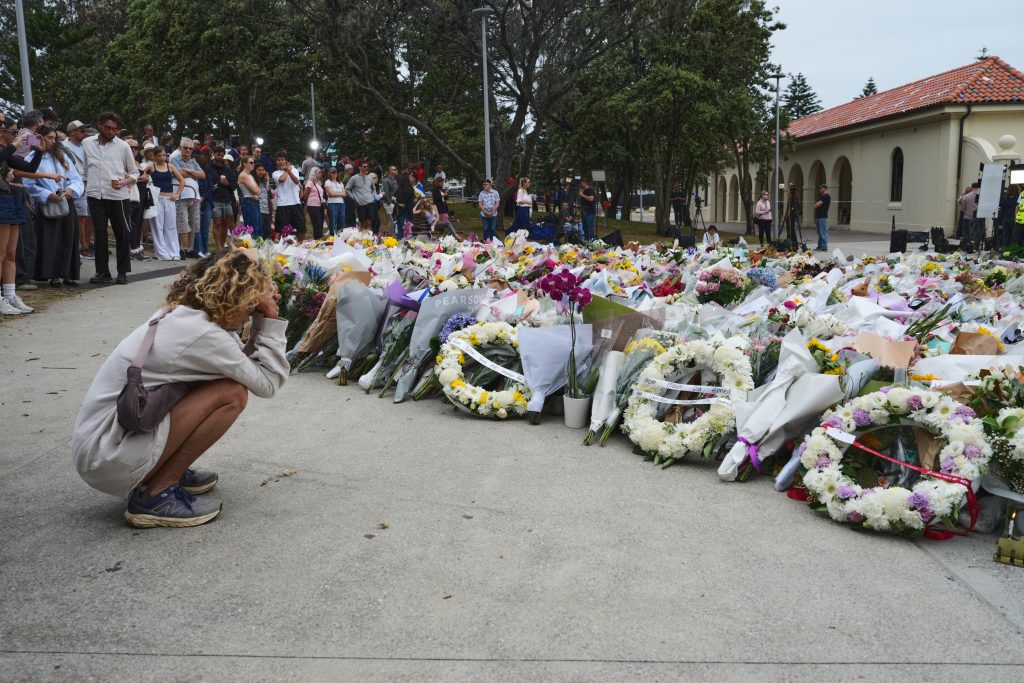
The Bondi Beach massacre has catalyzed a profound transformation in Australia's firearms regulatory environment, exposing critical vulnerabilities in the existing gun licensing framework. With over 1.1 million firearms in New South Wales—more than before the landmark Port Arthur massacre—the state is confronting a complex regulatory challenge that balances public safety with nuanced community needs.
Regulatory Recalibration Dynamics: The proposed legislation represents a strategic pivot from permissive to restrictive gun ownership protocols. Key proposed measures include eliminating recreational hunting as a legitimate firearm possession rationale, implementing citizenship requirements, restricting magazine capacities, and introducing more stringent license renewal processes. This signals a fundamental reimagining of firearm access that goes beyond immediate response to systemic risk management.
The proposed reforms reveal multiple strategic imperatives. First, they address the proliferation of firearms through targeted administrative barriers. By potentially abolishing license appeal mechanisms and imposing stricter citizenship criteria, policymakers are creating multilayered compliance hurdles. Second, the legislation demonstrates a sophisticated approach to balancing security concerns with regional community requirements, particularly for farmers and rural residents who may require specialized firearm access.
The compliance landscape is rapidly evolving from a permission-based to a risk-mitigation model. The government's approach suggests a comprehensive reassessment of who can legally own firearms, with an emphasis on granular background checks, periodic re-evaluation, and narrowing legitimate ownership categories. This represents a significant regulatory shift that could serve as a potential template for other jurisdictions grappling with firearm proliferation risks.
Critically, these reforms emerge from a tragic context of rising antisemitism and violent extremism, underscoring that regulatory changes are not merely administrative but deeply connected to broader social cohesion and community safety imperatives.
问题 3
What triggered these comprehensive gun control reforms?
The Bondi Beach massacre, which was Australia's deadliest mass shooting in three decades, served as a critical catalyst. The incident highlighted systemic vulnerabilities in the existing gun licensing framework and intensified concerns about rising antisemitism and violent extremism, prompting urgent legislative recalibration.
How will these new regulations impact rural communities and farmers?
While the legislation aims to restrict firearm access, it appears to be crafting nuanced exemptions for rural communities and farmers who may require specialized firearm access. The government is balancing public safety concerns with the practical needs of regional populations, suggesting targeted rather than blanket restrictions.