






The Dark Side of AI Pricing: How Algorithmic Manipulation Threatens Consumer Trust
- Emerging AI pricing strategies expose critical vulnerabilities in e-commerce transparency



















































概览
The convergence of artificial intelligence and e-commerce pricing has reached a critical inflection point, with Instacart emerging as the poster child for the potential dangers of algorithmic pricing manipulation. A Consumer Reports investigation has unveiled a disturbing trend of "surveillance pricing" – a sophisticated AI-driven strategy that dynamically adjusts prices for individual consumers based on opaque personal data metrics.
The core issue transcends a single company's practices. Instacart's AI pricing tool represents a broader technological threat where machine learning algorithms can potentially inflate consumer costs by up to 7%, translating to over $1,000 in additional annual expenses for unsuspecting customers. This isn't just a pricing quirk – it's a fundamental challenge to the principles of transparent digital commerce.
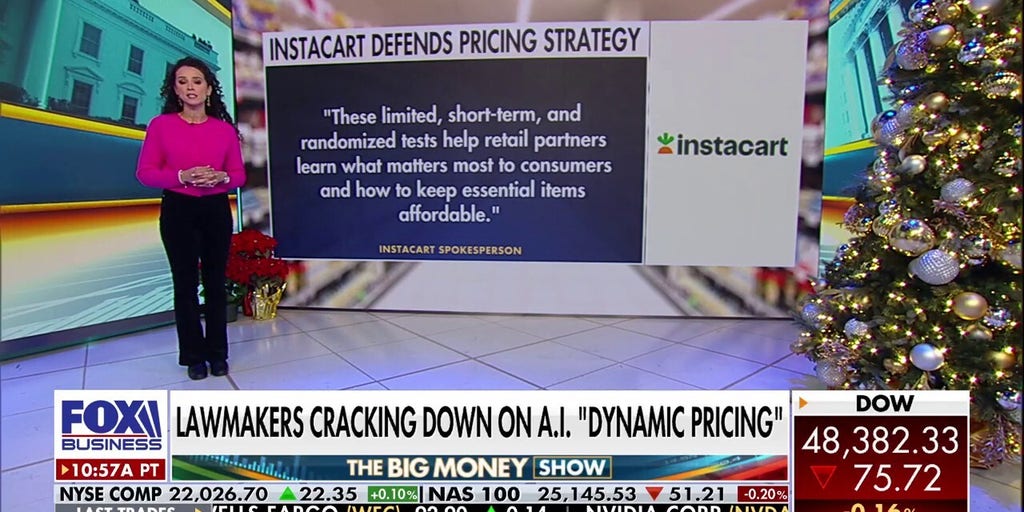
Regulatory bodies are taking notice. The Federal Trade Commission (FTC) has launched a comprehensive investigation, sending a clear signal that algorithmic pricing strategies are now under intense scrutiny. Instacart's $60 million settlement for deceptive practices underscores the legal and reputational risks of unchecked AI-driven pricing mechanisms. The company's defense – claiming retail partners control pricing – rings hollow in the face of mounting evidence of systematic price manipulation.
The implications extend far beyond Instacart. This case represents a watershed moment for e-commerce platforms, revealing how AI technologies can be weaponized to extract maximum revenue through personalized pricing strategies. Consumers are left navigating a digital marketplace where prices are no longer fixed, but dynamically tailored to extract maximum value from each individual user.
For businesses and consumers alike, this signals a critical need for transparency, ethical AI implementation, and robust regulatory frameworks that can keep pace with rapidly evolving technological capabilities.
问题 3
How can consumers protect themselves from algorithmic pricing?
Consumers should compare prices across multiple platforms, use price tracking tools, clear browser cookies, avoid logged-in shopping experiences when possible, and remain vigilant about price discrepancies. Maintaining price awareness is crucial in an era of personalized digital pricing.
What are the legal implications of these pricing strategies?
The FTC's investigation and Instacart's $60 million settlement indicate significant legal risks for companies using non-transparent AI pricing tools. Regulators are increasingly viewing such practices as potential consumer deception, which can lead to substantial financial penalties and reputational damage.