


Moral Courage Under Fire Challenging Authoritarian Military Orders
- A Critical Examination of Individual Integrity Within Hierarchical Power Structures

概览
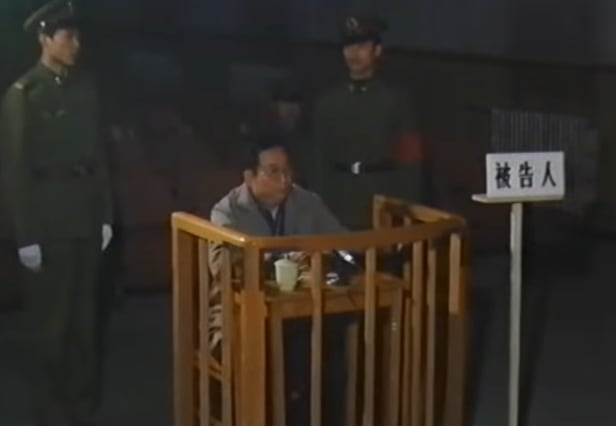
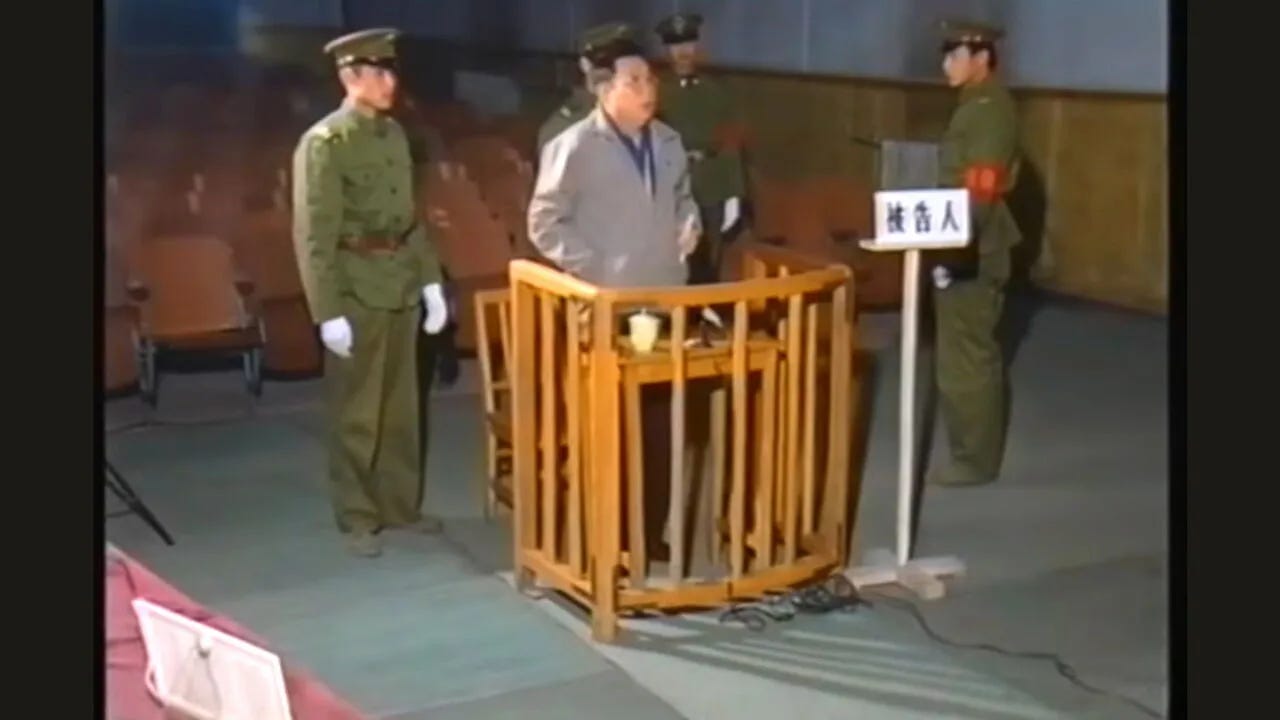
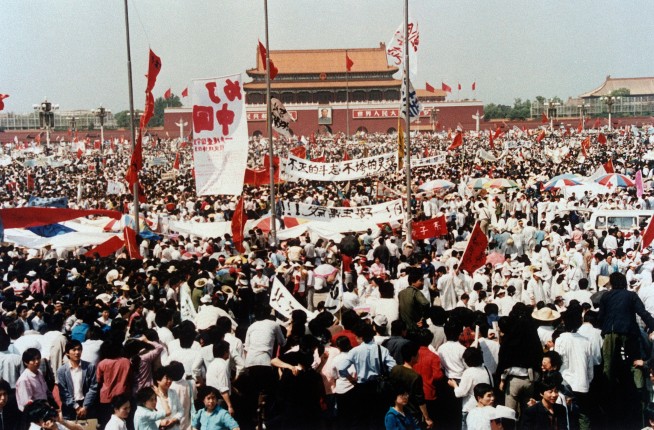
Moral resistance within military hierarchies represents a profound challenge to authoritarian power dynamics, as dramatically illustrated by Major General Xu Qinxian's principled stand during the 1989 Tiananmen Square protests. His refusal to deploy 15,000 troops against civilians exposes the critical tension between institutional obedience and individual ethical judgment.
The systemic response to moral dissent reveals the brutal mechanics of authoritarian control. When Xu challenged the order to enforce martial law, the Chinese leadership's reaction was swift and punitive. He was court-martialed, sentenced to five years in prison, and his entire 38th Group Army was replaced with the 27th Army—a unit deliberately chosen for its 60% illiteracy rate and willingness to follow ruthless orders. This calculated replacement underscores how authoritarian systems deliberately cultivate unquestioning compliance by selecting and promoting personnel who will execute commands without moral hesitation.
The Tiananmen Square incident represents a watershed moment in understanding institutional power's capacity for violence. With civilian death estimates ranging from hundreds to thousands, the crackdown demonstrated the catastrophic potential of military units stripped of individual moral agency. Troops indiscriminately fired on crowds, ran over bodies with armored vehicles, and systematically eliminated wounded protesters—actions that reveal the dehumanizing logic of absolute institutional obedience.
Contemporary parallels highlight the ongoing global challenge of distinguishing lawful from unlawful commands. The article's reference to recent U.S. political tensions around military orders suggests that the ethical dilemma of individual moral judgment is not confined to any single political system. It is a universal challenge that transcends specific geopolitical contexts, touching on fundamental questions of human agency, institutional power, and the moral responsibilities of individuals within hierarchical structures.
The strategic implications are profound: institutional power relies fundamentally on the willingness of individuals to suspend personal moral judgment. Xu's resistance, though ultimately unsuccessful in preventing the massacre, represents a critical moment of moral testimony—a refusal to be complicit in systemic violence. His actions remind us that individual conscience can be a powerful, if often suppressed, counterforce to institutional brutality.
问题 3
How did the Chinese leadership respond to Xu's moral stand?
The leadership responded with immediate punitive measures: court-martialing Xu, sentencing him to five years in prison, and replacing his entire 38th Group Army with the 27th Army—a unit selected specifically for its high illiteracy rate and willingness to follow brutal orders without moral questioning.
What broader implications does this incident have for understanding institutional power?
The Tiananmen Square incident reveals how authoritarian systems maintain control by systematically eliminating individual moral agency. By selecting and promoting personnel who will execute commands without ethical hesitation, these systems can perpetrate large-scale violence while maintaining institutional cohesion.