



Apple's Regulatory Crossroads: How EU Mandates Are Forcing Open the Walled Garden
- Regulatory pressure transforms Apple's closed ecosystem strategy for device interoperability





















概览
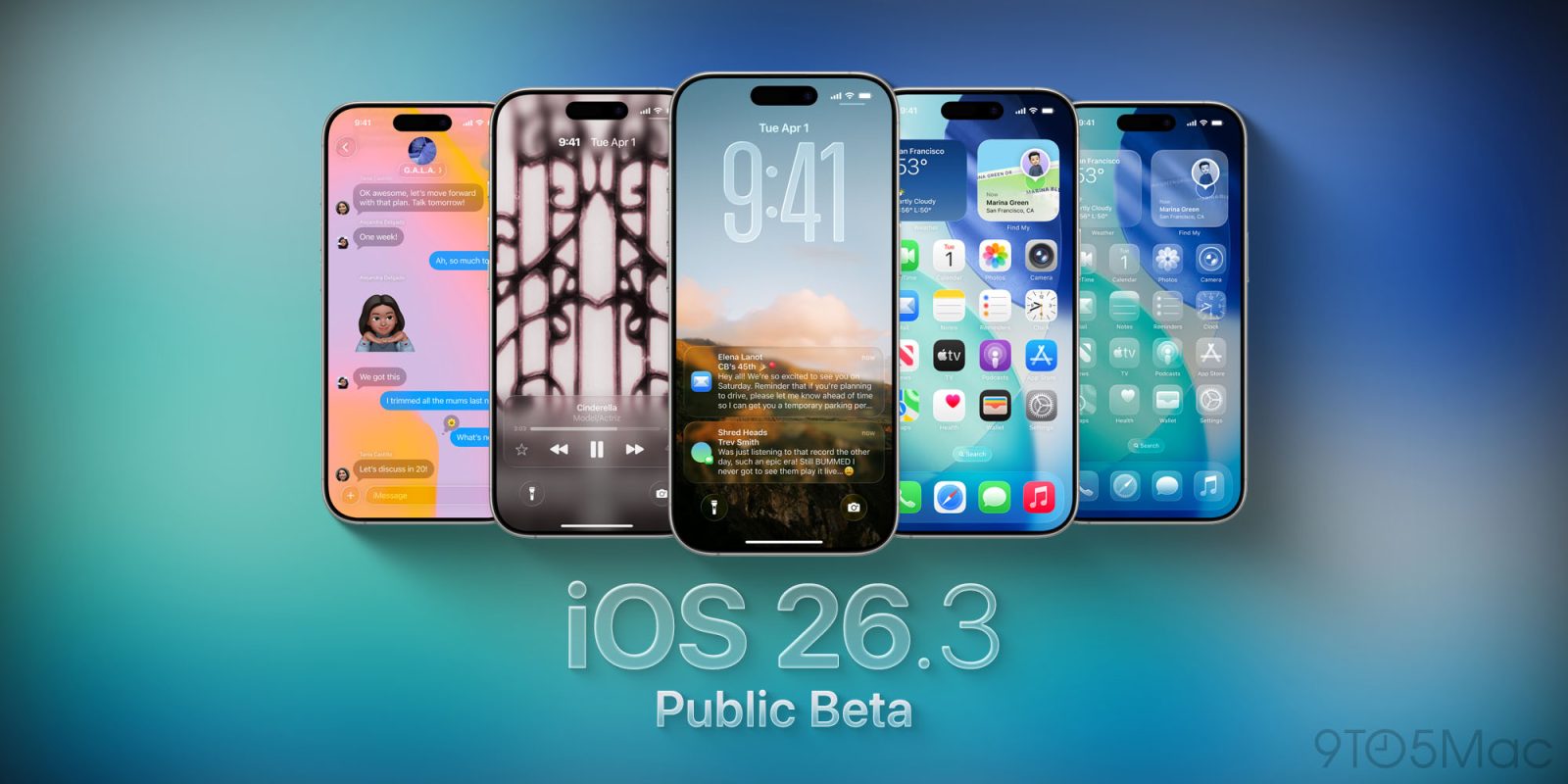
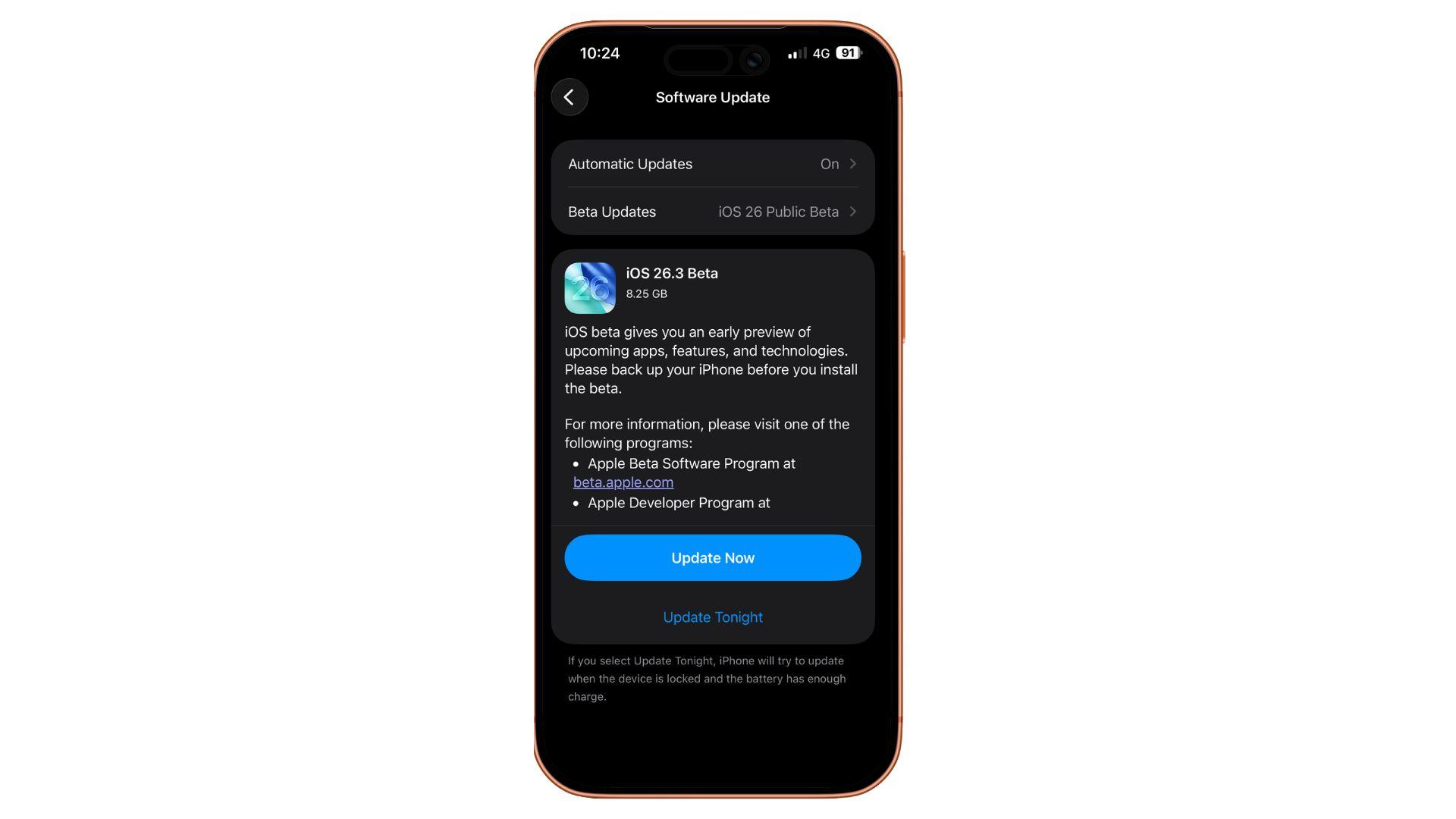
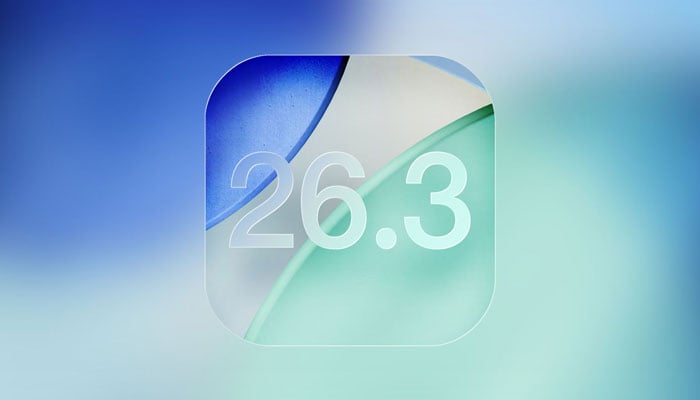
The latest iOS 26.3 beta reveals a pivotal moment in tech regulatory dynamics, where Apple is being compelled to dismantle its traditionally hermetic ecosystem under European Union pressure. The Digital Markets Act (DMA) is driving a fundamental transformation in how Apple approaches device compatibility and user choice.
Notification Forwarding, currently limited to 27 EU countries, represents more than a technical feature—it's a strategic capitulation to regulatory mandates. By allowing non-Apple smartwatches to receive iPhone notifications, Apple is reluctantly opening channels that were previously exclusively reserved for its own devices. This move signals a profound shift from Apple's historical approach of maintaining strict control over its hardware and software integration.
The beta release demonstrates a nuanced compliance strategy. Apple is implementing the required changes while simultaneously expressing privacy reservations. The notification forwarding feature comes with critical limitations: only one non-Apple accessory can receive notifications, and Apple Watch notifications are automatically disabled. These constraints reveal Apple's attempt to minimize the impact of mandated interoperability while technically meeting regulatory requirements.
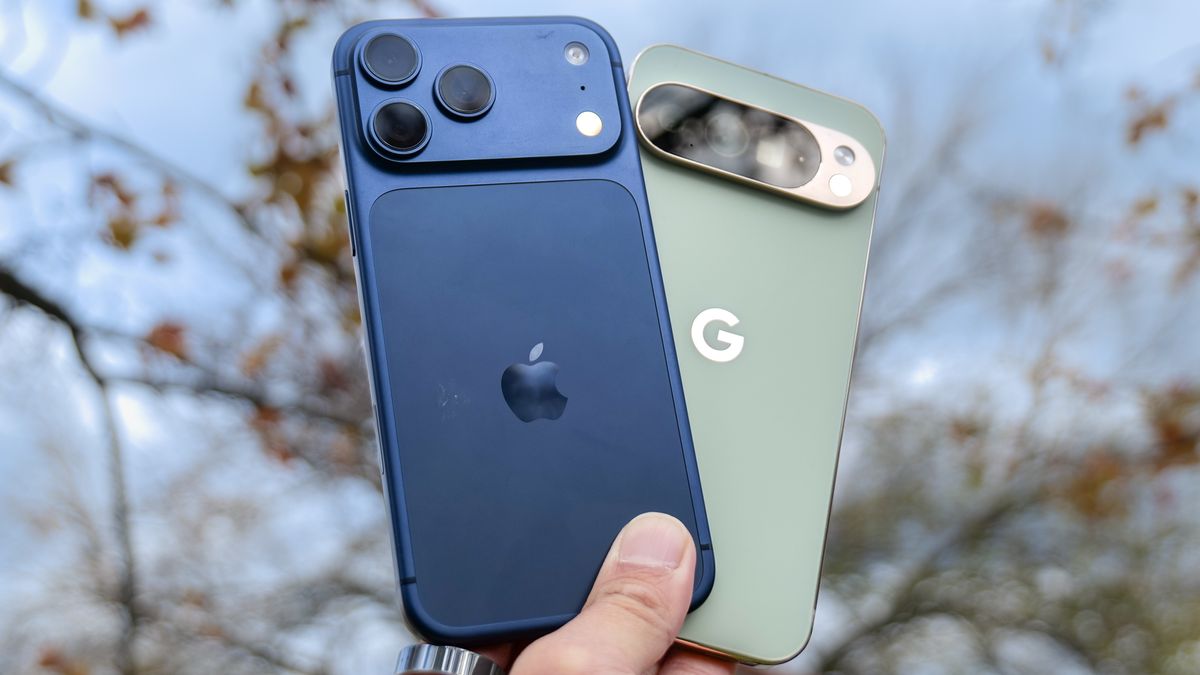
Beyond notifications, the iOS 26.3 beta introduces a cross-platform data migration system developed in collaboration with Google. This "Transfer to Android" feature allows iPhone users to wirelessly transfer photos, messages, notes, and apps—another clear indication of regulatory pressure forcing greater platform openness.
For technology strategists and e-commerce professionals, this represents a critical inflection point. The EU's regulatory approach is effectively redesigning how major tech platforms must approach device compatibility, potentially creating new market opportunities for third-party manufacturers and service providers who can now more seamlessly integrate with Apple's ecosystem.
问题 3
What are the privacy concerns Apple has mentioned regarding Notification Forwarding?
Apple is concerned about revealing notification content to third-party companies, potentially exposing user data to non-Apple devices. The limited implementation and strict forwarding rules reflect these privacy considerations.
Why is Apple implementing Notification Forwarding only in the EU?
The feature is a direct response to the Digital Markets Act, which mandates greater device interoperability. By implementing this feature exclusively in EU countries, Apple is technically complying with regulations while minimizing broader ecosystem disruption.