




Hockey Performance Breakdown Reveals Strategic Resilience Challenges
- Tactical Insights into Competitive Adaptation and Performance Management
















概览
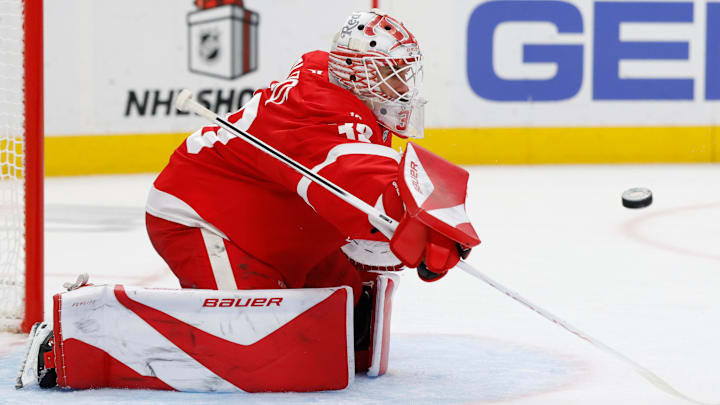
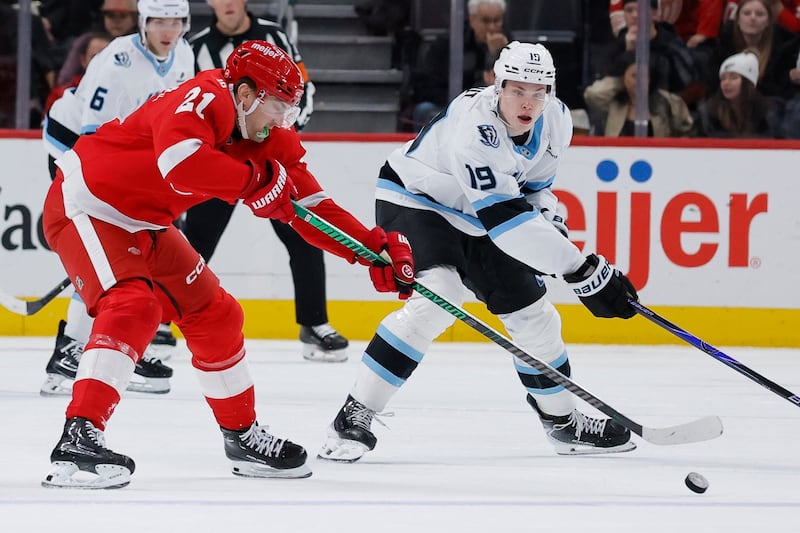
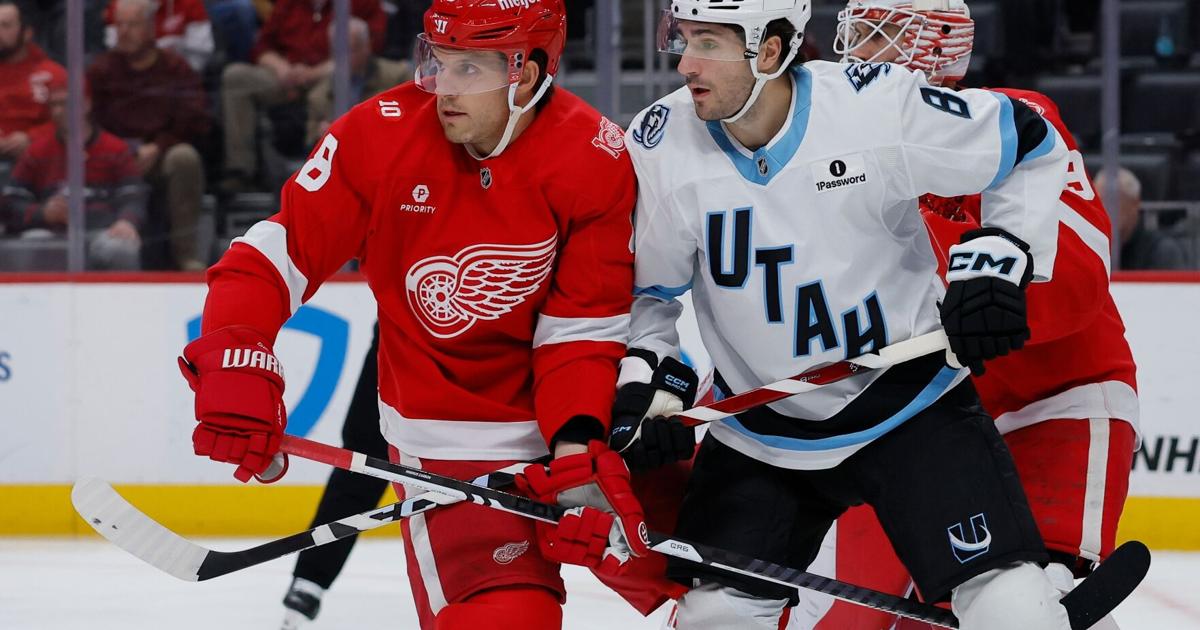
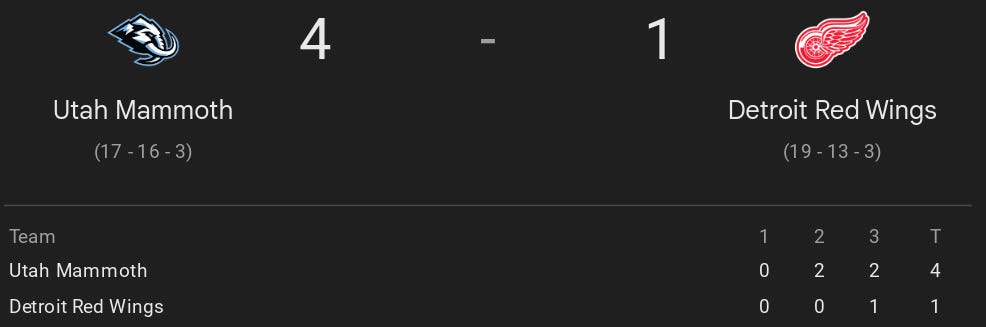
In the high-stakes world of professional sports, the Detroit Red Wings' recent 4-1 loss to the Utah Mammoth offers a compelling microcosm of strategic performance dynamics. Performance management isn't just about winning or losing, but understanding the intricate mechanisms that drive competitive excellence.
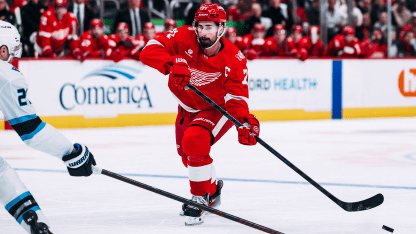
Strategic Positioning Challenges emerged as the core narrative in this match. Head coach Todd McLellan's post-game analysis pinpointed critical defensive vulnerabilities, with four goals resulting from positioning and coverage mistakes. The team's struggle in five-on-five situations, particularly with top players Dylan Larkin and Moritz Seider ending at minus-2, reveals deeper systemic challenges in tactical execution.
Resilience Under Pressure becomes the key differentiator in competitive environments. Despite the significant defeat, the Red Wings' leadership maintains a confident outlook, viewing this as a singular performance issue rather than a fundamental breakdown. This perspective is crucial—top-tier teams don't just react to setbacks but use them as diagnostic opportunities for strategic recalibration.
The match highlights three critical insights for high-performance teams:
- Tactical Adaptability: Immediate recognition and correction of positional weaknesses
- Mental Fortitude: Maintaining confidence despite momentary setbacks
- Continuous Improvement: Treating each performance as a learning opportunity
Interestingly, the Red Wings remain atop the Atlantic Division, suggesting that this loss is more likely a tactical anomaly than a systemic failure. The coaching staff's confidence indicates a mature approach to performance management—analyzing without overreacting, diagnosing without demoralizing.
For organizations across domains, the Red Wings' response offers a masterclass in resilience: acknowledge errors, maintain strategic perspective, and use challenges as catalysts for improvement. The ability to transform a 4-1 defeat into a strategic learning moment separates exceptional teams from merely good ones.
问题 3
How did the Red Wings' leadership respond to this defeat?
The coaching staff maintained a confident outlook, viewing the loss as a singular performance issue rather than a systemic problem. They remain focused on tactical improvement and maintaining their top position in the Atlantic Division.
What were the primary performance issues for the Red Wings in this match?
The team struggled with defensive positioning, particularly around the net. Head coach Todd McLellan identified four goals resulting from coverage mistakes, with top players like Larkin and Seider ending at minus-2 in five-on-five situations.