


Venezuela's Oil Blockade: A Strategic Pressure Campaign Reshaping Global Energy Dynamics
- U.S. sanctions targeting Venezuela's critical oil revenue expose geopolitical leverage points for international trade



















概览
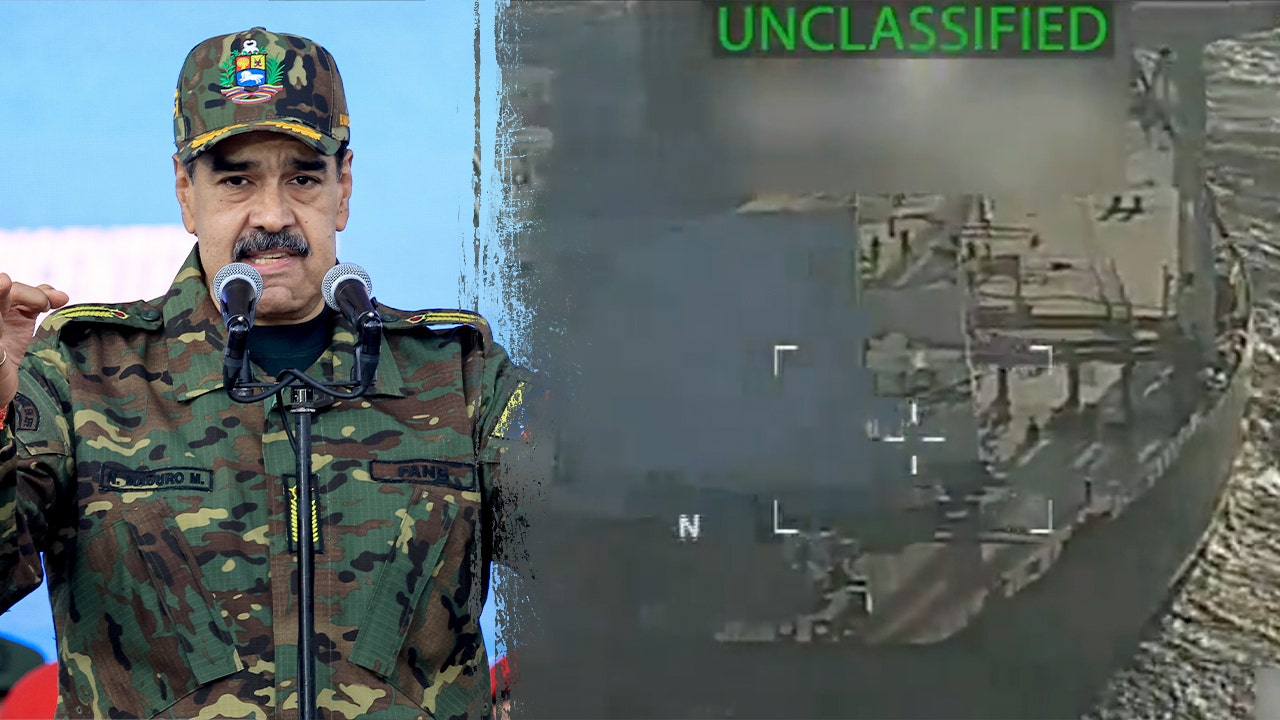
The U.S. is executing a precision economic pressure strategy against Venezuela that reveals the intricate vulnerabilities of resource-dependent regimes. By strategically blockading Venezuelan oil exports, the Trump administration has identified a critical weakness in Maduro's government: its extreme dependence on oil revenue.
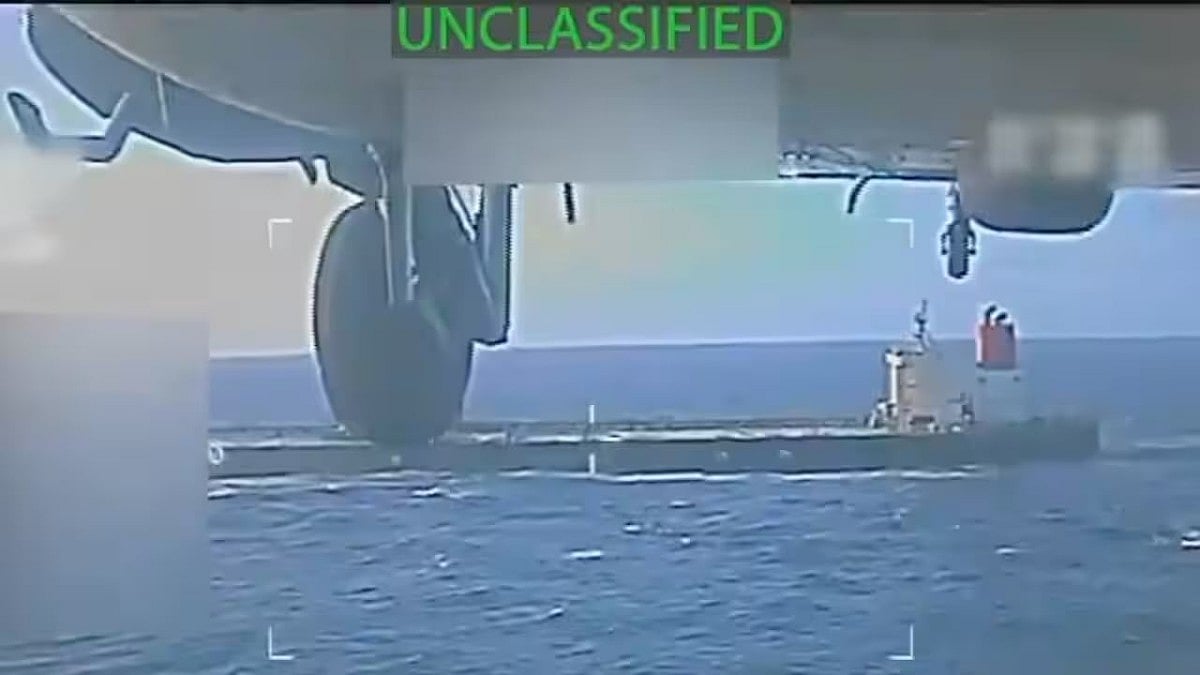
The blockade represents a sophisticated geopolitical maneuver with multilayered implications. Venezuelan crude, representing approximately 1% of global supplies, is being systematically isolated through targeted maritime interdictions. The U.S. Coast Guard's unprecedented seizure of Venezuelan oil tankers signals a new approach to economic statecraft—using maritime capabilities to create financial constraints without direct military intervention.
Market dynamics underscore the nuanced impact of this strategy. Despite initial concerns, global oil markets have demonstrated remarkable resilience. Analysts from Capital Economics and Bank of America suggest that even a complete halt of Venezuelan exports would not significantly disrupt global supply. This reveals a critical insight: the blockade is less about immediate market disruption and more about long-term political pressure.
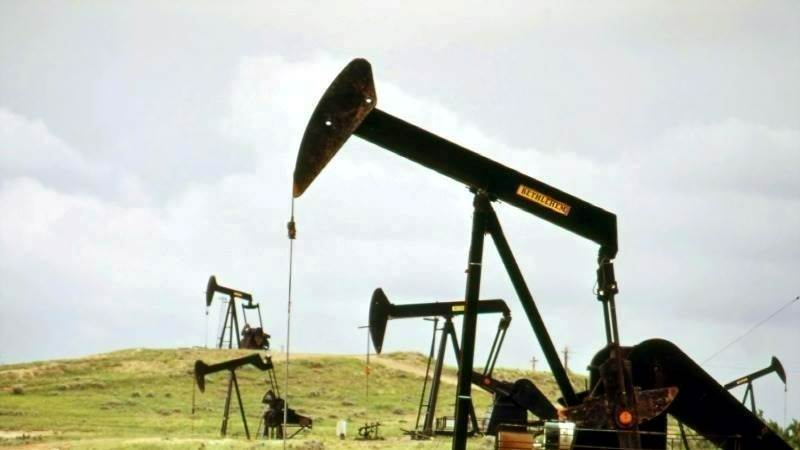
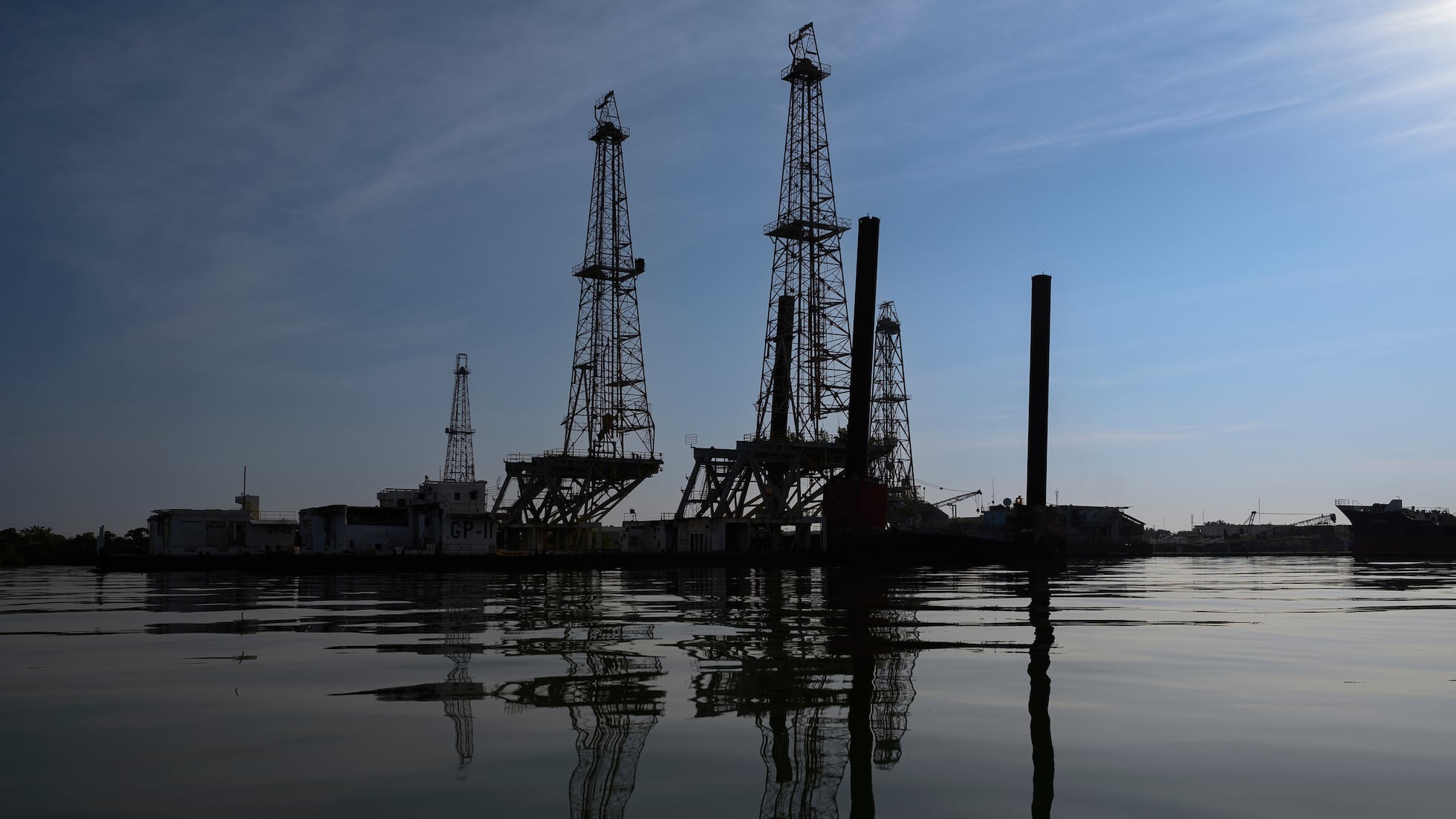
The strategy's most significant target is Venezuela's oil infrastructure, which has dramatically collapsed from 3.4 million to roughly 1 million barrels per day. By exploiting existing vulnerabilities—including massive talent loss after Chavez's 2003 PDVSA personnel purge and ongoing infrastructure deterioration—the U.S. is creating sustained economic strain.
Interestingly, the blockade creates secondary market effects, particularly for Canadian oil producers. Venezuelan heavy crude shares identical bitumen characteristics with Alberta's oil sands, potentially creating future competitive dynamics in U.S. Gulf Coast refineries. This demonstrates how geopolitical actions can reshape regional energy competitive landscapes.
The broader geopolitical signal is clear: economic tools have become sophisticated weapons of international influence. By targeting a regime's most critical economic lifeline without direct military engagement, the U.S. is showcasing a new paradigm of strategic pressure.
问题 3
What are the long-term strategic implications of this blockade?
The blockade represents a sophisticated economic pressure strategy targeting the Maduro regime's critical revenue stream. By systematically isolating Venezuelan oil exports, the U.S. aims to create sustained financial strain that could potentially destabilize the government without direct military intervention.
How might this blockade affect other oil-producing countries?
The strategy creates potential competitive shifts, particularly for Canadian oil producers. Venezuelan heavy crude shares similar characteristics with Alberta's oil sands, which could reshape competitive dynamics in U.S. Gulf Coast refineries if Venezuela's oil sector eventually recovers.