



Australian Counterterrorism Dragnet Reveals Complex Domestic Security Landscape
- Proactive Law Enforcement Strategies Reshape National Security Preparedness











概览
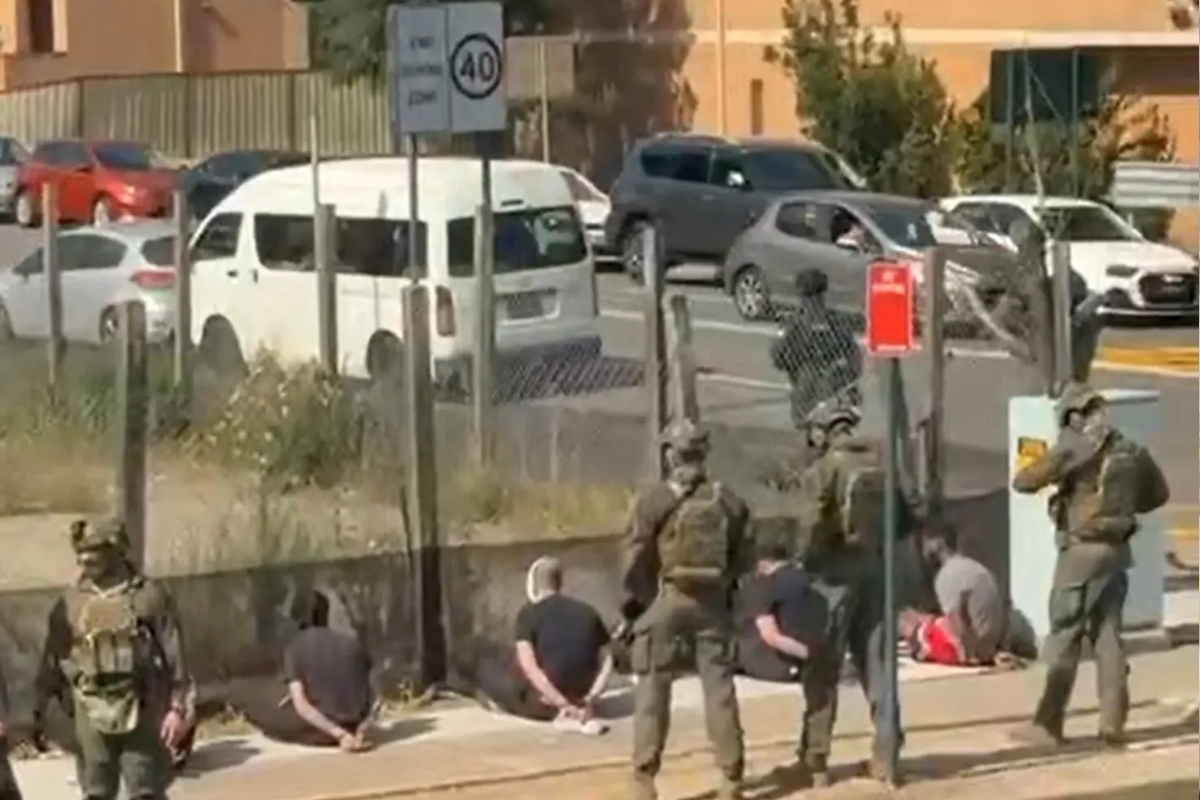
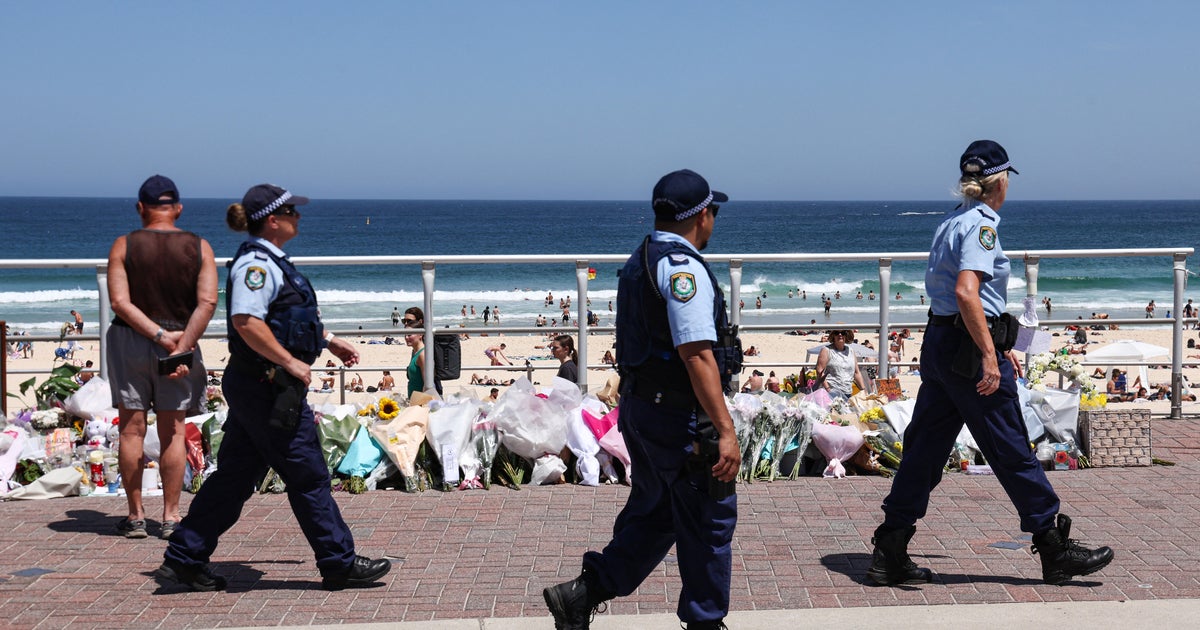
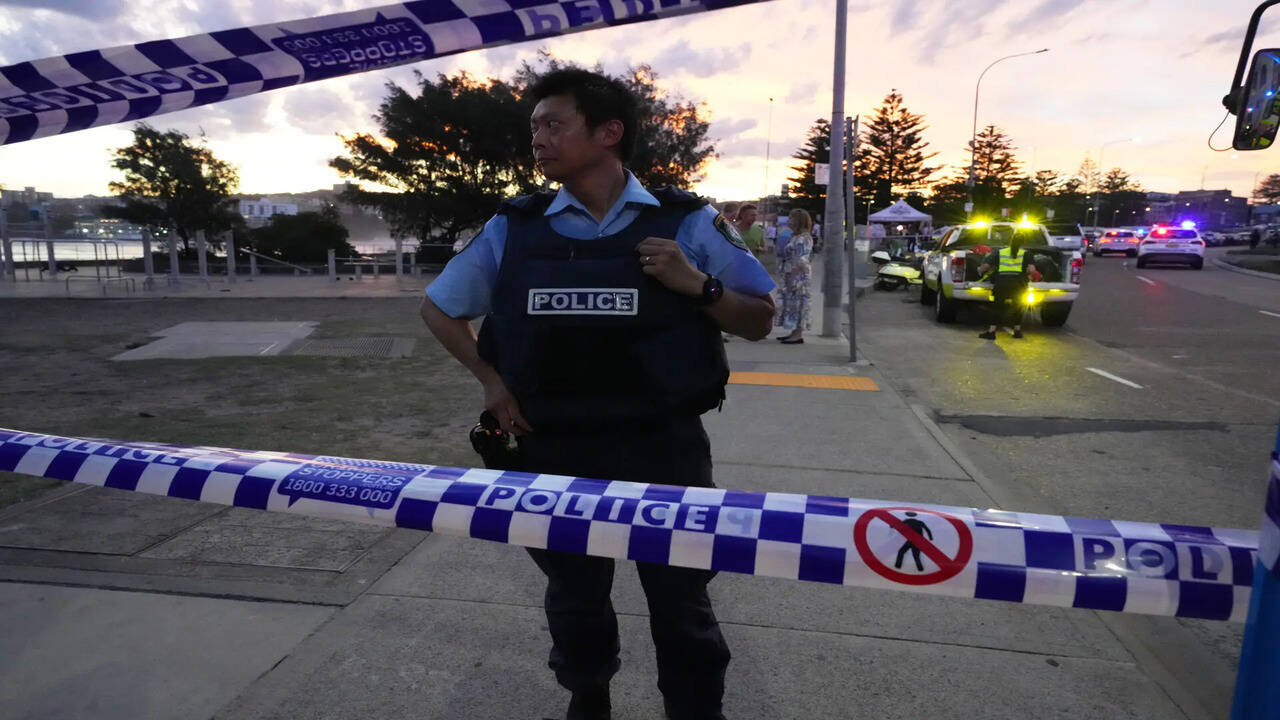
The recent series of coordinated law enforcement operations in Australia unveils a critical inflection point in the nation's counterterrorism strategy, demonstrating an unprecedented level of preemptive intervention and inter-state security coordination. Following the tragic Bondi Beach shooting, Australian authorities have executed a remarkably swift and synchronized response that signals a fundamental shift in domestic security protocols.
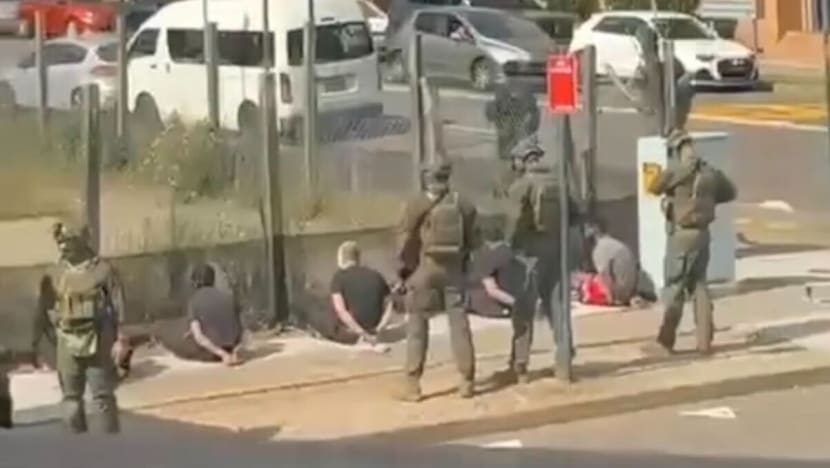
Strategic Intelligence Gathering emerges as the cornerstone of these operations. The simultaneous arrests of seven men across Liverpool and Sydney reveal a sophisticated approach to threat prevention. NSW Police Deputy Commissioner David Hudson's statements highlight a nuanced understanding of potential terrorist networks, where ideological alignment becomes as significant as direct operational connections. The tactical teams' interventions—occurring just four days after the Bondi Beach incident—showcase a dramatically reduced response time and a willingness to act on intelligence before potential threats materialize.
The operational details are particularly revealing. Despite finding only a single knife across multiple arrests, law enforcement's aggressive stance underscores a zero-tolerance approach to potential terrorist activities. The use of Commonwealth detention warrants and the involvement of multiple state police forces demonstrate an unprecedented level of institutional cooperation. Australian Federal Police Commissioner Krissy Barrett's indication of expecting "more raids" suggests these actions are part of a broader, systematic strategy rather than isolated incidents.
Critically, these operations expose the complex domestic radicalization landscape in Australia. The shared ideological perspective among the arrested individuals, while not definitively linked to the Bondi gunmen, reveals deeper systemic challenges in preventing extremist narratives from taking root. This suggests that future counterterrorism efforts will likely focus not just on interdiction, but on comprehensive deradicalization and community engagement strategies.
For businesses and organizations operating in Australia, these developments signal a critical need to enhance security awareness, implement robust risk assessment protocols, and maintain heightened situational understanding. The rapidly evolving security environment demands proactive, adaptive approaches to potential threats.
问题 3
What makes these recent arrests different from previous counterterrorism operations?
The operations demonstrate an unprecedented level of proactive intelligence gathering and inter-state coordination. Unlike previous reactive approaches, these arrests occurred rapidly after the Bondi Beach incident, with multiple state police forces collaborating to prevent potential terrorist activities before they could materialize.
How do these arrests impact businesses operating in Australia?
Businesses must now prioritize enhanced security protocols, conduct more rigorous risk assessments, and maintain heightened awareness of potential domestic security threats. The operations suggest a complex threat landscape that requires adaptive and proactive security strategies.