



AI's Memory Squeeze: How Computational Demand is Reshaping Global Electronics Supply Chains
- Unprecedented RAM price surge signals massive transformation in semiconductor manufacturing ecosystem




概览
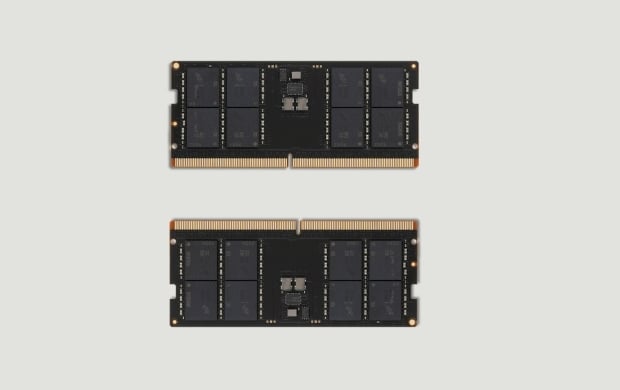
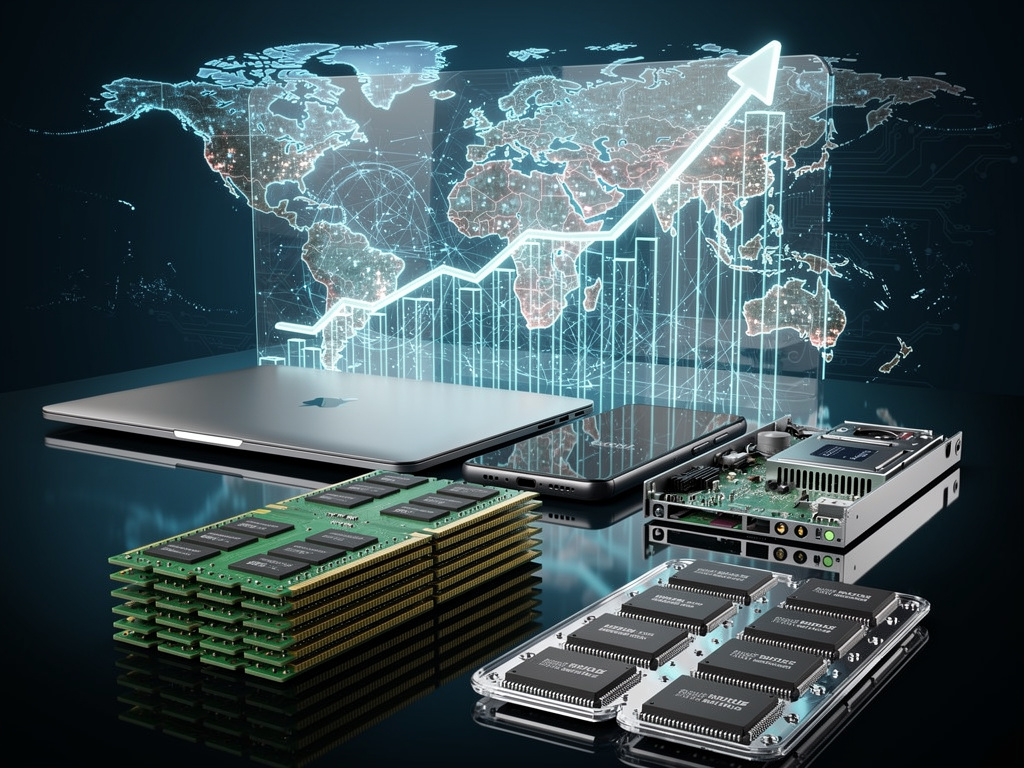
The global electronics industry is experiencing a seismic shift driven by artificial intelligence's insatiable memory appetite. What began as a subtle trend has erupted into a full-scale market transformation, with memory prices skyrocketing over 100% due to unprecedented computational demands from AI technologies.
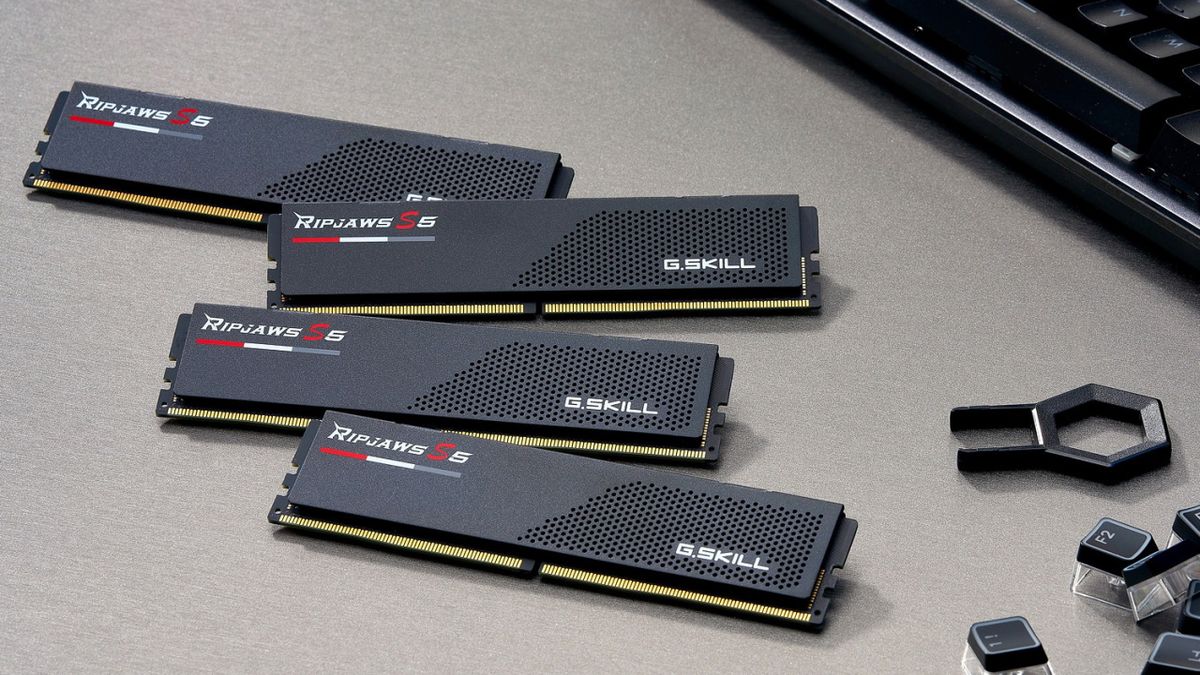
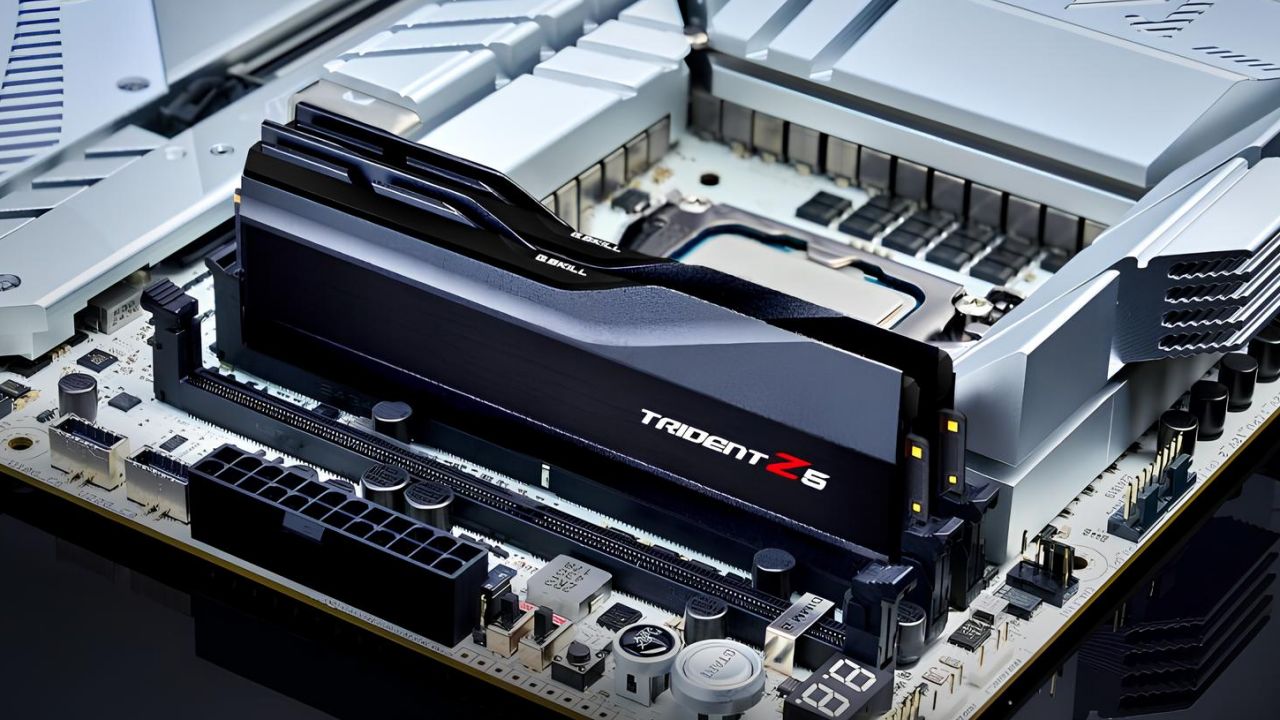
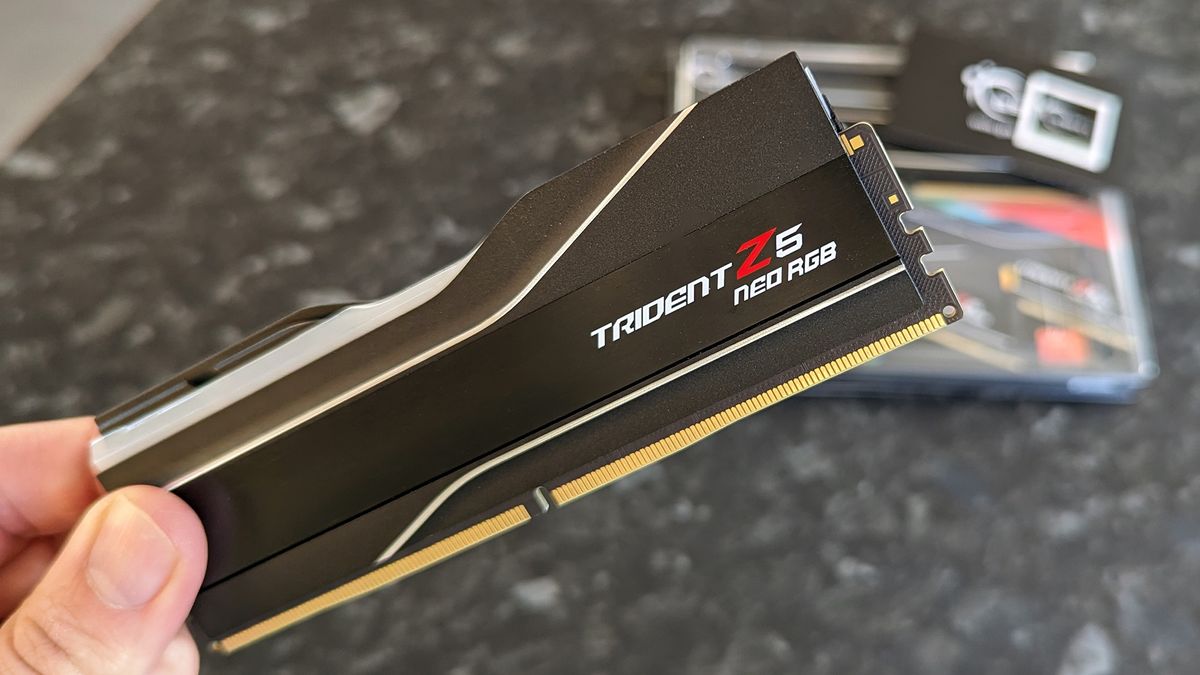
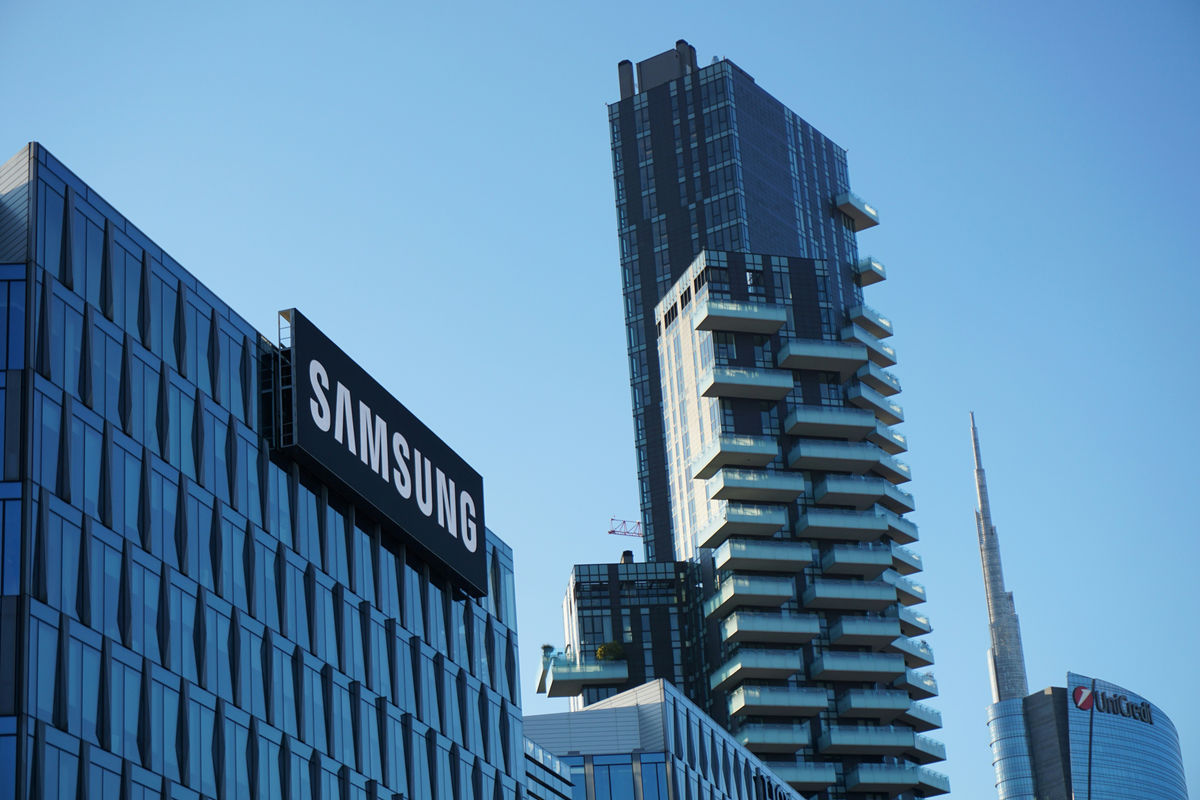
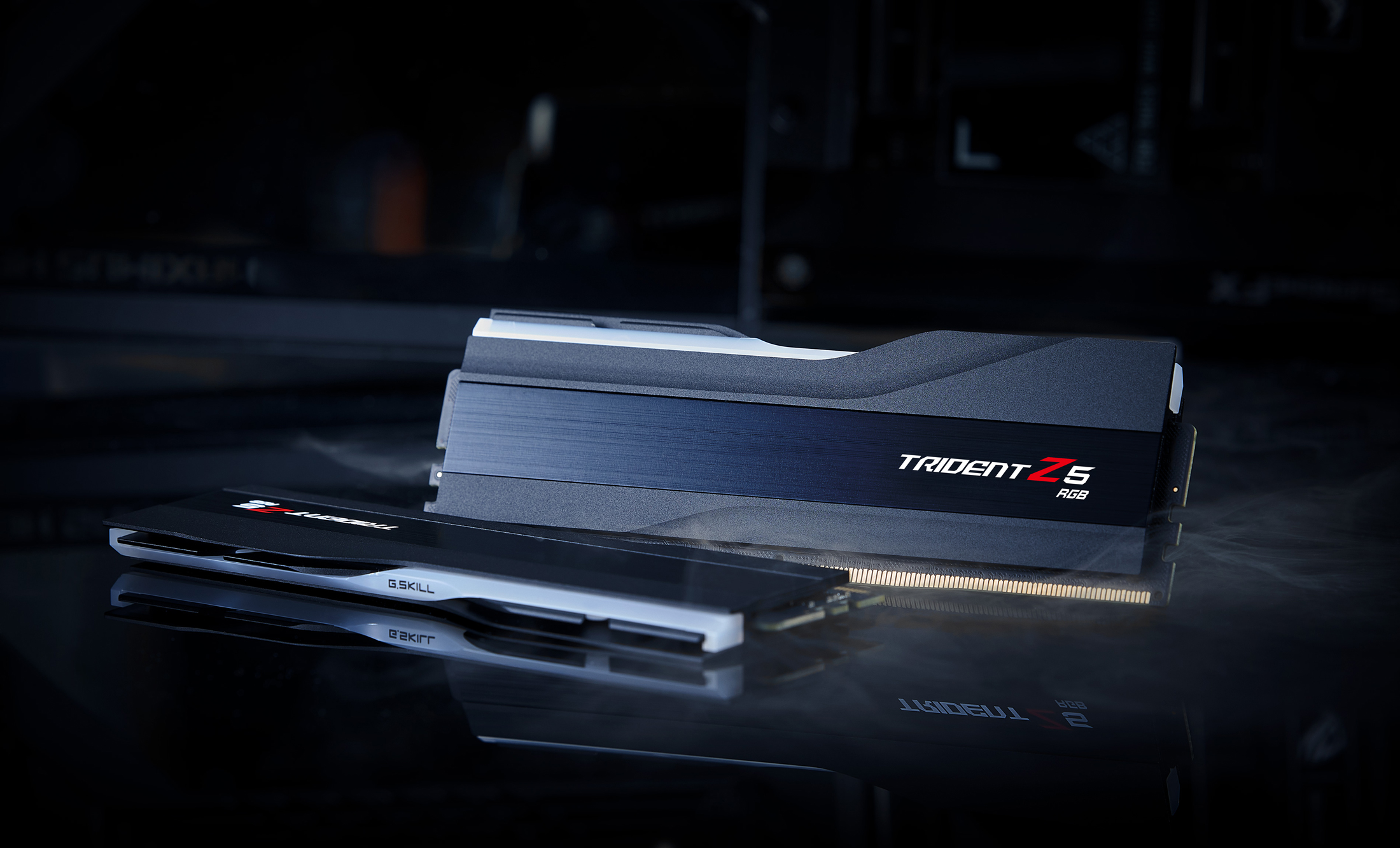
Strategic Memory Market Restructuring is now underway, characterized by three critical developments. First, major manufacturers like Samsung and G.Skill are signaling dramatic price increases, with contract prices potentially doubling by 2026. Second, established players like Micron are strategically exiting consumer markets, pivoting exclusively toward high-performance memory solutions for AI data centers. Third, companies like SK Hynix are forecasting tight memory supplies continuing through 2028, indicating this is not a temporary fluctuation but a fundamental market recalibration.
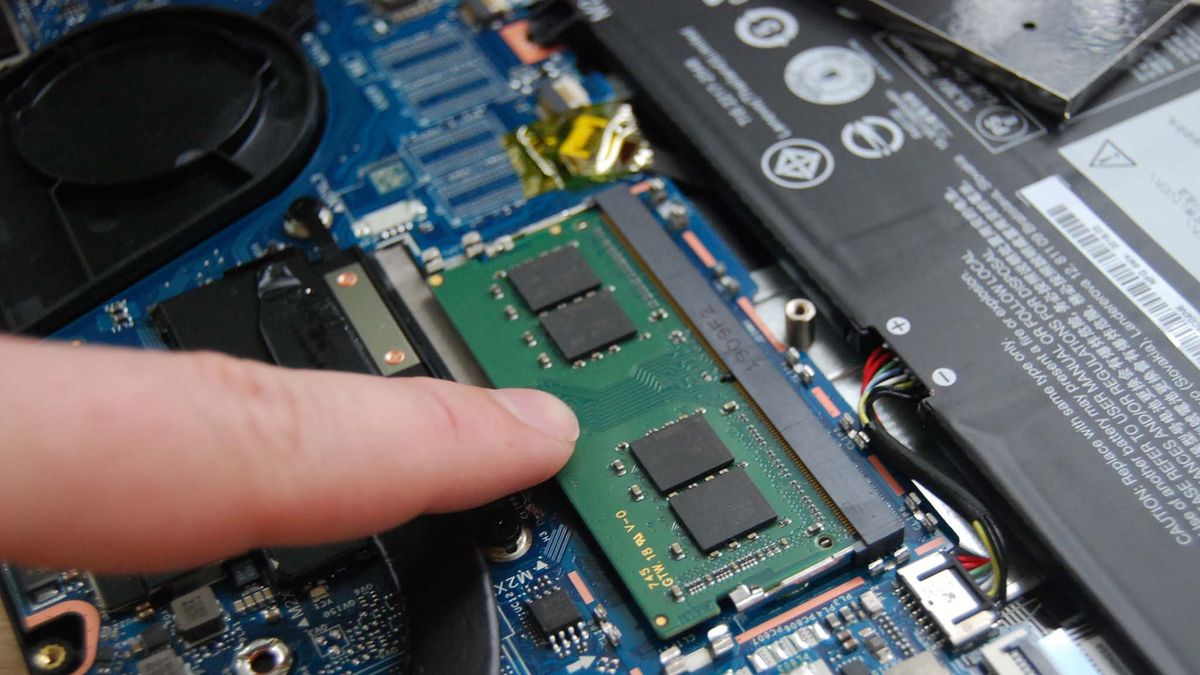
The implications for cross-border e-commerce and technology sellers are profound. Computational memory has become a critical strategic asset, with AI research organizations like OpenAI driving unprecedented demand for high-performance modules. Smaller manufacturers will likely struggle to compete, while enterprise and AI-focused companies demonstrate remarkable market resilience. Technology sellers must now navigate a radically transformed landscape where memory component costs can dramatically impact product margins.
For logistics and supply chain professionals, this represents a critical inflection point. Traditional sourcing strategies are becoming obsolete as memory becomes a scarce, strategically controlled resource. Sellers must rapidly adapt by diversifying component sources, potentially redesigning product specifications, and developing more agile inventory management approaches that can withstand extreme price volatility.
The broader signal is clear: AI is not just a technological trend, but a force fundamentally restructuring global manufacturing and supply chain ecosystems. Companies that can quickly adapt to this new computational paradigm will gain significant competitive advantages.
问题 4
Which memory manufacturers are most resilient?
Enterprise and AI-focused companies like Samsung and companies developing specialized high-performance memory for data centers appear most resilient. Manufacturers pivoting toward low-power and high-bandwidth memory (HBM) solutions for AI are best positioned in this evolving market.
Are these memory price changes a temporary trend?
Industry forecasts suggest this is a long-term structural shift, not a temporary fluctuation. Manufacturers like SK Hynix are projecting tight memory supplies through 2028, indicating a fundamental transformation in semiconductor manufacturing driven by AI's computational requirements.