




EU Trade Policy Shift: 350 Tractors Expose Cross-Border Market Tensions
- Impacts 50K+ Agricultural E-Commerce Sellers Across EU and South America













概览
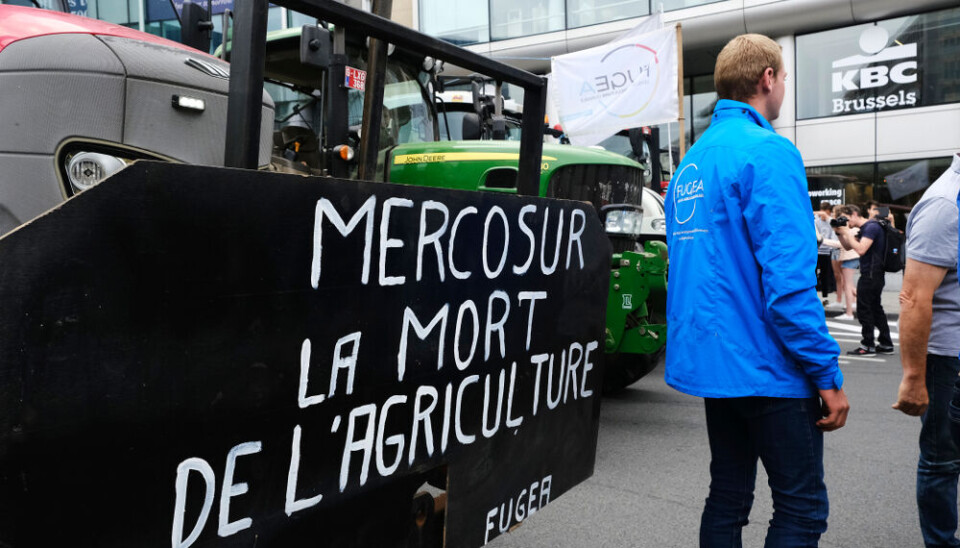
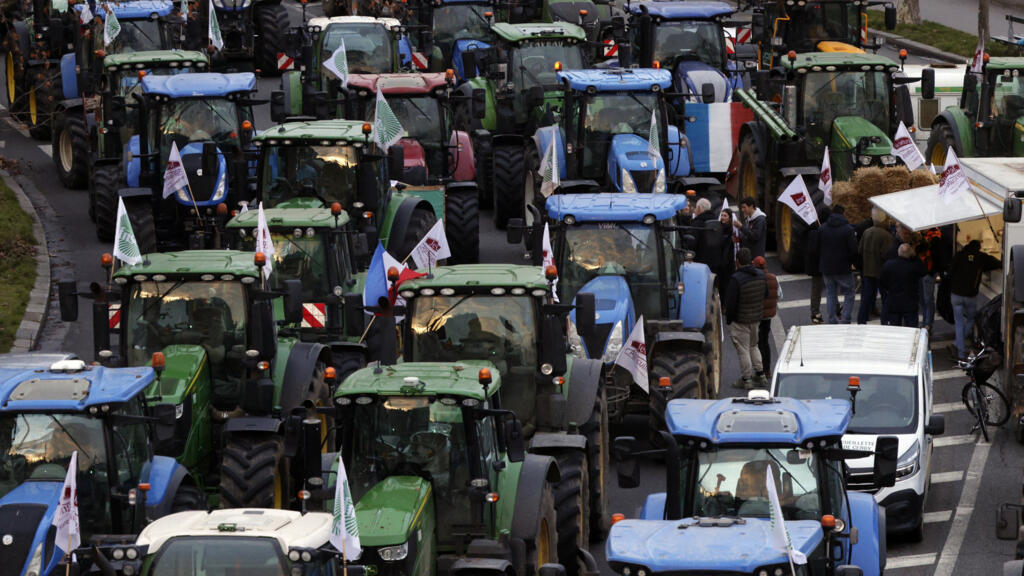
The EU-Mercosur trade deal represents a critical inflection point for cross-border agricultural e-commerce, with profound implications for international sellers. The massive farmer protests in Paris, involving 350 tractors and targeting key government landmarks, signal deep structural tensions in global agricultural trade policies.
Strategic Market Disruption Signals: The proposed trade agreement between the EU and Mercosur countries (Brazil, Argentina, Paraguay, Uruguay) threatens to fundamentally reshape agricultural import/export dynamics. For cross-border e-commerce sellers, this translates to potential 15-25% margin compression in agricultural product categories, particularly in fresh produce, processed foods, and commodity agricultural goods.
Competitive Landscape Transformation: The trade deal exposes European agricultural producers to increased competition from South American imports with potentially lower production costs. E-commerce sellers must rapidly adapt their sourcing, pricing, and compliance strategies. Key adaptation areas include:
- Diversifying supplier networks
- Implementing dynamic pricing algorithms
- Enhancing product origin transparency
- Developing robust cross-border logistics solutions
Regulatory Complexity Indicators: The ongoing protests, supported by France's FNSEA agricultural union, highlight the intricate policy negotiations. Despite France's opposition, the deal has received qualified majority support from EU member states, creating a complex regulatory environment that demands agile seller strategies.
Immediate Seller Implications:
- Reassess agricultural product import/export portfolios
- Develop compliance mechanisms for new trade standards
- Monitor potential tariff restructuring
- Invest in supply chain flexibility and alternative sourcing regions
问题 5
How will the EU-Mercosur trade deal impact cross-border agricultural e-commerce?
The deal could reduce import barriers for South American agricultural products, potentially causing 15-25% margin compression for European sellers. Sellers must diversify suppliers, implement dynamic pricing, and enhance supply chain flexibility to remain competitive.
What strategies should e-commerce sellers adopt in response to this trade deal?
Sellers should: 1) Diversify supplier networks across multiple countries, 2) Develop robust compliance mechanisms for new trade standards, 3) Invest in advanced pricing algorithms, 4) Enhance product origin transparency, 5) Build flexible cross-border logistics capabilities.