



Cross-Border E-Commerce: Geopolitical Risk Management 2024
- Strategic Insights for 50K+ EU Market Sellers






概览
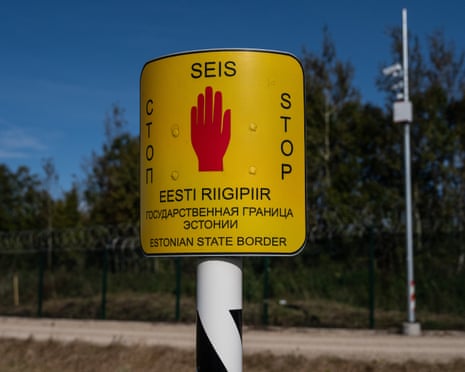
The Estonian government's unprecedented border restrictions targeting Russian military personnel reveal critical implications for cross-border e-commerce sellers operating in Eastern European markets. By banning 261 Russian veterans and revoking residence permits, Estonia demonstrates a sophisticated approach to geopolitical risk management that directly impacts international business strategies.
Strategic Market Disruption Signals: The coordinated restrictions highlight emerging compliance challenges for sellers targeting Eastern European markets. With approximately 710,000 Russian troops involved in the conflict and an estimated 1.5 million Russians participating in military operations, the geopolitical landscape presents complex regulatory environments. E-commerce businesses must now integrate geopolitical risk assessment into their market entry and operational strategies.
Operational Adaptation Requirements: Cross-border sellers must develop agile compliance frameworks that can rapidly respond to geopolitical shifts. This includes:
- Enhanced due diligence on customer and supplier backgrounds
- Real-time monitoring of diplomatic and regulatory changes
- Flexible logistics and market entry strategies
- Comprehensive risk assessment protocols for Eastern European markets
The Estonian actions signal a broader trend of administrative restrictions that can instantaneously transform market access dynamics. Sellers targeting EU markets must now view geopolitical intelligence as a critical component of their competitive strategy, not just a peripheral consideration.
问题 3
How can e-commerce businesses prepare for geopolitical market disruptions?
Develop comprehensive risk assessment frameworks, maintain flexible supply chain strategies, invest in real-time geopolitical intelligence, and create adaptable market entry protocols that can quickly respond to regulatory changes.
What specific risks should e-commerce sellers consider in the EU market?
Sellers must assess geopolitical risks including sudden regulatory changes, potential sanctions, customer background verification, and the ability to quickly pivot logistics and market strategies in response to diplomatic tensions.