
Global Supply Chain Tech: $3.25B Space Management Revolution
- AI-Powered Logistics Transformation Impacts 50K+ E-Commerce Sellers
概览
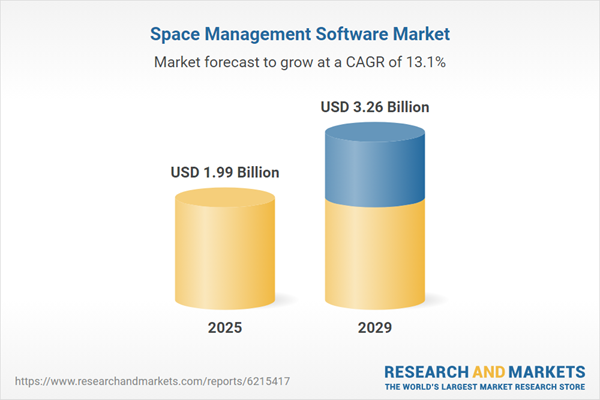
The global supply chain is undergoing a transformative digital revolution, driven by advanced space management software that promises to reshape logistics, warehousing, and operational efficiency. With the market projected to grow from $1.76 billion in 2024 to $3.26 billion by 2029, cross-border sellers must strategically adapt to emerging technologies that optimize inventory management and workspace utilization.
Key Strategic Implications for E-Commerce Sellers: The rise of AI-powered space intelligence platforms represents a critical opportunity for sellers to reimagine their logistics infrastructure. Companies like Johnson Controls' $455 million acquisition of FM:Systems and Accruent's AI-driven Space Intelligence platform demonstrate the sector's commitment to data-driven facility management. For e-commerce sellers, this translates into unprecedented capabilities for inventory optimization, warehouse space utilization, and real-time operational insights.
Regional and Technological Dynamics: North America currently leads the market, but Asia-Pacific presents significant growth potential. The 13.1% CAGR reflects broader trends of hybrid workplace models and demand for intelligent logistics solutions. With 52.9% of EU enterprises adopting remote meeting technologies, sellers must leverage similar data-driven approaches to manage distributed inventory, reduce storage costs, and enhance supply chain resilience.
Actionable Seller Recommendations:
- Invest in AI-powered inventory management tools
- Explore cloud-based logistics platforms with real-time analytics
- Prioritize warehouse efficiency and space optimization technologies
- Consider smart sensor integration for inventory tracking
- Develop flexible, data-driven supply chain strategies that adapt to global market disruptions
问题 5
How significant is the space management software market growth?
The global space management software market is projected to grow from $1.76 billion in 2024 to $3.26 billion by 2029, representing a robust 13.1% CAGR. This growth reflects increasing demand for intelligent, data-driven logistics solutions.
What should sellers do to stay competitive in the evolving logistics landscape?
Sellers should invest in AI-powered inventory management tools, explore cloud-based logistics platforms, prioritize warehouse efficiency technologies, and develop adaptable supply chain strategies that can respond to global market disruptions.