




Middle-Class Inflation Impact: E-Commerce Seller Strategies 2025
- 2.7% Inflation Drives Critical Market Adaptation for Cross-Border Sellers




























概览
The U.S. economic landscape in 2025 presents a complex challenge for cross-border e-commerce sellers, characterized by a persistent 2.7% inflation rate and a widening financial divide between consumer segments. The K-shaped recovery demands strategic market repositioning, with high-income consumers maintaining spending while middle-income households experience significant financial strain.
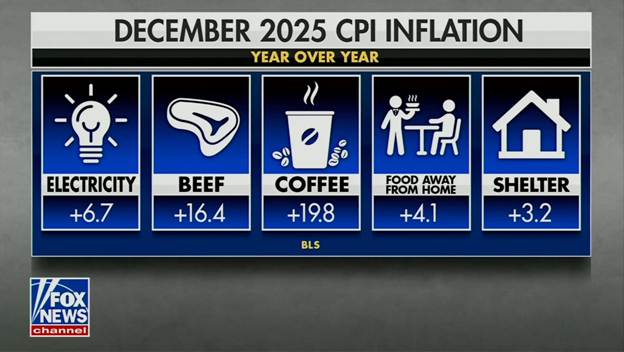
Key Strategic Implications for E-Commerce Sellers: The inflation dynamics reveal critical market segmentation opportunities. Bank of America data highlights that the top 5% of consumers continue driving online retail spending, creating a nuanced market strategy requirement. Sellers must develop dual-track product portfolios targeting both premium and value-conscious consumer segments. Specific category pressures include notable price increases in food-related products: coffee (+19.8%), beef (+16.4%), and candy (+10%), signaling potential margin compression and required pricing flexibility.
Operational Adaptation Recommendations: Cross-border sellers should implement dynamic pricing strategies that account for:
- Segmented product lines addressing different income brackets
- Flexible inventory management to mitigate supply chain volatility
- Enhanced value proposition for price-sensitive middle-income consumers
- Currency exchange risk management with 2.7% inflation backdrop
The Federal Reserve's cautious monetary approach suggests a stable yet challenging environment where e-commerce businesses must optimize cross-border pricing, inventory management, and strategic market expansion. Sellers who can rapidly adapt to these nuanced consumer spending patterns will gain significant competitive advantages in the 2025 global marketplace.
问题 4
How can e-commerce sellers adapt to the K-shaped economic recovery?
Successful adaptation involves creating dual-track product portfolios targeting both high-income and value-conscious consumers. This includes developing premium and budget-friendly product lines, implementing dynamic pricing, and enhancing value propositions.
What financial strategies should cross-border sellers implement in 2025?
Key strategies include dynamic pricing mechanisms, flexible inventory management, enhanced currency exchange risk mitigation, and developing product lines that cater to different consumer income segments.