


Infrastructure Safety Crisis | Cross-Border Logistics Impact 2026
- 32 Fatalities Expose Critical Supply Chain Vulnerabilities for International Sellers





概览
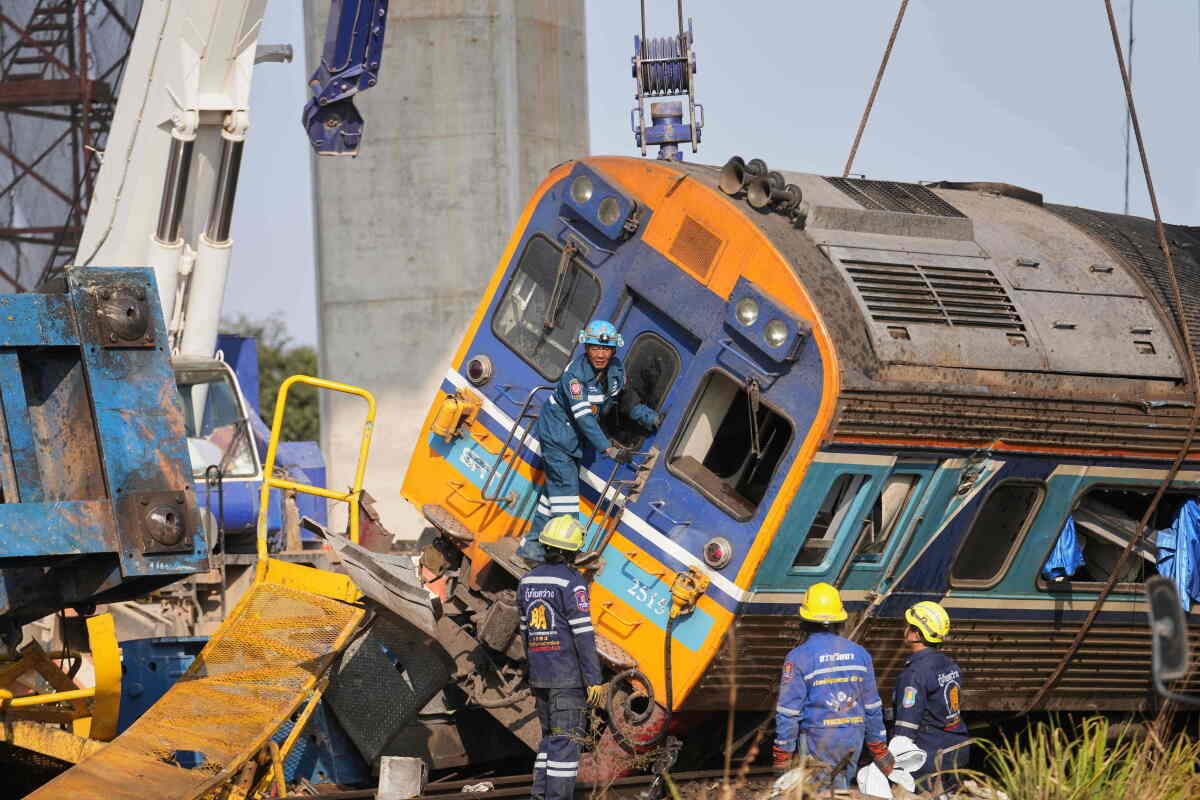
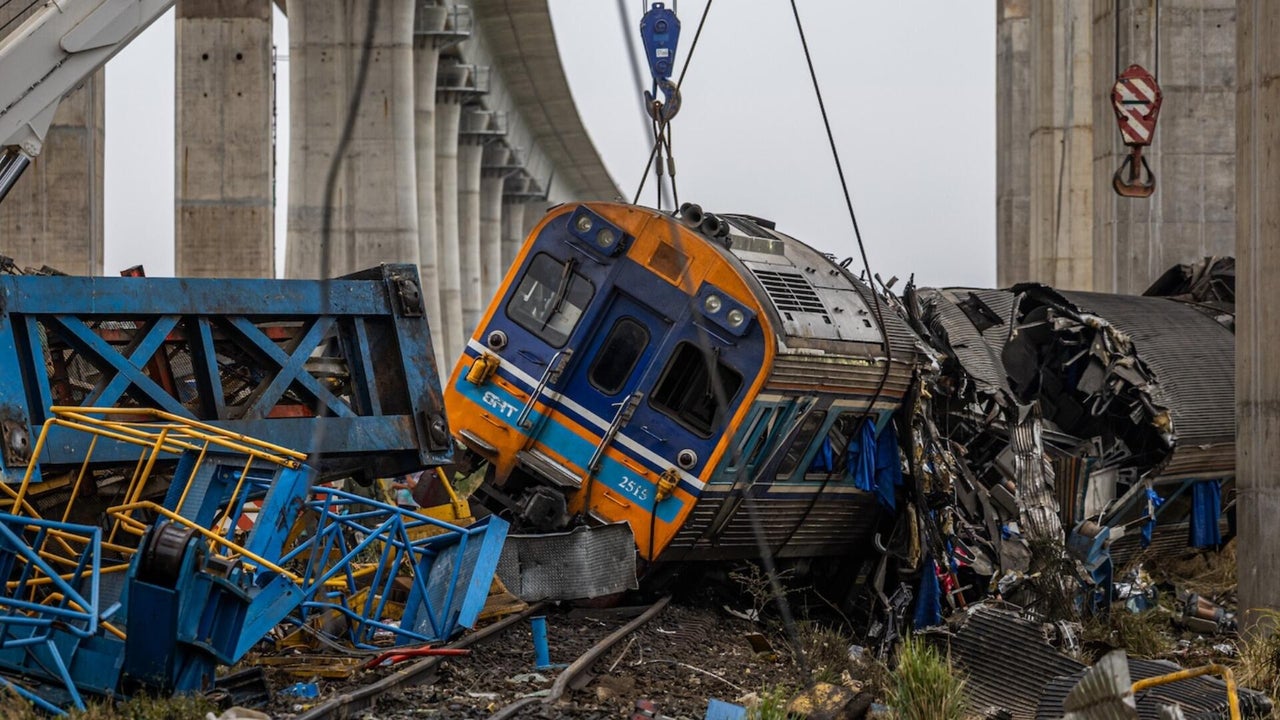
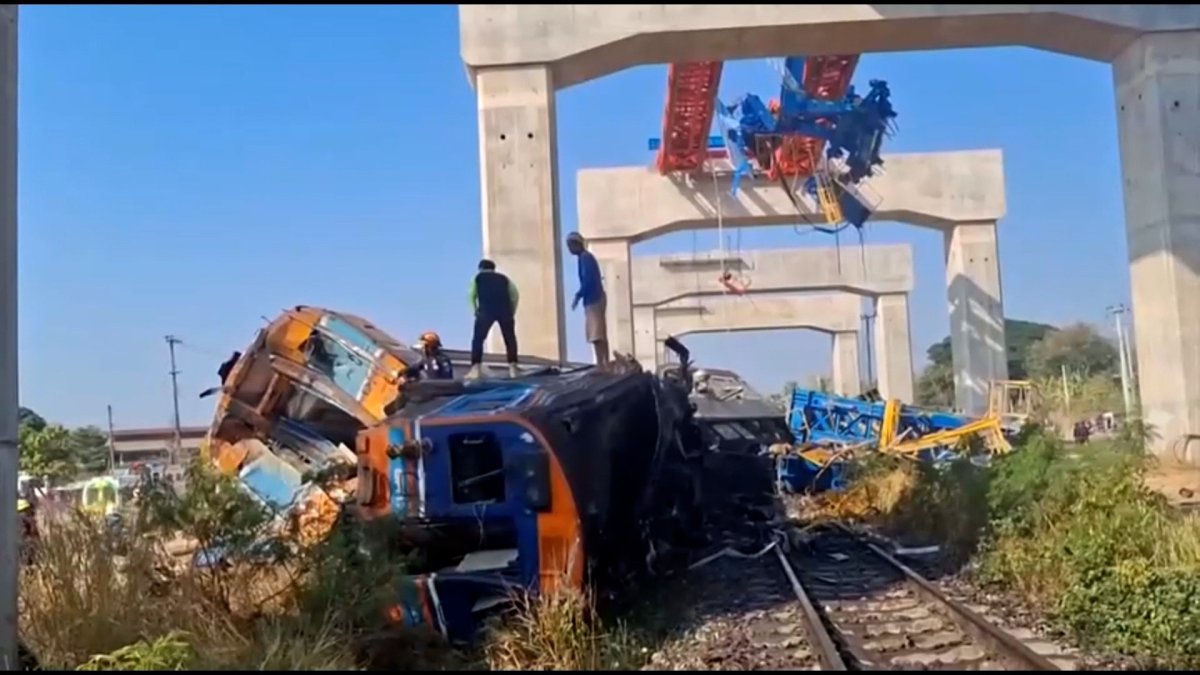
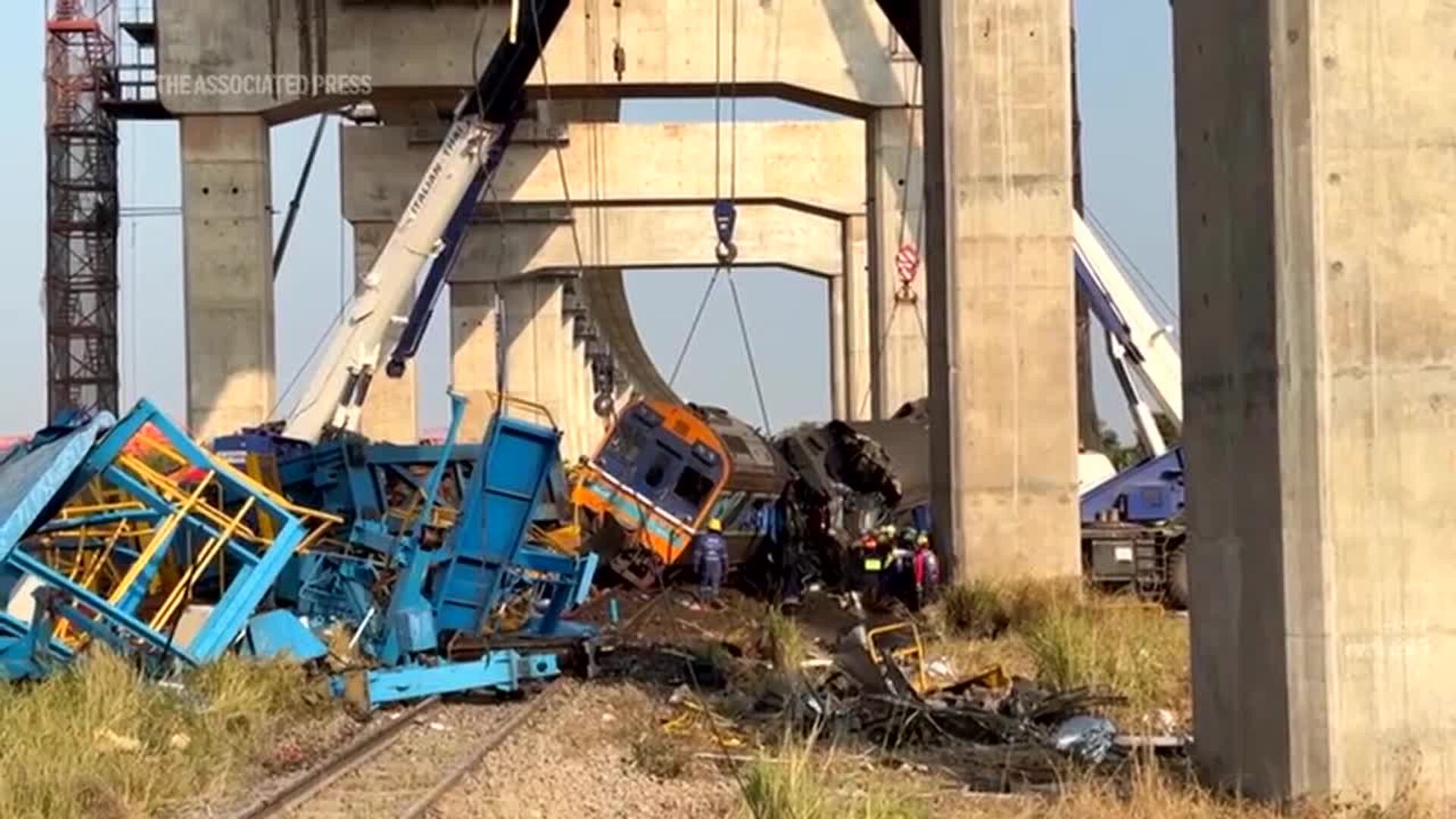
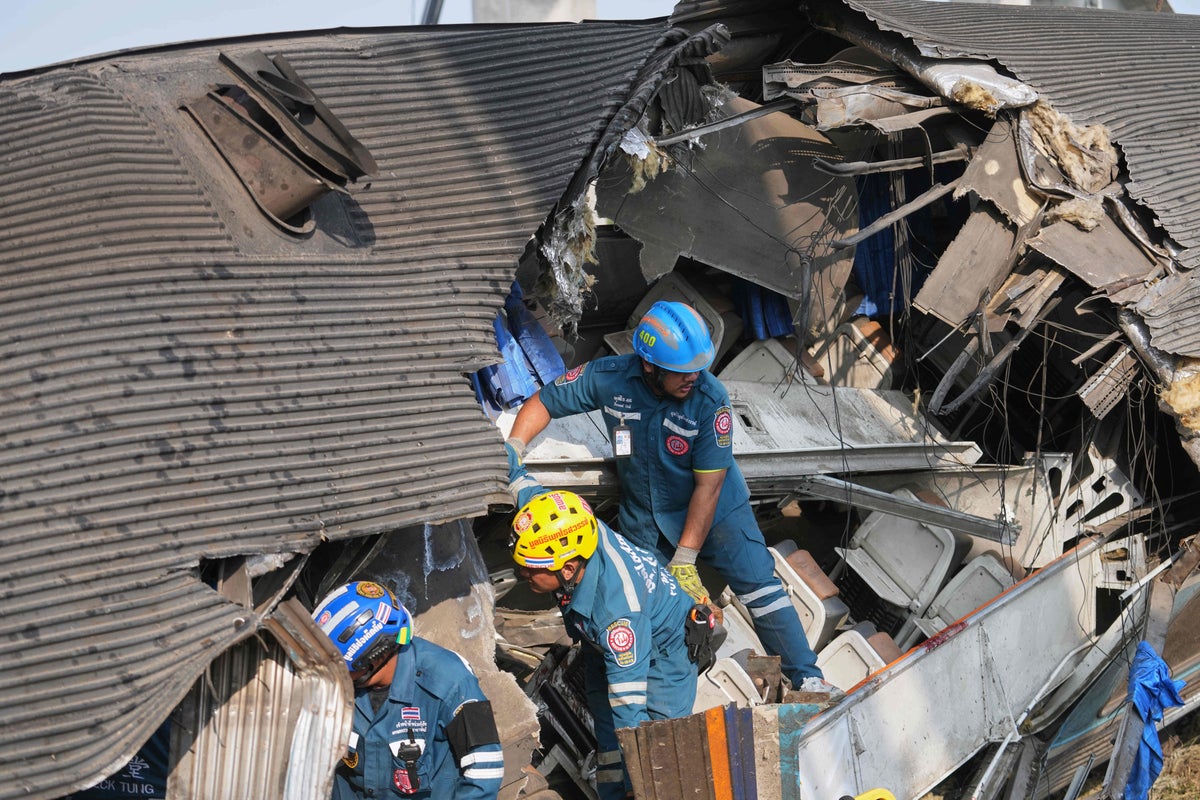
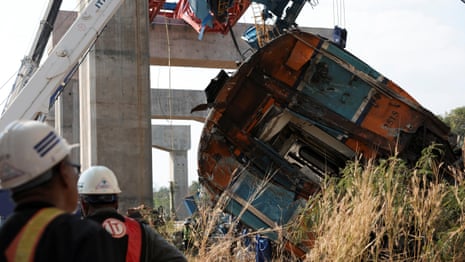
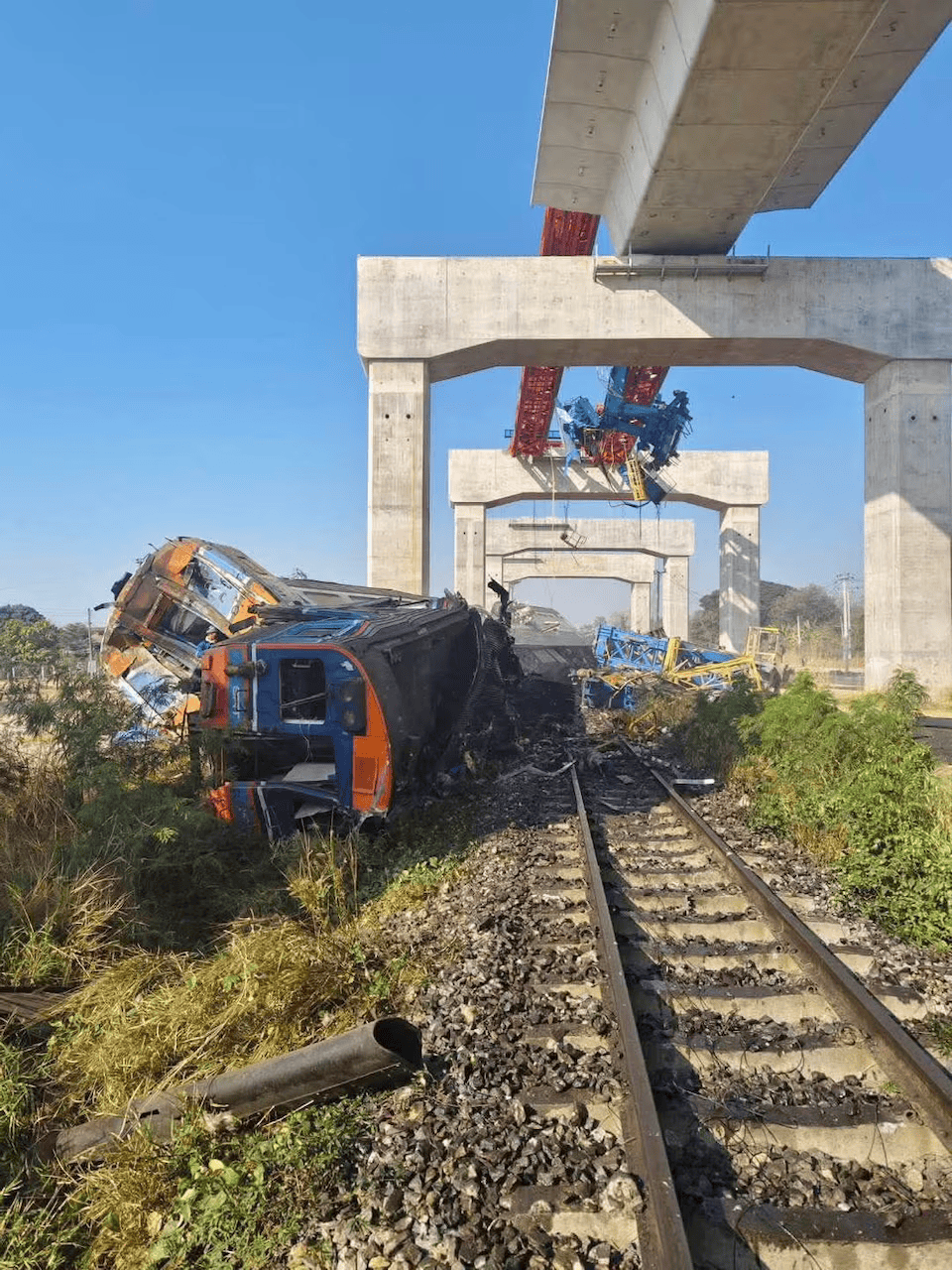
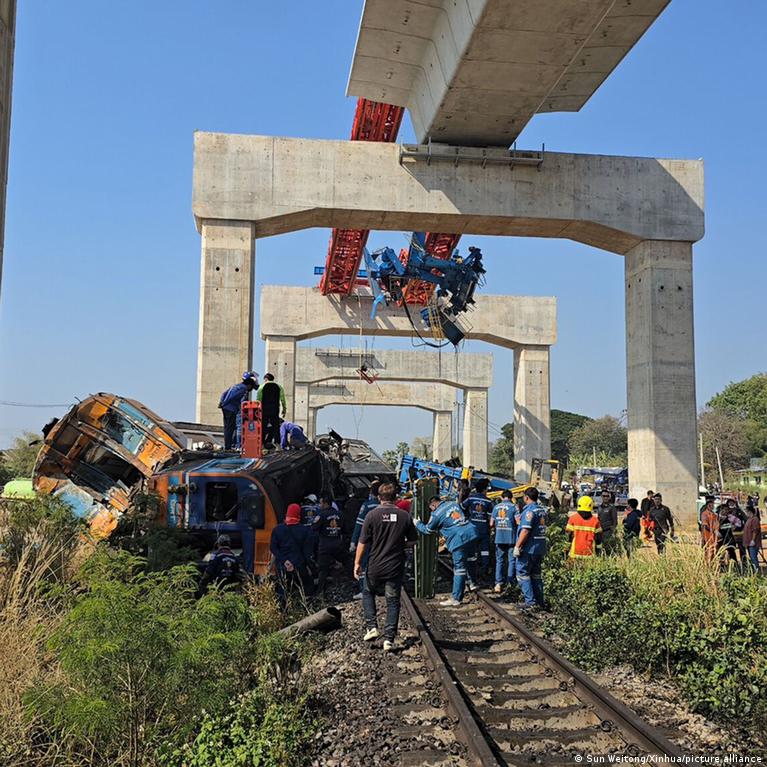
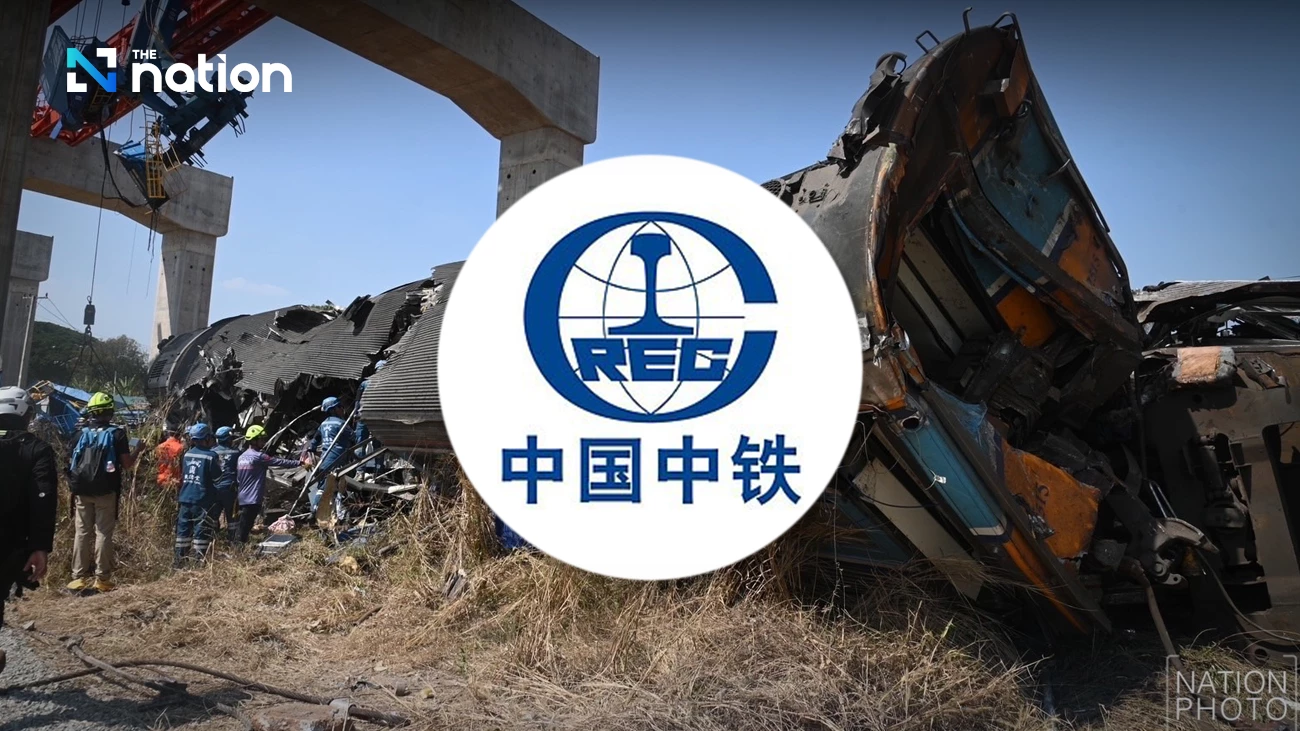
The catastrophic Thai train accident on January 14, 2026, represents more than a tragic transportation incident—it signals profound implications for cross-border e-commerce logistics and infrastructure risk management. With 32 fatalities and 195 passengers affected during a high-speed rail project, this event underscores the critical need for comprehensive safety protocols in international transportation networks.
For cross-border sellers, this incident highlights several strategic considerations. Infrastructure vulnerability emerges as a key risk factor, demonstrating how transportation disruptions can instantaneously impact global supply chains. The accident's location—approximately 140 miles northeast of Bangkok—sits within a critical logistics corridor connecting Thailand, Laos, and China, which represents a significant international trade route.
The Italian-Thai construction company's immediate acknowledgment and compensation pledge reveals an emerging trend of corporate accountability in infrastructure projects. E-commerce sellers must recognize that transportation safety directly influences shipping reliability, product delivery timelines, and overall operational resilience. The accident raises critical questions about risk mitigation strategies, particularly for businesses relying on complex international logistics networks.
Sellers should proactively develop multi-modal contingency plans, diversify shipping routes, and invest in real-time tracking technologies. The incident serves as a stark reminder that geopolitical and infrastructure risks can emerge unexpectedly, requiring adaptive strategies and robust risk management frameworks in an increasingly interconnected global marketplace.
问题 4
How might this incident affect shipping costs and reliability?
The accident could potentially increase transportation insurance premiums, introduce additional safety compliance requirements, and temporarily disrupt logistics routes in the Thailand-Laos-China corridor, potentially raising shipping costs and complexity for cross-border sellers.
What are the key risk management lessons for international sellers?
Sellers should conduct comprehensive risk assessments of transportation networks, maintain flexible logistics strategies, develop alternative routing options, and maintain comprehensive insurance coverage to protect against unexpected infrastructure failures.