





Mobile UI Revolution: Android 17's Game-Changing Update
- Impacts 1.4B Android Users | Critical UX Transformation for Mobile Sellers



概览
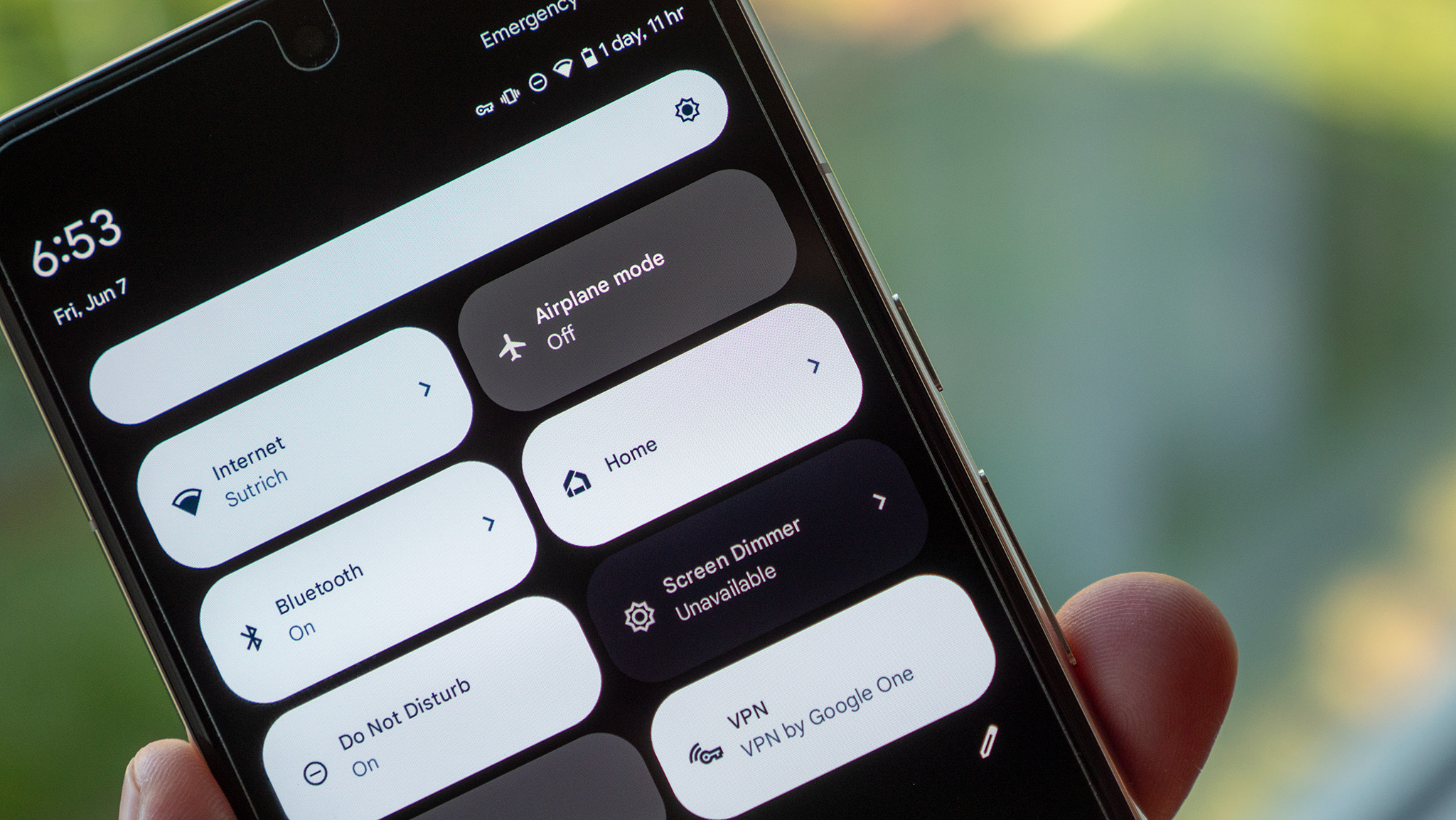
The upcoming Android 17 interface overhaul represents a pivotal moment for mobile commerce and digital user experience, with profound implications for cross-border sellers leveraging mobile platforms. Google's strategic redesign of Quick Settings signals a critical shift towards more intuitive, user-centric mobile interactions.
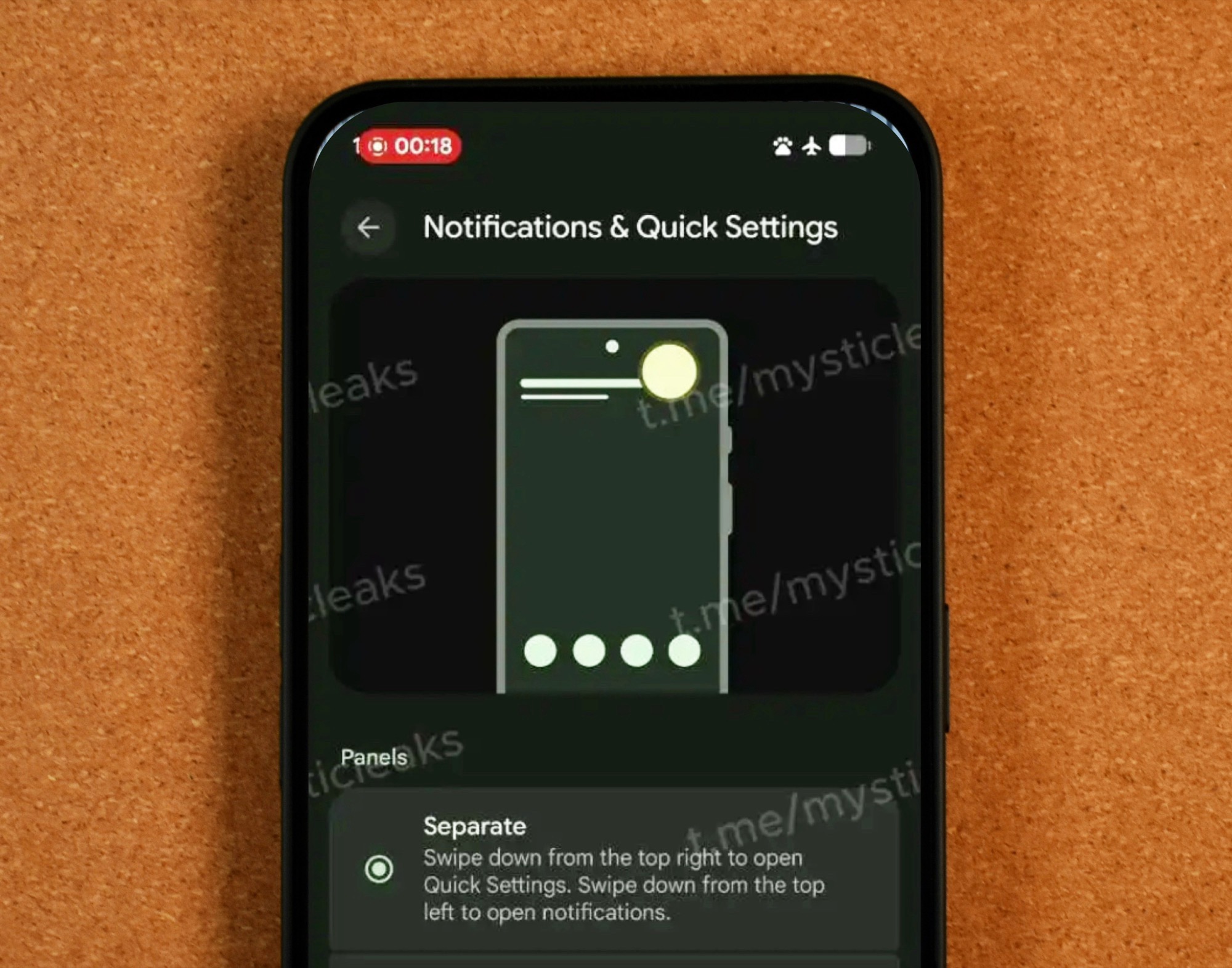
For e-commerce sellers, this interface transformation goes beyond aesthetic changes—it fundamentally reimagines how consumers interact with mobile devices during purchasing journeys. The split-layout design separating notifications and system controls creates more streamlined navigation, potentially increasing mobile conversion rates by reducing cognitive load and interaction friction.
Key strategic implications emerge for mobile-first sellers:
- Improved user engagement through more accessible device controls
- Potential boost in mobile shopping completion rates
- Enhanced user experience that could drive longer browsing sessions
- More granular control over device settings, reducing accidental interactions
The leak reveals Google's commitment to solving long-standing user frustrations, particularly around notification management and system toggles. By potentially separating Wi-Fi and mobile data controls, the update addresses critical pain points that historically impacted mobile shopping experiences.
Mobile sellers must proactively adapt their digital strategies, optimizing mobile listings and checkout flows to align with these emerging interface paradigms. The changes suggest a broader trend towards simplification and user-centric design that will reshape mobile commerce interactions.
问题 5
What specific UI changes are coming in Android 17?
Android 17 introduces a split-layout design separating notifications and system controls, with potential separation of Wi-Fi and mobile data toggles, offering users more granular device management.
How will Android 17's Quick Settings update impact mobile sellers?
The update will likely improve mobile shopping experiences by reducing interface complexity, potentially increasing conversion rates through more intuitive navigation and reduced user friction during mobile purchasing journeys.