





Luxury Retail Collapse: 5 Critical Seller Strategies for 2026
- Impacts 50K+ Cross-Border Fashion Sellers Worldwide






















概览
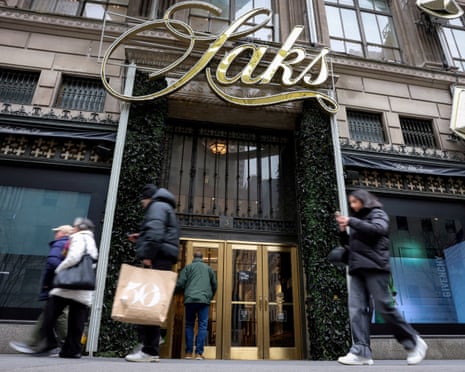
The Saks Global bankruptcy represents a seismic shift in luxury retail, signaling critical transformation for cross-border e-commerce sellers. With $2.5 billion in accumulated debt and a catastrophic merger with Neiman Marcus, this event exposes fundamental weaknesses in traditional wholesale luxury models.
Key Strategic Implications for sellers include a radical reimagining of brand distribution. Traditional department store channels are collapsing, forcing luxury brands to prioritize direct-to-consumer digital platforms. The Bank of America's report highlighting an 8% increase in luxury fashion spending masks underlying structural changes - brands now seek controlled, digital-first customer experiences.
Operational Risks emerge from this disruption. The Saks case reveals how complex financial engineering and inventory management can rapidly destabilize even established luxury retailers. By August 2024, Saks experienced a 9% inventory drop, demonstrating the fragility of traditional retail infrastructure. For cross-border sellers, this signals an urgent need to diversify distribution channels and build robust, platform-independent brand strategies.
Seller Adaptation requires immediate action. High-income consumer segments continue spending on luxury goods, but demand direct, digitally-mediated brand interactions. Successful sellers must invest in:
- Independent e-commerce capabilities
- Controlled brand storytelling
- Direct customer relationship platforms
- Agile, low-overhead distribution models
The luxury market is not shrinking - it's fundamentally restructuring around digital connectivity and brand control.
问题 3
Are luxury markets still growing despite these retail challenges?
Yes, luxury markets continue growing. Bank of America reports an 8% increase in luxury fashion spending. However, growth is now concentrated in direct-to-consumer digital channels, with brands prioritizing controlled, personalized customer experiences over traditional department store distribution.
How does the Saks bankruptcy impact cross-border luxury sellers?
The Saks bankruptcy signals a critical shift towards direct-to-consumer digital platforms. Sellers must now prioritize independent e-commerce capabilities, invest in digital brand storytelling, and develop platform-agnostic distribution strategies to remain competitive in the luxury market.