
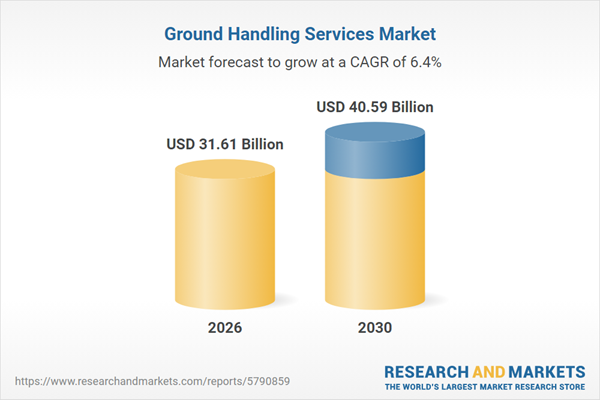
Global Logistics Revolution: $40.5B Ground Handling Market Surge
- 6.4% CAGR Signals Major E-Commerce Logistics Transformation
概览
The global ground handling services market represents a critical inflection point for cross-border e-commerce sellers, with transformative implications for international logistics strategies. The market's projected growth from $31.61 billion in 2026 to $40.59 billion by 2030 signals a fundamental reshaping of global shipping infrastructure.
Key Strategic Implications for E-Commerce Sellers: The 13.6% increase in global air cargo demand highlights unprecedented opportunities in cross-border logistics. Technological innovations like Swissport's autonomous ground handling solutions and Menzies Aviation's strategic acquisitions demonstrate that efficiency and automation are becoming competitive differentiators. For sellers, this means reimagining international shipping not just as a cost center, but as a potential strategic advantage.
Operational Recommendations:
- Prioritize carriers and logistics partners investing in automation and efficiency
- Develop multi-regional fulfillment strategies that leverage emerging ground handling technologies
- Consider warehouse locations near advanced logistics hubs, particularly in North America and emerging Asian markets
The market segmentation across passenger ground handling, ramp handling, and specialized cargo services creates nuanced opportunities for sellers. Challenges in regions like Asia-Pacific, including tariffs on ground support equipment, are simultaneously creating opportunities for domestic production and localized supply chain development.
Cross-border sellers must view these developments as more than infrastructure changes—they represent a fundamental reimagining of global delivery networks. The continued investment in ground handling technologies suggests a future where speed, reliability, and technological integration will determine market leadership.
问题 4
Which regions offer the most promising logistics opportunities?
North America currently dominates the ground handling market, but Asia-Pacific presents emerging opportunities. Sellers should focus on regions investing in airport infrastructure, automation technologies, and domestic production of ground support equipment.
How will ground handling service growth impact cross-border e-commerce sellers?
The 6.4% CAGR in ground handling services indicates faster, more efficient international shipping. Sellers should expect reduced transit times, lower logistics costs, and increased reliability in cross-border deliveries, particularly through technological innovations like autonomous handling systems.