




Cross-Border E-Commerce Breakthrough: Canada-China Trade Reset 2024
- 49,000 Electric Vehicles & $4B Agricultural Market Reopened


















概览
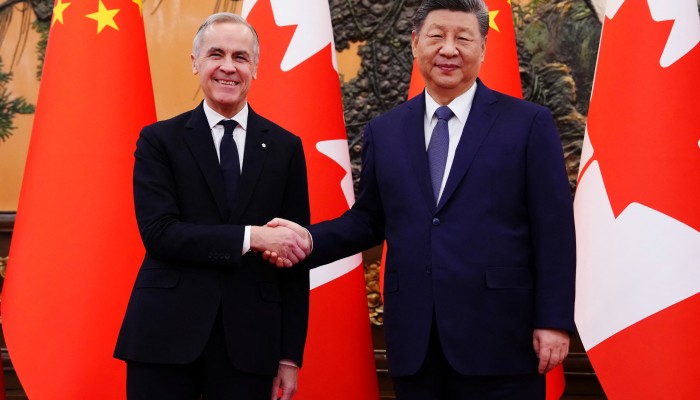
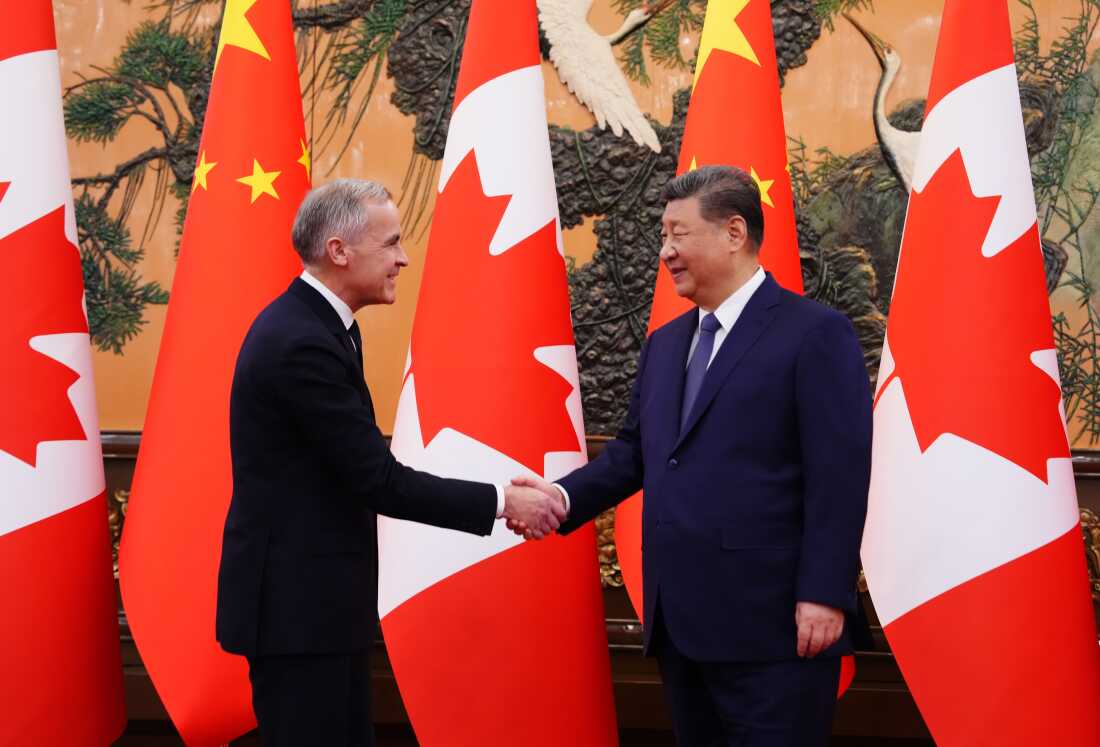
The landmark Canada-China trade agreement represents a pivotal moment for cross-border e-commerce sellers, signaling a strategic reset in bilateral economic relations with profound market access implications. Key Breakthrough: Dramatic tariff reductions create unprecedented opportunities in agricultural and automotive sectors, with China reducing canola oil tariffs from 85% to 15% and Canada allowing 49,000 Chinese electric vehicles at a preferential 6.1% tariff rate.
Market Dynamics Transformation: This diplomatic recalibration opens critical market corridors for sellers, particularly in clean energy, technology, agri-food, and automotive categories. The bilateral trade volume, exceeding C$118 billion in 2024, provides a robust foundation for expanded cross-border e-commerce strategies. Canadian and Chinese sellers can now leverage significantly reduced trade barriers, with an ambitious goal of elevating bilateral exports by 50% by 2030.
Operational Implications: E-commerce sellers should immediately reassess their market entry strategies, focusing on:
- Agricultural product export optimization (canola, specialty foods)
- Electric vehicle component and accessory market expansion
- Technology and clean energy product positioning
- Leveraging reduced tariff complexities for faster market penetration
The agreement signals a nuanced approach to international trade, balancing economic opportunities with geopolitical considerations. Sellers who quickly adapt to these new market conditions can gain substantial first-mover advantages in emerging cross-border commerce landscapes.
问题 4
When do these tariff reductions take effect?
The agreements indicate tariff reductions will be implemented by March 1st, 2024, with canola oil tariffs dropping from 85% to 15% and electric vehicle tariffs stabilizing at 6.1%.
How do the new Canada-China trade agreements impact cross-border e-commerce sellers?
The agreements create significant opportunities by reducing canola oil tariffs from 85% to 15% and allowing 49,000 Chinese electric vehicles into Canada at a 6.1% rate. Sellers can now more easily export agricultural products, automotive components, and technology goods with reduced trade barriers.